Thoughtful Help for Everyday Growing
Grow with Better Reasons, Not More Guesswork
Gardening Mag.net explains the choices behind healthier plants, workable outdoor spaces, and reliable seasonal care.
We focus on what matters in practice, including timing, local conditions, plant signals, and the tradeoffs between common methods.

Choose the Part of Your Space That Needs Attention
Find focused advice for plant care, indoor growing, landscape decisions, and the routine work that keeps a garden manageable.
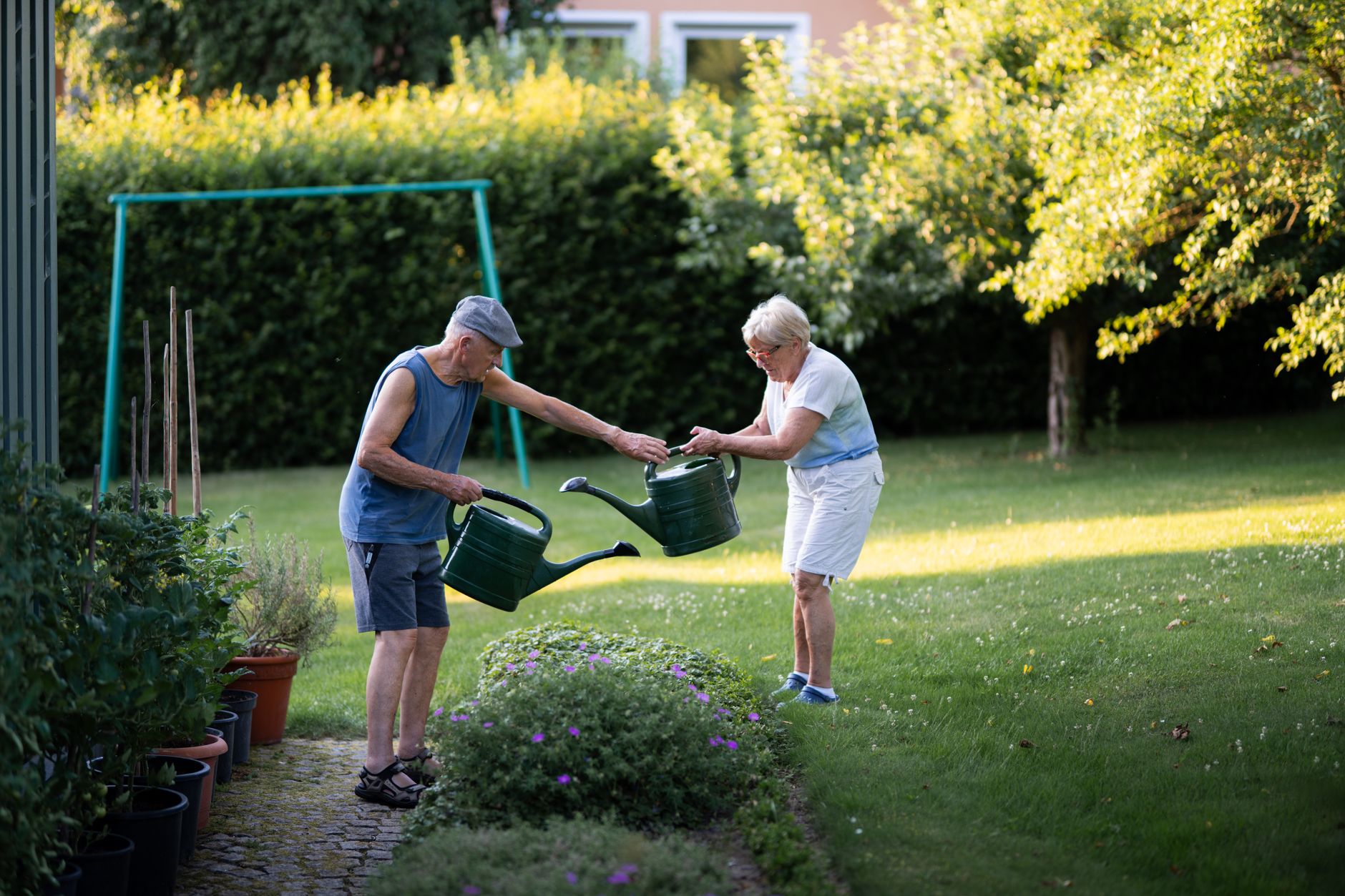
Gardening
Make informed choices about planting, soil, watering, seasonal timing, and the needs of different crops and flowers.
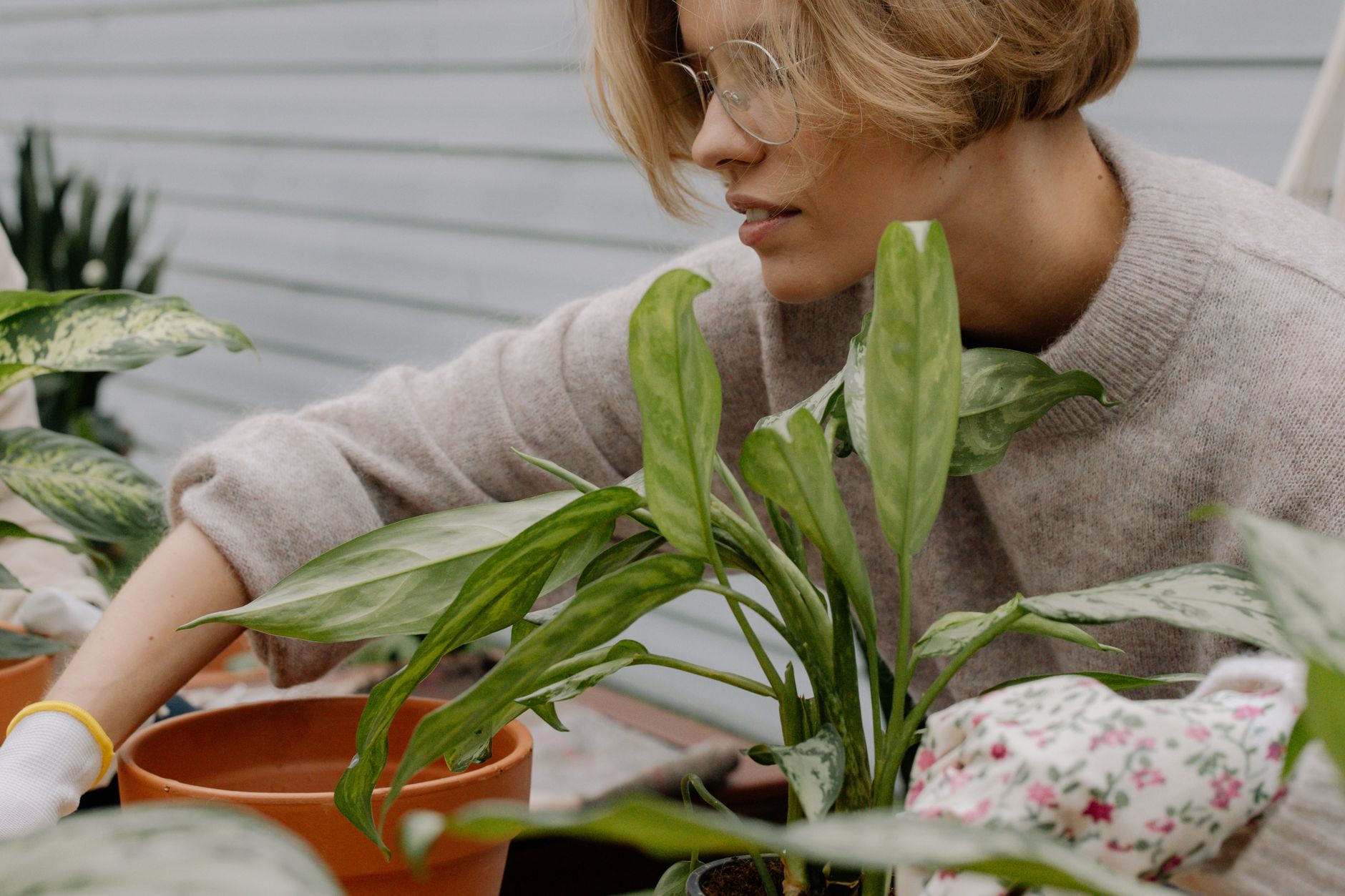
Indoor Plants
Interpret changes in leaves, roots, and growth while balancing light, moisture, containers, and indoor conditions.
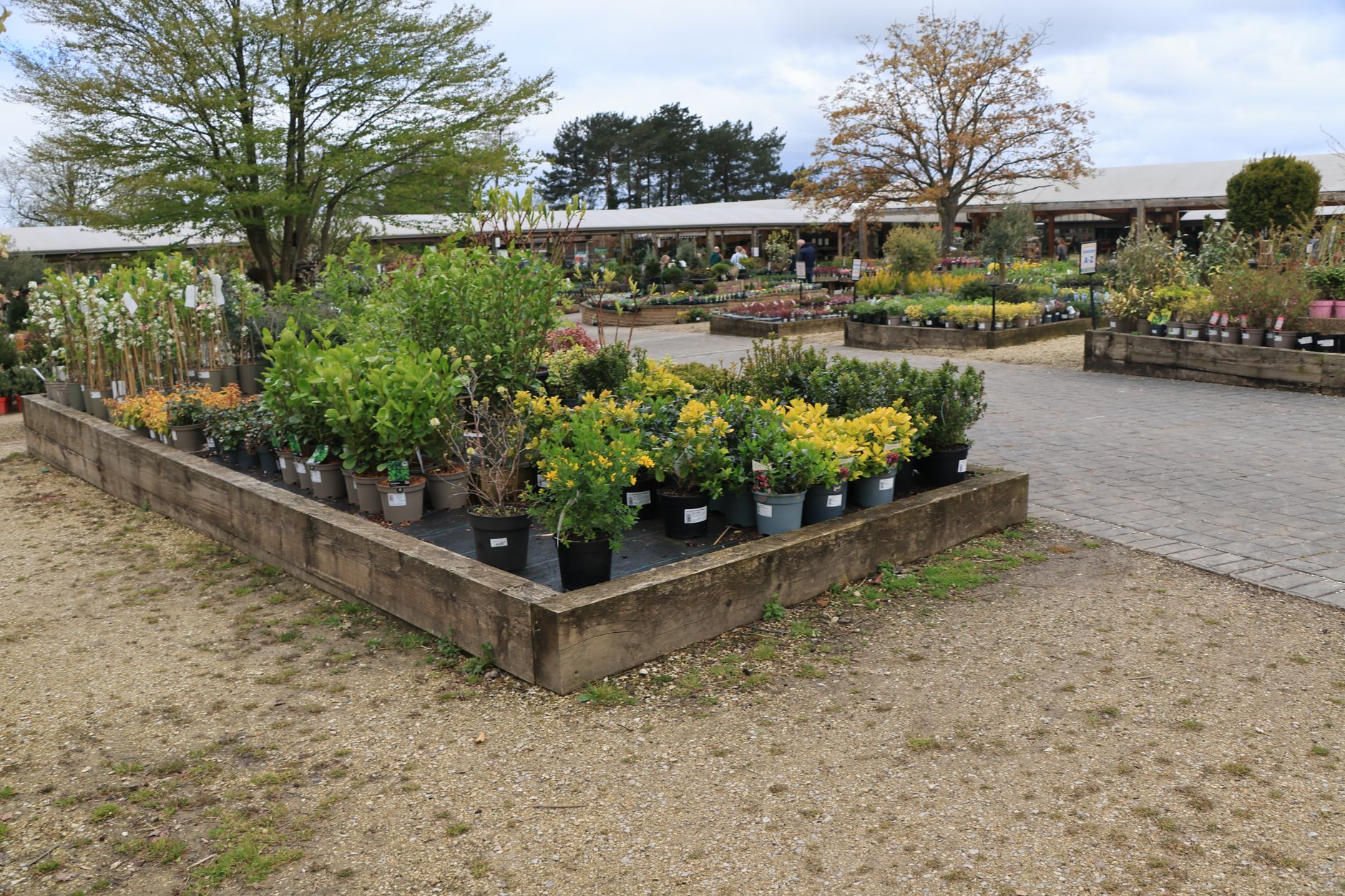
Landscaping
Plan useful, attractive spaces by considering mature plant size, drainage, movement, maintenance, and site conditions.
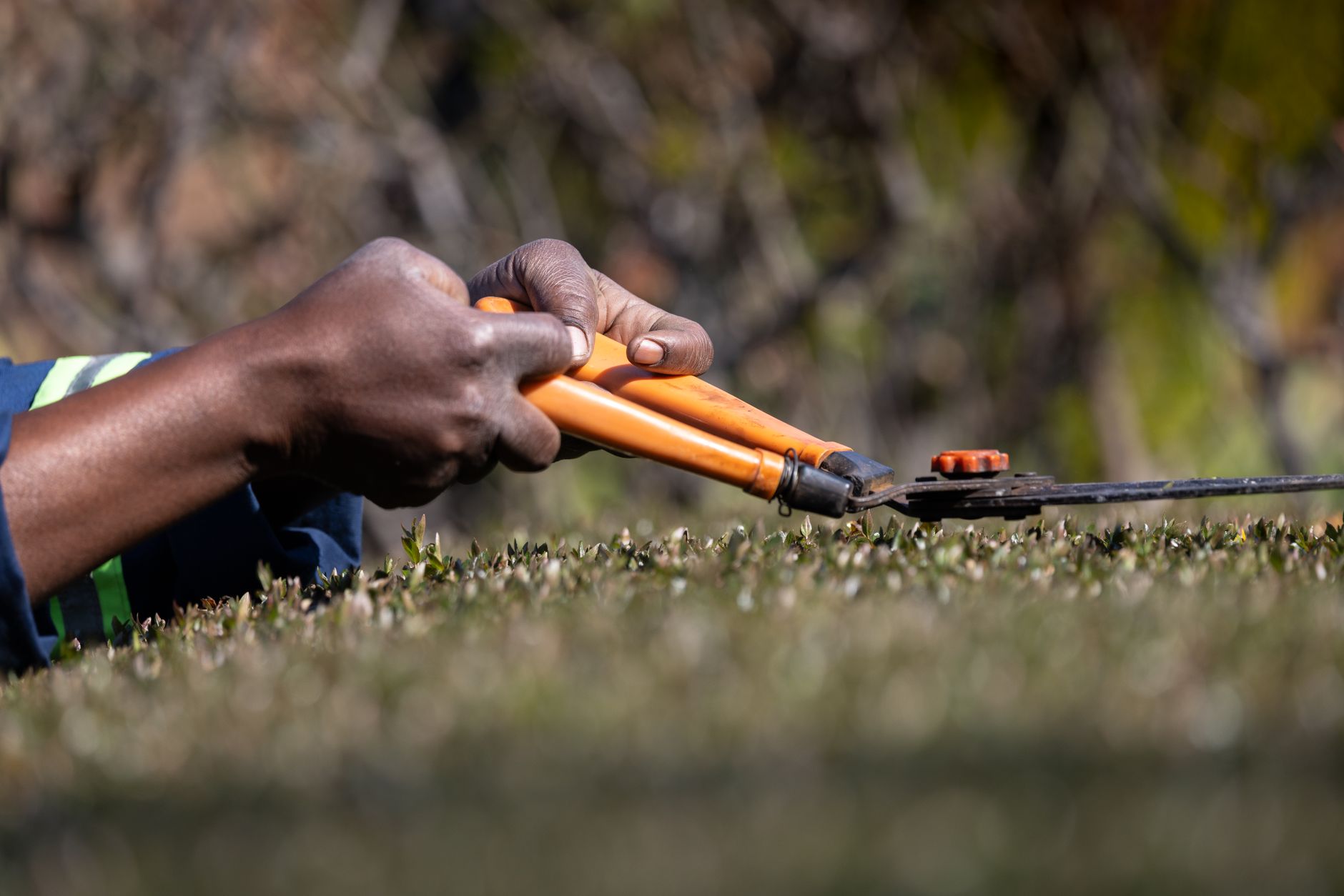
Maintenance
Handle pruning, cleanup, irrigation checks, weed pressure, and recurring tasks without creating unnecessary work.
Timely Reading for Thoughtful Gardeners
Recent articles address real growing questions with practical reasoning, relevant cautions, and clear next steps.


Small Signals Worth Noticing
Good decisions often begin with a simple observation. These cues can help narrow the likely cause before you change a plant’s care.
Read the Leaves Before Reaching for Water
Wilting can reflect dry soil, saturated roots, heat, or recent transplanting. Check moisture below the surface and note when symptoms appear.
Treat Light as a Changing Condition
A location that is bright in spring may be shaded by midsummer foliage. Watch the actual hours and intensity of direct light.
Check Drainage Before Adding Fertilizer
Poor growth is not always a nutrient problem. Compacted or persistently wet soil can limit healthy roots even when nutrients are present.
Match Pruning to the Plant’s Timing
Cutting at the wrong stage can remove flower buds or prompt tender growth. Identify how and when the plant sets new growth first.
Why Trust Gardening Mag.net
We approach gardening as a set of decisions shaped by living plants, changing conditions, and the limits of any one-size-fits-all answer.
Conditions Come First
We account for soil, light, moisture, temperature, plant maturity, and seasonal timing instead of treating a symptom in isolation.
Tradeoffs Stay Visible
Our explanations note where a method saves effort, creates another task, depends on climate, or suits only certain plants.
Uncertainty Is Part of the Answer
Similar symptoms can have different causes. We encourage observation and low-risk checks before major changes are made.
A Quick Comparison of Common Growing Approaches
The right setup depends on your soil, available space, mobility needs, budget, and willingness to manage water more closely.
In-Ground Beds
Useful when: existing soil is workable and larger planting areas are needed.
Consider: drainage, compaction, soil improvement, weeds, and easier access for local wildlife.
Raised Beds
Useful when: soil quality needs tighter control or a higher working surface is preferable.
Consider: material costs, soil volume, faster moisture loss, and the lifespan of the bed structure.
Containers
Useful when: space is limited, plants need to move, or separate soil conditions are helpful.
Consider: restricted root space, frequent moisture checks, drainage holes, and container weight.
Practical Habits That Prevent Common Problems
A few repeatable checks can reveal trouble early and reduce unnecessary watering, feeding, pruning, or replacement.
Water the Root Zone
Apply water slowly enough to soak the active roots, then check the soil rather than relying on a fixed calendar.
Leave Useful Space
Allow for mature width and airflow. Crowding can increase competition, trap moisture, and make inspection difficult.
Record What Changed
Note planting dates, unusual weather, treatments, and visible symptoms so patterns are easier to recognize later.
Change One Variable at a Time
When practical, make one low-risk adjustment and watch the response. Several simultaneous changes can hide the real cause.
Keep the Next Garden Decision Grounded
Read our latest articles when a plant changes, a seasonal task approaches, or a familiar method no longer fits the conditions.