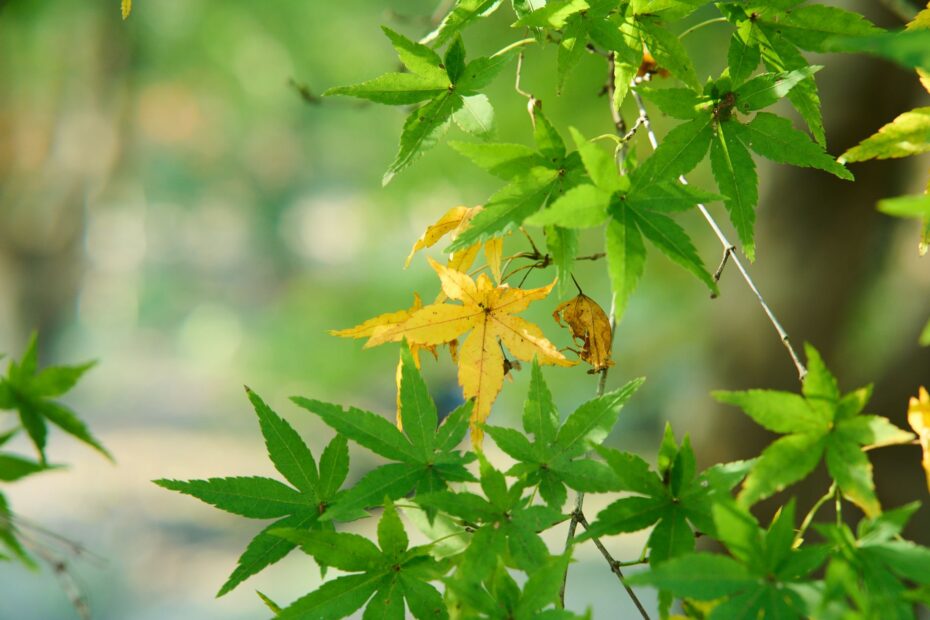
A single yellow leaf can signal chlorophyll loss from watering errors, root stress, nutrient shortages, unsuitable light, pests, disease, or natural aging. A single lower leaf may age normally, but spreading yellow foliage tells you that roots or growing conditions need closer attention.
This practical diagnosis helps you read leaf patterns, soil moisture, root health, and growing conditions across houseplants, garden plants, and vegetable crops.
Chlorophyll Loss Explains the Yellow Color
Green leaves contain chlorophyll, the pigment that captures light for plant energy. Chlorosis describes reduced chlorophyll production, leaving leaf tissue pale or yellow even though the trigger may sit in the roots, soil, light level, or nutrient supply.
Your plant also sheds older foliage as it shifts energy toward fresh growth. A few yellow lower leaves on a pothos, tomato, or peace lily are not alarming where new leaves stay green, firm, and full-sized.
Rapid color loss across several stems deserves a closer look. Yellow tissue rarely turns green again after damage occurs because chlorophyll does not rebuild well in an aging leaf.
Leaf Position and Vein Color Narrow the Cause
Leaf location gives you a useful starting point before fertilizer enters the picture. Older foliage sits lower on the stem, so even yellowing there can point to natural leaf aging, nitrogen deficiency, or magnesium deficiency.
| Visible pattern | Likely source | What you should inspect |
|---|---|---|
| Older leaves turn evenly yellow | Natural aging, nitrogen deficiency, or magnesium deficiency | Your newest growth and feeding history |
| Young leaves yellow with green veins | Iron deficiency or unsuitable soil pH | Your soil pH and root condition |
| Yellow tips or margins | Dryness, salt buildup, fertilizer burn, or potassium shortage | Your watering pattern and pot rim |
| Yellow leaves with spots or lesions | Pest feeding or disease | Your leaf undersides and nearby stems |
Green veins against yellow young tissue point strongly toward iron deficiency because iron stays relatively fixed within plant tissue. Plant leaves turning yellow at tips point elsewhere: dry root zones, fertilizer salts, and damaged margins fit that pattern more closely than iron shortage.
Whole-plant vigor narrows the field further. Slow growth, limp stems, and yellow leaves across several positions point toward root trouble, whereas one aging leaf beside vigorous new growth rarely calls for a change.
Watering Problems Leave Distinct Soil and Root Clues
Saturated potting mix can look harmless at the surface while roots below lose oxygen. Overwatering leaves foliage soft, limp, and yellow because waterlogged soil leaves too little air around root cells and can lead to root rot.
| Clue | Too much water | Too little water |
|---|---|---|
| Soil 2 inches down | Cool, wet, and heavy | Dry, loose, or pulling from pot edges |
| Leaf texture | Soft, limp, or thin | Crisp, papery, or curled |
| Pot weight | Heavy for several days | Light soon after watering |
| Root appearance | Dark, soft, or sour-smelling | Pale but dry and brittle |
For overwatering vs underwatering yellow leaves, push a finger or wooden chopstick 2 inches into the potting mix instead of judging the surface. Your container should drain soon after watering and should not leave roots sitting in a saucer of runoff.
Underwatering follows a different path. Dry soil, wilted stems, thin leaves, and brown crispy edges tend to appear before broad yellowing, especially on basil, spider plants, and greenhouse tomatoes during hot weather.
Persistent moisture stress can also impair roots, leaving nutrients unavailable even in soil that contains plenty.
Water deeply enough to moisten the root zone, then wait until the plant reaches its needed drying level. Small daily splashes keep roots shallow and make soil clues harder to read.
Root Health and Soil pH Control Nutrient Access
Roots absorb nutrients poorly after prolonged oxygen stress. Compacted potting mix, containers without drainage holes, and saucers that stay full can leave your plant yellow even after you reduce watering.
A sour odor, persistent dampness, dark mushy roots, drooping stems, and stunted new growth point toward root rot. Lift the plant from its pot, trim decayed roots with clean shears, then repot it in fresh airy mix after fixing drainage.
Soil pH controls nutrient access at the root surface. Iron, manganese, phosphorus, and other elements may sit in the soil yet remain unavailable at an unsuitable pH, which explains why extra fertilizer can worsen chlorosis instead of resolving it.
Your next step is to separate a root-zone problem from a true shortage. A yellow young leaf with green veins needs pH and root checks before you add iron or any other nutrient product.
Light Stress, Temperature, Pests, and Disease Add Context
A plant placed far from a bright window can fade slowly because low light limits photosynthesis. Your yellow leaves on indoor plants may appear with stretched stems, wide gaps between leaves, and soil that stays damp longer than expected.
- Weak light: Move your plant toward bright indirect light across 7 to 10 days.
- Sun scorch: Shield exposed leaves showing bleached patches, tan scars, or dry edges.
- Temperature shock: Keep foliage away from cold glass, furnace vents, and abrupt outdoor moves.
- Spider mites: Check beneath leaves for fine webbing and pale stippling.
- Leaf disease: Separate plants with expanding brown spots, halos, or water-soaked lesions.
Stress from a draft or hot car ride can trigger yellowing within days, especially in tropical indoor plants. Pest damage leaves its own pattern: sticky residue suggests sap-feeding insects, and distorted new growth can signal mites, thrips, or aphids.
Light stress also affects watering clues. A dim location slows water use, so soil stays wet longer and raises the chance that your normal watering routine becomes excessive.
Because these stresses can imitate nutrient problems, diagnosis depends on matching the full pattern rather than color alone.
Nutrient Deficiencies Need a Pattern Match
Fertilizer is not a rescue tool for every pale leaf. Nitrogen deficiency causes even yellowing that begins on older lower leaves, whereas iron deficiency leaves young growth yellow with green veins.
| Nutrient pattern | Leaf location | Visible clue |
|---|---|---|
| Nitrogen deficiency | Older leaves | Uniform yellowing |
| Iron deficiency | Young leaves | Yellow tissue with green veins |
| Magnesium deficiency | Older leaves | Interveinal yellowing |
| Potassium shortage | Older leaves and edges | Yellow or scorched margins |
Nutrient deficiency yellow leaves need a soil moisture, root, light, and pH review before feeding. A balanced fertilizer suits active growth with healthy roots, but nutrient-specific amendments fit only where the leaf pattern and soil conditions point to that shortage.
Epsom salt supplies magnesium, not nitrogen or iron. Your plant benefits from Epsom salt only with a confirmed magnesium deficiency or documented need, since extra salts can disrupt nutrient balance and cannot resolve overwatering, root rot, or iron chlorosis.
How to treat chlorosis in plants starts with the cause behind the color loss. Correcting compacted soil or unsuitable pH gives roots access to nutrients already present, which may matter more than adding another fertilizer.
A Stepwise Recovery Routine Limits Further Stress
Changing five care habits on the same day hides the source of trouble and adds new stress. Start with the strongest clue, then alter one condition at a time so your plant has a clear path toward steadier growth.
- Inspect foliage: Separate pest-affected plants and inspect leaf undersides for webbing, insects, residue, spots, or lesions.
- Probe the soil: Check moisture below the surface and confirm that your pot has open drainage holes.
- Inspect roots: Lift a severely drooping plant from its container where persistent wetness suggests rot.
- Correct one cause: Adjust watering, drainage, light exposure, or nutrition based on the strongest clue.
- Watch new growth: Give roots and foliage 2 to 4 weeks to show a steadier pattern.
Indoor plants respond well to steady watering and brighter suitable light. Outdoor ornamentals need drainage and weather protection, and vegetables such as tomatoes benefit from a soil test and crop-specific nutrition rather than repeated blanket feeding.
How to fix yellow leaves on plants depends on the evidence chain. A compacted container mix needs more air, a dry root ball needs a thorough soak, and green-veined young foliage needs pH and iron attention before more nitrogen.
Fresh Growth Shows Whether the Correction Worked
Fresh leaves are your scorecard. Healthy new growth, firmer stems, and a steadier pace of growth show that roots have regained access to water and minerals.
Remove fully yellow leaves after your correction is underway because they no longer produce useful energy. Keep partly green leaves unless disease is present, since remaining chlorophyll still feeds your plant.
- Feel soil weekly: Base watering on root-zone moisture rather than a calendar date.
- Use drainage holes: Choose containers that release excess water within minutes.
- Match light levels: Place each plant where foliage can photosynthesize without scorching.
- Feed modestly: Fertilize during active growth and avoid stacking products in stressed soil.
- Inspect leaves closely: Catch pests, salt crust, and spot patterns before color loss spreads.
What to Remember
Yellow foliage is a symptom, not a diagnosis. Your strongest clues are leaf age, vein color, soil moisture, root condition, and growing site, so work from those signs before reaching for fertilizer or Epsom salt.
Causes of yellowing leaves in plants become clearer through a simple sequence: inspect the leaf pattern, check the root zone, then adjust the condition that matches the evidence. Judge progress by the healthy leaves your plant grows next.
FAQ
What causes yellowing leaves in plants?
Yellow leaves can come from overwatering, underwatering, root rot, nutrient deficiencies, unsuitable soil pH, low light, light stress, pests, disease, or natural leaf aging. Your leaf pattern and root-zone condition narrow the cause more reliably than color alone.
Can yellow leaves turn green again?
Once chlorophyll has faded from damaged or aging tissue, yellow leaves rarely regain their green color. Your correction protects future growth, so look for healthy green leaves rather than waiting for existing yellow foliage to change color.
How do you tell whether yellow leaves come from too much or too little water?
Too much water leaves soil heavy and wet below the surface, and foliage feels soft and droops. Too little water leaves your pot light, soil dry, and leaf edges crisp or brown before yellowing spreads.
How do you fix yellow leaves on indoor and outdoor plants?
Check soil moisture, drainage holes, root condition, light exposure, and pest signs before changing care. Your indoor plant may need brighter indirect light or less frequent watering, whereas an outdoor plant may need better drainage, weather protection, or a soil test.
What nutrient deficiency causes leaves to turn yellow?
Nitrogen deficiency produces even yellowing on older leaves, iron deficiency leaves young tissue yellow with green veins, and magnesium deficiency produces interveinal yellowing on older foliage. Your plant’s leaf age and vein pattern point toward the more likely shortage.
Which fertilizer suits yellowing leaves?
Your fertilizer choice should match the symptom pattern and soil condition. A balanced formula can help active growth with healthy roots, whereas iron, magnesium, or potassium products fit only after leaf patterns and soil pH point to that shortage.