Pollen from a flower’s own plant produces self-pollination, whereas pollen carried between separate plants of the same species produces cross-pollination. That source shapes your fruit set, seed purity, and the traits carried into future seedlings.
You’ll learn how flower parts move pollen, why crop biology matters, and how to plan for seed saving, pollinators, and more predictable garden results.
Pollination Starts Before Fertilization
A pollen grain must land on a receptive surface before a seed can form. Pollination transfers pollen from an anther, the pollen-producing part of a flower, to a stigma, the sticky surface that receives it.
Pollination versus fertilization describes two separate stages. Pollen reaches the stigma outside the ovary, while fertilization occurs later inside an ovule, where male and female cells join. The ovary develops into fruit in many plants, and fertilized ovules develop into seeds.
Your flower needs successful pollen transfer before fertilization begins. Pollen then grows a tube through flower tissue toward the egg cell inside the ovule.
Pollen Origin Separates the Two Routes
Pollen source matters more than distance. Self-pollination uses pollen from the same flower or another flower on one plant, while cross-pollination moves pollen between separate plants of the same species.
Botanists use three terms for those routes. Autogamy occurs inside one flower. Geitonogamy moves pollen between flowers on one plant. Xenogamy transfers pollen from one plant to a separate compatible plant.
Your pea blossom can complete autogamy without insect visits. Maize depends on pollen released from tassels and carried to silk threads, so a single isolated stalk has a poor chance of full kernel set.
That dependence makes isolation, nearby varieties, and available pollinators decisive for both harvest and future seed.
| Route | Pollen Origin | Scientific Term |
|---|---|---|
| Same flower | Its own anthers | Autogamy |
| Same plant | Another flower on that plant | Geitonogamy |
| Separate plants | A compatible nearby plant | Xenogamy |
Plant Reproduction Changes With the Pollen Route
One isolated plant can set seed through selfing, while a crop that relies on cross-pollination needs incoming pollen from another compatible plant. That difference affects how you place crops in a small garden, raised bed, or larger growing area.
Self-pollination vs cross-pollination also affects inherited variation. Selfed seed tends to keep parent traits closer together, while crossed seed combines traits from two parent plants. Your saved seed may stay more uniform after selfing but show wider variation after crossing.
| Feature | Self-Pollination | Cross-Pollination |
|---|---|---|
| Pollen source | Same plant | Separate plant of the same species |
| Plants needed | One plant can reproduce | Two or more compatible plants improve pollen supply |
| Pollinator reliance | Low in several crops | High in insect-pollinated crops |
| Genetic variation | Lower across generations | Higher across generations |
| Common examples | Peas, beans, tomatoes | Maize, squash, cucumbers |
These routes are not rigid categories. A plant can self-pollinate and also receive pollen from a separate plant during the same bloom period. Your seed-saving plan should account for both possibilities.
Flower Structure Directs Pollen Movement
Close flower parts make selfing easier. Anthers placed beside the stigma, overlapping pollen release, and flowers that stay closed during pollen transfer all favor pollen movement within one bloom.
Perfect flowers carry male and female structures in the same flower. Peas, beans, and tomatoes have perfect flowers, though a perfect flower does not automatically block pollen from a nearby plant.
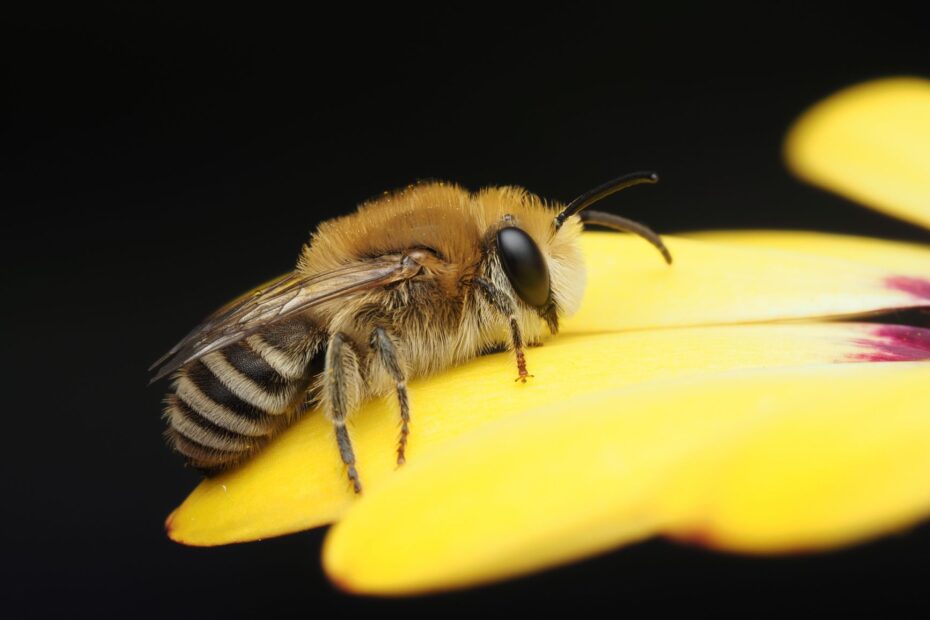
Cross-pollination needs a carrier or physical force. Bees such as Apis mellifera, birds, bats, wind, and water can move pollen between plants. Your maize crop relies on wind pollination, with tassels shedding pollen above the silk-bearing ears.
Some species reject their own pollen through self-incompatibility. That genetic system blocks pollen from the same plant or a close genetic match, pushing fertilization toward pollen from another compatible plant.
By preventing close matches, this barrier can reduce reproductive certainty while broadening the genetic pool.
Reliability and Genetic Diversity Create Trade-Offs
A lone plant benefits from selfing because seed production does not depend on a nearby mate. That advantage matters in a quiet backyard, greenhouse, or balcony where insect traffic is low.
Repeated selfing narrows genetic diversity. Closely related plants share more inherited traits, so drought, heat, or disease pressure can affect a uniform group in similar ways. Your saved seed may stay consistent, yet that consistency leaves fewer inherited responses under stress.
- Stable traits: Self-pollination keeps parent characteristics more consistent across generations.
- Solo reproduction: One plant can produce seed without incoming pollen from another plant.
- Broader variation: Cross-pollination mixes genes from separate parent plants.
- Stress response: Genetic diversity gives a plant population more possible responses to disease, heat, and drought.
- Variable seedlings: Crossed plants can produce offspring that differ from either parent.
Cross-pollination is not automatically better for your garden. It favors genetic diversity, while self-pollination favors reliable reproduction and steadier inherited traits.
Crop Examples Show a Range of Pollination Habits
Peas and many beans self-pollinate inside flowers where pollen sits close to the stigma. Insects still move pollen between plants at times, so your seed crop benefits from separation from a nearby variety.
Maize, squash, cucumbers, melons, many fruit trees, and brassicas rely far more on pollen from separate plants. Your maize patch needs multiple stalks close together so wind-blown pollen reaches the silks on each ear.
Monoecious plants such as squash carry separate male and female flowers on one plant. A female squash flower needs pollen moved from a male flower, usually by bees, before its small fruit can keep growing.
Hibiscus does not fit one fixed label. Some Hibiscus flowers self-pollinate under certain conditions, while insects can move pollen between separate hibiscus plants. Your hibiscus seedlings can show mixed parent traits after insect-carried crossing.
Garden Placement Affects Fruit Set and Seed Plans
Fruit production and seed saving are related but separate goals. A tomato can self-fertilize, yet buzzing bees shake loose pollen inside the flower and can improve fruit set. Your tomato plants still benefit from insect activity even though each flower contains both male and female parts.
Cross-pollinated crops need steady pollen movement during bloom. Plant several maize stalks rather than one, keep squash flowers open to insect access, and avoid placing compatible seed crops far apart.
- Identify the crop: Learn whether your crop relies on selfing, wind, or animal movement.
- Grow enough plants: Plant several maize stalks so pollen reaches more silks.
- Keep blooms open: Avoid barriers that block insect access to squash and cucumber flowers.
- Separate varieties: Use distance or staggered bloom periods for crops grown for seed.
- Watch flower timing: Male and female flowers must overlap for successful pollen transfer.
Your garden does not need bees for every crop. Still, flowering herbs and native blooms give pollinators food during the same growing season, which helps insect-pollinated plants receive more flower visits.
Those extra visits can improve fruit set, yet they also make uncontrolled crosses more likely in saved seed.
Seed Saving Reveals Why Pollen Source Matters
Seeds record the pollen that reached each ovule. The difference between self-pollination and cross-pollination matters most when you want seedlings that resemble a parent plant.
Open-pollinated peas and beans grown apart from similar varieties are more likely to produce familiar seedlings. Hybrid seeds work differently because their offspring can split into varied traits even without a new cross in your garden.
Cross-pollinated crops exchange traits readily across a neighborhood or growing plot. Isolation distance, separate bloom timing, and controlled hand-pollination help keep a variety true to type.
Your bagged squash flower needs hand-delivered pollen before you close it again. Insect visits after that point can introduce pollen from a separate squash plant and change the seed inside the developing fruit.
Save seed from healthy, vigorous plants that show traits you want to keep. Pollen control protects variety identity, while plant selection shapes the next generation.
Garden Choices Depend on Your Goal
Your goal should guide the method. Self-pollination suits a gardener seeking steady traits from an isolated crop, while cross-pollination suits a plant population where genetic diversity matters more than uniform seedlings.
The difference between self-pollination and cross-pollination is not a contest between a superior and inferior route. Match crop placement, pollinator habitat, and seed-saving practices to the way each species moves pollen.
FAQ
What is the difference between self-pollinating and cross-pollinating plants?
Self-pollinating plants use pollen from the same flower or the same plant. Cross-pollinating plants receive pollen from a separate compatible plant of the same species. Your crop’s pollen route affects fruit set, seed purity, and genetic diversity in future seedlings.
How does self-pollination happen within a flower or plant?
Self-pollination happens when pollen reaches a stigma in the same flower or another flower on the same plant. Anthers placed close to the stigma make this route easier. Your peas, beans, and tomatoes can self-pollinate through that flower structure.
How does cross-pollination occur between different plants?
Cross-pollination occurs when wind, insects, birds, bats, water, or hand movement carries pollen from one plant to another compatible plant. Your squash flowers depend heavily on insect visits, while maize depends on wind-blown pollen.
What are the advantages and disadvantages of cross-pollination?
Cross-pollination increases genetic diversity by mixing genes from separate plants. That diversity gives plant populations more inherited variation during disease, drought, or heat stress. Your seed crop can become less uniform, and poor pollen movement can reduce fruit or seed set.
What are examples of self-pollinating and cross-pollinating plants?
Peas, beans, and tomatoes are familiar self-pollinating crops. Maize, squash, cucumbers, melons, fruit trees, and brassicas depend far more on pollen from separate plants. Your crop may use both routes, depending on flower structure and pollen movement.
Can a plant use both self-pollination and cross-pollination?
A plant can use both routes. A tomato flower can self-pollinate, yet an insect can also move pollen between separate tomato plants. Your saved seed becomes less predictable where compatible varieties bloom nearby.