A worn guide bar quietly steals performance from even the best chainsaw, leaving you chasing sharp chains and wondering why cuts feel slow. Whether you fell a few cords of oak each fall or run timber for a living, the right Oregon bar turns a struggling saw into a tool you actually trust. This shortlist covers homeowner replacements, professional logging setups, and the chains that go with them.
How The Shortlist Stacks Up
PickWhy We Picked ItBest ForAction

Professional PickOregon 280RNDD009 Power Match Bar 28″
Replaceable sprocket nose for longevity
Big-timber and fire-line cutting
Heavy Duty PickOregon 423RNDD025 Power Match Bar 42″
Long reach with heavy-gauge steel
Big-timber and pulpwood pros

Performance LeaderOregon PowerCut Chain for 24″ Bar 84DL
Chrome-plated cutters stay sharper longer
Mid-size log and tree work

Workshop PickOregon 280RNDD176 Power Match Bar 28″
Wide mount compatibility across brands
Multi-saw shops and pro users
Beginner FriendlyOregon AdvanceCut Chain for 10″ Bar 40DL
Low-kickback geometry for safer cutting
Homeowners and light yard cleanup
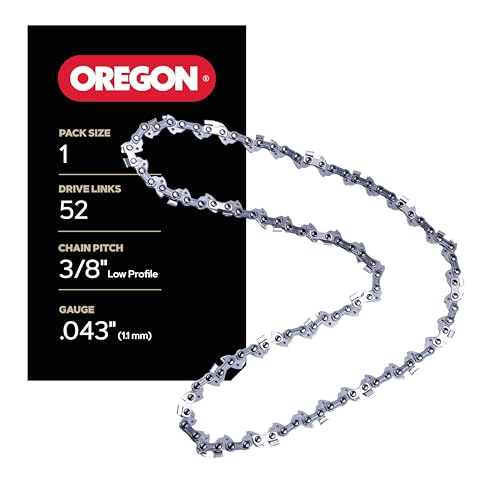
Garden ChoiceOregon Chainsaw Chain for 14″ Bar 52DL
Garden ChoiceOregon Chainsaw Chain for 14″ Bar 52DL
Low-profile fit for battery saws
Cordless 14-inch bar owners
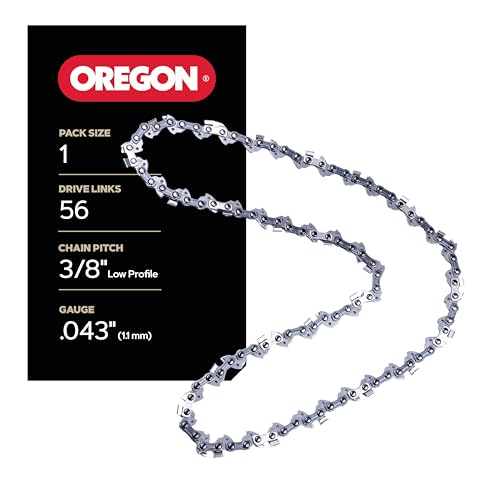
Daily DriverOregon Chainsaw Chain for 16″ Bar 56DL
Wide fit coverage for popular 16″ saws
Weekend property maintenance

Built To LastOregon 91VXL Chain for 16″ Bar 57DL
Extended cutter plates handle bigger engines
Small-to-mid homeowner saws

Outdoor ReadyOregon 72LPX Chain for 22″ Bar 81DL
Full chisel teeth for fast cutting
Property cleanup and firewood cutting
Premium PickOREGON 72LPX105G Super 70 Chisel Chain 105DL
Low-vibration chisel for long cuts
Professional woodcutters
Inside Each Recommended Option
When a 28-inch cut still feels short on big oak rounds, a bar with replaceable wear parts earns its keep. The Oregon 280RNDD009 uses a solid steel body aimed at pro woodcutters, with a sprocket nose you can swap out once the bearing wears. Pitch (the spacing between chain rivets, measured here at 3/8″) and gauge (the thickness of the drive links.050″) line up with common full-size chains.
Mount fit targets a long list of older saws from brands like Husqvarna, Makita, and Shindaiwa, so it’s a useful shop replacement if you rotate between machines. Compared to the homeowner-grade chains on this list, this is firmly a logging-class tool.
Points In Its Favor
- ✓Solid body design resists twisting under load.
- ✓Replaceable nose saves you from buying a whole bar when the bearing wears.
- ✓Mount pattern fits a wide spread of older professional saws.
- ✓28-inch length balances reach and control for limbing and bucking.
Points To Note
- •Requires careful match to your saw’s mount and clutch dimensions before ordering.
- •Heavier than laminated homeowner bars, which adds fatigue during overhead cuts.
Key Specs
| | Feature | Specification | Why It Matters |
|---|
| Bar Length | 28 in | Cuts larger-diameter rounds in fewer passes |
| Pitch | 3/8″ | Matches standard full-size professional chain |
| Gauge | .050″ | Common thickness for saws in this power class |
| Nose | Replaceable sprocket | Extends bar life and simplifies field repair |
Whose Trailer It Belongs On
Pro cutters and serious firewood producers running full-size saws.
A Better Fit Elsewhere
The Oregon 280RNDD176 Power Match Bar 28″ suits you better if your saw brand list skews toward Echo, John Deere, or Tanaka.
Forty-two inches of bar is serious business, and the Oregon 423RNDD025 leans into that role with a thicker .063″ gauge designed for high-tension chain work. It fits Still saws and the long-nose shape means the tip absorbs much of the wear before the body ever sees it.
The chrome-moly steel construction gives you the rigidity needed when plunging into big timber. If the 28-inch options above feel short on the property, this is the kind of bar a pulpwood cutter reaches for on a long day.
Positive Takeaways
- ✓Extra-long reach handles wide trees without working from both sides.
- ✓Thick gauge stands up to the heavy chain loads of large-displacement saws.
- ✓Long nose absorbs sawdust abrasion, protecting the body.
Trade Offs
- •Demands a powerful clutch and a seasoned operator to use safely.
- •Mount compatibility is narrow, limited to specific Still saw models.
- •Significantly heavier than shorter professional bars.
Made For
Big-timber professionals and pulpwood operators who need every inch of reach.
Look Elsewhere When
The Oregon 280RNDD009 Power Match Bar 28″ makes more sense on smaller mid-size saws where a 42-inch bar is overkill.
The PowerCut E84 chain is a 24-inch replacement built around the same 3/8″ pitch and .050″ gauge you’d find on a typical mid-size pro bar. With 84 drive links, it sits in the sweet spot for 50 to 70cc saws running 24-inch setups. The chrome-plated outer surface and hardened rivets aim at long service life rather than peak sharpness out of the box.
Compared to the homeowner chains lower on this list, the PowerCut line trades a bit of bite for durability. For most fall cleanup sessions and storm recovery work, that tradeoff usually pays off.
Benefits That Matter
- ✓Chrome outer layer resists corrosion between jobs.
- ✓Hardened rivets hold up to repeated tensioning.
- ✓84 drive links fit a common range of 24-inch bar models.
Honest Caveats
- •Out-of-box sharpness is decent rather than aggressive.
- •You should verify drive link count against your specific bar before ordering.
Best Suited To
Property owners and light commercial operators running 24-inch mid-size chainsaws.
Skip It When
The Oregon 72LPX Chain for 22″ Bar 81DL is a better match if your saw uses a 22-inch setup instead.
The 280RNDD176 shares its core dimensions with the 280RNDD009 reviewed earlier, but the mount list shifts toward different brand families. Echo, John Deere, McCulloch, and Tanaka saws all fall into its compatible range, making this a flexible shop replacement.
You get the same solid-body construction and replaceable nose, just tuned for a different set of mounts. If your operation rotates between several older saws, the wide compatibility can save you from stocking multiple bar SKUs.
Notable Upsides
- ✓Mount pattern supports an unusually broad range of mid-size pro saws.
- ✓Solid body construction holds rail geometry under hard cuts.
- ✓Replaceable sprocket nose limits the cost of long-term wear.
Things To Consider
- •Mount coverage doesn’t overlap perfectly with the 280RNDD009’s list.
- •Still a pro-grade bar, so heavier than typical homeowner replacements.
Who Should Grab It
Multi-saw shops and pros with mixed-brand fleets who want fewer bar SKUs on the shelf.
Reach For A Different Pick When
Stick with the Oregon 280RNDD009 Power Match Bar 28″ if your fleet runs Delmar, Husqvarna, or Makita saws instead.
The AdvanceCut chain targets the smallest end of the spectrum, a 10-inch bar with a low-profile 3/8″ LP pitch and a slim .043″ gauge. The low-kickback geometry keeps things calmer when you’re learning the feel of a new saw. Oregon’s LubriTec oiling system is built into the chain to help extend bar and chain life during light homeowner use.
For trimming small limbs and breaking down yard debris, this is a comfortable first replacement. The homeowner-focused design stands in clear contrast to the pro bars reviewed above.
A Few Strong Suits
- ✓Low-kickback design is forgiving for newer operators.
- ✓LubriTec oiling helps the chain and bar last longer under light use.
- ✓40 drive links fit many compact electric and gas saws.
Softer Spots
- •Not built for heavy limbing or thick hardwood rounds.
- •10-inch reach is short if you stack large firewood rounds.
Quick Facts
| | Feature | Specification | Why It Matters |
|---|
| Bar Length | 10 in | Sized for compact homeowner saws |
| Pitch | 3/8″ LP | Low-profile format common on smaller saws |
| Gauge | .043″ | Matches thin-kerf homeowner bars |
| Drive Links | 40 | Fits a range of 10-inch bar models |
Right Fit For
Homeowners and first-time chainsaw users handling light yard work.
Not Your Match When
The Oregon Chainsaw Chain for 14″ Bar 52DL suits you better if you need extra reach on a slightly larger homeowner saw.
Step up from the 10-inch chain and you land here, with a 14-inch bar, 52 drive links, and the same low-kickback geometry as the AdvanceCut. The 3/8″ LP pitch and .043″ gauge line up with many cordless and smaller-displacement gas saws from Echo, Husqvarna, and EGO.
Compared to the 10-inch option, you get four more inches of useful reach for limbing and small bucking cuts. You may find the battery life on a cordless saw becomes the limiting factor before the chain does.
Why It Works Well
- ✓Common spec combination fits many cordless homeowner saws.
- ✓Low-kickback cutters stay manageable for newer users.
- ✓14-inch reach handles small tree limbs with ease.
Small Caveats
- •Thin-kerf chain is less durable than full chisel pro chain.
- •Always confirm pitch, gauge, and link count match your bar.
Built With In Mind
Cordless and 14-inch homeowner chainsaw owners trimming around the yard.
Swap It Out When
The Oregon AdvanceCut Chain for 10″ Bar 40DL is the right pick if your bar is smaller and you only need light pruning reach.
The 16-inch 56-drive-link chain sits in one of the most common homeowner sizes, with a 3/8″ LP pitch and .043″ gauge. The fit list reads like a who’s-who of mid-size cordless and gas saws, including Poulan, Makita, Echo, EGO, and Greenworks models.
For weekend property maintenance, this chain length gives you enough reach to drop small trees and clean up branches in a single pass. Compared to the thinner homeowner chains, it pulls through slightly thicker wood without bogging as quickly.
Real Benefits
- ✓Fits an enormous spread of popular 16-inch saw models.
- ✓Low-kickback geometry is approachable for newer users.
- ✓16 inches handles typical property cleanup in fewer cuts.
Worth Bearing In Mind
- •Lower cutting speed than full chisel professional chain.
- •Always confirm drive link count against your specific bar before buying.
The Right Fit
Weekend property owners running 16-inch gas or battery saws.
Another Choice May Suit
The Oregon 91VXL Chain for 16″ Bar 57DL is worth a look if you need a slightly heavier gauge for tougher wood.
The 91VXL steps the gauge up to .050″ while keeping the low-profile 3/8″ pitch. The “X” grind-enhanced geometry boosts out-of-box sharpness, and the cutter top plates run roughly a third longer than standard 91 cutters. Recommended saw size tops out around 42cc with bars up to 18 inches.
The honest read is that this chain cuts faster in clean wood but also generates more bite and feedback in dirty conditions. For homeowners with cleaner stands of softwood, that tradeoff works well.
Useful Strengths
- ✓Enhanced grind geometry cuts cleanly straight from the package.
- ✓Longer cutter plates hold an edge through more cuts.
- ✓.050″ gauge stands up to small mid-size homeowner saws.
Minor Gripes
- •Reduced clearance raises kickback potential compared to standard homeowner chain.
- •Not ideal for very small electric saws that expect .043″ gauge.
At A Glance
| | Feature | Specification | Why It Matters |
|---|
| Bar Length Fit | Up to 18 in | Covers common 16-inch homeowner setups |
| Pitch | 3/8″ LP | Matches low-profile bar systems |
| Gauge | .050″ | Slightly thicker kerf for added durability |
| Recommended Saw | Up to 42cc | Pairs well with mid-size homeowner engines |
Perfect Match For
Homeowners with mid-size gas saws who want faster, cleaner cuts in softwood.
Consider Something Else When
The Oregon Chainsaw Chain for 16″ Bar 56DL is the calmer option for newer operators prioritizing low kickback.
The 72LPX chain enters full chisel territory with 3/8″ pitch.050″ gauge, and 81 drive links sized for 22-inch bars. The X grind geometry delivers fast, aggressive cuts in clean wood, and blued cutters add a layer of corrosion resistance for storage in damp sheds.
Recommended saw size runs from 50 to 100cc, putting this firmly in pro firewood and land-clearing territory. If the 16-inch homeowner chains reviewed above feel tame, the 72LPX brings back bite.
Everyday Advantages
- ✓Full chisel cutters slice quickly through clean softwood and hardwood.
- ✓Blued finish protects the chain during off-season storage.
- ✓Sized for the popular 50 to 100cc pro saw class.
Potential Sticking Points
- •Full chisel geometry increases kickback risk for casual users.
- •Needs a properly tuned filing routine to stay sharp.
Who Will Love This
Property owners and firewood cutters running 50cc+ pro-grade chainsaws.
Where Another Pick Shines
The Oregon 91VXL Chain for 16″ Bar 57DL is the calmer, lower-kickback pick for smaller homeowner engines.
The 72LPX105G rounds out the list at the longest practical homeowner and pro crossover size, a 32-inch class chain with 105 drive links, 3/8″ pitch, and full chisel cutters. Low-vibration design and offset depth gauges work together to keep cuts smooth and clean.
Compared to the 22-inch 72LPX reviewed above, the longer link count adds reach for big felling work. The Super 70 chisel format trades a bit of forgiveness for raw cutting speed.
Noteworthy Benefits
- ✓Long 105-link chain suits 32-inch bars for larger timber.
- ✓Offset depth gauges keep the cutter from grabbing the sidewall.
- ✓Low-vibration chisel design reduces operator fatigue on long days.
Honest Caveats
- •Full chisel cutters demand respect and good filing discipline.
- •Long bar plus chain adds weight that smaller saws can’t safely drive.
Feature Snapshot
| | Feature | Specification | Why It Matters |
|---|
| Drive Links | 105 | Fits long 32-inch bars |
| Pitch | 3/8″ | Standard for professional saw chain |
| Cutter Style | Full chisel, Super 70 | Faster cuts in clean wood |
| Depth Gauge | Offset | Reduces sidewall grab during cuts |
Right Fit For
Professional woodcutters running large-displacement saws with long bars.
Reach For A Different Pick When
The Oregon 72LPX Chain for 22″ Bar 81DL fits better if your bar tops out at 22 inches.
What To Match Before You Buy An Oregon Bar Or Chain
Pitch and gauge are the two numbers that absolutely must match your saw and existing bar. Pitch refers to the spacing between any three consecutive rivets divided by two, and gauge is the thickness of the drive links where they sit in the bar’s groove. Get either wrong and the chain won’t fit or will ride too loose in the rails. Bar length matters too: a bar longer than the manufacturer recommends can overwork the engine and stress the clutch.
Drive link count is the number you see most often when replacing chain. Counting links on the old chain takes a few minutes but saves you the headache of a chain that’s five links too short to wrap the bar. Compatibility lists on product pages are useful shortcuts, but treat them as starting points rather than gospel. Confirm by checking the saw’s manual against the bar or chain you’re about to order.
Mount pattern is critical when buying a bar rather than just a chain. Pro Power Match bars often fit a long brand list but each mount is specific to a clutch cover design. Take a minute to compare the mount’s cutout shape and bolt spacing to your saw before clicking through.
Finally, think honestly about the wood you cut. Clean softwood and limbing favor fast full chisel cutters, while dirty wood, nail hazards, or frequent homeowner use call for low-kickback, low-vibration chain. The most aggressive chain on the shelf is rarely the best chain for the job.
Key Considerations Across These Picks
Pitfalls Shoppers Hit
The most common mistake here is assuming pitch and gauge are interchangeable across brands. A 3/8″ full-pitch chain is not the same as a 3/8″ low-profile chain, and a .050″ gauge won’t fit a bar cut for .058″ or .063″. Measure twice, match carefully.
Another trap is overestimating your bar needs. A 32-inch bar on a 50cc saw can stall the engine and shorten clutch life. You may find the sweet spot is one or two sizes shorter than the longest bar your saw technically accepts.
Where The Extra Money Goes
Pro Power Match bars cost more because they use solid steel bodies, replaceable nose sprockets, and tighter quality control on rail flatness. The upgrade pays off in shops and logging crews that depend on consistent cuts day after day, where downtime from a bent bar is expensive.
Full chisel chain costs more than low-profile homeowner chain for similar reasons: harder cutter steel, sharper grind geometry, and tighter rivet tolerance. For occasional yard use, that money rarely justifies itself, but for firewood or land clearing, the extra cut speed compounds across many hours of work.
Frequently Asked Questions
QHow do I know which Oregon bar fits my chainsaw?
Match pitch, gauge, bar length, and mount pattern to your saw’s specifications in the owner’s manual. The drive link count on the chain must also align with the bar’s length.
QWhat is the difference between .050″ and .063″ gauge?
The gauge is the thickness of the drive links where they ride in the bar’s groove. A thicker gauge chain is stronger but requires a bar cut for that exact width.
QAre Power Match bars better than standard bars?
Power Match bars use solid steel bodies and replaceable noses aimed at professional use. Standard laminated bars are lighter and cheaper for homeowner tasks.
QCan I use full chisel chain on a homeowner saw?
It depends on the saw size and your comfort level. Full chisel chain cuts faster but generates more kickback, so it suits experienced operators with appropriately powered saws.
QHow often should I replace my chainsaw bar?
Replace the bar when the rails are worn unevenly, the nose is damaged beyond cleaning, or the groove stretches past the drive link tangs. Rotating the bar between two or three chains extends its life.
The Takeaway
Oregon bars and chains cover an enormous spread of homeowner and professional use cases, from a 10-inch homeowner chain up to a 42-inch logging bar. The right pick depends on matching pitch, gauge, drive link count, and mount pattern to your saw, then weighing cut speed against kickback safety. Pick the closest match for your engine size and the wood you actually cut, and the rest tends to take care of itself.