A good organic potting soil does the quiet work behind every healthy container: holding moisture without going soggy, feeding roots steadily, and giving seedlings a soft landing. With so many blends claiming “organic” on the label, picking the right one usually comes down to where you’ll use it (indoor windowsill versus patio planter), how much bag weight you actually want to haul, and whether you’d rather feed with a built-in fertilizer or mix in your own. This list walks through nine options that handle those decisions differently, so you can match a bag to your real setup rather than guess from the front of the package.
A Side-By-Side Look

Organic Plant Magic Potting Soil + Soluble Plant Food

Compressed Organic Potting Soil 4x Expansion Coconut Coir

Miracle-Gro Organic Indoor Potting Mix, 16 qt.

Miracle-Gro Organic Outdoor Potting Mix, 16 qt.

Miracle-Gro Organic Indoor Potting Mix, 8 qt. (2-Pack)

Organic Plant Magic Compressed Soil + Slow Release Granular

Compressed Organic Potting Soil Two 2 lb Bags
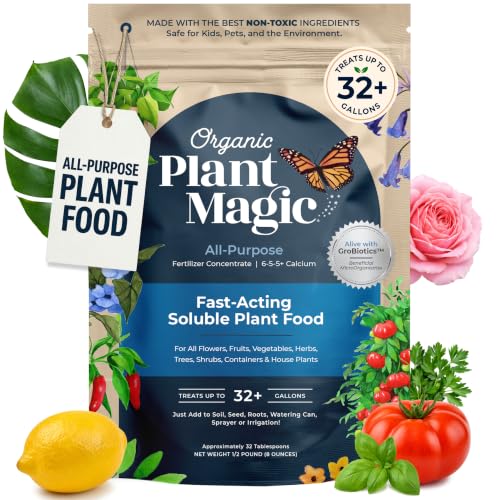
Organic Plant Magic Fertilizer & Plant Food 1/2 lb

Miracle-Gro 3 Pack Organic Raised Bed and Garden Soil
A Breakdown Of The Leading Choices
If you like the idea of buying soil and feed from the same brand without sorting through two separate bags, this bundle pairs a compressed soil block with a soluble fertilizer concentrate. The dry soil granules expand up to four times their size when you add water, producing roughly three gallons of finished planting medium, so a small closet shelf can hold what would otherwise fill a large planter.
For a balcony herb garden or a tray of vegetable starts, the built-in fertilizer cuts out the second guessing of “did I feed them this week?” The water-soluble concentrate treats a generous footprint and mixes into more than sixty gallons of liquid feed, which is more than most casual gardeners will burn through in a full season.
A Few Strong Suits
- Compressed format makes it easy to store a season’s worth of soil in a drawer or shelf
- Soil holds moisture roughly three times longer than typical dry mixes, easing the watering workload
- Soluble feed treats a wide area, covering seed trays, containers, and small beds from one bag
- Single-brand pairing removes the chemistry guesswork of matching an organic soil with a separate fertilizer
Things To Consider
- You will need a bucket and stirring time to hydrate the granules before potting
- Owners commonly report a faint earthy smell during the initial hydration that fades once the mix settles
Made For
Balcony gardeners and seed-starters who want one bundle that handles both soil and feeding without separate research.
Consider Something Else When
Large raised beds will outgrow the three-gallon expansion quickly, so the Miracle-Gro 3 Pack Organic Raised Bed and Garden Soil is a more practical fit for that scale.
Compressed coconut coir (the fibrous husk material that holds water like a sponge) is the backbone here, blended with worm castings for slow nutrient release. A small brick-style bag that you can tuck behind a row of pots produces about three gallons of finished soil once hydrated, which is genuinely useful when apartment storage space matters.
The resealable bag makes it easy to portion out what you need and tuck the rest away for next month. For indoor tropicals, patio containers, or a windowsill herb row, the lightweight texture gives roots room to spread without the heaviness of a peat-heavy mix.
The Case For It
- Compressed format is far lighter to carry home than a bulky traditional bag
- Coir base resists compaction, keeping air pockets alive around root systems
- Worm castings deliver a gentle, organic nutrient release without synthetic additives
Worth Noting
- Coir on its own holds water differently than peat, so you may need to adjust your watering rhythm
- The expansion ratio is impressive on paper, but you still need to do the bucket work to get there
- Large outdoor beds will drain this lighter mix faster than denser blends
Right Fit For
Apartment plant owners with limited closet space and a handful of mid-size containers to refresh each season.
A Better Fit Elsewhere
Anyone filling a deep raised bed should reach for the Miracle-Gro 3 Pack Organic Raised Bed and Garden Soil instead, since cubic-foot volume matters more there than compact storage.
This is the bag most people picture when they think of a Miracle-Gro organic blend, and the formulation is built around the specific headaches of indoor containers. The mix pulls together coconut coir for airflow, sphagnum peat moss for steady water release, and a quick-start natural fertilizer that gets roots moving the moment you repot.
Compared with the compressed options earlier in this list, you skip the hydration step entirely: open the bag, fill the pot, and you’re done. For a shelf of philodendrons, a fiddle-leaf fig that always seems to protest, or a collection of smaller houseplants, the moisture-buffering design forgives the irregular watering schedules that come with busy weeks.
What Pays Off
- Coir plus peat moss keeps the root zone from swinging between bone-dry and waterlogged
- Quick-start natural fertilizer cuts the post-replant slump many houseplants go through
- Sixteen-quart volume covers a moderate collection of medium pots without constant restocking
- Ready to use straight from the bag, so no prep work stands between you and repotting day
Trade Offs
- Bags that size are awkward to haul up stairwells and store in small closets
- Designed for indoor use, so outdoor planters exposed to rain may stay too wet
Quick Facts
Who It Suits Best
Houseplant owners juggling a full collection and irregular schedules who want a forgiving, ready-to-use blend.
Where Another Pick Suits Better
If you only own a few small pots, the lighter 8-quart two-pack version is easier to handle and less likely to dry out in storage before you finish it.
The outdoor sibling of the indoor mix, this blend is built for patio planters, deck containers, and window boxes where rain, sun, and wind change the moisture game. It carries a quick-release natural fertilizer at planting time plus a sustained feed that lasts up to two months, so freshly potted annuals get a running start.
The peat in this mix comes from certified producers, which matters if sourcing is part of your decision. For a single large container of tomatoes, a row of flowering annuals along a railing, or a pair of substantial patio planters, the sixteen-quart volume is a sensible middle ground between the small indoor bag and the bulk raised-bed option later in this list.
Everyday Perks
- Up to two months of built-in feeding reduces how often you have to remember the fertilizer bottle
- Formulation tolerates outdoor moisture swings better than indoor-focused blends
- Certified peat sourcing answers concerns about ingredient transparency
Points To Note
- Smaller patio projects may not need the full sixteen quarts before the bag loses freshness
- Outdoor use means rain can leach nutrients faster than the label suggests, depending on your climate
Best Suited To
Patio and deck gardeners who repot annuals and vegetables every season and want fewer feedings to keep track of.
Not Your Match When
You are filling a deep raised bed, where the Miracle-Gro 3 Pack Organic Raised Bed and Garden Soil delivers cubic-foot volume that this sixteen-quart bag simply cannot match.
Same moisture-buffering formula as the larger sixteen-quart bag, but split into two smaller eight-quart bags. For someone new to houseplants, that split is the practical difference between finishing a bag while it is still fresh and watching the second half dry out in a closet for six months.
The mix uses coir and sphagnum peat moss to soften the blow of inconsistent watering, which is the most common early mistake in indoor gardening. If you tend to overwater one week and forget the next, the design buys you a buffer that pure garden soil simply does not.
What Earns Its Place
- Two-bag split keeps opened mix usable longer, reducing waste from stale soil
- Moisture regulation helps new plant owners recover from common watering mistakes
- Smaller bags are easier to carry up stairs or stash in tight storage
Some Limits To Know
- Smaller individual bags mean more plastic packaging relative to soil volume
- Eight quarts covers only a handful of small-to-medium repottings
Who Will Love This
First-time indoor gardeners building a small collection who want manageable bag sizes as they learn.
Look Elsewhere When
Your shelf already holds a dozen mature plants; the sixteen-quart single bag saves repackaging and shelf turnover for that scale.
This bundle flips the script from the first Organic Plant Magic entry: instead of a soluble feed you mix with water, the partner product here is a slow-release granular fertilizer. You hydrate the compressed soil once at planting, then scatter the granules across the surface for a longer feeding window.
The granules cover roughly a thousand square feet, which is well beyond a patio but reasonable for a community garden plot or a generous backyard bed. If you would rather feed once at the start of the season and trust the slow release to do the rest, this pairing takes the weekly liquid feed off your calendar.
Features That Help
- Slow-release granules reduce the frequency of supplemental feeding through the season
- Wide coverage area makes the bundle practical for larger garden beds, not just containers
- Compressed soil still saves storage space before you hydrate
Honest Caveats
- Slow-release feeding requires patience; quick green-up responses typical of soluble feeds take longer to show
- Granules need to be worked into the top layer of soil, so top-dressing containers takes an extra step
- The full bundle is more product than a small patio setup actually needs
Feature Snapshot
Perfect Match For
Backyard gardeners managing a sizable bed who prefer set-it-and-forget-it feeding over weekly liquid routines.
Swap It Out When
A small balcony container setup will barely scratch the granular coverage; the soluble-feed bundle earlier in this list fits that scale better.
Two compact two-pound bags of compressed organic soil, formulated with worm castings and positioned as safe for households with curious kids and pets. The smaller individual bags make it easier to portion out exactly what you need without leaving an open half-bag attracting the wrong kind of attention from a digging cat.
You still get the four-times expansion that makes compressed soil appealing, so each bag produces roughly three gallons of finished planting medium once hydrated. For a window box of herbs, a small vegetable patch, or scattered indoor pots, the format fits casual routines without overcommitting to bulk.
Notable Upsides
- Smaller bag size is easier to lift and store than the larger alternatives on this list
- Formulated with safety in mind for households where pets or toddlers investigate everything
- Worm castings deliver a steady, organic nutrient profile without synthetic additives
Details To Watch
- Two-bag format costs more per gallon of finished soil than larger compressed options
- You will still need a mixing container and patience to hydrate the granules fully
Built With In Mind
Pet owners and parents who want peace of mind about the soil going into containers a curious nose might investigate.
Reach For A Different Pick When
You are repotting a large patio planter and want the most finished soil per dollar; the Miracle-Gro Organic Outdoor Potting Mix delivers more volume without the hydration step.
Not a soil at all, but a complementary pick: a half-pound bag of water-soluble organic concentrate that makes more than thirty gallons of liquid feed. One product covers indoor houseplants, outdoor vegetables, herbs, flowers, and trees, which is genuinely useful if your feeding routine already jumps between windowsills and a backyard bed.
If you already own a soil you like and just need a single, dependable feed to keep everything going, this concentrate keeps the shelf uncluttered. The concentrate format also lets you adjust strength by diluting more or less, which is handy when seedlings need a gentler dose than established patio planters.
Positive Takeaways
- One product handles indoor and outdoor feeding routines, simplifying the shelf
- Concentrate format yields over thirty gallons of liquid feed from a small bag
- Dilutable strength lets you match the dose to seedlings versus mature plants
A Few Limitations
- Requires a watering can or spray bottle for application, adding a step granular feeds skip
- Does not replace soil; you still need a separate bag to repot or fill containers
- Concentrate needs dry storage to avoid clumping over time
Quick Technical Notes
The Right Fit
Gardeners who already have their soil dialed in and want a single, flexible organic feed to cover every plant on the property.
Where A Sibling Pick Shines
If you would rather have soil and feed arrive in the same package, the first Organic Plant Magic bundle in this list pairs both, so you are not ordering two shipments.
Three one-cubic-foot bags designed specifically for raised beds and in-ground gardens, which is a fundamentally different scale than anything else on this list. A single raised bed frame swallows more soil than most indoor collections use in a year, so the volume math matters here.
A quick-release natural fertilizer feeds plants for up to two months from planting, which lines up nicely with the early growth phase when vegetables push hardest. For anyone filling a new bed, refreshing an old one, or establishing a row of herbs, this is the bag format that actually matches the workload.
Where It Helps
- Cubic-foot bags deliver the volume raised beds actually need without constant repurchase
- Quick-release fertilizer at planting time supports the early growth phase for hungry vegetables
- Three-bundle format lets you stage deliveries if a full order would overwhelm your garage
Factors To Consider
- Bags at this size are heavy and awkward, so you will want a vehicle and a helper at delivery
- Three-pack format is overkill for a small patio project, leaving you with leftover soil to store
Feature Rundown
Whose Shelf It Belongs On
Vegetable gardeners with raised bed frames who need cubic-foot volume rather than quart-size bags.
Skip It When
You only manage a few patio containers, where the smaller Miracle-Gro Organic Outdoor Potting Mix covers your needs without surplus to store.
What Matters Most Before Choosing miracle gro organic choice potting soils
Match The Format To Your Watering Habits
If your schedule tends toward feast-or-famine watering, blends built around coir and sphagnum peat moss (the indoor Miracle-Gro options) forgive those gaps by holding and releasing moisture gradually. Compressed coconut coir mixes behave similarly but require a one-time hydration step before they go into the pot. If you water religiously and prefer lighter mixes that drain fast, the worm-casting compressed options give you a fluffier texture without the same moisture buffer.
Decide Between All-In-One Versus Separate Soil And Feed
Bundle products like the first two Organic Plant Magic entries pair soil with a matching fertilizer, which removes the chemistry guesswork for newer gardeners. Separate purchases let you dial each input independently, which experienced gardeners often prefer. For a single container or a small indoor collection, all-in-one saves trips and storage space; for a varied property, separate inputs let you match feed strength to plant type.
Volume Drives Logistics More Than Choice
A quart-size bag fits in a closet; a cubic-foot bag requires a car and ideally a second pair of hands. Honest volume planning matters more than people expect, because unused soil stored past its window loses texture and attracts fungus gnats. For most indoor collections, the sixteen-quart and eight-quart formats are plenty; for raised beds, the cubic-foot three-pack is the realistic scale.
Indoor Versus Outdoor Blends Are Not Interchangeable
Indoor mixes assume you control the water and the drainage. Outdoor blends assume rain, wind, and larger root zones. Using the indoor bag in a patio planter exposed to summer storms can leave roots waterlogged, and using the outdoor bag indoors often dries out faster than houseplants tolerate.
Key Considerations Across These Picks
Pitfalls Shoppers Hit
A common slip is grabbing any bag labeled “organic” without checking whether it is sized for indoor or outdoor use, then watching a patio planter stay soggy through a wet week. Another is buying cubic-foot bags for a small container collection, only to discover there is nowhere dry to store the leftovers. Reading the moisture-buffering ingredients and the intended-use line on the bag saves both plants and shelf space.
Where The Extra Money Goes
Premium blends in this category tend to invest in ingredient sourcing, certified peat, and a broader mineral profile rather than just bag weight. The indoor Miracle-Gro mixes, for example, combine coir, sphagnum peat moss, and a quick-start natural fertilizer, which costs more to formulate than a single-ingredient compressed brick. If your plants are sensitive to inconsistent watering or you grow edibles you intend to eat, the upgraded formulation pays off in steadier results and fewer rescue interventions.