A good pair of long gardening gloves saves your forearms from thorns, splinters, and scratchy brambles when you reach into rose beds or berry bushes. Standard wrist-length gloves handle everyday weeding, but taller cuffs matter when you’re pruning, clearing brush, or working around anything prickly. This list rounds up four solid options covering kids, casual gardeners, dexterity-focused users, and heavy-duty leather fans.
A Side-By-Side Look

Vgo… 2-Pairs Age 7-9 Kids Garden Gloves (Bamboo Fibre)

HTR Gardening Gloves for Women (Medium)

Wells Lamont Women’s Botanical Print Slip-On Gloves (Large)
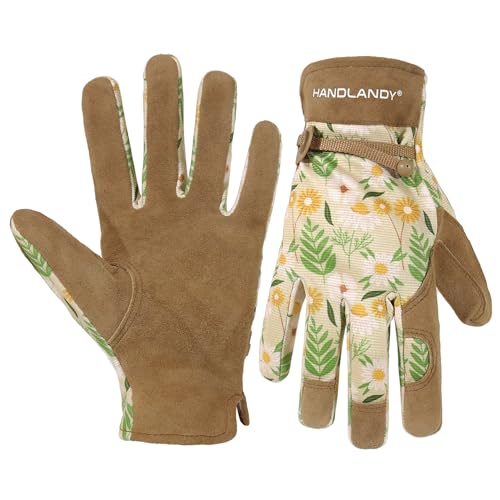
HANDLANDY Leather Garden Gloves for Women
The Details Behind The Selections
Getting kids into the garden works better when their hands stay comfortable. These toddler-sized gloves use a bamboo fiber knit liner, which means the fabric breathes and absorbs sweat during longer play sessions outside. The seamless knit construction (where the yarn is knit as one continuous tube with no stitched seam) sits close to the skin, so smaller hands don’t fight extra fabric when gripping a trowel or pulling weeds.
Designed for ages 7 to 9, the set includes two pairs in size XS, handy when one set is in the wash or lost under a flowerpot. The rubber-coated palm adds grip for handling damp soil or smooth garden tools. Parents get a glove sized for actual kid hands rather than a too-large adult pair that slides around.
Everyday Wins
- Bamboo fiber liner manages moisture on warm afternoons.
- Two pairs per pack means a spare is always ready.
- Rubber palm gives little hands better hold on tools and pots.
- Breathable knit reduces sweaty palms during longer play.
- Kid-specific sizing fits smaller hands more securely than adult gloves.
Things To Consider
- Light-duty build means these won’t hold up to heavy thorn contact.
- The knit fabric may snag on rough bark or splintery wood.
Who It Suits Best
Families with children ages 7 to 9 who want their kids involved in light yard work, potting plants, and outdoor play without adult-sized gloves slipping off.
Where Another Pick Suits Better
For adult hands tackling thorny rose pruning, the HANDLANDY Leather Garden Gloves offer heavier protection suited to rougher jobs.
Casual gardeners usually want something breathable they can slip on for an hour of weeding. These medium-size gloves use a seamless knit polyester liner (a synthetic fabric knit as one tube without bulky seams) that keeps hands cool and reduces fatigue during longer sessions. The lightweight feel matters when you’re pulling weeds for an hour or repotting containers on the patio.
The latex foam coated palm (a thin layer of foamed natural rubber on the grip side) adds real holding power on trowels, pruners, and damp flower pots. Compared to the kid-focused Vgo pick earlier, this is built for adult hands handling more demanding grip work. Foam latex stays flexible while still giving you traction on slippery handles.
Benefits That Matter
- Latex foam palm grips tools securely, even when wet.
- Breathable knit keeps hands cooler during warm-weather sessions.
- Lightweight construction reduces hand tiredness over longer chores.
- Flexible coating preserves finger movement for seed work.
Trade Offs
- Latex foam offers limited protection against sharp thorns.
- Knit back may collect dirt and need occasional hand washing.
- Less durable than heavier leather or synthetic leather options.
Feature Snapshot
Right Fit For
Casual gardeners handling weeding, planting, and light yard cleanup who prioritize breathability and grip over heavy thorn protection.
Look Elsewhere When
You need serious abrasion resistance for rough pruning, in which case the Wells Lamont Synthetic Leather Gloves are a stronger choice.
Fiddly garden tasks call for dexterity, and these large-size gloves aim to keep the protection without sacrificing finger control. The synthetic leather palm (a man-made material engineered to mimic the durability of real leather) resists abrasion, punctures, and tearing, so gripping rough stems or handling prickly plants won’t wear through the glove quickly. A stretch spandex back (a flexible synthetic fabric) lets the glove move with your hand rather than fighting it.
The botanical print is a small touch, but it makes the gloves easier to spot when you set them down among greenery. Compared to the lighter HTR pair reviewed earlier, this one leans into tougher jobs without becoming bulky. Slip-on styling means no straps to fuss with, and the elastic wrap-around wrist helps block debris from dropping into the glove while you work.
What Stands Out
- Synthetic leather palm handles rough surfaces and thorny stems.
- Stretch spandex back supports finger dexterity for detail work.
- Slip-on cuff speeds up on-and-off during quick garden stops.
- Reinforced fingertips extend glove life under repeated use.
- Lightly padded palm softens pressure when gripping pruners.
Points To Note
- Synthetic leather can stiffen after repeated wet-dry cycles.
- Less insulation than full leather options in cold weather.
Best Suited To
Gardeners juggling tool work, light pruning, and container planting who want a balance of dexterity and durable palm protection.
Swap It Out When
Your work involves heavy thorns or rose canes, where the HANDLANDY Leather Garden Gloves provide more robust coverage.
Real leather brings real protection, and these gloves target gardeners who deal with thorny rose bushes, bramble patches, and rough pruning. Genuine leather palms and fingers create a tough barrier against sharp stems, so you can reach into dense growth without constant prick anxiety. The natural material also softens over time and conforms to your hand shape with regular use.
For gardeners handling berry bushes, roses, or landscaping work with rough woody material, this is the step up from the synthetic-coated options reviewed above. The styling leans toward a gift-friendly build, which makes them a practical present for the gardener in your life. Expect them to feel a bit stiff out of the package before breaking in.
Positive Takeaways
- Genuine leather palms block thorns and sharp woody stems.
- Durable build holds up to repeated heavy pruning sessions.
- Material softens and conforms to hand shape over time.
- Stylish enough to gift to a dedicated gardener.
Honest Caveats
- Leather requires occasional conditioning to prevent drying and cracking.
- Stiffer feel before break-in reduces fine dexterity at first.
- Not ideal for wet-soil work since leather absorbs moisture.
Quick Facts
Made For
Gardeners tackling rose pruning, berry bush trimming, and other thorny work who need tougher forearm and hand coverage.
Consider Something Else When
You mainly do light weeding or seedling work, where the more breathable HTR Gloves serve better.
Choosing The Right Fit For Your Garden Work
Long gardening gloves vary more than people expect, and the right pick depends on what your yard actually throws at you. Start by mapping your typical tasks: light weeding and container planting have different glove demands than wrestling with overgrown rose canes or clearing thorny brush. Matching the glove to the job protects both your hands and the gloves themselves, since using lightweight knit gloves for thorn work wears them out fast.
Cuff length matters when you’re reaching into dense beds. Taller cuffs shield your wrists and lower forearms from scratches, especially around roses, holly, or berry bushes. Shorter cuffs breathe better and feel less restrictive during quick chores, so weigh protection against comfort based on your most common projects.
Material choice is the biggest dividing line. Knit liners with latex foam coatings (like the HTR pair) stay flexible and grippy but offer limited thorn defense. Synthetic leather (Wells Lamont) balances dexterity and durability for medium-duty work. Full genuine leather (HANDLANDY) brings the heaviest barrier but needs care and breaks in over time. Sizing matters too: gloves that run small crush your fingers, while oversized pairs slip and reduce control. When in doubt, check the sizing chart and measure your hand length from the base of the palm to the tip of the middle finger.
What To Weigh Before You Buy
Common Shopping Slip Ups
Shoppers often grab the cheapest pair and expect them to cover thorn pruning, only to watch the knit fabric snag on the first cane. Match glove strength to your toughest regular chore, not your easiest one. Another miss is ignoring cuff length: standard wrist cuffs leave forearms exposed when reaching into rose beds or berry bushes. Taller gauntlet-style cuffs solve that problem.
Where The Extra Money Goes
Premium leather gloves cost more because the material genuinely blocks thorns and outlasts coated knits through seasons of heavy use. Reinforced fingertips, padded palms, and structured cuffs all add durability where cheaper gloves tend to wear through first. Spending up makes sense for gardeners facing weekly thorn exposure, while casual planters do fine with lighter, breathable options.
Frequently Asked Questions
What makes gardening gloves “long”? Long gardening gloves feature extended cuffs that cover the wrist and often part of the forearm, protecting skin from scratches when reaching into thorny or dense plant growth.
Are leather gloves better than coated knit gloves? Leather offers stronger thorn and abrasion resistance but less breathability and more break-in time. Coated knit gloves breathe better and grip well but wear through faster under heavy thorn contact.
Can kids use adult gardening gloves? Adult gloves usually run too large for children and slip during use, reducing grip and increasing accident risk. Kid-sized gloves like the Vgo pair provide a safer, more controlled fit for smaller hands.
How do you clean gardening gloves? Coated knit gloves typically rinse under running water and air-dry. Leather gloves need surface wiping and occasional leather conditioner to prevent drying and cracking.
Do long gloves reduce dexterity? Longer cuffs add a bit of bulk around the wrist, but finger dexterity depends mostly on the palm material. Synthetic leather and knit-coated gloves preserve fine finger movement better than heavy full-leather options.
Wrap Up
The right long gardening gloves depend on the kind of work you do most. Light weeding and container planting favor breathable knit-coated options, while rose pruning and bramble clearing demand leather or reinforced synthetic leather. For families gardening with kids, a smaller-sized glove set keeps little hands involved safely. Match the glove to your toughest regular chore, and your hands will thank you every weekend.