A dull mower blade tears grass instead of slicing it, leaving brown tips that invite disease and slow recovery. Anyone maintaining a yard through a full season needs a reliable way to restore that edge without hauling the deck to a shop. The six picks below cover the sharpening side, the balancing step that keeps vibration in check, and the lift setup that makes access safe and easy.
A Quick View Of The Lineup

Work Sharp Ken Onion Knife Sharpener Tool
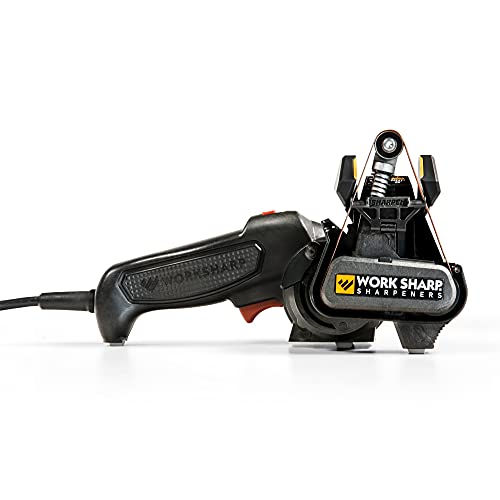
Work Sharp MK2 Electric Knife Sharpener
MoJack HDL500 Hydraulic Lift Jack

Lawn Mower Blade Sharpener with Balancer

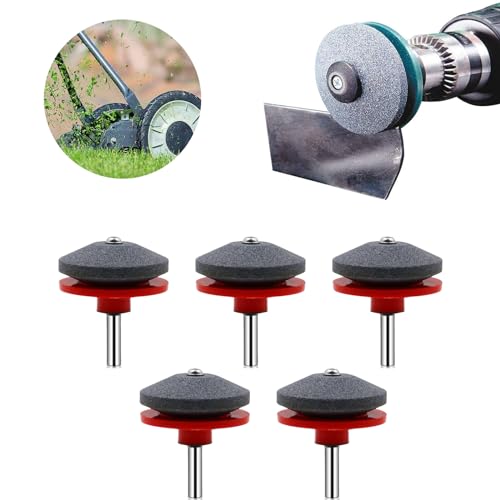
Surlveia Double Layer Corundum Blade Sharpener
Taking A Closer Look At The Options
Designed in partnership with knife-maker Ken Onion, this adjustable sharpener targets people who care about precise edge geometry on every blade they own. The flexible abrasive belts conform to the cutting edge, letting you dial in the angle for kitchen knives, scissors, and serrated tools without swapping jigs.
For lawn mower work, it doubles as a finishing tool once heavier grinding is done, especially on smaller push-mower blades. The motor and belt cassette sit in a compact benchtop frame, so storage in a garage or shed is straightforward.
Strong Points
- Adjustable angle settings cover straight, serrated, and curved edges in one unit
- Belt system conforms to the blade, reducing flat spots on hardened steel
- Compact footprint fits a crowded workbench or shelf in a small garage
- Designed alongside a respected knife designer, lending credibility to edge geometry
Things To Consider
- Best for finishing mower blades rather than heavy stock removal on thick commercial decks
- Belt replacements are an ongoing ownership cost worth budgeting for
- Requires a stable bench surface, which some shed setups may lack
At A Glance
Built With In Mind
Homeowners who sharpen kitchen knives and mower blades with equal care and want one tool that handles both jobs well.
Consider Something Else When
You mainly service heavy zero-turn decks, where the MoJack HDL500 paired with a more aggressive grinder handles thick blades faster.
The MK2 picks up where the original left off, adding adjustable speed and longer abrasive belts for repeatable results on a wider range of steel. The flexible belts wrap around the edge, so you can move from a kitchen paring knife to a lawn mower blade to a hatchet without retooling the whole setup.
Two speed settings let you slow down for heat-sensitive tool steels and speed up for grinding a dull mower edge back into shape. For people who sharpen frequently, the repeatability is the real selling point.
The Helpful Details
- Two-speed motor balances material removal with heat control
- Longer belt span supports garden tools and short axes alongside knives
- Repeatable edge geometry once you lock in your preferred angle
- Works on outdoor tools, kitchen knives, and pocket blades in one session
Trade Offs
- Holds a dedicated spot on the bench, so portable storage is limited
- Initial learning curve to find the right angle for each blade type
Right Fit For
Property owners who maintain multiple blade types, from garden shears to mower decks, and want one machine for the lot.
Skip It When
You only need a quick touch-up for one or two mower blades per season, where a simple drill-mounted sharpener gets the job done faster.
Sharpening a mower blade means getting under the deck, and that is where a proper lift earns its keep. The MoJack HDL500 is a manual hydraulic jack rated to 500 pounds, sized for zero-turn and rider mowers that ordinary floor jacks struggle to balance.
A multi-stop locking system holds the front end at working height so you can remove the blade safely. Owners commonly store it leaning against a shed wall, since it folds into a reasonably compact footprint.
The Good Stuff
- 500 lb capacity handles most residential zero-turn mowers
- Built-in safety stops keep the load secure at multiple heights
- Smooth manual hydraulic lift avoids the rattle of a ratchet scissor jack
- Compatible with common zero-turn brands, including EGO models
Honest Caveats
- Manual pumping takes longer than powered lifts for frequent blade changes
- Storage footprint is larger than a basic blade removal tool
Quick Facts
Whose Shelf It Belongs On
Zero-turn owners who change blades at least once a season and want safe, repeatable access under the deck.
Look Elsewhere When
You only maintain a small push mower, where tilting the deck manually is enough and a dedicated lift is overkill.
This kit pairs a sharpening guide with a balancer, which addresses the two most common slip-ups when maintaining a mower blade. The body is high-density aluminum alloy, with bushings that fit snugly over the guide pins so the jig sits steady while you work.
Four guide pins are included to suit common blade hole patterns, and the angle guide helps produce a consistent bevel across both cutting edges. A balanced blade cuts cleaner and reduces vibration that wears out spindle bearings over time.
Where It Helps
- Angle jig removes guesswork for consistent edge geometry
- Built-in balancer catches uneven edges that cause vibration
- Aluminum alloy body keeps weight low without sacrificing rigidity
- Multiple guide pins cover several standard blade hole sizes
A Few Limitations
- Requires a power drill or angle grinder to drive the abrasive, sold separately
- Not suited for thick commercial blades where belt grinders are faster
Feature Snapshot
Best Suited To
DIYers tackling their first blade sharpening who want guided angles and a built-in balancer in a single kit.
Reach For A Different Pick When
You want a fully motorized solution with no drill required, where the Work Sharp MK2 takes over the grinding step entirely.
A standalone balancer is the missing piece for anyone sharpening blades with a grinder or drill attachment. The round metal body sits on a center pivot, and you balance the blade across it like a seesaw to spot heavier ends.
It accepts round, square, and most other blade center shapes, which makes it useful across walk-behind and riding mower styles. The honest read is that this single tool prevents the wobble that wrecks spindle bearings over a season.
What Stands Out
- Universal cone fits round, square, and star center holes
- Quick visual check takes seconds after each sharpening session
- Compact enough to drop in a tool drawer between uses
- Reduces vibration, which extends spindle and bearing life
Softer Spots
- Only useful after a sharpening pass, not a standalone tool
- Requires careful handling on the pivot to avoid tipping the blade off
Key Product Details
Who Should Grab It
Anyone already using a grinder or drill-mounted sharpener who needs a quick way to confirm balanced edges.
A Better Fit Elsewhere
You want sharpening and balancing in one kit, where the Kimgsoak kit combines the angle jig with the balancer step.
This is the simplest entry on the list: a five-pack of double-layer corundum (a tough, heat-treated aluminum oxide abrasive) discs that chuck into a standard power drill. Each disc measures roughly 50 by 55 millimeters, small enough to carry in a toolbox or glove box for field touch-ups.
The double-layer abrasive lasts longer than single-layer pads, so you get more sharpening sessions per disc. For homeowners who only need to freshen an edge once or twice a season, the drill-driven format keeps the setup minimal.
Good Reasons To Consider
- Five discs per pack stretch value across multiple blade services
- Compact size makes transport and storage easy
- Double-layer abrasive resists wear better than single-layer pads
- Works with any standard power hand drill you already own
Points To Keep In Mind
- Angle control depends entirely on the operator, so results vary with experience
- Less aggressive material removal than benchtop belt sharpeners for badly neglected blades
- No balancer included, so you still need a separate balance check
Perfect Match For
Budget-focused homeowners with light sharpening needs and a drill already in the toolbox.
Swap It Out When
You want repeatable, guided angles on every pass, where the Work Sharp Ken Onion or Kimgsoak guided kit deliver more consistent geometry.
What To Weigh Before Choosing Your Sharpening Setup
Belt Sharpeners Versus Drill-Mounted Discs
Belt sharpeners like the Work Sharp MK2 handle heavy stock removal faster and produce repeatable angles once dialed in, making them a good fit for frequent sharpening. Drill-mounted discs cost less and need almost no storage, which suits homeowners who only sharpen twice a season. Pick the format that matches how often you actually swap blades.
Why Blade Balance Matters As Much As Sharpness
A sharper edge on an unbalanced blade causes vibration that wears spindle bearings prematurely and leaves uneven cuts on the lawn. A balancer is a low-cost insurance policy, either built into a kit like the Kimgsoak option or bought separately. Skipping this step is one of the most common slip-ups in home blade care.
Getting The Mower Off The Ground Safely
Tilting a small push mower is fine for blade access, but zero-turn and rider decks need real lift support. A hydraulic jack like the MoJack HDL500 holds the front end steady at working height with multiple locking positions, which is far safer than improvised blocks of wood.
Material And Build Quality Over The Long Run
Aluminum alloy jigs and metal balancers hold up to repeated seasonal use without flexing, while thinner plastic guides tend to wobble under load. The abrasive medium matters too: corundum and ceramic belts outlast softer aluminum oxide pads and cut cleaner on hardened mower steel.
Key Considerations Across These Picks
Common Shopping Slip Ups
The biggest mistake is buying a sharpener without a plan for balance, since an uneven blade undoes the sharpening work within minutes of cutting. Another trap is underestimating how often thick zero-turn blades need grinding, where a small drill disc struggles to keep up. Match the tool size to your actual deck, not just your budget.
What The Higher Tier Buys
Spending more on a benchtop belt sharpener buys longer abrasive life, variable speed, and repeatable angle guides that protect thin edges from overheating. For someone sharpening a dozen blades a season across multiple machines, that consistency pays back in cleaner cuts and longer spindle life. For light seasonal use, a drill-mounted disc still earns its place at a fraction of the cost.
Frequently Asked Questions
How often should mower blades be sharpened? Most homeowners get clean cuts with a sharpening pass once or twice per growing season, depending on grass type and debris. Sandy soils or rocky yards dull edges faster and may need more frequent service.
Can a kitchen knife sharpener handle a mower blade? Belt-based sharpeners like the Work Sharp MK2 are designed for both, but small pull-through sharpeners meant for paring knives lack the abrasive surface and motor strength for mower steel. Stick to machines rated for outdoor tools when grinding lawn blades.
What angle should a mower blade be sharpened to? Most residential mower blades are ground to roughly a 30-degree angle, which balances a clean cut with enough durability to survive small impacts. Follow the original factory angle whenever possible rather than free-handing a new bevel.
Do I need to balance the blade after sharpening? Yes, because removing slightly more steel from one end throws the blade off-center and causes vibration that wears bearings. A simple cone balancer takes seconds and protects the spindle over the long run.
Is a hydraulic lift worth it for a small push mower? For walk-behind mowers, tilting the deck on its side is usually enough, and a lift jack is unnecessary. Zero-turn and rider owners, though, benefit from the safe, stable access a hydraulic lift provides.
The Takeaway
Sharp mower blades make a visible difference in lawn health, and the right tool depends on how much sharpening you actually do each season. Pick a drill-mounted disc for light touch-ups, a guided jig with balancer for learning the craft, and a benchtop belt sharpener or hydraulic lift when you manage multiple decks. Any of the six options here, matched to your mower and your maintenance habit, will keep your grass cutting clean through the season.