Carnivorous plants get most of their nutrients from prey, but the medium they grow in matters far more than many beginners realize. Standard potting soil holds too much fertilizer and stays too wet for roots used to boggy, nutrient-poor ground. A proper mix drains sharply, holds just enough moisture, and keeps mineral content near zero so roots don’t burn. If you’re setting up a new bog pot or rescuing a struggling Venus flytrap, the right medium is the foundation everything else depends on.
A Quick View Of The Lineup

FoxFarm Ocean Forest Potting Soil 1.5 cu ft
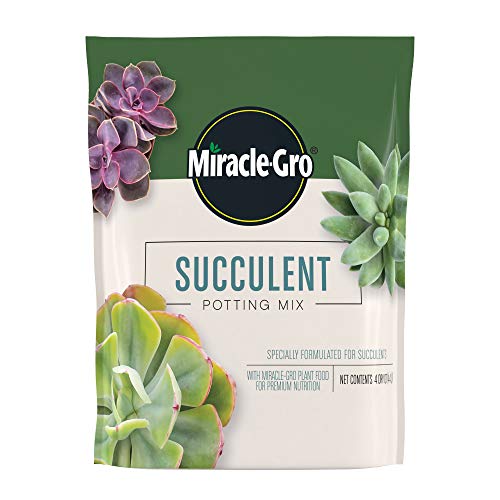
Miracle-Gro Succulent Potting Mix 4 qt.

Gardenera Professional Carnivorous Plant Soil 1 Quart
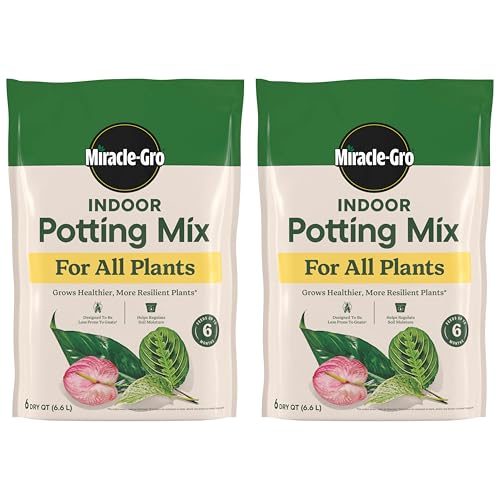
Miracle-Gro Indoor Potting Mix 6 qt. 2-Pack

Gardenera Carnivorous Plant Spray Fertilizer Mist 8 oz

Gardenera Premium Liquid Carnivorous Plant Fertilizer 8 oz
Inside Each Recommended Option
FoxFarm Ocean Forest shows up in greenhouses and windowsills for a reason. The 1.5 cubic foot bag opens to a dark, loose blend that feels already alive, with a light, aerated texture that catches air without drying out the second you stop misting.
It leans toward general container use rather than the lean, low-mineral setup carnivores need, which makes it a better fit for the rest of your houseplant collection. If you’re repotting a mixed indoor jungle alongside your bog pot, one bag covers a lot of territory.
Positive Points
- Pre-moistened and ready to plant straight from the bag
- Loose, fibrous texture that resists compaction in medium pots
- Large 1.5 cu ft size suits repeated repotting sessions
- Versatile enough for tropicals, herbs, and foliage plants
- Lower dust than many peat-heavy alternatives on opening
Things To Consider
- Mineral and nutrient load is too high for direct use with carnivores
- Heavier than peat-and-perlite mixes once watered in
- Sealed bag freshness can vary by storage time
Whose Shelf It Belongs On
General indoor gardeners who want one quality bag to cover most repotting jobs alongside a separate carnivore blend.
Reach For A Different Pick When
Switch to the Gardenera Professional Carnivorous Plant Soil if flytraps or sundews are the main reason you’re buying.
Miracle-Gro’s succulent blend is built to dry out fast between waterings, which is exactly the drainage profile many carnivore growers chase when they’re not running a literal bog. The 4-quart bag is a tidy size for a small shelf of pots.
The formula includes sphagnum peat, perlite, and a sand component that keeps the root zone airy. Note that it still carries some starter nutrients and is tuned for succulents rather than bog-dwelling flytraps, so read the use case before committing the whole bag.
Real-World Strengths
- Fast-draining texture prevents root rot in shallow pots
- Compact 4 qt. bag suits apartment growers and small collections
- Lower moisture retention than all-purpose blends
- Sandy component mimics the gritty media many hobbyists mix by hand
Trade Offs
- Not formulated specifically for bog-loving carnivores
- Dries out quickly, so daily watering can become a chore
- Small bag fills only one 8-inch container or a handful of small pots
Quick Facts
Who Will Love This
Small-space growers who want a tidy bag of fast-draining mix for a windowsill collection of succulents.
Skip It When
Pick the Gardenera Professional Carnivorous Plant Soil instead when Venus flytraps and pitcher plants are the priority.
This is the only bag in the lineup mixed specifically with carnivores in mind. Gardenera blends peat moss, coco coir, and perlite into a 1-quart bag that opens ready to use, with no extra perlite to chase down at the hardware store.
Unlike FoxFarm Ocean Forest from earlier, this blend keeps mineral content low so roots don’t scorch. The mix holds moisture steadily without going stagnant, which suits the tray-watering method most keepers use for flytraps and sundews.
Where It Excels
- Formulated for Venus flytraps, sundews, pitcher plants, and butterworts
- Low-mineral blend prevents root burn
- Peat, coco coir, and perlite ratio balances moisture and airflow
- Ready to use straight out of the bag
- Compact 1-quart bag suits a small collection
Worth Noting
- Small bag means you’ll reorder often for larger collections
- Pre-moistened feel can vary batch to batch in transit
- Higher price per quart than generic peat-perlite mixes
Quick Facts
Made For
Anyone keeping flytraps, sundews, or pitcher plants who wants a bag matched to the species instead of a DIY blend.
Look Elsewhere When
Turn to FoxFarm Ocean Forest Potting Soil for the broader houseplant collection that shares the same repotting day.
Miracle-Gro’s indoor mix ships as a pair of 6-quart bags, which works out to a generous volume for the price. The blend is built for general foliage and flowering plants rather than bog conditions.
That makes it a smart stock-up option for the rest of the indoor jungle, not the bog pot. If you’re repotting a living room’s worth of pothos and philodendrons on the same day you refresh a flytrap, this bundle covers the non-carnivore work cheaply.
A Strong Showing
- Two-bundle format delivers 12 quarts total
- Lightweight mix that handles repeated watering cycles
- Easy to find at most retailers carrying the brand
- Lower per-quart cost than single bags
Points To Note
- Carries fertilizer that can harm carnivore roots
- Heavier bags to store if you live in a small apartment
- Texture compacts over time in long-term pots
Best Suited To
Indoor gardeners stocking up for a multi-plant repotting day, with carnivores handled by a separate specialty mix.
A Better Fit Elsewhere
Choose the Gardenera Professional Carnivorous Plant Soil when the flytrap itself is the reason for the purchase.
This spray mist sits in the lineup as a feeding companion, not a soil, but it pairs naturally with the carnivore-specific media above. The 3-1-2 ratio is diluted for foliar feeding, which means a quick spritz on leaves rather than measuring doses.
If you’ve just brought home a Venus flytrap and aren’t sure when to feed, the spray format removes the guesswork. That said, healthy carnivores fed by insects rarely need supplemental misting, so most beginners can skip it until the plant shows signs of slow growth.
Notable Upsides
- Pre-diluted 3-1-2 blend removes mixing steps
- Spray format reaches leaves without disturbing roots
- Gentle enough for routine light feeding on carnivores
- Compact 8 oz. bottle stores easily on a plant shelf
Honest Caveats
- Foliar feeding is optional for most healthy carnivores
- Spray nozzle can clog if stored without rinsing
Right Fit For
First-time carnivore keepers who want a simple, low-effort way to supplement feeding without measuring concentrates.
Not Your Match When
Pick the Gardenera Premium Liquid Carnivorous Plant Fertilizer if you prefer diluting your own doses and feeding larger collections.
The concentrated version of the spray above gives experienced keepers more control over feeding strength. The 3-1-2 ratio favors leafy growth, and the 8 oz. bottle lasts through many feedings when diluted properly.
Compared to the spray mist, this option requires measuring and dilution. The trade-off is flexibility: you can run a lighter feed for sundews or push a slightly stronger mix for pitcher plants in active growth, depending on what the shelf needs.
Bright Spots
- Concentrate stretches further per ounce than pre-mixed spray
- 3-1-2 ratio supports leaf and pitcher development
- Works with both soil drench and foliar feeding routines
- Compact bottle size fits standard storage drawers
- Useful across multiple carnivore species with adjusted dilution
Points To Keep In Mind
- Requires measuring and dilution before each use
- Overfeeding damages sensitive species quickly
Feature Snapshot
Perfect Match For
Keepers with multiple established carnivores who want to fine-tune feeding strength across species.
Consider Something Else When
Switch to the Gardenera Carnivorous Plant Spray Fertilizer Mist for a no-measuring, single-bottle routine.
## What Matters Before Choosing Soils for Carnivorous PlantsCarnivorous plants evolved in boggy, acidic, nutrient-starved ground, and their roots reflect that. Peat moss (partially decomposed sphagnum moss harvested from bogs) holds moisture without compacting, while perlite (a heat-expanded volcanic mineral that looks like white popcorn) opens the mix for airflow. Coco coir, made from coconut husk fibers, plays a similar moisture-holding role and is a more renewable alternative to peat for growers who prefer it.Moisture balance is the first spec to check. A medium that dries out in a day frustrates tray-watering routines, while one that stays soggy invites root rot in sundews and flytraps. Drainage and water retention are not opposites: the best mixes hold moisture in their fibers while letting excess drain freely from the pot.Mineral load is the second filter. Standard houseplant soils carry lime, phosphorus, and slow-release fertilizer that accumulate in carnivore roots and burn them over months. A proper carnivore medium keeps total dissolved minerals low, which is why experienced growers either buy a specialty blend or mix peat and perlite at home.Particle size matters too. Coarse perlite and chunky peat prevent the mix from settling into mud at the bottom of the pot. For most indoor collections, a 1:1 or 2:1 peat-to-perlite ratio gives a forgiving balance, though sundews often want a touch more perlite for airflow around their fine roots.## Key Considerations Across These Picks### Traps First Timers Fall IntoThe most common slip is grabbing a general-purpose potting soil because the bag says “indoor” or “all-purpose.” Those mixes carry fertilizer and lime that take months to flush, by which point root damage is already underway. Another mistake is choosing a succulent blend for a flytrap: succulents and carnivores both want drainage, but flytraps also need constant moisture, and the two goals pull in opposite directions.### Where The Extra Money GoesSpecialty carnivore blends cost more per quart because the ingredients are screened for low mineral content and the ratio is dialed in for bog species. That premium buys consistency: a bag opened today behaves like the bag opened next month. For keepers with only one or two flytraps, a small specialty bag is more economical in the long run than a cheap generic mix that needs constant flushing and repotting to recover from mineral buildup.## Frequently Asked Questions### Can I use regular potting soil for carnivorous plants?Regular potting soil contains lime and fertilizer that damage carnivore roots over time, so it’s not a safe long-term medium. A peat-and-perlite mix or a specialty carnivore blend is the safer starting point.### How often should I repot a Venus flytrap?Most flytraps benefit from a fresh medium every one to two years, since peat breaks down and perlite shifts position over time. Repot during dormancy in late winter for the least stress on the plant.### Do carnivorous plants need fertilizer?Healthy carnivores get most of their nutrients from insects and don’t need regular feeding. Light foliar feeding with a diluted 3-1-2 mist can support growth when insects are scarce indoors, but most keepers skip it entirely.### What kind of water do carnivorous plants need?Tap water often contains minerals that build up in carnivore roots, so rainwater, distilled water, or reverse osmosis water is the safer choice. Long-term use of hard tap water is one of the leading causes of slow decline indoors.### Is perlite necessary in carnivorous plant soil?Perlite isn’t strictly required, but it prevents the peat from compacting and keeps air moving around the roots. Skip it only if you substitute another porous material like pumice or coarse sand.## The TakeawayPick a specialty carnivore blend like Gardenera Professional Carnivorous Plant Soil as your foundation, then keep rainwater on hand and skip the fertilizer unless a plant genuinely needs it. That simple combination covers most of what keeps flytraps, sundews, and pitcher plants thriving indoors for years.