Healthy beds rarely start with guesswork. The right soil test helps you skip wasted fertilizer, fix problem patches, and stop watering on a wing and a prayer. Whether you tend a small patio plot or manage several acres, there’s a kit on this list that fits the way you actually work the soil.
A Snapshot Of The Selections
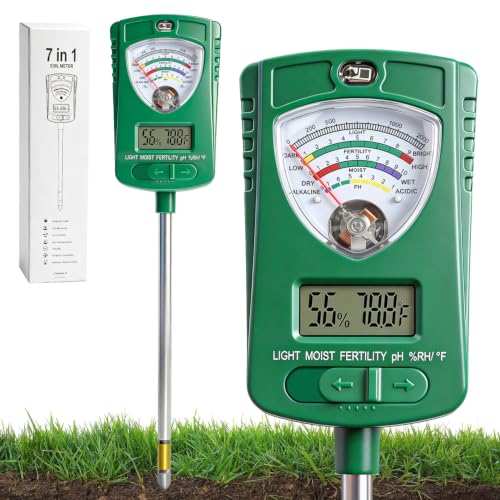
FOTSHARER 7-in-1 Soil Test Kit 90° Rotatable Head
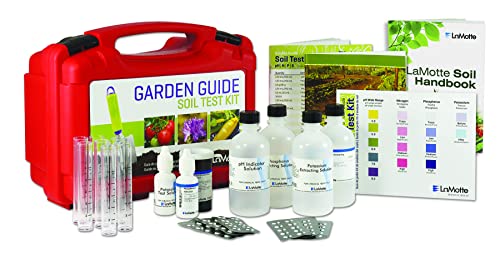
Lamotte Model El – Turf and Garden Soil Test Kit

NewTest Soil Test Kit 4 Parameters Professional Testing

MySoil Test Kit PRO Pack with Soil Probe
Jxikatx 7-in-1 Soil Test Kit Dual Display

FOTSHARER Garden Shade Cloth Kit with Hoops

Dewilde Trading Co 140-Test Soil Test Kit

MySoil Soil Test Kit Single Kit
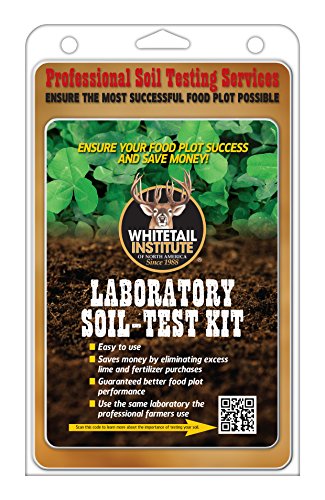
Whitetail Institute Laboratory Soil Test Kit
Inside Each Recommended Option
Pull a single probe out of the box and you have a moisture meter, light meter, ambient thermometer, and fertility gauge before you even leave the shed. The 90° rotating head solves the one annoying thing about flat-faced probes, namely that twisting them sideways into a clay bed used to mean staring at an upside-down number. Now you can angle the screen toward you while the prong stays vertical in the soil.
Compared with the single-purpose meters that came before it, this one reads seven metrics, including air humidity and soil temperature, which matters most when you’re moving seedlings from indoors to a hardening-off spot. For someone juggling raised beds, indoor pots, and a small lawn, that breadth saves carting three tools around.
Everyday Wins
- Seven readings in one handheld tool
- Rotating head keeps the screen readable from any angle
- Dual digital display shows soil and air data at the same time
- Works in potted houseplants without recalibration
- Probe-style design needs no batteries for most readings
Points To Note
- Probe-style meters can read inconsistently in very dry or rocky soil
- Storage matters; leaving the prongs wet tends to corrode the contact points
Quick Facts
Made For
Gardeners managing mixed indoor and outdoor plantings who want one tool that covers light, moisture, and pH without juggling separate gadgets.
Look Elsewhere When
Vegetable growers chasing precise NPK numbers should look at the LaMotte Model El for chemistry-based nutrient testing instead.
This is the chemistry-set style of soil testing, the kind turf managers used long before digital meters took over retail shelves. You mix soil samples with reagents, watch the liquid change color, and match it against laminated charts to read nitrogen, phosphorus, potassium, and pH levels. LaMotte has packaged the process for home use with diagrammed instructions and a Garden Guide manual.
The kit includes enough materials for 15 tests each of nitrogen, phosphorus, and potassium, plus 30 pH tests, which covers several seasons of small-plot monitoring. For lawn-obsessed homeowners weighing lime and fertilizer decisions, the included handbook helps translate raw numbers into actual application rates.
What Works In Its Favor
- Lab-style nutrient readings instead of rough estimates
- Includes a Garden Guide for lime and fertilizer recommendations
- Laminated color charts are durable and reusable
- Diagrammed instructions simplify the testing procedure
Some Limits To Know
- Each test requires mixing reagents and waiting on color development, longer than probe-based meters
- Reagent bottles need cool, dry storage away from kids and pets
- Color matching leaves room for interpretation, so results vary between users
Best Suited To
Homeowners treating a lawn like a turf manager would, who want real nutrient readings rather than a moisture ballpark.
Consider Something Else When
People with large vegetable gardens who want a mail-in lab report should consider the MySoil Test Kit PRO Pack for a more thorough analysis.
The NewTest kit trades digital probes for liquid reagents, hitting four parameters across 40 individual tests. That’s roughly enough to walk an entire backyard through several rounds of amendment trials. The format is closer to the LaMotte method than to the instant-read meters, but with a simpler four-test focus rather than turf-specific nutrient breakdowns.
Vegetable bed growers are the natural fit, since the four core parameters cover what most edible gardens actually need. It also works for first-time gardeners learning how compost and lime change readings over a season.
Where It Delivers
- 40 tests means multiple beds and follow-up checks
- Compact kit fits in a kitchen drawer between uses
- Useful for tracking how amendments shift readings over time
- Beginner-friendly procedure once you run the first test
Practical Considerations
- Wet or muddy samples can throw off results if not dried first
- Reagent bottles need replacing after the 40 tests run out
Feature Snapshot
Right Fit For
First-time soil testers running a vegetable patch who want quantitative readings without a probe-meter guess.
Skip It When
Houseplant caretakers wanting a quick moisture check should reach for the Jxikatx dual-display probe meter instead.
Where most home kits give you a ballpark, MySoil sends your sample to a lab. The PRO Pack adds two test kits plus a dedicated soil probe, so you can collect cores from multiple lawn zones or distinct garden beds without buying extra hardware. The lab measures 13 plant-available nutrient levels, including the macronutrients and pH that drive most fertilizer decisions.
The wait is real; turnaround runs roughly six to eight days from the time the lab receives your sample. In exchange, you get specific recommendations tailored to your soil and the plants you intend to grow, which removes a lot of the guessing that comes with reagent or probe readings.
What Earns Its Place
- Lab analysis covers 13 nutrient levels beyond basic NPK
- Tailored recommendations based on what you actually plan to grow
- Two-pack format covers front and back yards, or lawn versus garden
- Included probe gives clean, consistent samples
Trade-Offs To Consider
- Mail-in process means waiting days for actionable results
- Replacement test kits must be reordered once exhausted
Quick Facts
Made For
Homeowners rebuilding a struggling lawn or planning a major garden overhaul who want lab-grade numbers and a fertilizer plan tied to specific crops.
Look Elsewhere When
Someone wanting a same-day moisture check on houseplants should consider the Jxikatx probe meter for instant readouts.
The Jxikatx 7-in-1 shares most of its reading list with the FOTSHARER unit above, but the warm-white casing and the larger dual display make it easier on aging eyes. Both screens stay active at once, so soil moisture sits on one and ambient temperature on the other. That’s helpful when moving a tropical houseplant outdoors and tracking how much the surrounding air has shifted.
The trade-off versus the FOTSHARER is mostly cosmetic, since the underlying readings are similar. For indoor gardeners who want a friendly-looking tool that doesn’t dominate a shelf, this one earns a fair share of attention.
Well-Handled Touches
- Larger dual display improves readability
- Warm-white casing blends into plant shelves
- Same seven readings as competing probe meters
- Useful for tracking humidity alongside soil moisture
Honest Caveats
- Probe prongs still need cleaning after use in wet soil
- Single-function button presses can confuse first-time users
Feature Snapshot
Perfect Match For
Apartment growers and houseplant fans who want a gentle-looking meter that covers moisture, light, and humidity at a glance.
Reach For A Different Pick When
Vegetable growers wanting real NPK numbers should grab the NewTest reagent kit for actual nutrient readings.
Strictly speaking, a shade cloth kit is not a soil test, but soil work only matters if the plants survive the weather. The 78.7 by 59 inch cloth, paired with the included hoops and clips, sets up a 75 percent sun-block canopy over a raised bed. Once you have baseline pH and moisture readings from a probe meter like the FOTSHARER 7-in-1, protecting that investment during heat waves becomes the next step.
The kit ships with curved tubes, straight connectors, and gloves, so assembly doesn’t require a separate parts run. For raised bed growers in southern climates, the canopy makes summer transplanting far less risky.
The Case For It
- 75 percent sun block protects tender transplants from heat
- Includes hoops, clips, and gloves for full assembly
- Cloth dimensions fit standard raised bed footprints
- Curved tube design lifts the cloth above foliage
Things To Weigh Up
- Cloth can stretch in high wind if not anchored well
- Takes up shed space when disassembled for winter
Best Suited To
Raised bed vegetable growers in hot climates who need a fast heat shield for transplants right after they go into the ground.
A Better Fit Elsewhere
Houseplant owners only need a probe meter like the Jxikatx for indoor moisture tracking, not outdoor shade cloth.
Where most home kits run out by mid-season, this 140-test kit is built to last. It uses a liquid reagent approach covering pH, nitrogen, phosphorus, potassium, and ammonia, the five metrics that cover most soil complaints homeowners actually face. Updated instructions for the current year aim to keep the procedure clear for first-time users.
The honest read is that 140 tests feel like overkill for a single backyard, but for community gardens, small farms, or multi-property owners, the count is a feature, not a drawback. Each parameter pulls from its own reagent, so test counts divide across the metrics you actually run.
What Makes Sense
- 140 total tests across five parameters
- Covers ammonia, which most home kits skip
- Updated instructions for current-year compatibility
- Good fit for multi-season fertility tracking
Where It Is Less Suited
- Bulk reagent count makes it bulkier to store than probe meters
- Color-matching still introduces some interpretation
Made For
Community garden coordinators and serious hobbyists who test multiple beds weekly and burn through smaller kits fast.
Consider Something Else When
Casual backyard gardeners who only need a spring and fall check should choose the LaMotte Model El for a smaller, lawn-focused kit.
The single-kit version of the MySoil lineup delivers the same lab analysis as the PRO Pack, just with one sample instead of two. For someone whose main concern is a stubborn pH imbalance in one bed or lawn zone, that single read is often plenty. The lab still measures 13 plant-available nutrient levels and tailors recommendations to what you tell them you want to grow.
If you’ve already tested and want a follow-up six months later, reordering is straightforward. The trade-off, much like the PRO Pack, is the wait, plus the cost per test feels higher than DIY reagent kits when you only need one or two samples a year.
Reasons It Performs
- Lab accuracy on a single targeted sample
- Tailored recommendations by crop type
- Reorderable when you want a fresh check later
Points To Keep In Mind
- Per-sample cost is higher than at-home reagent kits
- No soil probe included, so sample collection needs your own tool
Best Suited To
Focused problem solvers trying to fix one specific pH or nutrient issue without paying for extra tests they won’t use.
A Better Fit Elsewhere
Multi-zone property owners should pick the MySoil Test Kit PRO Pack for two-sample coverage and a probe.
The Whitetail Institute kit is built around a single purpose, namely giving deer hunters the soil data they need to grow attractive food plots. The kit ships to a lab, and the consultation that comes back is specific to forage species like clover, brassicas, and chicory. The lab returns results within about a week, which lines up nicely with fall plot prep timelines.
Outside of food plot use, this kit works much like any other mail-in soil test. For hunters balancing lime and fertilizer across multiple plots, the consultation is the real value, since generic recommendations rarely cover forage-specific nutrient targets.
Where It Helps
- Consultation tailored to food plot forages
- Results returned within roughly a week
- Helps avoid over-applying lime and fertilizer
- Useful across multiple plots on the same property
Things To Consider
- Niche focus makes it less versatile for general gardens
- Mail-in turnaround adds delay before any plot prep
Best Suited To
Whitetail hunters and land managers planning fall food plots who want recommendations specific to deer forage species.
Reach For A Different Pick When
Backyard gardeners should pick the NewTest reagent kit for general-purpose, at-home nutrient testing instead.
What To Weigh Before Picking A Soil Test Kit
Start by matching the kit’s format to your patience level. Probe meters give instant readouts, but they typically skew toward moisture, light, and pH rather than detailed NPK numbers. Reagent kits deliver quantitative nutrient readings, yet they require mixing liquids and matching colors. Mail-in lab kits offer the deepest data, but the wait stretches across a week or more.
Think about how many tests you actually need. A single backyard might only require two or three rounds per year, which makes a small reagent kit or one mail-in sample reasonable. Larger properties, community gardens, or food plot managers benefit from high-count kits like the 140-test option, where buying in bulk costs less per reading.
Match the kit’s specialty to your planting goal. A general garden rewards balanced NPK plus pH coverage. A lawn renovation leans toward turf-specific recommendations. A deer food plot benefits most from a consultation tailored to forage species. A houseplant shelf rarely needs more than a moisture and light readout, so a probe meter usually suffices.
Finally, account for storage and clean-up. Probe meters are compact and disposable in cost, but their metal prongs corrode if left wet. Reagent kits need a cool, dry spot and periodic bottle replacement. Mail-in kits leave almost nothing to store beyond the occasional reorder.
Key Considerations Across These Picks
Wrong Turns To Avoid
Buying a probe meter when you actually need NPK numbers is a common slip-up, since most meters read moisture and pH well but treat nitrogen, phosphorus, and potassium as a single fertility score. If your problem is yellowing leaves or stalled growth, you need nutrient-specific readings from a reagent or lab kit instead.
Another trap is assuming a single test covers the whole property. Soil pH and nutrient levels vary across small distances, so one sample rarely represents a full yard. Pulling multiple cores from different zones, then combining them or testing separately, gives a more honest picture.
Where The Extra Money Goes
Higher-tier mail-in kits cost more because the lab runs a broader nutrient panel and returns written recommendations rather than a single number. The added depth matters most when you’re investing in major soil work, like rebuilding a struggling lawn or planning a food plot from scratch. For casual gardeners, a reagent kit delivers enough actionable data without the lab fee, so the upgrade only pays off when the project demands it.
Frequently Asked Questions
How often should I test my soil?
Most gardeners benefit from a spring and fall test, with extra checks after major amendments like lime or compost applications. Annual testing covers routine maintenance for established beds.
Are probe meters accurate enough for vegetables?
Probe meters give useful moisture and pH trends, but they typically read fertility as a single broad score rather than specific NPK numbers. For vegetable beds chasing yield, reagent or lab kits offer deeper nutrient data.
What’s the difference between at-home kits and mail-in labs?
At-home kits give immediate results using probes or reagents, while mail-in labs run professional analysis on your sample. Labs measure more nutrients and return specific recommendations, but the wait runs several days.
Can I reuse soil test reagents?
Reagents are single-use per test, since the chemical reaction that produces the color change consumes the active ingredient. Refills or replacement kits are needed once the originals run out.
Do I need to dry soil samples before testing?
Most reagent and lab kits recommend air-drying samples to prevent moisture from diluting the reaction. Probe meters work best in moist soil, so drying is not required for that format.
The Takeaway
The right kit depends less on specs and more on what you’re trying to fix in your soil. Match the format to your patience, your planting goal, and how many tests you actually plan to run. From there, any of the picks above gives you a clearer picture than guessing, which is the real point of testing in the first place.