You probably arrived here because every bag of potting mix at the warehouse store looks the same, yet the plants on your patio or windowsill actually notice the difference. A standard garden soil compacts in a clay pot, while a free-draining mix keeps a jade plant alive through a forgotten watering. Choosing between Miracle-Gro, FoxFarm, Hoffman, and the compressed coir blocks is less about brand loyalty and more about matching texture, feed, and drainage to what you grow. This list walks through ten solid options for raised beds, indoor pots, succulents, and everything in between, so the next trip to the garden center feels less like a guessing game.
A Snapshot Of The Selections

PlantBest Coco Mulch Compressed Block 9.1 lb

Miracle-Gro Potting Mix, 16 qt. (2-Pack)
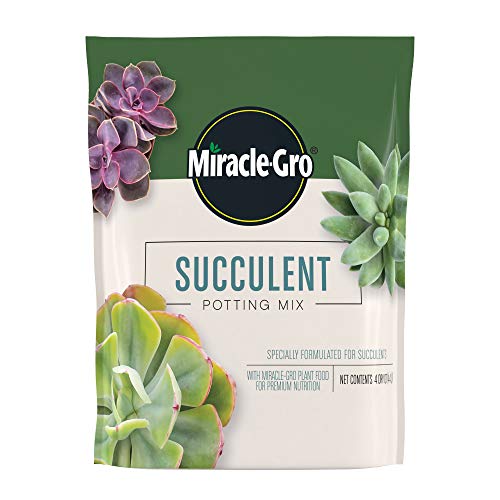
Miracle-Gro Succulent Potting Mix, 4 qt.

Miracle-Gro Cactus, Palm & Citrus Potting Mix, 8 qt.

Coast of Maine Cobscook Blend In-Ground Garden Soil 1 cu ft
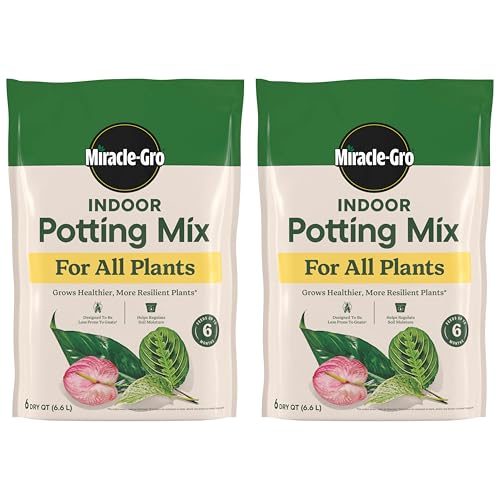
Miracle-Gro Indoor Potting Mix for All Plants, 6 qt., 2-Pack

FoxFarm Ocean Forest Potting Soil 12 Quart
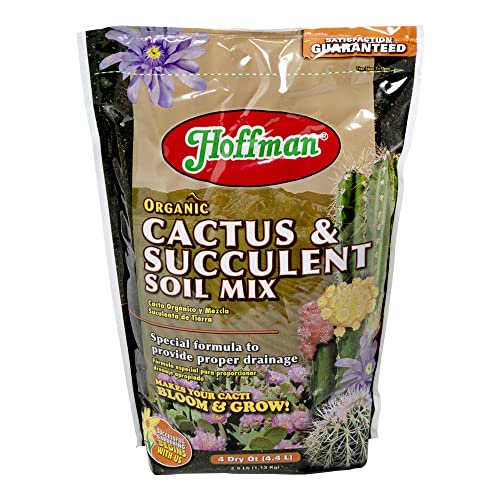
Hoffman 10404 Organic Cactus and Succulent Soil Mix, 4 qt.

PlantBest Coco Peat Garden Soil, Concentrated Peat-Free Mix

PlantBest Coco Mulch Compressed Block 9.1 lb
More Details On Our Top Picks
The PlantBest compressed coconut mulch block solves a very specific annoyance: dragging forty-pound bags from the car to the garden bed. One 9.1-pound block hydrates in minutes and expands to roughly 16 gallons of fluffy, brown mulch, enough to dress a modest shrub border or a fresh vegetable bed.
Coir, the fibrous husk of coconuts, holds moisture without matting the way bark can, which matters when you are layering around shallow-rooted annuals. You will find the expansion rate useful if your beds cover a known square footage, since you can stage how many blocks to hydrate at once.
A Few Highlights
- Single block replaces several heavy mulch bags in storage
- Coir resists matting, keeping air and water moving to roots
- Covers up to 17.5 square feet when spread at a typical depth
- Lightweight enough to carry from a parking lot without strain
Points To Note
- Hydration requires a large bucket or wheelbarrow and a bit of patience
- Color fades faster than dyed bark mulch under direct sun exposure
Right Fit For
Homeowners redoing a small shrub border or a vegetable bed who would rather not wrestle with a stack of mulch bags.
Look Elsewhere When
The Miracle-Gro Potting Mix 16 qt. (2-Pack) suits you better for container annuals, since mulch is a top-dressing rather than a planting medium.
This is the bag most people picture when someone says potting mix. Two 16-quart bags of Miracle-Gro’s outdoor container formula, sized for a patio full of petunias, a tomato patch in terra cotta, or a pair of big foundation planters by the front door.
What separates this from the PlantBest block above is the built-in feeding. The blend is formulated to feed potted plants for up to six months, which means less fiddling with separate fertilizer bottles through the busy growing season.
Useful Highlights
- Designed for flowers, vegetables, shrubs, annuals, and perennials alike
- Six-month feed window cuts down on summer fertilizer chores
- Two-bag format handles a full container refresh in one trip
- Texture stays loose enough for root expansion in standard pots
Honest Caveats
- Holds moisture longer than cactus blends, so avoid using it for succulents
- Two bags are bulky, so a hand truck or trunk space helps
Best Suited To
Beginner and intermediate gardeners who want a one-bag-fits-most container solution for a patio or porch.
A Better Fit Elsewhere
Pick the Miracle-Gro Succulent Potting Mix 4 qt. instead if your collection leans toward aloe and echeveria, since drainage matters more than long feed windows for those plants.
Succulents punish ordinary potting mix because their roots rot in anything that stays damp. Miracle-Gro’s succulent blend leans on a sandy, peat-based texture that drains quickly, which is exactly what an aloe or a string of bananas wants.
The 4-quart bag is small on purpose. One bag fills a single 8-inch container, which makes it easy to plan how much you need for a windowsill collection without overbuying.
What Helps Most
- Fast-draining texture prevents the soggy soil that kills succulents
- Sized right for small indoor pots and terrariums
- Compatible with popular varieties like aloe, cacti, and echeveria
Some Limits To Know
- Not a feeding mix, so occasional diluted fertilizer still matters during active growth
- Small bag means larger collections require multiple purchases
Who Should Grab It
New succulent owners building a starter collection on a sunny sill or anyone repotting a single cherished jade plant.
Reach For A Different Pick When
The Miracle-Gro Cactus, Palm & Citrus Potting Mix 8 qt. makes more sense if you tend larger pots or have a citrus tree that needs similar drainage.
Bigger and broader than the 4-quart succulent bag, this 8-quart mix handles everything from a patio palm to a Meyer lemon in a half-whiskey-barrel planter. The fast-draining formula combines forest products, sphagnum peat moss, sand, and perlite, which is a slightly different recipe than the dedicated succulent blend.
It also comes enriched with Miracle-Gro plant food, so you get both drainage and slow-release feeding in the same bag. That’s useful when repotting a citrus that hates root disturbance and you do not want to fertilize separately for the first stretch.
Positive Takeaways
- Single bag covers most palms, citruses, and desert cacti in containers
- Drains quickly while delivering built-in plant nutrition
- Forgiving texture for tropicals that prefer moist-but-not-wet roots
Worth Bearing In Mind
- Not formulated for general flowers or vegetables, which prefer richer, water-retentive mixes
- Eight quarts go quickly when repotting a large citrus
The Right Fit
Patio gardeners growing a small lemon tree, a pygmy date palm, or a sizable cactus collection in mid-sized pots.
Swap It Out When
The Miracle-Gro Indoor Potting Mix 6 qt. (2-Pack) suits leafy houseplants better, since those want richer, water-retentive blends rather than this drainage-focused recipe.
Cobscook Blend steps away from containers and into actual ground. One cubic foot of sphagnum peat moss, compost, and aged bark designed for flower beds, lawn top-dressing, and tired clay soil that needs loosening up.
Unlike the Miracle-Gro container mixes earlier, this one is meant to be worked into the native soil rather than used alone. If your backyard has heavy clay or compacted sandy patches, mixing this in helps water move through and gives roots something to grab onto.
Key Advantages
- Built from premium compost, peat, and aged bark for richer ground soil
- Doubles as a top-dress for established beds to suppress weeds
- Useful for breaking up sandy, clay, or compacted ground
Trade-Offs To Consider
- Too heavy and rich for use as a standalone container mix
- Single bag covers a modest bed, so larger projects require multiples
Built With In Mind
Homeowners refreshing a perennial border, top-dressing a patchy lawn, or improving a vegetable bed that has lost its tilth.
Where Another Pick Suits Better
The Miracle-Gro Potting Mix 16 qt. (2-Pack) is the right call for patio containers, since Cobscook is meant to amend ground, not fill pots.
Houseplants live in a different world than patio pots: less airflow, less sun, slower drying. This indoor blend is built around sphagnum peat moss, coir, and perlite to hold moisture evenly without becoming waterlogged, which is exactly the balance a pothos or a peace lily prefers.
Two 6-quart bags keep the mess manageable, since lugging a 50-pound sack through a hallway is rarely fun. The mix is also bark and compost-free, which matters in living rooms where smell or gnats are a concern.
Features That Help
- Lightweight enough to carry upstairs without strain
- Designed to retain and release water evenly for indoor humidity levels
- Works across a wide range of common houseplants
Less-Strong Areas
- Not fast-draining enough for cacti, succulents, or other dry-climate plants
- Bark-free recipe means it can compact slightly over a long stretch
Whose Shelf It Belongs On
Apartment dwellers and home office plant parents refreshing a dozen mid-sized pots of philodendrons, monsteras, or ferns.
Skip It When
The Miracle-Gro Succulent Potting Mix 4 qt. is the better match for windowsill succulents, since this blend holds moisture they would rather avoid.
FoxFarm’s Ocean Forest has a reputation among hobbyists, and the source recipe explains why. Aged forest products, sandy loam, sphagnum peat moss, plus fish meal, crab meal, and earthworm castings create a nutrient-dense, aerated blend for serious container growers.
The 12-quart bag suits someone repotting a half-dozen houseplants at once or refreshing a sizable outdoor container. The trade-off is weight and a stronger earthy smell right out of the bag, which is noticeable in a small apartment.
Points In Its Favor
- Nutrient-dense organic components feed plants through the first growth cycle
- Aerated texture encourages strong root development in seedlings
- Works across houseplants, patio containers, and young transplants
Things To Weigh
- Strong organic smell at opening can bother sensitive indoor spaces
- Heavier than peat-only mixes, so a single bag is a real workout
Who Will Love This
Intermediate to experienced gardeners starting seeds, repotting tropicals, or investing in long-lived container plants that appreciate rich soil.
Not Your Match When
The Miracle-Gro Indoor Potting Mix 6 qt. (2-Pack) is gentler for casual houseplant care, since FoxFarm’s richness can overwhelm a small starter pothos.
Hoffman’s cactus and succulent mix has been a quiet staple in garden centers for years. The four-quart bag is ready to use straight from the package, with a pH-balanced blend aimed at both jungle and desert cacti.
For succulent keepers who only need to repot a few small pots a season, four quarts is genuinely the right size. Anything bigger tends to sit in storage and dry out, which is wasteful.
The Case For It
- Pre-mixed and ready to use with no extra amendments needed
- pH balanced to encourage root development and blooms
- Designed to provide the drainage cacti and succulents need to thrive
- Compact bag stores easily on a shelf in a closet or garage
Practical Considerations
- Not formulated for tropical houseplants that prefer richer, moister soil
- Small bag means larger repotting jobs call for multiple purchases
Made For
Collectors rotating through small succulent pots who want a no-fuss, ready-to-pour mix without measuring perlite themselves.
Where A Sibling Pick Shines
The Miracle-Gro Cactus, Palm & Citrus Potting Mix 8 qt. is a smarter pick for larger pots, palms, or citrus trees that need similar drainage in bigger volumes.
Peat harvesting raises sustainability concerns for many gardeners, and this compressed coconut coir block is the answer. One 11-pound block expands to roughly 79 quarts of clean, low-salt growing medium, with no peat bog involved.
The triple-washed process reduces the salt content that can sometimes bother seedlings, which is why this format shows up in seed-starting kits. If you start tomatoes indoors in February, this block rehydrates into a fluffy medium in minutes.
Everyday Wins
- Replaces bulky peat bales with a single storable block
- Peat-free for gardeners avoiding peat harvesting
- Low-salt formulation suits seed starting and young transplants
Potential Sticking Points
- Contains no fertilizer, so feeding starts right after sprouting
- Requires soaking in a large container before use
Perfect Match For
Seed starters and eco-minded gardeners amending raised beds without peat who already plan to mix in their own compost or fertilizer.
Consider Something Else When
FoxFarm Ocean Forest Potting Soil 12 Quart suits a gardener who wants a ready-to-use, nutrient-loaded blend without the extra mixing step.
This newer PlantBest listing mirrors the older compressed block above, but reads as a landscaping-focused SKU aimed at garden beds, tree rings, and weed control rather than general mulching. The 9.1-pound compressed form still expands into roughly 16 gallons of coir mulch, covering up to 17.5 square feet once spread.
Coir lasts longer than straw or untreated bark in our view, and it does not blow around as easily in a windy yard. For homeowners tired of half-empty plastic mulch bags cluttering the garage, the compact brick format is genuinely practical.
The Value In It
- Compact block stores on a shelf until you are ready to use it
- Coir mulch resists wind displacement better than straw
- Covers a defined square footage for predictable bed planning
- Useful around trees, shrubs, and vegetable rows for weed suppression
Things That May Matter
- Color is a lighter brown than dyed hardwood mulches
- Expansion still requires a wheelbarrow or tub and a few minutes
Best Suited To
Landscapers and homeowners refreshing tree rings or large flower beds who want mulch without dedicating a corner of the garage to bulky bags.
Another Choice May Suit
The Coast of Maine Cobscook Blend In-Ground Garden Soil 1 cu ft. is the smarter pick if you want a bark-and-compost amendment to mix into soil, not a top-dress mulch.
Picking The Right Potting Mix For Your Plants
Texture and drainage do most of the heavy lifting in this category. A succulent mix needs to drain within seconds of watering, while an outdoor container mix should hold moisture long enough for roots to drink between waterings. Sphagnum peat moss is the moisture-holder in most blends, perlite and sand are the drainage agents, and coir is the increasingly popular peat alternative for gardeners watching sustainability.
Coir blocks deserve a closer look for anyone short on storage. A compressed brick the size of a hardcover book expands into a wheelbarrow full of medium, which beats wrestling a forty-pound bag through a narrow garden gate. That format suits seed starters, raised-bed refreshers, and anyone with a small shed.
Feeding matters too. Miracle-Gro’s outdoor mix claims a six-month feed window, while FoxFarm leans on organic meals for the first growth cycle. Indoor blends and seed-starting mixes usually contain little or no fertilizer, since growers prefer to control feeding themselves with diluted liquid feeds. Matching the feed style to your watering routine matters more than the brand on the bag.
Key Considerations Across These Picks
Pitfalls Shoppers Hit
The most common mistake is grabbing any bag labeled “potting soil” for a succulent, then watching the plant decline in soggy mix. Cacti and succulents need fast-draining blends with sand and perlite, not the rich, moisture-retentive recipes aimed at annuals. Conversely, using a cactus mix for a thirsty peace lily leaves the plant constantly underwatered. Read the label for the plant category, not just the brand.
When Paying More Pays Off
Premium blends like FoxFarm Ocean Forest cost more per quart because of added organic meals, earthworm castings, and aged forest products. For seed starting, heavy-feeding tropicals, or long-lived container trees, that richer base pays off in stronger early growth. For a flat of marigolds or a basic windowsill pothos, a standard Miracle-Gro or generic peat blend handles the job at a fraction of the cost.
Frequently Asked Questions
What Is The Difference Between Potting Mix And Garden Soil?
Potting mix is a soilless blend of peat, coir, perlite, and other ingredients designed for containers, while garden soil is meant to be mixed into native ground. Using garden soil in a pot leads to compaction and poor drainage, which is why bags labeled for containers are a safer bet for patio planters.
Can I Use Outdoor Potting Mix For Indoor Houseplants?
Indoor mixes tend to be bark-free and lighter to avoid gnats and smell in living spaces, so an outdoor blend can work for tough tropicals but may invite fungus gnats or slow drainage in low-light rooms. Matching the bag to the room tends to produce happier plants.
Do Succulents Really Need Special Soil?
Yes, because standard mixes hold water too long for plants adapted to dry climates. A cactus and succulent blend with sand and perlite lets water pass quickly, which mimics the fast-draining ground conditions succulents evolved in.
How Long Does A Compressed Coir Block Last Once Opened?
Unused portions of an opened coir block dry out over time but rehydrate the same way as a fresh block. Keeping the remainder sealed in a dry bucket or bin preserves it for the next season without losing expansion volume.
Is Miracle-Gro Organic?
Several Miracle-Gro lines use synthetic fertilizers, so check the specific bag if organic certification matters for your garden. Organic alternatives like Coast of Maine and FoxFarm Ocean Forest lean on natural ingredients for shoppers avoiding synthetic feeds.
Bottom Line
Your plant list, not the brand name, should drive the bag you bring home. Succulents and citrus want drainage, indoor tropicals want a balanced peat-based blend, and in-ground beds want compost-rich soil worked into the native dirt. Start with the plant, then match the texture and feed window, and the rest of the choice follows naturally.