A soggy windowsill and a mushy stem are usually signs of the wrong soil, not a brown thumb. Cacti and succulents crave gritty, fast-draining mixes that let roots breathe between waterings, and the right blend can turn a struggling plant around. This list rounds up ten solid options worth your attention, from pure pumice amendments to organic blends and matching liquid feeds.
A Closer Look At The Lineup

Blue Deer Soils Horticultural Pumice (2.5 Dry Quarts)

Tank’s Green Stuff Horticultural Pumice (16qt)
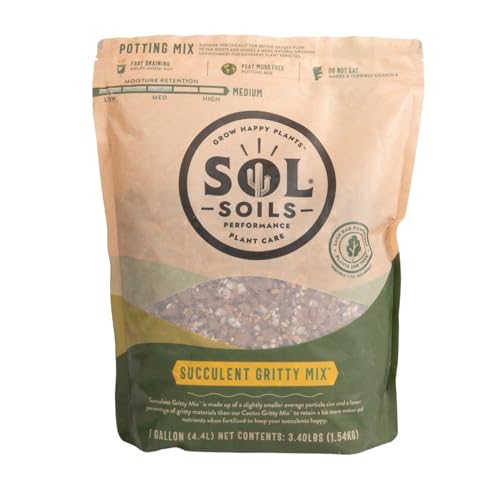
Sol Soils Succulent Gritty Mix (1 Gallon)
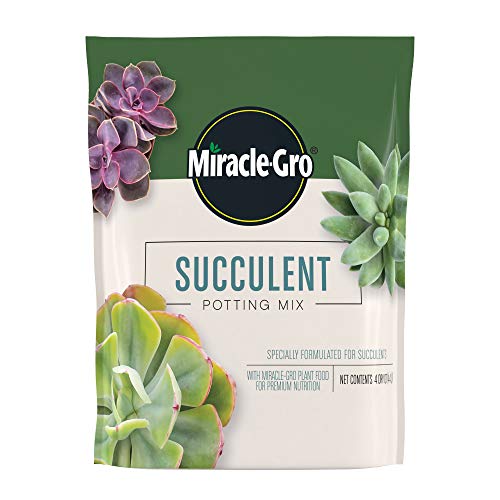
Miracle-Gro Succulent Potting Mix (4 qt.)

Rosy Soil Cactus & Succulent Potting Mix (4 Quarts)
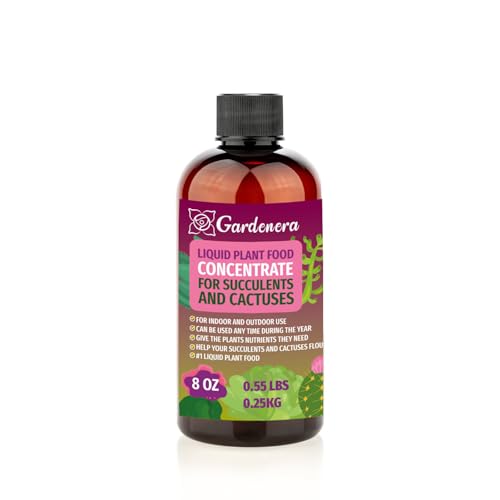
Gardenera Plant Growth Superfood (8oz)

NOHOBE Hard Akadama Bonsai Soil (2.5lb)

Horticultural Pumice (14 Dry Quarts)

Gardenera Premium Liquid Succulent Fertilizer (8oz)

Gardenera Professional Succulent Spray Mist (8oz)
A Closer Look At Each Pick
If you only need a small jar of drainage material to test a custom mix, this 2.5 dry quart bag of pumice from Blue Deer Soils keeps the commitment low. Pumice is a lightweight volcanic rock riddled with tiny pores, which means it holds a bit of moisture while still letting excess water flow through, a balance regular garden soil cannot match for succulents.
The granule size lands in a practical 3/8 by 1/4 inch range, so it tumbles into the root zone without clogging drainage holes. For most windowsills with two or three small pots, that sizing is enough to amend several repottings before the bag runs dry.
What Works In Its Favor
- Lightweight volcanic rock that boosts drainage and aeration in dense mixes
- Small 2.5 quart size suits beginners sampling a new amendment
- Granule size 3/8 x 1/4 inch fits most cactus pot dimensions
- Reusable across many repottings when stored dry
Points To Keep In Mind
- Not a complete soil on its own; you will need to blend it with organic matter
- 2.5 dry quarts runs out fast for anyone repotting a full shelf of plants
Feature Snapshot
Who It Suits Best
Hobbyists with a few small pots who want to try a drainage amendment before committing to a larger bag.
Consider Something Else When
Repotting a packed collection points you toward the 14-quart Horticultural Pumice from the same category for better value.
For serious plant parents, a tiny trial bag of pumice disappears in a single repotting session. Tank’s Green Stuff ships a 16-quart (about 15 pound) bag of the same porous volcanic stone, sized for collections that span a windowsill, a patio, and maybe a small greenhouse corner.
The draw of pumice at scale is twofold: it lightens heavy soils so roots can push through, and its pore structure holds onto just enough water to keep beneficial microbes fed. Compared to perlite, pumice stays put when you water, which means less floating debris and fewer dust clouds during mixing.
The Helpful Details
- 16 dry quarts cover a multi-plant repotting day without rationing
- Pumice particles resist floating, so watering stays tidy
- Porous structure holds moisture and nutrients for the soil food web
- Pairs easily with coir, bark, or pre-made cactus soil
Honest Caveats
- Bulk bag needs dry storage to keep fines from clumping
- Stone only; you still need an organic component to round out the mix
Made For
Collectors running regular repotting rotations who want one durable amendment on hand for the whole season.
Look Elsewhere When
You would rather skip the mixing step entirely and reach for the Sol Soils Succulent Gritty Mix instead.
Not everyone wants to play soil chemist at home. Sol Soils ships a pre-blended gritty mix that takes the measuring cups off your counter, combining perlite, pumice, coconut coir chips, and calcined clay into a fast-draining foundation.
It is also peat-free, which matters if you keep your collection in line with organic-leaning care routines. The chunky texture keeps roots from sitting in water, and the one-gallon volume covers a handful of mid-size pots without leftovers going stale in the bag.
Useful Highlights
- Pre-mixed blend saves the trial-and-error of DIY recipes
- Peat-free formula suits organic-minded plant keepers
- Coir, perlite, pumice, and calcined clay deliver layered drainage
- One gallon fills several 4 to 6 inch pots
Worth Noting
- Chunky texture may sift through standard nursery mesh; line pots carefully
- One gallon is not enough for large landscape projects
Best Suited To
Plant parents who want grab-and-bag convenience without giving up the gritty texture cacti love.
Skip It When
You prefer a budget bag of all-purpose starter soil, which is where Miracle-Gro Succulent Potting Mix enters the picture.
For first-time succulent owners, the appeal of a recognizable brand sitting on the shelf is real. Miracle-Gro’s Succulent Potting Mix comes in a manageable 4 quart bag and is blended for plants like aloe, cacti, echeveria, and burro’s tail, so there is no guessing about whether it suits your windowsill crew.
It is a peat-based blend with sand and perlite mixed in for drainage, which means it holds a touch more moisture than the all-gritty options on this list. For low-light apartments where you water less often, that extra water retention can actually be a plus rather than a problem.
Noteworthy Benefits
- Widely stocked at garden centers and big-box stores
- Designed for common succulents like aloe, jade, and echeveria
- 4 quart bag is enough for a few small pots without waste
- Familiar brand lowers the learning curve for new plant parents
Trade Offs
- Peat base holds more water than pure gritty mixes, so water sparingly
- Less airy than the chunkier Rosy Soil or Sol Soils blends
Key Specs
Who Should Grab It
New succulent keepers who want a familiar, approachable bag that gets the basics right without fuss.
Reach For A Different Pick When
You crave a chunkier, peat-free blend and want to upgrade to the Rosy Soil Cactus and Succulent Potting Mix.
Rosy Soil leans into the trend of chunky, airy soils that mimic a plant’s native terrain. The 4 quart bag contains a loose, pebble-flecked texture designed to stay open, which means roots can penetrate without fighting through compacted organic matter.
What separates this blend from a basic peat mix is the living-soil angle: worm castings and beneficial microbes arrive in the bag, helping with nutrient cycling once you start watering. For organic-leaning gardeners, that microbial layer is a noticeable step up from sterile potting soils.
Useful Strengths
- Chunky texture resists compaction in deep pots
- Includes worm castings and beneficial microbes for living-soil enthusiasts
- Fast drainage suits cactus species prone to root rot
- Loose blend is forgiving for beginners learning watering timing
Soft Spots
- Chunky pieces may need a top dressing to keep everything in place
- Microbes need active care to thrive; ignored pots may dry out unevenly
Whose Shelf It Belongs On
Collectors who want organic inputs and a chunky, breathable texture without mixing their own amendment ratios.
A Better Fit Elsewhere
Anyone with a sprawling patio collection should size up to the bulk Horticultural Pumice for larger repotting jobs.
Soil gets the roots established, but feeding keeps growth steady through the warm months. Gardenera’s Plant Growth Superfood is an 8 ounce liquid concentrate that promises 18 vitamins and minerals, along with micro-fungi and bio-organisms, to round out whatever soil you already use.
Where it differs from a basic N-P-K fertilizer is the microbial payload. The included micro-fungi are meant to colonize the root zone and help with nutrient uptake, which can make a real difference in pots that have been sitting in the same soil for a year or two.
A Few Strong Suits
- Liquid format mixes easily into watering cans for quick application
- Micro-fungi support nutrient uptake in tired, recycled soils
- Compatible with hydroponics, semi-hydro, and standard potting setups
- 8 ounce bottle covers many feedings for small collections
Possible Compromises
- Microbial products have a shelf life; older bottles may lose potency
- Not a soil replacement; you still need a drainage-focused base mix
Feature Card
Perfect Match For
Organic-leaning growers who already have a solid soil base and want to add biological activity to the root zone.
Not Your Match When
You want a measured N-P-K feed for predictable results, which is where the Gardenera Premium Liquid 3-1-2 Concentrate fits.
Akadama is a Japanese clay aggregate prized in bonsai circles for decades, and it crosses over neatly into cactus care. NOHOBE’s 2.5 pound bag of hard akadama is graded to a 1/8 to 1/4 inch small grain, which is the sweet spot for tiny succulent root balls.
The trick that makes akadama special is its color shift: when dry, it is a lighter tan, and it darkens as it absorbs water. That visual cue takes the guesswork out of timing, especially for newer waterers who tend to either overdo it or wait too long.
Why It Works Well
- Color change provides a built-in moisture indicator at a glance
- Hard akadama resists breaking down for several growing seasons
- Small grain size fits miniature pots and starter plants
- Clay origin gives gentle nutrient retention without waterlogging
Worth Bearing In Mind
- Hard akadama costs more per pound than pumice alone
- Eventually breaks down and needs replacing in long-lived pots
Spec Overview
Right Fit For
Detail-oriented keepers who appreciate a soil that visibly tells them when it is time to water again.
Swap It Out When
You want a lighter, lower-priced bulk amendment and should pivot to the Tank’s Green Stuff Horticultural Pumice instead.
Stepping up from the 2.5 quart starter bag, this 14 dry quart option lands in the sweet spot for medium collections. The same 3/8 by 1/4 inch volcanic pumice shows up, just in a volume that lets you repot a dozen or more pots before you run dry.
Pumice earns its keep by improving soil structure: it lightens heavy mixes, opens air pockets, and keeps drainage holes from sealing up. Because it is a stone rather than an organic material, it does not decompose, so a single bag can serve multiple growing seasons when stored somewhere dry.
Bright Spots
- 14 dry quarts stretches across many repottings
- Stone material resists breakdown for long-term soil structure
- Same 3/8 x 1/4 inch sizing as smaller Blue Deer Soils pumice
- Bulk bag needs a lidded bin to keep fines from scattering
- Heavy to lift; not ideal if you garden on a high shelf without a step stool
- 3-1-2 ratio matches how succulents actually process nutrients
- Concentrate format stretches across many watering sessions
- Liquid application is fast and even across the root zone
- Suits both indoor and covered patio collections
- Concentrate requires careful measuring to avoid overfeeding
- Needs consistent application to show visible benefits
- Pre-diluted mist skips the measuring cup entirely
- Foliar delivery reaches leaves that root feeding can miss
- Same 3-1-2 ratio as the liquid concentrate for consistency
- Doubles as a light leaf cleaning routine
- Mist should be applied in the morning so leaves dry before nightfall
- Not a full substitute for root-zone feeding in heavy feeders
Less-Strong Areas
The Right Fit
Multi-plant households ready to commit to a long-term amendment supply for a full repotting cycle.
Another Choice May Suit
You only have a handful of small pots and would waste the volume, in which case Blue Deer Soils’ smaller 2.5 quart bag is the smarter size.
A predictable feeding schedule keeps cacti growing without the leggy stretches that come from overdoing nitrogen. Gardenera’s Premium Liquid Succulent Fertilizer uses a 3-1-2 N-P-K ratio, meaning more nitrogen than phosphorus and potassium, which mirrors the lean diet succulents actually use in their native, nutrient-poor soils.
It arrives as a concentrate, so a single 8 ounce bottle can last an entire growing season when you dilute it into your regular watering routine. For indoor growers who want a measured approach, that ratio takes the math out of feeding time.
Where It Excels
A Few Limitations
Who Will Love This
Indoor hobbyists who already keep a watering schedule and want a tailored nutrient blend to add to it.
Where A Sibling Pick Shines
You would rather skip the measuring step and spritz leaves instead, in which case the Gardenera Professional Succulent Spray Mist is the easier daily option.
Foliar feeding sounds fancy, but for a tired succulent, a quick leaf-level spritz is one of the fastest ways to deliver nutrients. Gardenera’s Professional Succulent Spray Mist uses the same gentle 3-1-2 ratio as its liquid concentrate sibling, just delivered through a pump bottle instead of a watering can.
The format suits plant parents who want a touch-up between full waterings, especially during the active growth months when leaves are drinking in everything they can. It also doubles as a gentle leaf cleaner, which helps dusty indoor pots look tidier without dragging them to the sink.
Useful Touches
Details To Watch
Built With In Mind
Busy plant parents who want a low-effort boost between full waterings, especially for indoor collections.
Not Your Match When
Your plants need a deeper root feeding and you would rather pour, which is where the Gardenera Premium Liquid Concentrate 3-1-2 earns its place.
Matching Soil To Your Succulent Habits
The best cactus mix is the one that fits how you actually water, not the one with the longest ingredient list. Start with the plant’s environment: a sunny south-facing windowsill dries out fast and can take a chunkier, faster-draining blend, while a cooler, shadier corner benefits from a slightly more moisture-retentive base. Particle size matters as much as material, because smaller grains pack tight and hold water, while larger pieces leave air gaps that roots need to breathe.
Think about your routine before picking a bag. Forgetful waterers do better with grittier mixes and akadama’s color cues, while steady waterers can handle a peat-blended starter mix without inviting rot. Repotting frequency also plays a role: pumice lasts for seasons, while finer organic blends need refreshing once a year. You may also want to keep a liquid or foliar feed on hand to replace the nutrients that get washed out during the regular flushes cacti prefer.
The honest read is that no single product covers every grower. Match the bag to the plant, the pot size, and the watering rhythm you can actually maintain.
What Sets Premium Blends Apart From Budget Bags
Common Shopping Slip Ups
One of the easiest mistakes is grabbing a general-purpose potting soil and calling it done. Those mixes hold far too much water for cacti, and the first overcast week can show up as yellowing or mushy stems. Another slip is using a pot without drainage, since even the best-draining mix cannot rescue a sealed container.
Shops also underestimate how much volume they actually need. A single 4 inch pot takes more mix than expected once you factor in the root ball and a top dressing, so a 4 quart bag disappears fast on a small collection. Measure your pot count before you commit, and round up so you are not mixing a half-bag of leftover soil into something else.
Where The Extra Money Goes
Premium blends cost more because the sourcing and processing steps add up. Hard akadama is mined and graded to a specific size range, pumice is sorted and screened, and living-soil blends include worm castings and microbial inoculants that require careful handling. The bag itself is usually resealable, which helps the contents stay viable longer.
For a casual windowsill, a basic blend and a simple liquid feed is plenty. For a packed collection, the upgrade pays off in fewer repottings, better drainage, and microbial activity that keeps soil alive between refreshes.
Frequently Asked Questions
What makes a mix suitable for cacti and succulents? A good cactus mix drains quickly, leaves air pockets around the roots, and avoids the dense, waterlogged structure of general potting soil. Ingredients like pumice, perlite, akadama, and coarse sand do most of the work.
Can I use regular potting soil with some perlite mixed in? Yes, many growers do exactly that. Aim for roughly half perlite or pumice and half organic base so the final texture feels gritty and well-aerated rather than spongy.
How often should I repot my cactus? Every two to three years is a common rhythm, or whenever roots start circling the pot or pushing through drainage holes. Fresh mix restores drainage and resets the nutrient baseline.
Do succulents actually need fertilizer? They grow slowly and use less than leafy tropicals, but a light feed during the active months supports new growth and color. A diluted 3-1-2 liquid or foliar mist is usually enough.
Is akadama worth the higher cost? Hard akadama lasts several seasons, signals moisture visually, and resists compaction, which many growers find worth the premium for prized plants. For everyday pots, a basic pumice amendment gets you most of the way there.
Closing Thoughts
The right organic cactus mix comes down to matching drainage, texture, and feeding style to the way you actually care for your plants. Start with a gritty base you trust, add a touch of biology if you want to push growth, and keep the watering can honest. Your collection will tell you, one healthy new leaf at a time, whether you picked well.