A compact garden shovel earns its place on the wall when the big spade cannot fit between the roses. Raised beds, herb planters, window boxes, and stubborn rocky borders all call for a smaller blade with sharper manners. This lineup covers the truly small hand tools, mid-length mini shovels, and narrow trenching spades that punch above their weight.
The Main Contenders

Wilcox All-Pro 300S 22″ Long Handled Trowel

Corona CT 3364 ComfortGEL Stainless Scoop

HANTOP Flat Spade Edging Shovel 43″ Wood Handle

HANTOP Sharp Blade Garden Spade 43″

HANTOP Sharp Blade Mini Shovel 28″
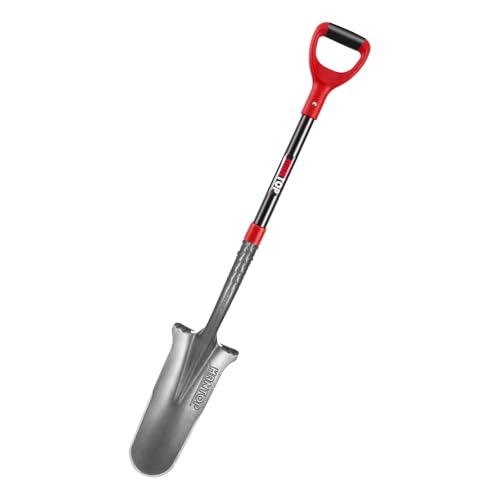
HANTOP Drain Spade Digging Shovel 44″
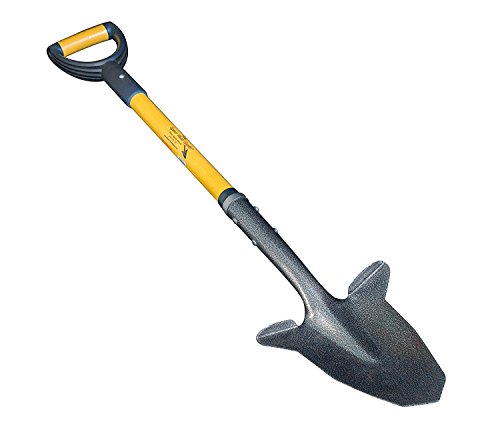
Spear Head Spade SHFD3 40″ with Beveled Blade
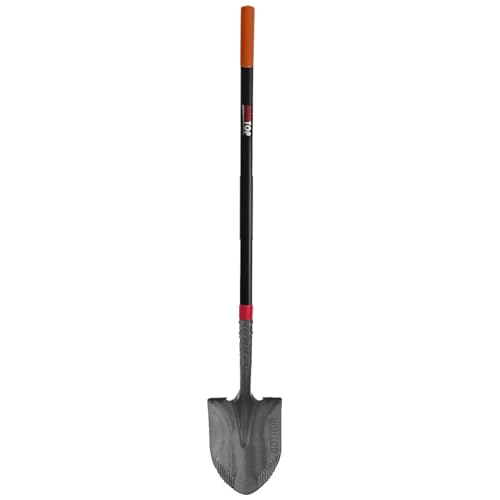
HANTOP Round Digging Shovel 58″ Fiberglass

HANTOP Drain Spade Root Saw 44″ Oak
Meet The Standout Selections
This is the smallest trowel in the lineup, but it punches well above its size. The 16-gauge stainless steel head is welded to a 22-inch shaft so you kneel less and dig more. Gardeners with raised beds, bulb borders, or rocky clay will appreciate how the pointed 3-inch blade slips between roots and stubborn clods.
Unlike the scoop-style Corona that follows, this one is built for slicing and prying rather than carrying. You trade raw capacity for precision, which matters most when planting tulip clusters or digging out deep taproots without disturbing nearby plants.
Well-Handled Touches
- One-piece stainless build resists bending on hard-packed ground
- Pointed 3-inch tip reaches deep for bulb planting
- Plastic-coated grip stays secure with chalky or muddy fingers
- 22-inch length keeps hands off cold, damp soil
Honest Caveats
- Carries far less volume than the Corona scoop, so it is not the right tool for moving mulch
- Owners commonly mention the narrow handle takes adjustment for those used to chunkier grips
Quick Facts
Who It Suits Best
Perennial gardeners and bulb planters who want a one-piece steel trowel that handles compacted soil without flexing.
Look Elsewhere When
The Corona CT 3364 ComfortGEL Stainless Scoop suits you more if you mostly move mulch, gravel, or pet food rather than slice into soil.
The Corona CT 3364 leans more scoop than shovel, and that is exactly the point. Its wide stainless bowl carries a generous load of mulch or feed in a single pass, while the narrow pour spout keeps piles tidy at the base of shrubs. It earns a spot on this list because many gardeners reach for a small hand tool to refill feed bins or top-dress pots.
Where the Wilcox trowel focuses on slicing through clay, the Corona focuses on volume. Think of it as the small-shovel equivalent of a kitchen ladle, useful everywhere from a chicken coop to a windowbox.
Practical Pluses
- Wide bowl carries noticeably more per scoop than a standard trowel
- Stainless steel resists rust in damp mulch or feed storage
- ComfortGEL grip softens hand fatigue during long sessions
- Reinforced tang holds up to heavy loads without flex
Less-Strong Areas
- Not designed for prying out deep taproots or tough weeds
- Wider head can disturb nearby plants in tight flower borders
Feature Snapshot
Right Fit For
Backyard keepers who handle bulk materials like bird seed, gravel, or mulch in small containers and want a comfortable grip.
Swap It Out When
The Wilcox All-Pro 300S 22″ Long Handled Trowel is the better match if most of your work involves slicing through heavy soil rather than carrying loose material.
Edging a lawn is one of those chores that looks easy on a Saturday morning show but takes a sharp, flat blade in real life. This HANTOP flat spade brings a 1050 manganese steel head to a classic oak shaft, giving you the rigidity needed to slice straight lines along a walkway. The 43-inch length suits gardeners who prefer to edge standing up rather than kneeling.
Compared with the Corona scoop, this is a real digging tool, not a carrier. The trade-off is weight: at 4.5 pounds, it has presence in the hand, and that heft is what keeps the cut clean through compacted turf edges.
Notable Gains
- Sawtooth blade edge slices cleanly through sod and roots
- 1050 manganese steel holds its edge through repeated edging sessions
- Oak handle offers the warm, traditional feel many gardeners prefer
- Flat profile excels at cutting crisp bed lines
Small Caveats
- Wood handle needs occasional oiling to prevent drying and splitting
- Too long for raised-bed work where a shorter tool would feel more controlled
Who Will Love This
Homeowners who want a traditional wood-handled spade dedicated to clean lawn borders and crisp edging work.
Not Your Match When
The HANTOP Sharp Blade Mini Shovel 28″ fits small raised beds and tight corners far better than this full-length flat spade.
The fiberglass sibling to the wooden-handle HANTOP above trades oak for a lighter, weather-resistant shaft. A 1050 manganese steel head keeps the cutting power intact, while the zigzag blade profile bites into soil with less force. For gardeners who leave tools leaning against the shed wall, the fiberglass handle simply shrugs off rain.
Same length and weight as the wood-handle model, so the experience in the soil feels familiar. The difference shows up in maintenance and weather behavior, which makes this the more forgiving pick for coastal or humid climates.
The Value In It
- Fiberglass shaft resists rot and swelling in damp storage
- Zigzag blade edge saws through roots with less wrist effort
- PP grip stays secure even when hands are gloved or wet
- Foot platforms give confident leverage for deeper cuts
Things To Consider
- Fiberglass can crack under sharp impact on hidden stones
- Zigzag edge dulls faster than a plain blade in sandy soil
Feature Overview
Made For
Gardeners in wet or coastal climates who want the cutting geometry of the wood-handle model but a shaft that tolerates humidity.
A Better Fit Elsewhere
The HANTOP Flat Spade Edging Shovel 43″ Wood Handle is the better choice if you prefer a traditional oak grip and store tools indoors.
When the big spades feel clumsy, this mini shovel steps in. At just 28 inches long and roughly 2 pounds, it slips into a 4-foot raised bed or behind a tomato cage without knocking plants over. The fiberglass shaft keeps it light, while the sawtooth blade still does real cutting work.
You give up reach and the leverage of a long shaft, and in return you get control in tight corners. For herb planters and small perennial beds, that trade is usually worth it.
What Stands Out
- Compact 28-inch length maneuvers inside raised beds
- Light 2-pound build reduces wrist strain on detail work
- Sawtooth blade slices cleanly through shallow roots
- Y-shaped PP grip keeps the hand centered and steady
Trade-Offs
- Short shaft means kneeling or stooping for any deep digging
- Too small to move soil in volume, so pairing with a larger spade is common
Quick Technical Notes
Best Suited To
Urban gardeners tending raised beds, herb boxes, or tight perennial borders who want a light tool that fits where longer spades cannot.
Where A Sibling Pick Shines
The HANTOP Sharp Blade Garden Spade 43″ handles larger trenching and edging jobs more comfortably if you have the room to swing one.
A drain spade is the gardening equivalent of a scalpel: narrow, sharp on the sides, and built to slip into places a regular spade cannot reach. This HANTOP version trims the head to a tapered 2-inch profile, so it digs clean trenches for irrigation lines, narrow transplants, or soil amendments along a foundation.
The 44-inch length sits between the 43-inch flat spade and the 58-inch round-point digger, which keeps the posture upright without overreaching. The fiberglass handle and powder-coated head together shrug off weather when the job overruns into evening.
Benefits That Matter
- Edged sides and tip cut through roots without widening the trench
- 1050 manganese steel head is tempered for impact resistance
- Powder-coated surface wipes clean after muddy trenching
- Fiberglass shaft keeps weight manageable for overhead leverage
Points To Note
- Too narrow to move bulk soil in any reasonable time
- Powder coating can chip if the head is struck against rocks
The Right Fit
Homeowners installing soffage lines, narrow transplants, or pier holes who need precise soil removal rather than volume digging.
Another Choice May Suit
The HANTOP Round Digging Shovel 58″ Fiberglass makes more sense if your main task is shifting loose soil rather than cutting narrow channels.
The SHFD3 is the priciest tool in the lineup, and the engineering shows. The 9-inch by 11-inch head is beveled on the leading edge, so it slides through compacted soil with less force than a flat blade. A steel core runs through the fiberglass handle, giving the rigidity of metal with the weather tolerance of composite.
At 40 inches with a cushioned D-grip, this spade feels balanced for gardeners of most heights. It leans toward perennial maintenance: dividing clumps, transplanting shrubs, slicing root balls free from a nursery pot. The wider blade moves more soil per cut than the HANTOP drain spade, but the trade-off is that it cannot squeeze into a 2-inch slot.
The Helpful Details
- Beveled edge enters soil cleanly and reduces kick-back
- Steel-reinforced fiberglass handle stays rigid under heavy load
- Cushioned D-grip keeps the wrist comfortable
- Generous 9×11 inch head moves real volume per scoop
Worth Bearing In Mind
- Higher price than the HANTOP options in the same size class
- Wide blade is awkward in narrow trench work
Key Product Details
Perfect Match For
Perennial gardeners and transplanters willing to invest in a premium spade that divides clumps and slides through tough soil with less effort.
Reach For A Different Pick When
The HANTOP Drain Spade Digging Shovel 44″ handles narrow trench work and root cutting more efficiently at a friendlier price.
This is the full-length workhorse of the group, and the one to grab when you are planting a tree or busting through clay. The 58-inch fiberglass shaft saves the lower back on deep holes, and the rounded point bites into unbroken ground more efficiently than a flat spade. A serrated leading edge saws through roots as the blade descends.
It is the largest pick here, and that is worth weighing against your storage space. Gardeners with tall storage walls and serious digging on the calendar will appreciate the leverage. Those working mostly in containers will likely find the Spear Head Spade SHFD3 or the mini shovel more proportional.
The Practical Payoff
- 58-inch length reduces stooping for taller gardeners
- Round point concentrates force for breaking new ground
- Serrated edge severs roots as the blade pushes in
- Soft double-layer end cap improves grip safety on the swing
Things To Weigh Up
- Too long to maneuver comfortably inside raised beds
- Requires more storage room than the compact picks above
Built With In Mind
Taller gardeners tackling tree planting, hole digging, or shrub transplanting where leverage matter more than compactness.
Consider Something Else When
The HANTOP Sharp Blade Mini Shovel 28″ is a better match for raised bed gardening and small-space detail work.
The last entry combines a drain spade’s slim blade with a saw-style edge, which makes it the most aggressive root cutter in the lineup. The 7-by-2-inch profile slips between established roots where broader spades would sever too many feeder roots, while the sharp edge slices cleanly through anything in its path.
An oak handle rounds out a classic feel, weighing in at roughly 4.4 pounds. Gardeners removing invasive roots, digging near mature trees, or working a metal-detecting site will lean on this tool heavily.
Points In Its Favor
- Serrated blade cuts through roots without skipping
- Narrow 2-inch width preserves nearby feeder roots
- Oak handle absorbs shock and feels balanced in hand
- Versatile across ditch digging, tree planting, and metal detecting
A Few Limitations
- Wood handle needs protection from constant moisture to stay true
- Saw edge requires occasional file work to stay sharp
Whose Shelf It Belongs On
Restoration gardeners, tree planters, and hobbyist metal detectorists who want a serious root-cutting spade with a traditional handle.
Skip It When
The HANTOP Sharp Blade Mini Shovel 28″ handles everyday raised bed work more comfortably if heavy root cutting is not on your agenda.
What Matters Most Before Choosing Little Garden Shovels
Match The Blade To The Bed
The first call is whether you need a wide scoop, a flat blade, a narrow drain spade, or a true trowel. Wide scoops like the Corona CT 3364 carry mulch and feed with ease. Flat spades like the HANTOP 43-inch wood model excel at clean edging. Drain spades handle trenching and root work. For raised beds and planters, a mini shovel like the 28-inch HANTOP keeps you off your knees and out of the foliage.
Steel And Handle Construction
Manganese steel heads (often labeled 1050MN) hold an edge and resist bending better than generic stamped steel. Stainless heads shrug off rust in damp storage, which matters if your tools live in an unheated shed. Fiberglass shafts tolerate weather and lighten the load, while oak offers the warm, traditional feel many gardeners prefer. A cushioned or contoured grip matters most for longer sessions and for anyone with wrist sensitivity.
Length And Leverage
A 22-inch trowel keeps you close to the soil, while a 58-inch round-point digger saves your back on deep holes. Mid-length 43 to 44-inch spades are the most versatile for edging, trenching, and transplanting. Pick the shortest tool that lets you work without straining, since shorter shafts give more control in tight spaces.
Smart Guidance Before You Buy
Pitfalls Shoppers Hit
Choosing a full-size spade for a 4-foot raised bed is the most common mismatch. The handle bangs the frame, the blade cannot reach the middle, and the gardener ends up kneeling anyway. The opposite error is grabbing a cute mini shovel for breaking new ground, only to discover it has no leverage. Match the tool to the dominant task, not to the photo on the listing.
When Paying More Pays Off
Premium picks like the Spear Head Spade SHFD3 command a higher price because of a beveled edge, a steel-reinforced fiberglass core, and a cushioned D-grip. Those features add up over years of perennial maintenance, where every cut is slightly easier and the handle does not fatigue your hands. For occasional seasonal work, a mid-priced HANTOP fiberglass or wood-handle spade delivers similar cutting geometry at a friendlier cost.
Frequently Asked Questions
What size small garden shovel works best in raised beds?
A 26 to 30-inch mini shovel handles most raised beds because the shaft clears the side boards and the small blade reaches the center without stepping inside.
Are fiberglass handles better than wood?
Fiberglass tolerates moisture and resists rot, while wood offers a warmer feel and absorbs more shock. Both can last years with reasonable care, and the right pick depends on your storage conditions and grip preference.
How do I keep a serrated garden shovel sharp?
A flat mill file run along the teeth at the original angle restores most serrated edges. A few steady strokes per tooth usually does the job, and a light coat of oil afterward protects the steel.
Can one small shovel handle edging and trenching?
Flat spades pull double duty on shallow edges and trenches. For deeper drainage cuts or root-heavy ground, a narrower drain spade saves time and protects nearby roots.
What weight is comfortable for daily garden use?
Most gardeners find 2 to 4 pounds comfortable for repeated use. Anything heavier tends to tire the wrist during long weeding or transplanting sessions.
Bottom Line
A small garden shovel earns its keep when it matches the bed, the soil, and the season. Heavy clay and bulb planting call for steel trowels like the Wilcox 300S. Edging work goes to flat spades, tight corners go to mini shovels, and narrow trenches belong to drain spades. Pick the smallest tool that handles the dominant job, and add a specialty spade only when a specific chore keeps showing up on your to-do list.