A stubborn dandelion taproot can split a trowel handle if you fight it wrong, and most generic garden tools are designed for everything from transplanting to digging trenches, which means they rarely excel at the precise lever-and-twist motion that makes taproot extraction clean and complete. The right mini weeder concentrates that single job into a small, well-shaped head, a grip that stays comfortable across a long bed, and a shaft angle that lets you get under the crown without scraping your knuckles. If your raised garden, flower border, or small lawn has been winning the war against you, a focused hand tool changes the math. The ten picks below cover different angles of the same problem, from forged single-purpose blades to multi-function trowels, so you can match the tool to your soil and your stamina.
The Choices Worth Comparing
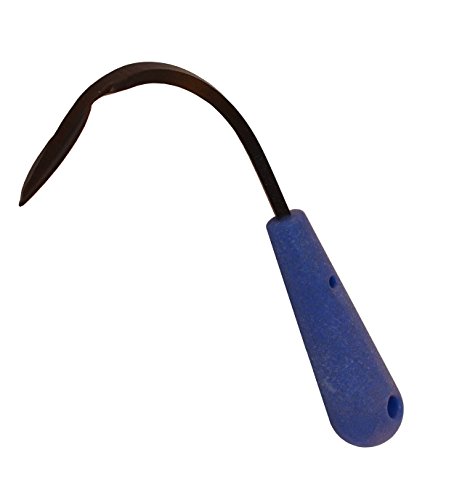
CobraHead Mini Weeder & Cultivator (USA Made)

WORKPRO 11.5″ Dandelion Weeder Puller

WORKPRO Dandelion Weeder Puller Wood Handle

WORKPRO V-Shaped Forks Weeder w/ Leverage Base

Spear & Jackson 50586 Mini Weed Weeder

WORKPRO 5-in-1 Hand Weeder Trowel

WORKPRO Metal Leverage Base Weeder

Eadwiella Hula Hoe Stirrup Hoe 16″

AMES 2445500 Ergo Gel Grip Hand Weeder

Qsxou Hand Tiller Garden Claw (2 Pack)
Taking A Closer Look At The Options
Few hand tools earn the kind of loyalty the CobraHead does, and a lot of that reputation rests on the curved forged blade. The shape works like a small plow, slicing under weeds and hooking roots upward instead of slicing them off at the surface. For someone working around drip lines or closely planted perennials, that kind of surgical control is the entire point of a mini weeder.
You get a tempered steel blade paired with a recycled-plastic handle that fits either hand, which keeps the tool usable in tight borders without cramping your grip. In our view, the CobraHead is the easiest tool here to recommend for gardeners who prize precision over volume, especially in soil that’s already loose or freshly mulched.
Why It Works Well
- Curved forged blade reaches under root crowns without slicing them off
- Universal recycled-plastic grip suits either-handed use
- Compact head slips between established perennials
- USA-built construction with tempered steel for long-term durability
- Works in freshly turned or loose soil where the blade can pivot
Points To Keep In Mind
- The slim plastic handle transfers more vibration than cushioned grips on longer sessions
- Less effective in hardpan or compacted clay without prior watering
Key Product Details
Right Fit For
Detail-oriented gardeners working established perennial borders, drip-irrigated beds, or rocky soil where a slim, controllable head matters more than raw digging power.
Look Elsewhere When
The WORKPRO V-Shaped Forks Weeder w/ Leverage Base is a better pick for gardeners wrestling thick clay where a wider leverage surface helps drive the fork deeper.
If the CobraHead is the scalpel, this WORKPRO dandelion puller is the well-padded kitchen knife. The two-pronged stainless fork targets taproots directly, and the PP+TPR (polypropylene plus thermoplastic rubber, a soft-touch grip compound) handle softens the impact when you lever up a stubborn root. At roughly 11.5 inches long, it sits comfortably in hand for longer weeding sessions without throwing off your balance.
You may find this design feels especially natural in lawns or soft vegetable beds where dandelions and thistles crowd the surface. The trade-off shows up in harder ground, where the narrow fork needs a little pre-loosening before it bites.
The Practical Payoff
- Two-prong fork reaches under taproots without cutting them in half
- Soft PP+TPR grip reduces hand fatigue across long sessions
- Stainless steel resists rust when stored in a damp shed
- 11.5-inch length balances control and leverage for most gardeners
Trade-Offs To Consider
- Narrow fork can bend under heavy leverage in compacted soil
- Single-purpose design lacks a serrated edge for tough stems
Who Should Grab It
Anyone managing a lawn or flower bed full of dandelions and thistles who wants a comfortable, focused puller rather than a multi-function tool.
Skip It When
The WORKPRO V-Shaped Forks Weeder w/ Leverage Base is a smarter choice for hard, compacted ground where a wider base and fork spread make the initial puncture easier.
Same stainless steel fork as the previous pick, different handle. This WORKPRO version swaps the soft-grip compound for a wooden handle that ages and patinas with use, which suits gardeners who like their tools to feel more traditional. The two-prong design drives into the soil beside the taproot, and a small twist lever-pings the weed out intact.
You may find the wooden grip feels less forgiving than the soft compound on the WORKPRO 11.5″ Dandelion Weeder Puller, especially during a hot afternoon of repeated pulls. The honest read is that handle preference here is mostly about feel and the look you want on the shed wall.
Strengths Worth Knowing
- Two-prong stainless fork pulls taproots cleanly from soft beds
- Wooden handle offers a classic look and grip pattern
- Polished steel resists rust in normal garden storage
Honest Caveats
- Wood handle transfers more impact than cushioned grips
- Wood can roughen over time if stored damp; a light oil rub extends life
Built With In Mind
Gardeners who prefer natural handle materials and want a puller that matches traditional tools already hanging in the shed.
A Better Fit Elsewhere
The WORKPRO 11.5″ Dandelion Weeder Puller is a better pick for anyone with joint sensitivity or longer weeding sessions where a softer grip prevents fatigue.
The CobraHead slips where this WORKPRO plows. A V-shaped stainless fork pairs with a curved metal leverage base, so you plant the foot on the base, drive the fork down beside the root, and pry upward with real force. Compared to the CobraHead Mini Weeder, this tool trades some surgical control for raw lifting power, which is exactly the trade-off you want in compacted or clay-heavy soil.
For raised beds that have been walked on or clay plots after a dry week, the wider stance lets you use your body weight instead of just wrist strength. The catch is size; you won’t be slipping this between closely spaced perennials without disturbing neighbors.
Good Reasons To Consider
- Curved metal leverage base supports foot pressure for deep insertion
- V-shaped fork spreads prying force across a wider root zone
- Polished stainless steel resists corrosion in damp storage
- Handles thicker taproots and woody stems better than narrow forks
Some Limits To Know
- Wider stance can crowd closely planted borders
- Heavier in hand than slim pullers, more tiring on small jobs
Key Product Details
Made For
Gardeners working heavy or compacted soil, raised beds that have settled, and established lawns where leverage matters more than finesse.
Where Another Pick Fits Better
The CobraHead Mini Weeder is a better fit for tight perennial borders where a slim blade is the only way to avoid damaging neighboring plants.
Spear & Jackson has been making garden hand tools since before most of us were gardening, and the 50586 carries the brand’s traditional look into the mini-weeder category. The narrow forked head pairs with a wooden handle, giving it the silhouette of an old-school daisy grubber. The blue accent along the shaft is a small touch, but it makes the tool easy to spot when it slips under a shrub.
You may find the heritage feel is the main reason to pick this over a comparable WORKPRO, since both work a slender two-prong approach. The honest read is that this tool rewards patient, deliberate motion in well-tended beds more than aggressive leverage in raw ground.
Standout Benefits
- Narrow forked head suited to traditional daisy-grubbing technique
- Wooden handle offers familiar grip shape
- Compact profile works well in shallow beds and borders
Soft Spots
- Less leverage surface than wider-base pullers like the WORKPRO V-Shaped Forks Weeder
- Limited detail provided on the steel specification in the source data
Whose Shelf It Belongs On
Allotment gardeners, cottage-bed enthusiasts, and anyone building a coordinated set of heritage hand tools.
Swap It Out When
The WORKPRO V-Shaped Forks Weeder w/ Leverage Base is a better match for gardeners who routinely deal with hard soil that demands foot pressure on a wider base.
The 5-in-1 trades focus for flexibility. A single stainless body carries a forked head for weeding and digging, serrated and straight scraping edges, a depth gauge etched along the blade, and a small notch that doubles as a twine cutter and a package-opening pry. For gardeners who hate swapping tools mid-bed, that combination actually saves more total minutes than a dedicated weeder might save on a single motion.
Compared to the WORKPRO V-Shaped Forks Weeder w/ Leverage Base, this trowel sacrifices leverage for versatility. You may find the serrated edge especially useful for severing thick roots that a clean fork would otherwise pry in pieces.
Where It Helps
- Five functions in one body reduce tool swaps mid-task
- Etched depth ruler helps with planting bulbs and transplants
- Stainless steel resists rust for outdoor storage
- Cuts twine and plant ties without reaching for snips
Where It Is Less Suited
- No leverage base means prying force relies entirely on your grip
- Heavier and bulkier than a dedicated puller for fine weeding
Quick Facts
Perfect Match For
Mixed gardeners who transplant, weed, and prune in the same session and want one tool that travels between tasks without returning to the shed.
Reach For A Different Pick When
The CobraHead Mini Weeder is a stronger choice when pure weeding precision matters more than a trowel-shaped tool with extra edges.
A close sibling to the WORKPRO V-Shaped Forks Weeder w/ Leverage Base, this pick is best understood as the same core tool with refreshed marketing. You still get a V-shaped stainless fork and a curved metal base for foot-driven leverage. The differences show up in branding and minor specification, so most gardeners end up choosing between them based on stock and listing details rather than function.
You may find one of these two listings is more readily available at any given moment, which is worth checking before you settle on the order. The honest read is that either works well in the situations the design targets.
A Few Highlights
- V-shaped stainless fork targets taproots directly
- Curved metal base accepts foot pressure in hard soil
- Polished finish reduces corrosion during off-season storage
Points To Note
- Wide footprint can disturb neighboring plants in tight borders
- Functionally similar to its sibling, so choice often comes down to availability
Who Will Love This
Anyone who wants the leverage-base design and finds this specific listing better stocked or better aligned with their needs than the sibling version.
Not Your Match When
The CobraHead Mini Weeder is the better tool for narrow perennial borders where a slim, curved blade reaches what a wide fork cannot.
A stirrup hoe (sometimes called a scuffle hoe) is a different animal from the other picks here. Instead of pulling individual weeds, the Eadwiella’s double-edged steel loop glides just below the soil surface, severing weed roots as you push and pull. For larger vegetable beds or freshly weeded paths, that motion covers ground in a way a forked puller never can.
You may find this tool changes your whole approach, since it requires a flat, prepared seedbed to glide effectively. Compared to the CobraHead, it’s faster across a square meter but useless between closely spaced plants. The 16-inch ash hardwood handle keeps you standing upright, which protects your back during long sessions.
What Earns Its Place
- Dual-edged stainless loop cuts roots on both push and pull strokes
- 16-inch ash hardwood handle keeps gardeners upright
- Push-pull motion covers large beds faster than pullers
- Effective in loose, prepared soil for surface weed control
Potential Drawbacks
- Doesn’t remove deep taproots cleanly, regrowth is common in dandelions
- Requires a flat soil surface to glide without skipping
Right Fit For
Vegetable gardeners with flat, prepared beds who want to maintain weed-free paths and rows without bending for each individual weed.
Consider Something Else When
The WORKPRO V-Shaped Forks Weeder w/ Leverage Base is a better fit for lawns and wildflower beds where individual dandelions need full taproot removal.
The AMES 2445500 pairs a three-function stainless blade with an ergonomic gel-grip handle, which sounds like marketing until you actually use it. The gel insert cushions the heel of your hand during levering, and the 14-inch length keeps the tool from feeling unwieldy in flower beds. The blade combines three cutting profiles, letting it work as a hoe, a scraper, and a small digger depending on how you angle it.
For a beginner, that combination is a friendly introduction to weeding. You may find the gel grip noticeably more comfortable than a plain plastic handle, especially if you’re new to longer sessions and your hands aren’t yet callused.
Notable Gains
- Three-function stainless blade covers hoe, scrape, and dig motions
- Gel grip insert cushions the hand during levering
- 14-inch length suits flower beds and small vegetable plots
Small Caveats
- Less specialized than dedicated pullers for deep taproot work
- Gel insert can wear faster than solid handles with heavy use
Best Suited To
New gardeners and anyone with hand sensitivity who wants a comfortable, forgiving tool that handles a range of small weeding jobs.
Where A Sibling Pick Shines
The WORKPRO 11.5″ Dandelion Weeder Puller is a better choice for gardeners focused on pulling whole taproots cleanly from a lawn.
This Qsxou set is the odd one out, and that’s the point. Instead of a forked weeder, you get two claw-style hand tillers designed to twist into soil and aerate, loosen, or cultivate around existing plants. Think of it as a handheld rototiller for tight spaces like container gardens, herb pots, or small flower beds where a full-size tool is overkill.
For actual weed removal, you may find the claws less surgical than a forked puller, since they stir rather than extract. The honest read is that this tool shines for soil prep and maintenance weeding, not for full taproot removal.
Reasons It Performs
- Two-pack gives a backup tool or a pair for shared shed use
- Claw design loosens and cultivates compacted pot soil
- Compact size suits container gardens and small planters
- Useful for working fertilizer or compost into topsoil
Where It May Fall Short
- Doesn’t remove deep taproots the way forked pullers do
- Smaller claws wear faster under heavy clay or rocky soil
Made For
Container gardeners, balcony growers, and anyone maintaining small herb or flower planters where loosening soil matters more than full taproot removal.
Look Elsewhere When
The WORKPRO V-Shaped Forks Weeder w/ Leverage Base is the stronger pick for in-ground beds with established taproot weeds that need complete extraction.
What To Weigh Before Choosing Your Next mini Weeder
Most weeding frustration comes from the wrong tool for the soil in front of you, not from bad technique. A few key attributes separate a great hand weeder from a frustrating one, and matching them to your situation matters more than brand or finish.
Head Shape and Material
A forged steel head holds its edge under repeated prying, and a curved or angled shape drives more efficiently than a flat one. Narrow forked heads target taproots; wider V-shaped forks lift larger root masses; stirrup-style loops sever roots just below the surface for fast coverage. The right choice depends on whether you’re pulling individual weeds or maintaining a larger bed.
Handle Length, Grip, and Material
Shorter handles (11 to 14 inches) keep you close to the work and fit well in flower borders. Longer handles (16 inches or more) save your back but require more space to swing. Grips matter too, since a soft gel or rubber insert reduces fatigue, and a wooden handle offers a traditional feel at the cost of some comfort during long sessions.
Soil Type and Weeding Style
Hard clay rewards leverage bases and V-shaped forks, while loose or freshly turned soil works well with slim curved blades. Lawns full of dandelions want forked pullers, while flat vegetable beds benefit from stirrup hoes that cover ground. Picking the wrong head for your soil type usually ends with bent metal or wrist strain.
Maintenance and Storage
Stainless steel resists rust in a damp shed, but wiping the head after use extends tool life considerably. Sharper blades glide more easily, dull ones force you to work harder. Most hand weeders store easily on a single hook, so a tidy shed keeps edges from contacting other tools.
Key Considerations Across These Picks
Pitfalls Shoppers Hit
Buying a puller for a job that wants a stirrup hoe is the most common mistake. Pullers extract taproots one at a time; stirrups sever surface weeds across a wider area. Treating them as interchangeable leaves you either exhausted or surrounded by regrowth.
Another trap is choosing the shortest handle available for storage reasons and then finding you can’t leverage properly in compacted soil. The tool that fits your shed doesn’t always fit your body.
When Paying More Pays Off
Premium picks in this category usually earn their price through blade steel, grip comfort, or build origin. A forged blade that holds an edge under repeated prying saves real time over a season, since you spend less effort on stubborn roots. For most gardeners working a small bed, mid-tier picks like the WORKPRO 5-in-1 Hand Weeder Trowel or AMES 2445500 deliver the comfort upgrades that matter without overspending.
Frequently Asked Questions
What is a mini weeder used for?
A mini weeder is a small hand tool designed to remove weeds from tight garden areas like borders, raised beds, and container gardens. The compact size lets you work between established plants without disturbing their roots.
How do you use a dandelion weeder puller?
Push the forked tip into the soil beside the dandelion’s taproot, then angle the handle down to lever the fork upward. The two-prong design grips the root and pulls it out intact rather than slicing it off at the surface.
Are mini weeders better than full-size hoes?
For small, detailed weeding between plants, a mini weeder outperforms a full-size hoe because it reaches spaces a hoe can’t navigate. For large open beds, a stirrup hoe or scuffle hoe covers more ground faster than any hand tool.
What is a stirrup hoe used for?
A stirrup hoe (also called a scuffle hoe) is used to sever weed roots just below the soil surface with a push-and-pull motion. It works best on flat, prepared beds rather than lawns with deep taproots.
How do you clean and store hand weeders?
Wipe the blade dry after each session to prevent rust, especially on non-stainless tools, and store on a wall hook to keep edges from dulling against other tools. A light oil rub on wooden handles once or twice a season prevents drying and cracking.
Bottom Line
The right mini weeder depends entirely on the bed in front of you, and the difference between a forked puller, a leverage-base V-fork, and a stirrup hoe is more important than any brand name. Match the head to the weed, the handle to your hand, and you’ll find that weeding stops being a chore you avoid. Pick the tool that fits your soil, and the rest of the season takes care of itself.