Picking the right growing medium matters more than most gardeners realize. The difference between thriving herbs and sad-looking seedlings often comes down to drainage, organic content, and texture in the bag. I put together this guide to help anyone, from first-time houseplant owners to seasoned vegetable gardeners, choose a soil that matches what they actually grow.
A Fast Comparison Of The Options

Earth Science Earthworm Castings 3 lb

FoxFarm Ocean Forest Potting Soil 1.5 cu ft
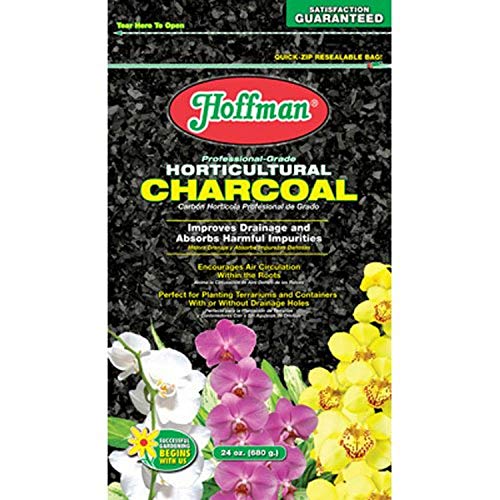
Hoffman 17502 Charcoal Soil Conditioner 24-Ounce

PlantBest Coco Mulch Compressed Block 9.1 lb

Back to the Roots 25.7qt Organic Premium Compost

PlantBest Coco Peat Garden Soil Concentrated Mix
The Picks, Examined More Closely
Earthworm castings aren’t a standalone potting soil, and that’s actually their strength. This 3 lb bag works as a soil enhancer that you mix into existing garden beds or container blends, feeding the beneficial microbes that keep roots happy. Gardeners dealing with depleted vegetable plots or tired indoor potting mixes tend to reach for castings specifically because they add organic matter without burning delicate roots.
Unlike the container-ready FoxFarm blend in the next pick, this product assumes you’re amending something you already have. That’s the trade-off: it’s versatile but not a complete growing medium on its own.
The Good Stuff
- Feeds soil microbes naturally, improving long-term soil health
- Improves water retention in sandy or fast-draining beds
- Won’t burn sensitive seedlings when used at recommended rates
- Compact 3 lb bag is easy to store in a garage or shed
- Works for both indoor houseplants and outdoor vegetable gardens
Things To Consider
- Not a standalone potting medium; must be mixed into existing soil
- Small bag size means frequent repurchasing for large garden projects
- Has a mild earthy odor that some indoor growers find noticeable
Feature Snapshot
Who Should Grab It
Vegetable gardeners and houseplant owners who want to enrich tired soil without switching to a full new growing medium.
Skip It When
You need a ready-to-use potting soil right out of the bag; the Back to the Roots Organic Premium Compost fits that need better.
FoxFarm’s Ocean Forest is the bag most container gardeners keep coming back to. The 1.5 cubic foot size suits anyone repotting several houseplants or filling a few patio planters in a single session. Its light, aerated texture encourages strong root development, which matters for everything from fiddle-leaf figs to tomato starts.
Where the Earthworm Castings from pick 1 acted as a supplement, this one is a complete growing medium right out of the bag. The blend includes earthworm castings alongside other organic components, giving young plants a richer start than basic nursery mixes typically provide.
Notable Gains
- Ready to use directly from the bag, no mixing required
- Aerated texture helps prevent compaction in containers
- Suitable for a wide range of container plants
Worth Noting
- Heavier and bulkier than compressed options like PlantBest’s coir block
- Some users report occasional fungus gnats in the first weeks
- May be richer than needed for drought-tolerant succulents and cacti
Right Fit For
Container gardeners and indoor plant parents who want a premium, ready-to-use blend for tropical foliage or flowering houseplants.
Look Elsewhere When
You need a lightweight, compressed alternative for small spaces; the PlantBest Coco Peat block offers that profile.
Horticultural charcoal is the unsung hero of terrariums and closed-container setups. The Hoffman 17502 comes in a manageable 24-ounce container, making it easy to measure into small projects. Porous charcoal bits pull excess moisture away from roots while filtering impurities that build up in enclosed spaces.
This isn’t a full soil the way FoxFarm’s blend is. Think of it as a specialized conditioner that solves specific drainage and freshness problems, especially useful for tropical plants in pots without drainage holes or for orchid bark mixes.
The Upside
- Improves drainage in dense or compacted potting mixes
- Helps absorb odors and impurities in enclosed terrariums
- Compact 24-ounce size suits small-scale indoor projects
- Slow-release nutrient content supports long-term root health
Trade Offs
- Niche product; not a standalone growing medium
- Small container size means topping up frequently for larger beds
Quick Facts
Built With In Mind
Terrarium builders and indoor tropical plant owners who struggle with root rot in containers lacking drainage holes.
Where A Sibling Pick Shines
Large outdoor bed projects call for something with more volume; the PlantBest Coco Mulch compressed block covers more ground.
Anyone who has wrestled a 40-pound bag of mulch to the back garden will appreciate this compressed coco block. At 9.1 pounds, it carries easily from the car and stores on a shelf without taking over the garage. Add water and it expands to roughly 64 quarts, covering up to 17.5 square feet as a top dressing.
This one serves a different purpose than the FoxFarm potting soil above. Where that product fills containers, PlantBest’s coco mulch lays on top of garden beds to suppress weeds and hold moisture around trees and shrubs. Coconut coir, the material here, is also peat-free, which matters for gardeners trying to reduce environmental impact.
The Value In It
- Lightweight 9.1 lb block replaces much heavier bulk mulch bags
- Expands significantly once water is added
- Peat-free coconut coir appeals to environmentally conscious gardeners
- Doubles as a weed barrier when laid thick enough over beds
Points To Note
- Requires water and a large container for expansion before use
- Not a fertilizer; primarily a top dressing or soil amendment
Whose Shelf It Belongs On
Landscapers and home gardeners refreshing flower beds, tree rings, and shrub borders who want an easier-to-carry alternative to traditional mulch bags.
Not Your Match When
You want a nutrient-rich compost for vegetable growing; the Back to the Roots Organic Premium Compost fits that role more directly.
This 1 cubic foot bag from Back to the Roots works as a versatile all-purpose compost. It suits herbs, vegetables, fruits, and flowers, whether you’re filling containers, refreshing raised beds, or top-dressing an in-ground plot. Peat-free composition sets it apart from many traditional mixes, which appeals to gardeners trying to avoid peat harvesting.
Compared to FoxFarm’s Ocean Forest earlier in this list, this is a more generalist option. The FoxFarm leans toward rich, moisture-loving tropicals, while this blend aims broader. You can spread it across a salad garden, window boxes, and patio planters with equal confidence.
Strengths Worth Knowing
- Peat-free formula reduces environmental impact
- Versatile enough for raised beds, containers, and in-ground gardens
- 25.7 quart volume suits medium-scale gardening projects
- Designed to support a wide variety of edible and ornamental plants
- Easy to pour and work into existing soil
Honest Caveats
- Single bag may not cover very large landscaping projects
- General-purpose blend lacks the premium amendments of specialty soils
Feature Card
Best Suited To
Home gardeners running mixed beds of edibles and ornamentals who want one flexible bag for multiple projects.
Another Choice May Suit
Specialty tropical or orchid growers; the Hoffman charcoal conditioner works better for those drainage-sensitive setups.
PlantBest’s concentrated coco peat block takes up about the same shelf space as the mulch block from pick 4 but is intended as a potting mix base rather than a top dressing. The 11-pound compressed brick expands to roughly 79 quarts once water hits it, giving apartment growers a serious volume boost from something they can carry up three flights of stairs without a struggle.
The triple-washed, low-salt formulation makes this safer for seedlings than some cheaper coir products. Gardeners starting seeds indoors or repotting a collection of small houseplants find this format especially practical compared to dragging a heavy bale of peat moss home.
The Practical Payoff
- Concentrated format is far easier to transport than bulky peat bales
- Triple-washed and low in salts, safer for young plants
- Peat-free coconut coir supports sustainable gardening choices
- Expands to roughly 2.65 cubic feet for multiple small projects
Less Ideal Details
- Needs soaking time and a large bucket for proper expansion
- Neutral mix requires added fertilizer for heavy-feeding plants
- Less convenient for single small repotting jobs than a pre-mixed bag
Made For
Apartment dwellers and indoor gardeners who want peat-free, lightweight growing medium they can store in a closet until needed.
Reach For A Different Pick When
You want a complete, nutrient-rich mix ready to pour around mature plants; FoxFarm Ocean Forest Potting Soil handles that better.
Matching Soil To What You Grow
Container vs. In-Ground Differences
Container plants live in a small, enclosed space where drainage matters enormously. Potting mixes like FoxFarm Ocean Forest are blended to stay light and airy, which prevents the compaction that kills roots in a confined pot. In-ground gardens have more natural drainage and biology at work, so amending with compost or worm castings often does more than swapping the entire soil profile.
Organic Matter and Microbial Health
Healthy soil is alive, full of beneficial microbes, fungi, and insects that break down nutrients into forms roots can absorb. Organic amendments like Earthworm Castings feed that underground ecosystem. Without organic matter, soil becomes dirt: sterile, prone to crusting, and resistant to water infiltration. Gardeners rebuilding tired beds usually see the biggest improvements by adding organic content rather than switching to a different fertilizer.
Drainage and Aeration Trade-Offs
Some plants love wet feet, like bog-loving marginals and certain tropicals. Others, especially succulents, Mediterranean herbs, and orchids, demand sharp drainage or their roots rot. Charcoal conditioners and coarse amendments help in these cases, but the base mix matters most. Matching drainage to the plant is more important than chasing the richest blend on the shelf.
Peat and Environmental Considerations
Peat moss has been the standard in potting mixes for decades, but peat bogs are slow-renewing ecosystems, and harvesting them releases stored carbon. Coconut coir, the material in both PlantBest blocks above, offers similar water retention with a lighter footprint. Back to the Roots also markets a peat-free formulation. For gardeners weighing sustainability alongside performance, these options have closed most of the gap.
Before You Choose
Where Shoppers Go Wrong
The most common slip-up is buying a single “all-purpose” bag and assuming it works for every plant. Succulents rot in moisture-rich mixes, and bog plants sulk in fast-draining cactus blends. Read the plant’s preferences before choosing the soil, not after.
Where The Extra Money Goes
Premium blends like FoxFarm include organic amendments, beneficial microbes, and carefully balanced pH from the start. Budget bags often rely mostly on peat or filler with little nutritional content. The upgrade pays off most for container plants, which have no access to native soil biology, and for seedlings, where a strong start matters most.