A planer earns its place the moment you start milling rough-sawn lumber into furniture-grade boards. Cabinetmakers, trim carpenters, and weekend builders all reach for one, but the right model depends on whether you trim doors on-site or flatten slabs in a small shop. This roundup covers cordless hand planers for trim work, heavy benchtop thickness planers for processing stock, and a few specialty picks that round out the kit.
The Main Contenders

Makita DKP180Z 18V LXT Cordless Planer 82mm

Makita XPK01Z 18V LXT Cordless 3-1/4″ Planer

Forvencer 2026-2027 Academic Planner 8.5×11″
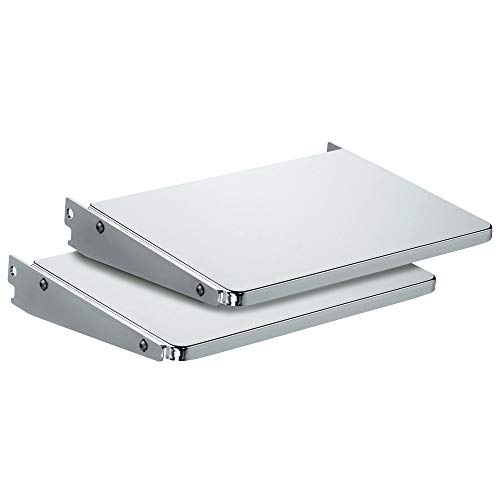
DEWALT DW7351 Planer Folding Table Accessory
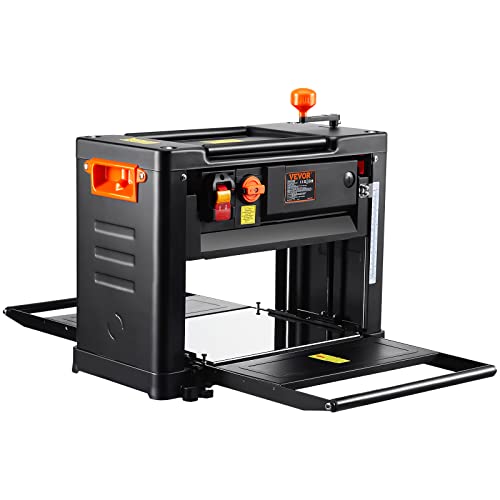
VEVOR 13″ Three-Blade Benchtop Planer

VEVOR 13″ Two-Blade Benchtop Planer 2000W
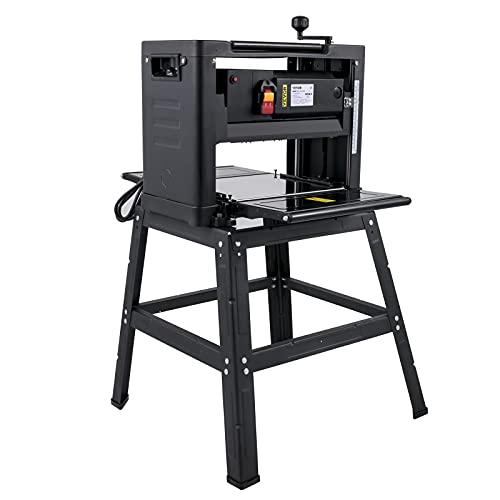
VEVOR 13″ Foldable Benchtop Planer 2000W
The Picks, Examined More Closely
Trim carpenters who bounce between job sites know the pain of dragging an extension cord across a finished floor. The Makita DKP180Z solves that by running on the same 18V LXT slide-style battery that powers the rest of the Makita cordless lineup, so you can drop it in from a drill, an impact driver, or a recip saw and keep moving.
The 82 mm cutting width (roughly 3-1/4 inches) trims doors, jambs, and hardwood edges in single passes, which matters when you are fine-tuning a fit on a stair landing. Body-only means you bring your own battery and charger, and that is a real cost consideration for anyone just starting a Makita collection.
Good Reasons To Consider
- Slides onto existing 18V LXT batteries, no new charger required for current Makita owners.
- 82 mm width covers most door and casing trimming without rework.
- Cordless operation reaches attic stairs, second-story landings, and exterior decks.
- Compatible with the broader LXT platform, which is the largest 18V cordless tool family on the market.
Honest Caveats
- Body-only kit means battery and charger are separate purchases, a real hurdle for first-time Makita shoppers.
- Heavier than a corded handheld once a 5.0Ah battery is mounted, so fatigue on overhead work is a fair concern.
Feature Snapshot
Whose Shelf It Belongs On
Trim carpenters, remodelers, and serious DIYers already invested in the Makita 18V LXT platform who need a portable door and edge trimmer.
Where Another Pick Suits Better
Workshop users processing rough lumber will get far more use from the VEVOR 13″ Three-Blade Benchtop Planer, which handles stock at scale rather than individual trim pieces.
The XPK01Z is the spiritual cousin of the DKP180Z, sharing the 18V LXT battery system and the 3-1/4″ planing width. Where it separates itself is the slightly more refined depth adjustment and dust port, which matters when you are trimming inside a finished room and need chips to actually land in the bag rather than on the floor.
You may find the XPK01Z a touch smoother on long trim runs, especially on hardwoods like white oak or hard maple, where the extra torque headroom keeps the cutter from bogging. The trade-off shows up in weight, because the XPK01Z feels marginally heavier in the hand, and the depth dial is a little stiffer to turn.
What Makes Sense
- 3-1/4″ planing width handles full-width door trimming without leaving a witness line.
- Runs on 18V LXT batteries, so existing Makita owners skip a new charger.
- Refined dust port plays well with a shop vac, reducing cleanup on interior trim jobs.
- Solid depth adjustment dial that holds setting during heavy cuts.
Trade Offs
- Tool-only, so factor in battery cost if you are new to the LXT platform.
- Slightly heavier than the DKP180Z, which can wear on extended overhead passes.
Best Suited To
Finish carpenters and remodelers who trim doors and built-ins in finished spaces and want cleaner dust capture.
Swap It Out When
Homeowners doing one weekend of door fitting should look at the VEVOR 13″ Foldable Benchtop Planer for shop work, or skip the cordless premium if corded access is easy.
A planner in the truest sense, the Forvencer 2026-2027 covers July 2026 through June 2027, lining up with the academic calendar rather than the calendar year. The 8.5×11″ size gives you generous writing space for block-scheduled class loads, lab times, and extracurriculars that a pocket-sized organizer would crowd.
Inside, monthly and weekly layouts cover the full 12-month run, and bonus monthly pages for the April through June 2026 transition help bridge the gap before the planner officially starts. Students juggling multiple syllabi, parents coordinating school pickups, and teachers mapping lesson plans benefit most from the roomy page count.
Everyday Perks
- Academic-year layout matches how schools, universities, and tutoring programs actually run.
- Full 8.5×11″ page size leaves room for color-coded class blocks, study hours, and assignment notes.
- Bonus transition pages (April-June 2026) help bridge into the main year without losing records.
Worth Noting
- Only relevant for shoppers tied to the July-to-June academic calendar; standard calendar-year users may find the start date inconvenient.
- Larger page size means it does not slip into a small bag the way a pocket planner does.
Quick Facts
Perfect Match For
Students, teachers, and parents who organize life around the school year and want a full-size paper planner rather than a digital calendar.
Consider Something Else When
Woodworkers and shop owners who need a planning tool for projects should reach for the VEVOR 13″ Three-Blade Benchtop Planer instead, since this is a paper planner rather than a woodworking tool.
The DW7351 is not a planer itself, it is a folding aluminum outfeed and infeed table that bolts onto the DEWALT DW735 13″ thickness planer. For shop owners, the table fills the long gap between benchtop planer and roller stand, supporting full 6-foot boards as they exit the cutter head without sag or snipe.
The aluminum construction keeps the accessory light enough to fold down and stow against a wall, which matters in small shops where every square foot counts. Easy on/off mounting means you can swap it between machines or take it off entirely when the planer needs to live against a back wall.
Points In Its Favor
- Lightweight aluminum frame stays rigid under full-width boards yet folds flat for storage.
- Direct fit for the DW735 means no drilling, shimming, or fabrication to install.
- Supports long stock on both sides of the cutter, which reduces snipe and uneven passes.
Things To Consider
- Only fits the DEWALT DW735, so shoppers running other benchtop planers have no use for it.
- Outfeed tables like this extend the shop footprint, a real constraint in a one-car garage workspace.
Feature Rundown
Right Fit For
DW735 owners who mill full sheets and long boards in a small shop and need outfeed support that does not consume floor space when not in use.
Not Your Match When
Shoppers without a DW735 should pick a complete planer, like the VEVOR 13″ Three-Blade Benchtop Planer, rather than an accessory for a different machine.
Three-blade cutter heads leave a finer finish than the older two-blade designs because each pass crosses more knives, which reduces the scallop height between cuts. VEVOR’s three-blade benchtop planer brings that smoother surface to hobbyist woodworkers who would otherwise hand-sand their way to a finish-ready board.
Two feed speeds let you drop down for figured hardwoods that might otherwise tear out, and back up to the higher gear for hogging waste off construction-grade pine. The 13″ width accepts full stock from a standard lumberyard, and the pull-out extensions stretch the support out to roughly 35″ total, enough to keep a 4-foot board flat through the cut.
Advantages To Know
- Three-blade cutter head leaves a finer, more sand-ready surface out of the machine.
- Two feed speeds handle both softwood dimensioning and hardwood finish passes.
- 13″ width covers most full-size lumber without rip saw prep.
- Pull-out extensions stretch support for longer boards, reducing snipe.
Where It May Fall Short
- Heavier than a true portable planer, so you will want a dedicated bench or stand rather than a folding workstation.
- Dust collection is essential; without a shop vac hookup, chips accumulate fast at the cutter head.
Who It Suits Best
Hobbyist and intermediate woodworkers building furniture and cabinets who want smoother off-the-cutter surfaces and the flexibility of two feed speeds.
Look Elsewhere When
Shoppers prioritizing portability over finish quality should consider the VEVOR 13″ Foldable Benchtop Planer, which trades the third blade for a storable stand.
VEVOR’s two-blade benchtop planer runs on a 15-amp, 2000W motor that chews through 6″ thick, 13″ wide boards without the bogging-down that lighter motors hit on dense hardwoods. The 12″ extended infeeding table supports long stock right where it matters, just before the cutter, where unsupported boards tend to dip and leave an uneven pass.
The housing is built for both hard and soft wood, so the same machine handles cherry and fir without a bit of fuss, and the low-noise design keeps the shop volume reasonable on long milling sessions. The trade-off is the two-blade cutter, which leaves a slightly rougher finish than the three-blade sibling above and means a quick pass through the drum sander before finishing.
A Few Highlights
- 15-amp, 2000W motor handles dense hardwoods without bogging.
- 12″ extended infeeding table supports long boards at the entry point, reducing snipe.
- Works on both hard and soft wood, no bit changes or feed adjustments between species.
- Low-noise design keeps shop volume manageable during long milling runs.
Points To Keep In Mind
- Two-blade cutter leaves a coarser surface than three-blade designs, often requiring a follow-up sanding pass.
- Heavier chassis demands a sturdy bench; rolling stands may flex under full-width cuts.
Key Product Details
Made For
Garage-shop woodworkers and small-professional shops milling rough lumber into cabinet and furniture stock who prioritize motor power over finish quality.
A Better Fit Elsewhere
Cabinetmakers chasing the smoothest off-the-cutter surface will be happier with the VEVOR 13″ Three-Blade Benchtop Planer, which adds a third blade to reduce sanding.
Small-shop woodworkers face a real estate problem: the benchtop planer is one of the biggest stationary tools in the lineup. VEVOR solves that with a foldable iron stand that drops the unit to a slim profile against a wall when the day’s cuts are done, freeing the floor for assembly or finishing work.
The 15-amp motor, 8000 rpm cutter head, and 6 m/min feed speed match the larger VEVOR siblings, so you are not giving up throughput for the space savings. The dust exhaust port helps keep the air clear in a basement or attached garage where dust tends to migrate into living space.
Notable Upsides
- Foldable iron stand drops the planer to a slim profile for wall storage in tight shops.
- 15-amp, 2000W motor and 8000 rpm cutter head deliver throughput comparable to larger benchtop models.
- Dust exhaust port connects to a shop vac, helping keep basement shops cleaner.
Possible Compromises
- Foldable stand is convenient but adds flex compared to a rigid bench, which can telegraph into cuts on very wide boards.
- Planing speed of 6 m/min is brisk, so beginners may want to start with shallow passes until they learn the feed rate.
Who Should Grab It
Woodworkers in small basements, one-car garage shops, or shared workspaces who need full planer capacity but cannot dedicate a permanent bench.
Skip It When
Shops with a dedicated stationary bench should consider the VEVOR 13″ Three-Blade Benchtop Planer, which delivers a smoother finish and a more rigid work platform.
What Matters Most Before Choosing Planers
Cordless hand planers live or die on battery platform. If you already run Makita 18V LXT, the DKP180Z or XPK01Z drops into your existing kit with no new charger, which lowers the real cost of ownership. Shoppers without that commitment pay a meaningful premium once batteries and a charger are added, and a corded handheld often makes more sense for occasional trim work.
Benchtop thickness planers vary on cutter count, motor power, and stand design. Three-blade heads leave a finer surface and reduce sanding, while two-blade heads remove stock faster and cost less. Motors in the 15-amp, 2000W class handle dense hardwoods without bogging, and pull-out extensions reduce snipe on long boards. Foldable stands help small shops, but rigid benches give you a more stable platform for full-width work.
Finally, dust collection is not optional. A benchtop planer throws a serious chip volume, and a shop vac hookup at the dust port saves the air quality of the rest of the shop. Planers without a clean dust path tend to clog, which shows up as burn marks on the boards and shortened blade life. Pair the planer with a stand, a vac, and a pair of outfeed rollers and the day-to-day experience is dramatically better.
Key Considerations Across These Picks
Common Shopping Slip Ups
The most common mistake is matching a planer to the wrong part of the job. Cordless hand planers shine on trim and door fitting, where portability matters, and benchtop thickness planers shine on rough lumber, where capacity and finish matter. Picking a benchtop for trim work or a cordless handheld for processing full boards ends in frustration. The other classic trap is forgetting dust collection in the budget. Planers without a hooked-up shop vac leave dust everywhere, and that dust ends up in your lungs and your finishes. Plan a vac or a dedicated collector from day one.
What The Higher Tier Buys
The jump from entry-level to mid-tier benchtop planers buys you a third blade, which is the single biggest upgrade in finish quality. Two-blade heads remove stock faster but leave deeper scallops that need sanding, while three-blade heads leave a near-finish-ready surface. Higher tiers also add rigid stands, larger dust ports, and longer infeed/outfeed extensions, each of which reduces the operator workarounds that eat shop time. For a hobbyist running a few projects a year, entry-level is plenty. For a small professional shop, the upgrade pays back in saved sanding and faster workflow within a season.
Frequently Asked Questions
What size planer do I need for hardwood furniture? A 13″ benchtop planer covers full-width dimensional lumber, which is the common starting point for hardwood furniture. Smaller widths force you to rip before planing, which adds steps and wastes material.
Cordless or corded handheld planer? Cordless models, like the Makita DKP180Z, free you from the outlet and extension cord, which matters on job sites and stair landings. Corded models cost less up front and never run out of battery, so they fit occasional workshop use.
How important is cutter-blade count? Three-blade heads leave a finer surface out of the machine, which reduces sanding time. Two-blade heads remove stock faster and usually cost less, but expect a follow-up pass through a sander for a finish-ready surface.
Do benchtop planers need dust collection? Yes. Planers produce a heavy chip volume, and a shop vac hooked to the dust port keeps the air clear and the cutter head from clogging. Skipping dust collection shortens blade life and fouls the shop air quickly.
Can a benchtop planer handle 6-inch thick stock? Models like the VEVOR 13″ planers accept up to 6″ of thickness in a single pass, which covers most furniture and cabinet stock. Thicker slabs require a different machine altogether.
The Takeaway
A planer is one of those tools that turns rough lumber into something usable, and the right model depends entirely on where you work. Cordless handhelds fit trim carpenters, benchtop models fit shop woodworkers, and the right accessory, like the DEWALT DW7351 table, stretches the value of an existing planer. Pick the form factor that matches the job, budget for dust collection, and the rest tends to fall into place.