I keep a small collection of pothos, ferns, and a stubborn fiddle leaf fig on my windowsill, and feeding them well changed everything about how they look. Most generic plant foods do the job, but the right nutrient profile makes leaves glossier, growth steadier, and repotting less of a gamble. Indoor gardeners tend to want one bottle that handles everything, while collectors with a prized specimen want a formula tuned to a single species. Either way, knowing what’s in the bottle matters more than the brand on the front. I pulled together six popular choices that cover everything from broad all-purpose feeds to specialty blends for fussier foliage.
An Overview Of The Picks

SUPERthrive Plant Vitamin Solution, 1 Pint
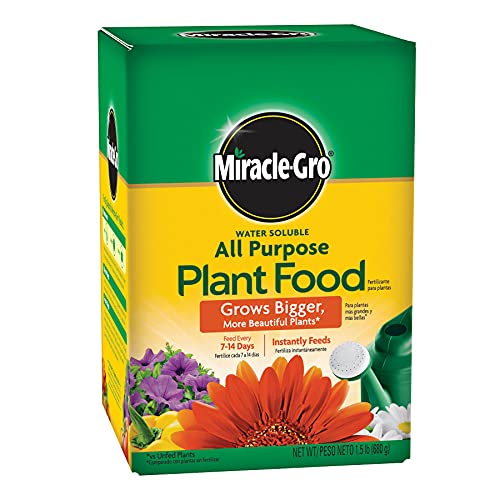
Miracle-Gro Water Soluble All Purpose Plant Food
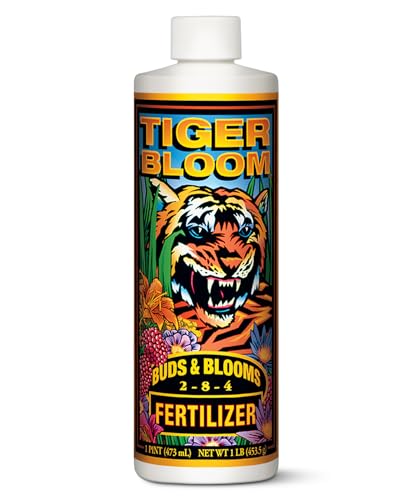
FoxFarm Tiger Bloom Liquid Plant Food 1 Pint

Big Green Leaves Indoor Plant Food 1 lb

Grow Goodies All Purpose Plant Food 1 LB

Fiddle Leaf Fig Plant Food 4X Concentrated
What Each Pick Brings To The Table
SUPERthrive has been a windowsill staple for decades, and the 1-pint bottle fits comfortably next to a watering pail. The liquid vitamin solution is brewed with kelp and is meant to be added to your regular watering routine, which means there’s no measuring of NPK ratios to memorize. Most indoor gardeners reach for it around repotting season, when roots are stressed and new growth is slow to show. It’s a quiet helper rather than a heavy feeder.
For someone with a mix of leafy houseplants and a few ornamentals, the bottle stretches far because a little goes into a full watering can. It’s the kind of product that earns its place on the shelf when you’ve recently brought home a new plant or moved something into a bigger pot. Compared with the broader all-purpose powders later on this list, SUPERthrive plays more of a tonic role than a meal.
Real Benefits
- Helps reduce transplant shock in newly potted or relocated houseplants.
- Kelp-based liquid adds trace nutrients without burning roots at label rates.
- A single pint lasts a long time when diluted into routine waterings.
- Useful for reviving cut flowers kept indoors.
Things To Consider
- It’s not a complete NPK source on its own, so most gardeners pair it with a primary fertilizer.
- The smell of kelp can be noticeable right after feeding in a small room.
Who It Suits Best
Repotting hobbyists and anyone nursing a plant through recovery benefit most from this gentle tonic.
Look Elsewhere When
Miracle-Gro Water Soluble All Purpose Plant Food is the better fit for someone who wants one bottle to feed a full shelf of mixed foliage.
Miracle-Gro’s blue powder is the closest thing to a default feed in most homes, and the 1.5-pound tub keeps a small indoor jungle going for months. You scoop, stir into a watering can, and pour. Because it dissolves fully, there’s no grit left in the saucer, and the included scoop keeps ratios honest. It works across foliage houseplants, herbs on the kitchen sill, and patio containers, which removes the guesswork from a mixed collection.
The honest read is that it’s a workhorse, not a specialist. Where SUPERthrive plays a supportive role, this one carries the bulk of the feeding schedule for most beginners. For households that want one container in the cabinet rather than three, the all-purpose claim holds up well at label rates. I’ll note that some sensitive plants appreciate a lighter dose, so starting on the conservative end is a sensible habit.
Useful Highlights
- Feeds most houseplants, herbs, and patio containers from a single tub.
- Water-soluble formula delivers nutrients immediately through the root zone.
- Won’t burn foliage when used at the recommended dilution.
- Pairs well with a standard watering can for quick weekly routines.
Points To Keep In Mind
- A dry powder means you need a dedicated scoop and stir routine.
- Sensitive species like certain ferns may prefer a weaker dilution than the label suggests.
Feature Snapshot
Made For
Beginners with a mixed shelf of houseplants who want one reliable feed that does most jobs.
Consider Something Else When
FoxFarm Tiger Bloom Liquid Plant Food is a smarter pick for someone growing indoor flowering plants that need a bloom-focused ratio.
Tiger Bloom is a phosphorus-forward liquid with a 2-8-4 NPK ratio, meaning the middle number (phosphorus) leads the charge. Phosphorus drives bud set and flower development, so this bottle earns its keep on flowering houseplants like African violets, begonias, and indoor citrus. The formula is built to work in soil or hydroponic setups, which gives flexibility to growers who run a small reservoir system.
Compare that to Miracle-Gro’s all-purpose approach, and the difference is intent: that one aims to keep leaves green, while this one pushes blooms. It runs alongside FoxFarm’s own Grow Big and Big Bloom in a typical trio, but on its own, Tiger Bloom still does useful work during the flowering phase. For someone chasing repeat blooms on a window-bright shelf, that phosphorus tilt makes a visible difference.
What Works In Its Favor
- 2-8-4 ratio supports bud and flower development on indoor bloomers.
- Works in soil containers and hydroponic reservoirs.
- Liquid format mixes quickly into feed water without residue.
Honest Caveats
- Not balanced enough to feed leafy foliage plants year-round without supplementation.
- Best used only during the bloom phase, so you’ll want a different feed for vegetative growth.
- Hydroponic use means careful pH management in reservoir setups.
Whose Shelf It Belongs On
Indoor growers focused on flowering plants and bud development get the most from this phosphorus-led feed.
Reach For A Different Pick When
Big Green Leaves Indoor Plant Food fits better for foliage-only collections that don’t need a bloom boost.
Big Green Leaves is built for indoor foliage first, and the 4X concentration means a single 1-pound pouch makes a generous amount of feed water. The 12-4-8 ratio leans nitrogen-heavy, which is what fuels leaf production and deep green color. Importantly, the formula is urea-free and includes organic sea kelp, which keeps it gentle on roots that sit in low-light apartments.
This is the bottle for someone whose living room is essentially a jungle of pothos, philodendrons, monsteras, and ferns. The urea-free profile matters here: urea is a fast nitrogen source that can burn sensitive roots, so skipping it makes the feed safer for less-than-ideal light conditions. Compared with the broader feeds earlier on the list, this one feels purpose-built for foliage, and the small jar fits on a narrow kitchen shelf.
The Upside
- 4X concentration means less product to store per feeding cycle.
- 12-4-8 NPK profile drives fuller, greener foliage growth.
- Urea-free and enhanced with sea kelp for sensitive indoor roots.
- Supports soil microbes alongside the plants themselves.
- Concentrate form makes for tidy storage in small apartments.
Trade Offs
- Higher nitrogen doesn’t favor heavy bloomers indoors.
- Concentrate requires careful measuring to avoid overfeeding.
Spec Overview
The Right Fit
Foliage-focused plant parents in apartments with mixed low- and medium-light species benefit most from this gentle nitrogen feed.
Not Your Match When
Fiddle Leaf Fig Plant Food is the better pick for owners of a single prized fiddle leaf fig who want a species-specific formula.
Grow Goodies takes a different route than the rest of this list by using a balanced 16-16-16 NPK ratio, meaning all three macronutrients sit at equal strength. That equal profile, paired with organic seaweed and kelp, gives it crossover appeal for both indoor and patio use. The 1-pound tub covers a generous feeding schedule, and the brand leans into roses, orchids, tomatoes, and vegetables alongside houseplants.
Where Tiger Bloom targets phosphorus and Big Green Leaves targets nitrogen, this feed splits the difference. For someone who drags a few pots onto a balcony in summer and brings them back inside for winter, a balanced feed simplifies the transition. Depending on your collection, the triple-16 strength can run hot for sensitive indoor species, so a diluted application is often the smart move.
A Few Strong Suits
- Balanced 16-16-16 ratio handles foliage, blooms, and roots in one feed.
- Organic seaweed and kelp add micronutrients and trace elements.
- Works for indoor shelves as well as patio roses, orchids, and vegetables.
Less Ideal Details
- Triple-16 strength may be intense for sensitive indoor species at full dose.
- Balanced ratio won’t push blooms or foliage as hard as targeted feeds.
Best Suited To
Plant parents juggling indoor shelves and a patio or windowsill vegetable garden benefit from this crossover formula.
Swap It Out When
SUPERthrive Plant Vitamin Solution is a smarter companion for anyone focused on transplant recovery rather than general feeding.
This is a specialty blend aimed squarely at fiddle leaf figs and other ficus species that owners tend to fuss over. The 12-4-8 NPK ratio mirrors Big Green Leaves but is marketed specifically for ficus, with extra emphasis on leaf size and stress tolerance. It’s also urea-free and 4X more concentrated than a standard liquid, so a small bottle stretches a long way.
For someone whose living room is anchored by a single fiddle leaf fig, a species-tuned feed tends to outperform a generic option. The fast-acting claim matters here because fiddle leaf figs show problems quickly: brown edges, drooping, or stalled growth. Owners commonly report that a steady nitrogen-led routine helps new leaves unfurl larger and steadier. Compare that to Miracle-Gro’s generalist approach, and the difference shows up in how confidently each leaf matures.
What Pays Off
- 12-4-8 ratio tuned for ficus leaf and stem development.
- Urea-free formulation suits the sensitivity of fiddle leaf fig roots.
- 4X concentration means a small bottle lasts through many feedings.
- Built to support stress tolerance during moves and seasonal shifts.
- Fast-acting profile helps plants bounce back from visible issues.
Worth Noting
- Specialty formula is overkill for mixed collections of unrelated species.
- Concentrate requires precise dilution for best results.
Feature Card
Who Should Grab It
Owners of a prized fiddle leaf fig or ficus collection who want a species-specific formula get the most value here.
Where A Sibling Pick Shines
Big Green Leaves Indoor Plant Food is the better match for households with several different foliage houseplants beyond just ficus.
Picking The Right Feed For Your Indoor Garden
Match The NPK Ratio To Your Plants
The three numbers on any fertilizer stand for nitrogen, phosphorus, and potassium, in that order. Nitrogen fuels green foliage, phosphorus drives blooms and roots, and potassium supports overall plant vigor. For a shelf of leafy houseplants, a nitrogen-led ratio like 12-4-8 makes sense. For flowering indoor plants, a phosphorus-led ratio like 2-8-4 helps buds set. A balanced ratio such as 16-16-16 handles both jobs at once but rarely excels at either.
Decide Between Liquid, Powder, And Concentrate
Liquid feeds mix instantly into watering cans and leave no residue, which suits a quick weekly routine. Powdered feeds like Miracle-Gro dissolve fully but require a stir. Concentrated formulas, whether liquid or powder, last longer per bottle but demand careful measuring. For small apartments with limited storage, a concentrate tends to win out, while for busy households that want a simple scoop-and-pour, a ready-to-mix powder feels easier day to day.
Watch For Urea-Free Formulations
Urea is a common fast-release nitrogen source, and it can burn sensitive roots in low-light indoor setups where plants drink less frequently. Urea-free feeds trade a little speed for gentler delivery, which suits fiddle leaf figs, philodendrons, and other species that sulk after a heavy meal. If your collection leans toward delicate foliage, this single ingredient swap can change how your plants respond.
Choose Based On Your Collection
A mixed shelf of unrelated houseplants usually does best with a balanced all-purpose feed. A focused collection of foliage plants leans toward nitrogen-led concentrates, while a flowering shelf benefits from a phosphorus-led liquid. Specialty blends make sense for one prized plant, but they’re an inefficient choice when you have a dozen different species sharing the same watering can.
Smart Habits For Choosing And Using These Feeds
Mistakes Worth Dodging
Overfeeding is the most common slip in indoor plant care, since salt buildup in potting soil can scorch roots long before leaves show a problem. Diluting to half the label strength on sensitive species keeps growth steady without risk. Another trap is feeding a dormant plant in winter; most indoor plants slow down significantly in lower light, and pushing growth then often leads to leggy, weak stems by spring.
Where The Extra Money Goes
Specialty feeds like the Fiddle Leaf Fig blend cost a premium because the formula is tuned to a single genus, with urea-free nitrogen and added organics that support stress recovery. That refinement matters when one plant anchors a room, but for a varied shelf, a balanced feed covers the same nutritional ground at lower cost. The honest case for upgrading is when a single plant matters more to you than the rest of the collection combined.
Frequently Asked Questions
How often should indoor plants be fertilized?
Most indoor plants benefit from feeding every two to four weeks during the active growing season, which usually means spring through early fall. In winter, monthly feedings or a pause altogether tend to work better for most species.
Can I use the same fertilizer for all my houseplants?
A balanced all-purpose feed handles most houseplants safely, though specialty formulas do a better job on flowering or sensitive species. For a small mixed collection, one well-chosen all-purpose bottle is often the simplest path.
Are concentrated fertilizers better than ready-to-use liquids?
Concentrates last longer per bottle and tend to cost less per feeding, but they require careful measuring. Ready-to-use liquids skip the measuring step, which helps beginners avoid overfeeding mistakes during the first few months.
Is urea-free fertilizer worth the extra cost?
For sensitive species like fiddle leaf figs, philodendrons, and ferns, urea-free feeds reduce the risk of root burn in low-light indoor conditions. For tougher plants like pothos, the difference matters less in practice.
Should I fertilize a plant that is recovering from stress?
It’s usually wise to wait until a stressed plant shows new growth before resuming a regular feeding schedule. A gentle vitamin tonic like SUPERthrive can support recovery without pushing growth before the roots are ready.
Wrap Up
The right indoor fertilizer depends less on brand loyalty and more on the plants sitting in front of you. A leafy shelf of pothos and philodendrons, a single prized fiddle leaf fig, and a windowsill herb garden each want something different. Start with the plants you actually own, then match the NPK ratio, form, and gentleness to their needs. The bottle that earns its space on your shelf is the one that fits your routine, not the one with the loudest label.