Most indoor plants live their whole lives in a single container, so the soil inside that pot is their entire world. The wrong blend suffocates roots or floods them, and a starving plant slowly loses color weeks before you notice. I pulled together six options that handle the basics well, from a snake plant mix to organic worm castings and a ready-to-use liquid feed, so your greenery can settle in and actually thrive.
Your Options, Compared

GARDENERA Premium Snake Plant Potting Soil Mix (1 Quart)

Earth Science Earthworm Castings 3 lb

Gardenera Snake Plant Spray Fertilizer Mist 8oz

Worm Bliss Organic Worm Castings 1 Qt
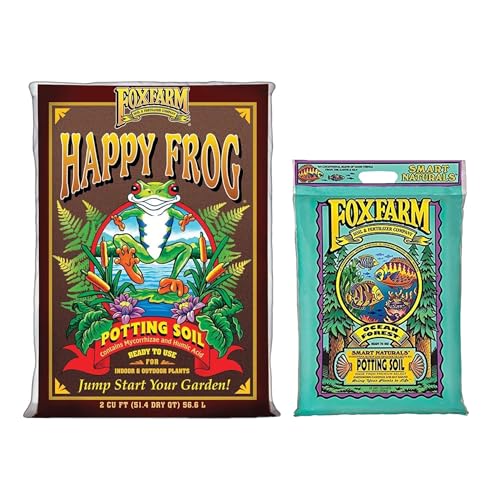
FoxFarm Happy Frog + Ocean Forest Bundle

Gardenera Premium Liquid Snake Plant Fertilizer 3-1-2 8oz
The Strengths Of Each Pick
Snake plants want a mix that drains fast, and GARDENERA’s blend leans into that with peat moss, perlite, lime, and earthworm castings working together. The perlite (small white volcanic pebbles) opens up air channels so water moves through instead of pooling around the roots, which matters because Sansevieria hate wet feet. The earthworm castings feed the soil gently, while lime balances pH so nutrients stay available to the plant.
A single quart bag is enough for one medium pot or two small ones, so it suits anyone repotting a single snake plant rather than redoing a whole shelf. For a busy household plant owner, this takes the guesswork out of mixing your own.
Benefits That Matter
- Fast-draining blend built around perlite and peat to prevent root rot in arid-loving species.
- Earthworm castings add slow-release organic nutrition without chemical buildup.
- Lime adjusts pH so the plant can actually absorb the available nutrients.
- Compact 1-quart size keeps storage simple on a gardening shelf or in a closet.
Things To Consider
- Specialized for snake plants, so it is not the right base for moisture-loving tropicals.
- One quart is small for anyone repotting several plants at once.
Made For
Snake plant owners repotting one or two plants who want a ready-mixed, well-draining substrate.
Look Elsewhere When
You run a mixed shelf of tropicals, where the bulk FoxFarm Happy Frog + Ocean Forest bundle gives broader versatility.
Earthworm castings are not a potting soil on their own, but mixed into existing soil they work like a gentle upgrade. Earth Science offers a 3 lb bag, and worm castings in general help soil hold water longer while feeding the beneficial microbes that keep the root zone active. Think of it as compost without the smell or the homemade mess, ready to scoop straight from the bag.
For a container gardener whose soil is getting tired after a season, a small handful mixed in can refresh texture and biology. It also works as a light top-dress, sprinkled on the surface to release nutrients slowly with each watering.
Real-World Strengths
- Improves water retention in fast-draining potting mixes that dry out too quickly.
- Feeds soil microbes, which over time makes nutrients more available to roots.
- Useful as both an amendment (mixed in) and a surface top-dress.
- Three-pound size covers many small pots over several months.
Worth Noting
- Not a standalone soil, so it must be combined with a base mix.
- Stores best in a sealed bin because dry castings can clump in humid rooms.
Feature Snapshot
Best Suited To
Plant owners refreshing an existing potting mix rather than starting from scratch.
A Better Fit Elsewhere
You are repotting into a fresh batch for the first time, where the GARDENERA Premium Snake Plant Potting Soil Mix gives a complete base.
Foliar feeding, or misting nutrients directly onto leaves, is a quick way to perk up a snake plant that looks dull. Gardenera’s mist uses a 3-1-2 ratio (the numbers stand for nitrogen, phosphorus, and potassium), with nitrogen leading to support steady leaf growth. The spray bottle format makes it easy to treat individual leaves without overwatering the soil below.
Compared with the GARDENERA Premium Snake Plant Potting Soil Mix earlier in this list, this is a complementary product rather than a substitute. The mist handles the leaves, while the soil mix handles the roots, and most snake plant owners find they want both over the life of the plant.
The Helpful Details
- Gentle 3-1-2 blend suited to a slow-growing species like Sansevieria.
- Spray format avoids disturbing the root zone or overwatering.
- Compact 8 oz bottle stores easily in a kitchen drawer.
Trade Offs
- Aerosol delivery means the bottle eventually runs out faster than a concentrate.
- Leaves should be wiped occasionally, as misted surfaces can collect dust over time.
Whose Shelf It Belongs On
Snake plant owners who like a quick, low-mess way to refresh leaves between waterings.
Reach For A Different Pick When
You want a long-lasting feed that stretches across many pots, where the Gardenera Premium Liquid Snake Plant Fertilizer 3-1-2 Concentrate goes further per bottle.
Worm Bliss positions itself for gardeners who want an organic amendment without sorting through manure options. The castings are described as 100% vegan and manure-free, so they skip the smell and texture concerns that put some people off worm-based products. They are also OMRI-listed (a third-party organic materials review used by growers who care about certification).
As a soil booster for vegetables, flowers, and general potting mixes, this fits a kitchen-garden routine more than a houseplant shelf. A quart goes a long way when stirred into a big container of base soil at a 1-to-4 ratio.
Practical Pluses
- OMRI-listed status supports organic gardening claims for shoppers who track that.
- Manure-free and vegan-friendly production, useful for households avoiding animal byproducts.
- One-quart size covers multiple small pots or one large planter.
- Mixes cleanly into potting soil without clumping if you break it up first.
Points To Note
- Works best blended into soil, not used on its own as a planting medium.
- Lighter volume than Earth Science’s 3 lb bag, so heavy users may repurchase more often.
The Right Fit
Organic-focused gardeners amending vegetable or flower containers with a manure-free castings product.
Consider Something Else When
You are looking for a larger volume for routine top-dressing, where the Earth Science Earthworm Castings 3 lb covers more pots over time.
FoxFarm ships this as a two-soil bundle: a 2 cubic foot bag of Happy Frog and a 12 quart bag of Ocean Forest. Happy Frog is built around soil microbes and earthworm castings for steady nutrient uptake, while Ocean Forest brings bat guano and aged forest products into a richer, ready-to-use mix. Having both on hand lets a plant owner match the soil to the plant.
For anyone running a larger indoor jungle or a patio full of containers, the combined volume is the real draw. You may find smaller bags run out after just a few repottings, and the bulk approach keeps you from scrambling mid-project.
Features That Help
- Two complementary blends cover most common container plants in one purchase.
- Happy Frog’s microbial content supports long-term root efficiency.
- Ocean Forest is ready-to-use, so newly potted plants get nutrients right away.
- Bulk packaging reduces trips to the garden center for big projects.
Minor Gripes
- Bags are heavy and bulky, so storage space matters in smaller homes.
- Once opened, the soil needs a sealed bin to stay dry between uses.
Quick Facts
Who Should Grab It
Houseplant collectors managing a dozen or more pots who want flexibility between two blend strengths.
Not Your Match When
You only own a couple of small pots, where the GARDENERA Premium Snake Plant Potting Soil Mix is a more proportional purchase.
A liquid concentrate gives the most flexibility per bottle, and this 3-1-2 formula from Gardenera is built specifically for Sansevieria. Because you dilute it into your regular watering can, a single 8 oz bottle can stretch across many months of routine feedings. The nitrogen-heavy ratio supports the upright leaf growth that makes snake plants look sculptural in a room.
Where the Gardenera Snake Plant Spray Fertilizer Mist earlier targets the leaves, this one works through the roots, so the two serve different parts of the care routine. Most snake plant owners who feed regularly use a diluted liquid feed during the active growing season.
What Helps Most
- Concentrate format dilutes into water, so one bottle covers many feedings.
- Balanced 3-1-2 ratio suits the slow, steady growth habit of snake plants.
- Liquid form is fast-acting and easy to control for underfed or hungry plants.
Softer Spots
- Requires accurate measuring to avoid overfeeding in a small pot.
- Only useful during active growth, so winter applications should be reduced.
Built With In Mind
Snake plant owners who want a long-lasting concentrate to add to their regular watering schedule.
Swap It Out When
You prefer a no-mess routine that treats leaves and soil at once, where the Gardenera Snake Plant Spray Fertilizer Mist is simpler to apply.
Matching Soil To The Way You Pot
Container plants need a medium that balances moisture with airflow, since their roots cannot stretch outward to find what they need. Drainage is the first thing I look at, and perlite or pumice in the ingredient list usually signals a mix that will not stay soggy after watering. For most tropical houseplants, a peat or coco coir base (coco coir is shredded coconut husk fibers used as a sustainable alternative to peat) holds just enough moisture between drinks without compacting.
Texture matters as much as the label. A blend that feels gritty in your hand tends to drain faster, while a fine, dark mix holds water longer and suits ferns or calatheas. For snake plants and other succulents, a faster-draining, cactus-leaning texture is the safer starting point, which is what the GARDENERA Premium Snake Plant Potting Soil Mix is built around.
Nutrients come into play once the structure is right. Fresh bagged soil usually carries enough feed for the first month or two, and after that an amendment or liquid feed picks up the slack. Worm castings like Earth Science or Worm Bliss release nutrients slowly, while a 3-1-2 liquid concentrate like the Gardenera Premium Liquid Snake Plant Fertilizer gives faster, more controlled feeding when a plant actually needs it.
Finally, think about volume and storage. Bulk bags such as the FoxFarm bundle save trips but need a dry bin to stay usable. Specialty mixes come in smaller bags that fit a closet but run out quickly for larger collections. Matching bag size to your actual shelf of plants keeps waste low and the routine simple.
What To Weigh Before You Pick
Mistakes Worth Dodging
Most container-soil headaches start with picking a blend that fights the plant’s natural rhythm. A moisture-retentive mix shoved into a snake pot stays wet and rots the roots, while a gritty cactus blend in a fern container dries out before lunch. Match the soil to the species, not the other way around.
Another common slip is treating worm castings as a complete soil on their own. They are a supplement, not a planting medium, so they belong stirred into a base mix or sprinkled on top, never used as the sole substrate in a pot.
Where The Extra Money Goes
Premium potting soils earn their higher price through better amendments and more consistent texture. FoxFarm’s blends, for example, add microbes and aged forest products that a cheaper bag skips, which can mean faster root growth and fewer repot rescues later on. Specialty mixes like the GARDENERA Premium Snake Plant Potting Soil Mix charge more because they are tailored to a single species, and that specificity pays off when the alternative is a generic bag that needs adjusting anyway. For anyone with a focused collection, that targeted approach usually saves money in the long run.
Frequently Asked Questions
How often should I replace potting soil in containers?
Most container plants benefit from a fresh soil refresh every one to two years, since the organic matter in the mix breaks down and drainage slows. Slow-growing snake plants can stretch that timeline, while heavy feeders like pothos or philodendrons usually want yearly attention.
Can I mix two different potting soils together?
Yes, blending soils is a common practice for tailoring drainage and nutrition to a specific plant. Many indoor gardeners mix a richer blend like Ocean Forest with perlite or a cactus mix to hit a middle-ground texture that suits a wider range of species.
Do I need to add fertilizer if my potting soil already contains nutrients?
Most bagged soils feed a plant for roughly the first month or two. After that, a worm casting amendment or a diluted liquid fertilizer keeps growth steady without overwhelming the roots, especially during the active spring and summer months.
Is coco coir better than peat moss for potted plants?
Both hold moisture well, though coco coir rehydrates more easily and breaks down more slowly than peat. Peat is widely available and slightly more acidic (meaning it lowers soil pH), which suits acid-loving plants like ferns, while coco coir is a popular sustainable alternative that works for most common houseplants.
How do I know if my potting soil has gone bad?
Old soil often feels compacted, smells sour, or develops a white crust on the surface from mineral buildup. Any of those signs mean the structure has broken down and the plant will do better in a fresh batch.
The Takeaway
Container plants only have the soil you give them, so picking the right blend pays back in stronger roots and steadier growth. Match the mix to the plant’s moisture needs, refresh tired soil with an amendment like worm castings, and feed during active growth with a gentle liquid fertilizer. With those basics handled, most indoor gardens settle into a calm, low-effort routine that keeps the leaves looking sharp season after season.