A wet sidewalk or a frozen trail stops mattering when your boots can handle it. The right pair keeps your feet warm, dry, and steady whether you’re shoveling the driveway, walking the dog in slush, or heading into a snowy parking lot after work. Waterproofing, insulation, traction, and fit all matter, and the wrong combo leaves you cold and slipping. The eight pairs below each tackle winter differently, from cozy suede to full rubber shells, so you can match the boot to your climate and your routine.
How The Shortlist Stacks Up
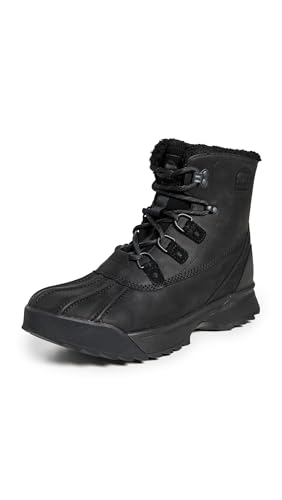
Sorel Scout 87′ Lux Waterproof
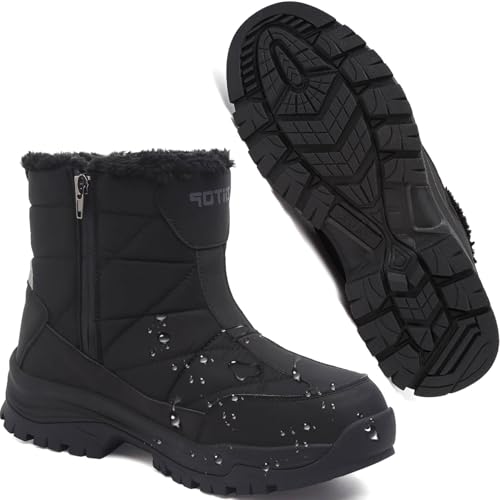
ziitop Snow Boots Waterproof Fur Anti-Slip

North Face Bergen Leather Hiking Boot

North Face Thermoball Traction Bootie

Baffin Snow Monster Insulated Boot


NORTIV 8 Wide Winter Boots Snow Ice

Muck Arctic Sport Tall Boot
Taking A Closer Look At The Options
The Scout 87′ Lux leans into cold-weather style without abandoning the function you’d expect from Sorel. A shearling collar adds warmth around the ankle and gives the boot a relaxed, après-ski feel that works for city sidewalks as well as trailhead parking lots. D-ring laces (D-rings are small metal eyelets shaped like the letter D that let you lace up quickly) tighten in seconds, so you’re not fumbling with frozen fingers.
Where the ziitop focuses on quick slip-on convenience, this Scout rewards a proper lace-up with a more dialed-in fit. The waterproof construction (a sealed bootie, meaning an internal membrane layer, blocks water from seeping in) keeps slush out during longer walks. For most winter commutes, you may find the style-forward design lands harder than the technical specs suggest.
What Makes Sense
- Shearling-lined collar adds warmth right where cold creeps in.
- Waterproof bootie construction stands up to slush and shallow puddles.
- D-ring lacing adjusts fast without removing gloves.
- Refined silhouette pairs with jeans or technical layers.
Points To Keep In Mind
- Suede and shearling need a light protective spray to stay clean through salty sidewalks.
- Less aggressive lugs (the deep tread blocks on the outsole) than a dedicated hiking boot like the North Face Bergen.
Who Will Love This
Style-focused commuters and weekend walkers who want winter-ready warmth without looking like they’re heading to base camp.
Swap It Out When
Pick the North Face Bergen Leather Waterproof Hiking Boot instead if you spend full days on snowy, uneven ground and need serious traction.
The ziitop Snow Boots trade technical refinement for grab-and-go practicality. The slip-on design means no lacing on cold mornings, and the fur lining keeps a quick grocery run comfortable. Anti-slip outsoles (the treaded rubber bottom that grips slick surfaces) help on icy porches, though they’re not built for long trail miles.
Compared to the Scout 87′ Lux, the ziitop skips the heritage styling in favor of lightweight warmth at a lower spend. The waterproof shell handles snow and slush well for short outings. For apartment dwellers running out to grab the mail or take a short walk, the convenience factor is hard to beat.
What Stands Out
- Slip-on design saves time on busy mornings.
- Fur lining delivers immediate cozy warmth out of the box.
- Anti-slip tread handles icy steps and damp pavement.
Honest Caveats
- Less ankle support than the North Face Bergen for uneven terrain.
- Durability over multiple seasons is less certain than with premium options like the Baffin Snow Monster.
Made For
Budget-minded shoppers and city dwellers who want warm, easy-on boots for short winter outings.
A Better Fit Elsewhere
Choose the Muck Arctic Sport Tall Boot for deeper slush, longer outdoor chores, or wet work environments.
The Bergen brings hiking-boot DNA into the snow category. A leather upper adds structure and abrasion resistance, and the 4.5mm lugs (deep rubber tread blocks, measured here at 4.5 millimeters) grip icy patches better than smooth-soled fashion boots. Insulation keeps feet warm when you’re standing still on a cold trailhead.
Compared to the lighter Thermoball Traction Bootie, the Bergen is a heavier commitment. That weight pays off when the trail turns rocky or the snow piles deep. The trade-off shows up in agility, so it’s less ideal for short trips where you mostly want comfort.
Where It Delivers
- 4.5mm lugs bite into packed snow and ice for confident footing.
- Leather upper resists scuffs from rocks and trail debris.
- Insulated construction handles long outdoor sessions.
Worth Noting
- Heavier build than the Thermoball Bootie, which can tire out less conditioned feet.
- Leather needs occasional conditioning to prevent drying and cracking in salt-heavy conditions.
Best Suited To
Hikers and active winter travelers who tackle mixed terrain and need a boot that grips and protects.
Consider Something Else When
Pick the Baffin Snow Monster Insulated All-weather Boot if you face extreme cold for hours and want a rated thermal build.
The Thermoball Traction Bootie is built for packing light and moving fast. Thermoball insulation (a lightweight synthetic fill that mimics down clusters to trap warmth) keeps the bootie warm without bulk, and the low-profile design slides into a duffel or backpack with ease. It’s a winter travel companion more than a deep-snow workhorse.
Where the Bergen leans into trail-ready durability, this bootie favors casual versatility. It works for hotel walks, city exploring, and quick hikes on packed trails. The traction outsole handles wet pavement competently, though it won’t replace a heavier boot in serious conditions.
Standout Benefits
- Lightweight construction reduces fatigue on long days of walking.
- Thermoball insulation packs warmth without bulk for travel.
- Versatile styling works with casual and outdoor outfits.
Practical Considerations
- Lower-cut design lets snow sneak in during deeper drifts.
- Less protection than the Muck Arctic Sport for wet, mucky conditions.
Perfect Match For
Travelers and casual winter walkers who want a versatile, packable boot for varied conditions.
Look Elsewhere When
Choose the UGG Harkley Boot for plush, around-town comfort on dry, cold days.
The Baffin Snow Monster is the deep-freezer specialist on this list. Built for prolonged exposure to extreme cold, the all-weather construction handles snowmobiling, ice fishing, and long days outside where ordinary boots would fail. The tall shaft keeps snow out even in knee-deep drifts.
Compared to the more fashion-leaning Scout 87′ Lux, the Snow Monster is unapologetically functional. You won’t wear it to dinner, but you will trust it when the temperature drops well below zero. For shoppers in northern climates, this is the kind of boot that earns its keep year after year.
Where It Helps
- Rated for extreme cold, ideal for prolonged outdoor exposure.
- Tall shaft seals out deep snow and slush effectively.
- Heavy-duty outsole grips icy and uneven terrain.
Trade-Offs
- Bulky silhouette is impractical for everyday commuting.
- Premium build comes at a noticeably higher price than most picks on this list.
Built With In Mind
Northerners, outdoor workers, and winter sports enthusiasts who face sub-zero conditions regularly.
Another Choice May Suit
Pick the North Face Bergen Leather Hiking Boot for active winter hiking where agility matters more than extreme thermal rating.
The UGG Harkley brings signature plush comfort to a chukka silhouette (a low-cut ankle boot with two or three pairs of eyelets). Wool lining wraps the foot in soft warmth, and a cushioning foam insole (a padded footbed layer that absorbs shock) softens the step on hard city pavement. Suede uppers give it a casual look that works with jeans or chinos.
Against the rugged Baffin Snow Monster, the Harkley is a different animal: built for dry cold, not deep snow. You may find it best for short walks, commutes, and casual days rather than backcountry use. For shoppers prioritizing softness over technical specs, it’s a strong everyday option.
What It Does Well
- Plush wool lining delivers cozy warmth from the first wear.
- Cushioning insole softens impact on hard surfaces.
- Versatile chukka style transitions from errands to evenings out.
Room For Improvement
- Suede upper needs protection from heavy rain and salt stains.
- Less traction than the NORTIV 8 on icy sidewalks.
Right Fit For
Urban commuters and casual wearers who value comfort and style over deep-snow performance.
Skip It When
Choose the Muck Arctic Sport Tall Boot for wet, slushy conditions where suede would be ruined.
The NORTIV 8 Wide Winter Boots solve a problem many picks ignore: wide feet. A roomier toe box (the front area of the boot where the toes sit) means no pinching on long walks, and the traction-focused outsole grips snow and ice better than a casual boot. Waterproof construction keeps moisture out during slushy commutes.
Where the ziitop focuses on slip-on speed, the NORTIV 8 takes a more traditional lace-up approach for a more secure fit. The trade-off shows up in convenience, but the payoff is stability on uneven ground. For wide-footed shoppers who need grip without overspending, this hits a practical sweet spot.
A Strong Showing
- Wide-foot friendly fit reduces pressure during extended wear.
- Traction outsole handles snow and ice competently.
- Waterproof shell keeps feet dry in wet winter conditions.
Less Ideal Details
- Less premium insulation than the Baffin for extreme cold.
- Bulkier profile than the UGG Harkley for casual styling.
Who Should Grab It
Wide-footed shoppers seeking affordable winter boots with solid grip for daily wear.
Where Another Pick Suits Better
Pick the Sorel Scout 87′ Lux Waterproof if you want a more refined silhouette and shearling-lined warmth for style-forward wear.
The Muck Arctic Sport Tall Boot is the wet-weather workhorse. A rubber shell extends up the calf, sealing out water during the worst slush, mud, and puddle conditions. Fleece lining paired with thermal foam under the footbed (the removable cushioned layer inside the boot) keeps warmth steady even in frigid standing water.
Against the lightweight Thermoball Bootie, the Arctic Sport is heavier and less agile, but it handles conditions nothing else on this list can. For shoveling, farm chores, hunting, or any job that involves standing in cold water, this is the dependable choice.
Bright Spots
- Full rubber shell blocks water in deep slush and wet conditions.
- Fleece lining plus thermal foam underfoot holds warmth in extreme cold.
- Tall shaft keeps snow and debris from entering the boot.
Factors To Consider
- Heavier than fabric or leather boots, which can tire legs on long walks.
- Rubber shell needs rinsing after muddy use to prevent residue buildup.
Whose Shelf It Belongs On
Outdoor workers, property caretakers, and anyone who faces wet, cold conditions regularly through winter.
Reach For A Different Pick When
Choose the North Face Bergen Leather Hiking Boot for active, dry-snow hiking where agility and lighter weight matter.
What Matters Most Before Choosing Your Next Pair
Fit tops everything, because a poorly sized waterproof boot leaks cold air and causes blisters no matter how good the membrane. Try on with the socks you actually plan to wear, and leave a thumb’s width of toe room for downhill walks. Insulated boots also run warmer when fit is snug rather than loose, since air pockets cool quickly.
Insulation weight and rating matter next. Synthetic fills like Thermoball pack light and keep working when damp, while heavier multi-layer builds handle sub-zero standing. Match the rating to your climate: a mild-winter commuter needs less than someone shoveling all day in northern Minnesota.
Traction depends on lug depth and rubber compound. Deeper lugs bite into soft snow, while softer rubber grips icy sidewalks better. Leather uppers age into a personalized fit but need occasional conditioning; rubber shells rinse clean but run hot indoors. Waterproof membranes help, though seams and zippers remain weak points, so check construction details before assuming any boot is fully sealed.
Key Considerations Across These Picks
Pitfalls Shoppers Hit
Chasing the warmest rating often backfires if your winters are mild: bulky boots make feet sweat, and damp interiors feel colder than no insulation at all. Buying a half-size too small is another common miss, since insulating layers need toe room to work. Skipping traction research also hurts: a premium leather upper means nothing when you slip on a frozen doorstep.
Where The Extra Money Goes
Premium boots earn their cost through better membranes, tougher leather, and rated insulation that holds up season after season. The Baffin Snow Monster, for example, uses construction designed for extreme, prolonged exposure rather than a quick winter commute. When you spend more, you’re buying longevity and confidence in conditions that destroy cheaper builds within a season.
Frequently Asked Questions
Do I need true waterproofing or just water resistance? Waterproof boots use sealed membranes that block water under pressure, ideal for slush and shallow puddles. Water-resistant treatments shed light moisture but soak through in deeper snow, so they suit drier climates.
How should insulated snow boots fit? Aim for a thumb’s width of space at the toe with your winter socks on. Too tight restricts circulation and feels colder; too loose lets warm air escape and creates blisters.
Can I wear snow boots for everyday use? Yes, though heavier builds tire legs faster on long walks. Lighter options like the Thermoball Bootie or UGG Harkley work well as daily drivers.
How do I clean and maintain them? Wipe leather and suede with a damp cloth, apply a protective spray, and condition leather occasionally. Rubber boots rinse clean with water and mild soap.
Are rubber boots warmer than leather? Not necessarily, since both rely on inner insulation. Rubber excels at blocking water, while leather breathes more but absorbs moisture if the membrane fails.
Wrap Up
Winter boots earn their place by matching your climate, your routine, and your tolerance for bulk. A pair that handles slushy commutes well might fall short on a frozen trail, and the warmest extreme-cold boot is overkill for a mild city winter. Start with where you’ll actually wear them, then narrow down by insulation, traction, and fit. The right match keeps your feet warm, dry, and steady, season after season.