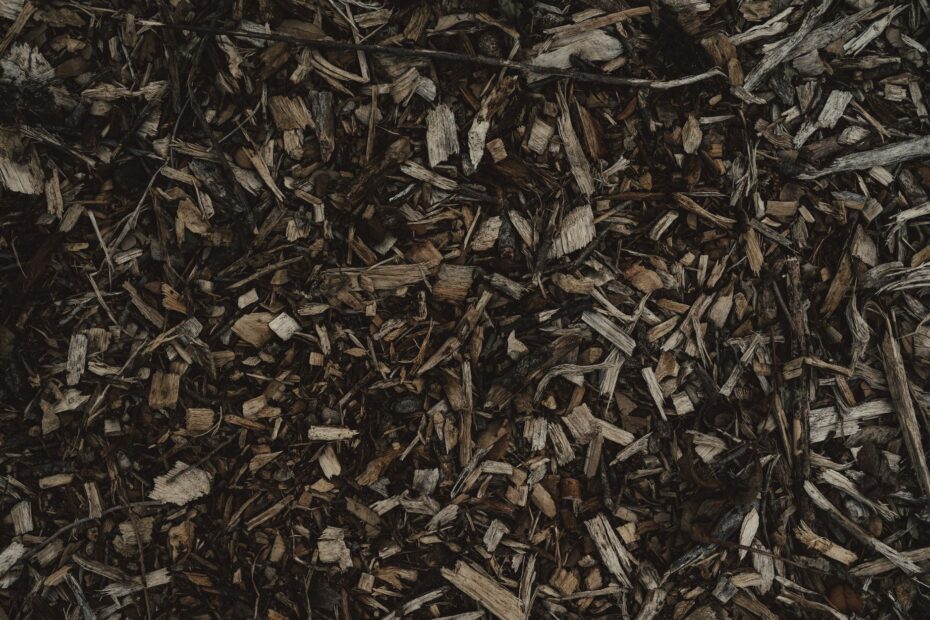
Finished compost feeds soil nutrients, while mulch forms a protective layer over the ground. Compost is a finished soil amendment worked into beds or spread thinly on top, while mulch stays on the surface to slow water loss, shade weed seeds, and cushion roots from temperature swings.
Your garden needs both materials in different places. The sections below show how layer depth, material type, and planting area shape the right choice for beds, borders, vegetables, shrubs, and trees.
Compost Feeds Soil While Mulch Covers Bare Ground
Finished compost feels dark and crumbly, with an earthy smell similar to leaf litter. It forms after leaves, food scraps, grass clippings, and similar organic matter break down under managed composting conditions. You work compost into planting areas or spread it as a light top dressing because it improves the soil itself.
Mulch remains where sun, rain, and wind strike exposed ground. Shredded leaves, bark mulch, straw, pine needles, and wood chips all qualify because they cover soil instead of mixing into it right away. Your root zone stays cooler and loses less moisture under a loose surface layer.
The difference between compost and mulch comes down to placement and purpose. Compost improves soil structure, nutrient cycling, and activity among soil microorganisms. Mulch slows evaporation, blocks light from weed seeds, and reduces sharp changes between hot afternoons and cool nights.
Nutrients, Weeds, and Water Reveal the Practical Difference
A thin compost layer can look neat for several days, yet it cannot block weeds like a 3-inch layer of coarse bark. Soil organisms pull compost downward as it breaks apart. Mulch remains loose at the surface, where it shades the ground and interrupts weed growth.
| Garden factor | Compost | Mulch |
|---|---|---|
| Main role | Improves soil as an amendment | Covers exposed soil |
| Placement | Mixed in or spread thinly on top | Laid over the soil surface |
| Nutrient contribution | Supplies slow nutrient release | Supplies little immediate fertility |
| Microbial activity | Feeds bacteria, fungi, and worms | Protects habitat below the layer |
| Weed suppression | Limited at thin dressing depths | Strong at 2 to 4 inches |
| Moisture retention | Improves water-holding within soil | Slows surface evaporation |
| Decomposition rate | Already well decomposed | Breaks down across months or years |
| Usual depth | 1 to 2 inches | 2 to 4 inches |
Hard, pale soil with little organic matter needs compost before it needs bark. Bare beds that dry between waterings need mulch above the soil. You get stronger results by giving each material the job it handles well.
Compost, Mulch, Fertilizer, and Topsoil Serve Separate Jobs
Bag labels can blur four materials that work in very different ways. Fertilizer supplies concentrated plant nutrients, while compost changes soil texture and feeds nutrient cycling. Your soil can need both, yet fertilizer does not add the carbon-rich material that supports worms, fungi, and bacteria.
- Finished compost: You add this stable material to improve texture, microbial activity, and slow nutrient release.
- Organic mulch: You place bark, leaves, straw, or wood chips on top for weed suppression and moisture retention.
- Fertilizer: You add this concentrated nutrient source after a soil test or crop symptom points to a shortage.
- Topsoil: You use mineral-rich fill for leveling or added bed depth, then mix compost into it for better structure.
Organic mulch returns small amounts of organic matter as it decays, yet surface coverage remains its main role. Stone, rubber, and landscape fabric last longer but add nothing to soil. Your later planting work also gets harder because those materials must move aside before digging.
Garden Conditions Point Toward Compost, Mulch, or Both
Compacted ground needs compost before a new planting goes in. Humus helps tiny soil particles gather into crumb-like clusters, leaving spaces for air, water, and roots. You gain more from compost in hard ground than from piling bark over dense dirt.
Fast-drying beds point toward mulch. A 2- to 4-inch layer slows evaporation and reduces the crust that can form after hard rain. Your watering reaches the root zone more effectively because less moisture escapes through bare soil.
- Poor vegetable soil: Work compost into the bed, then cover open spaces with straw or shredded leaves.
- Weedy flower beds: Spread compost thinly, then add fine bark mulch between perennial plants.
- Dry shrub borders: Place wood chips around shrubs to hold moisture through hot summer stretches.
- New raised beds: Blend compost into topsoil before planting rather than expecting mulch to feed crops.
- Annual flower beds: Add compost for soil renewal and a light mulch layer for cleaner gaps between plants.
Compost or mulch for flower beds rarely means choosing only one material. Perennials respond well to a thin compost dressing under bark mulch, while vegetable plots suit lighter layers that move easily for planting. Compost vs mulch for vegetable gardens depends on how much replanting your soil receives each season.
Layering Compost Below Mulch Serves Most Established Beds
Start with soil that crumbles in your hand instead of smearing like mud. Spread 1 to 2 inches of finished compost across an established bed, or mix it into the upper few inches before planting. Your roots gain access to organic matter without buried crowns or overly rich planting pockets.
Lay 2 to 4 inches of mulch over the compost layer. Fine shredded leaves settle more than chunky wood chips, so texture changes the final depth. Keep layers thinner around seedlings and deeper beneath established shrubs.
Compost belongs near the soil. Mulch belongs above it. Leave a bare ring around every stem so moisture does not stay against tender plant tissue.
This two-layer approach feeds soil life below and reduces moisture loss above. You can pull mulch aside for seeds, transplants, or another compost dressing without disturbing the deeper bed structure.
Once the layers are in place, the surface material still needs to accommodate how each area is planted and maintained.
Planting Areas Need Different Mulch Materials
Vegetable beds work with finer surface materials
Straw, chopped leaves, and clean grass clippings fit vegetable gardens because they move aside easily at planting time. Thick mats of wet grass can turn slimy and block air. Your tomatoes, beans, and squash need exposed soil only at their immediate stem bases.
Light materials suit beds that change several times across one growing season. Shredded leaves break down faster than bark and can move into soil after harvest. You can rake them aside before sowing carrots, beans, lettuce, or radishes.
Woody layers fit long-term plantings
Shredded bark, pine bark, and arborist wood chips fit beneath trees, around shrubs, and in perennial borders. Their slower decay means less seasonal replacement work for you. Fresh wood chips work well on the surface, though they do not belong mixed deeply into a vegetable bed.
Stone and gravel fit dry ornamental spaces with long-lived plants. They hold heat, add no organic matter, and complicate digging later. Your choice should match how frequently the bed changes and how much soil improvement it still needs.
Compost Has Limits as a Surface Cover and Soil Amendment
A 2-inch compost blanket can resemble mulch on day one, but rain, worms, and soil microorganisms pull it downward quickly. Yes, for a short period, but coarse bark or wood chips give stronger weed control and longer moisture protection.
Fresh woody mulch is not compost. Full decomposition needs warmth, moisture, oxygen, and time in a compost pile or within soil. You should not expect a pile of new chips to work like finished compost inside a planting hole.
- Immature material: Skip compost that feels hot, smells sour, or contains visible food scraps and raw plant pieces.
- Unknown contamination: Avoid material with herbicide residues, trash fragments, or soil from questionable sites.
- Weed seed risk: Avoid poorly heated compost that contains viable seeds or invasive roots.
- High phosphorus soil: Limit compost after a soil test shows phosphorus already exceeds plant needs.
Yearly heavy compost dressings can add more phosphorus than a bed needs. Your local cooperative extension office can help interpret a soil test before repeated additions shift a soil benefit into a nutrient imbalance.
Even beneficial additions cause trouble when applied too deeply or piled against vulnerable plant tissues.
Correct Depth and Clear Stems Avoid Common Garden Problems
Heavy layers can trap moisture close to the ground. More than 2 inches of compost can form a dense crust, slow air exchange, and keep shallow roots near a rich surface layer. You get steadier root growth from modest compost dressings repeated across seasons.
Mulch piled against trunks can damage trees. Keep wood chips several inches away from tree trunks, shrub crowns, and plant stems rather than packing material against bark. Damp contact can lead to rot, surface roots, and concealed pest activity near the base.
- Refresh thin spots: Add new material only where an older layer has shrunk below useful coverage.
- Clear seed rows: Pull mulch back before direct seeding so young shoots reach light without obstruction.
- Check soil moisture: Feel beneath mulch before watering because shaded soil can stay damp longer than it looks.
- Time winter layers: Spread winter mulch after the ground cools rather than while warm soil can hold excess heat.
That seasonal timing matters around perennials. Your winter layer should reduce repeated freeze-thaw movement without holding crowns wet during a mild spell.
Using Both Materials Gives Most Beds a Clearer Structure
Use compost where plants feed and root. Use mulch where sun, wind, weeds, and rain wear bare ground down. For compost vs mulch, most established beds benefit from a thin compost dressing under a deeper surface layer kept away from stems and trunks.
Your next step is simple: inspect the soil before adding anything. Hard soil, weak growth, and low organic matter point toward compost, while dry ground and weed seedlings point toward mulch. A layered bed handles both conditions without asking one material to do the other material’s work.
FAQ
What is the difference between compost and mulch?
Compost is a finished soil amendment that adds organic matter and supports nutrient cycling below the surface. Mulch covers soil from above and reduces weed growth, surface evaporation, and temperature swings. Your bed can use compost beneath mulch because each layer serves a separate role.
Should I use compost or mulch in my garden?
Use compost where soil needs organic matter, better structure, or slow nutrient release. Use mulch where bare ground loses water, grows weeds, or heats too quickly. Your established bed can benefit from compost beneath mulch because each layer handles a separate job.
Can compost be used as mulch?
Compost can cover bare soil briefly after planting, but it breaks down too quickly for strong long-term weed suppression. You get longer moisture retention from shredded bark, straw, leaves, or wood chips placed over a thin compost dressing.
Can mulch be turned into compost?
Woody mulch becomes compost after full decomposition in a moist, oxygen-rich pile or through gradual decay in soil. Fresh chips remain surface material. You should keep fresh chips on top of soil, where they protect roots without tying up nitrogen near vegetable seeds.
What are the benefits and disadvantages of compost?
Compost improves soil structure, water-holding ability, soil microorganisms, and slow nutrient release. Heavy annual applications can add excess phosphorus, and unfinished compost can contain weed seeds or smell sour. Your soil test helps show whether another compost dressing fits the bed.
How much compost and mulch should I apply?
Spread finished compost 1 to 2 inches deep as a top dressing, or mix that amount into a new planting area. Lay mulch 2 to 4 inches deep, with thinner layers around seedlings and fine materials. Your stems and tree trunks need open space around them.