White grubs turn a healthy lawn into a patchwork of brown, spongy turf by late summer, and the chemical route often feels like overkill for a backyard problem. Beneficial nematodes offer a different path: microscopic predators that hunt grubs in the soil and leave everything else alone. This roundup covers ten nematode products worth your attention in 2026, with honest notes on coverage, species mix, and the trade-offs that show up once you start pouring packets into a watering can.
The Shortlist At A Glance

BioLogic Ecomask Beneficial Nematodes (100 Million)
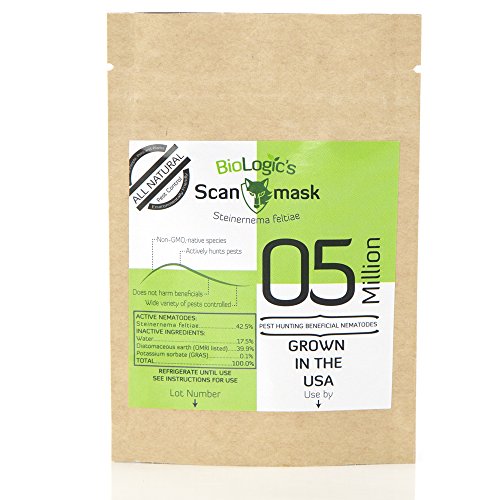
Scanmask Beneficial Nematodes (S.f.) 5 Million

NaturesGoodGuys SF Steinernema feltiae (50 Million)

NaturesGoodGuys Triple Blend HB+SC+SF (50 Million)

BioLogic Scanmask Sf Nematodes (5 Million)

BioLogic Scanmask Sf Nematodes (10 Million)

10 Million Beneficial Nematodes HB+SF Mix

NaturesGoodGuys HB Nematodes (25 Million)

Bug Sales 50 Million HB Nematodes

15 Million HB+SC+SF Nematode Trio
The Strengths Of Each Pick
This Ecomask pack lands 100 million Steinernema carpocapsae nematodes, the ambush-hunting species that wait near the soil surface for passing grub larvae. Where deeper-dwelling species chase prey through the root zone, Sc nematodes tend to set up close to the thatch layer, which suits white grubs feeding on grass roots.
Compared to the smaller starter picks below, this one trades up-front cost for a much larger volume, so you can treat a broad lawn without splitting bags. For homeowners in warmer suburbs where grubs are a yearly headache, the bigger count pays off.
What Earns Its Place
- 100 million nematodes handles a sizeable yard in a single application
- Sc species targets surface-feeding grubs that attack grass roots
- Comes with a hose-end sprayer for simpler lawn-wide coverage
- Safe around people, pets, and plants once applied
- Skips the harsh chemical route for families wary of lawn pesticides
Worth Noting
- Sc nematodes work best in warmer soil, so spring or early-fall timing matters in northern climates
- Storage life is short; use the pack quickly once it arrives
- The included hose-end sprayer works fine but you’ll want to clean it after each use to avoid clogs
Feature Snapshot
Who Will Love This
Homeowners with larger warm-season lawns fighting recurring grub damage.
Skip It When
Cool-season grass in a northern yard is better matched by the HB-focused NaturesGoodGuys HB Nematodes (25 Million), which dive deeper into the root zone.
This Scanmask 5-million pack delivers Steinernema feltiae, the species built for shallower soil layers and small-batch situations. The lower count suits a few raised beds, a stretch of indoor pots, or a tight garden strip rather than a full lawn.
For anyone wondering whether nematodes will even work in their setup, this entry-level pack is a low-commitment way to test the approach. Compare that to the Ecomask 100-million above, which assumes you already know you’re treating a broad yard.
Points In Its Favor
- Steinernema feltiae species targets fungus gnats, flea larvae, and shallow grubs
- Covers up to 200 sq ft or roughly 125 large pots
- Safe for people, pets, and plants
- Small pack means less waste on a trial run
Things To Consider
- The 5-million count won’t stretch across a full lawn
- Sf nematodes prefer moist, cool soil conditions to do their work
- You may need repeat applications for stubborn infestations
Right Fit For
Container gardeners and apartment growers fighting fungus gnats or pot-level grubs.
A Better Fit Elsewhere
Anyone treating a full backyard should reach for the BioLogic Ecomask 100 Million instead, where the higher count matches the larger surface area.
This 50-million Sf pack from NaturesGoodGuys steps the count up sharply from the Scanmask 5-million above while staying with Steinernema feltiae. The result is a single bag that handles a mid-sized garden, a stretch of lawn edge, or a generous run of raised beds without splitting products.
Where the 5-million pack suits the curious, this one suits someone who knows they have a problem and wants to treat it in one pass. Rated coverage extends to roughly 3,000 sq ft, which makes the math easy.
What It Does Well
- 50 million nematodes in one pack for a 3,000 sq ft area
- Sf species works against fungus gnats, flea larvae, and shallow grubs
- Use around animals, pets, and plants without concern
- Fits a mid-size garden without buying multiple bags
- Single-species formula keeps the application straightforward
Small Caveats
- Sf nematodes are shallow hunters, so deeper grubs may need a second treatment
- Soil moisture before and after application matters for survival
- Single species limits flexibility against varied pest pressure
Quick Facts
Best Suited To
Garden growers managing a known fungus gnat or shallow grub issue across multiple beds.
Another Choice May Suit
Yards with deeper grub pressure benefit from the NaturesGoodGuys HB Nematodes (25 Million), which dive lower into the root zone.
The Triple Blend combines all three workhorse nematode species: Hb for deep grubs, Sc for surface hunters, and Sf for shallow soil pests. That mix matters when you don’t know exactly which larvae are tearing up the lawn.
The 50-million count stays in the same range as the single-species SF bag above, but the trade-off is breadth rather than concentration in one zone. Stored unactivated, the pack keeps for roughly 30 days in the fridge, which buys you flexibility on timing.
Everyday Wins
- Three species in one pack covers multiple pest depths at once
- Works indoors and outdoors
- Safe around animals, pets, and plants
- Stays viable in the fridge for about 30 days unactivated
- Useful when grub identification is uncertain
Honest Caveats
- Each species makes up a third of the count, so any single pest type gets less coverage than a dedicated pack
- The shipped ice pack often arrives melted, which is normal but worth knowing
- A fishy smell after arrival signals the nematodes are no longer viable
Perfect Match For
Homeowners juggling grub, flea, and fungus gnat problems who want one solution rather than three.
Look Elsewhere When
Yards with a clear, single-pest diagnosis are better served by a focused pick like the BioLogic Ecomask 100 Million for surface grubs.
This BioLogic Scanmask 5-million pack ships Steinernema feltiae in an insulated box with an ice pack, a small detail that helps the nematodes arrive viable. The company lists over 230 pest targets, which is broader than most single-species packs.
The setup suits first-timers who want clear instructions and a forgiving learning curve. Compared to the higher-count 10-million sibling below, this pack covers a smaller footprint but feels less wasteful if you’re still dialing in timing.
Positive Points
- Insulated shipping with an ice pack keeps nematodes alive on arrival
- Targets fleas, fungus gnats, grubs, and many more soil pests
- Safe for people, pets, plants, and beneficial insects
- Apply with a watering can, pump sprayer, or hose-end sprayer
- Covers roughly 200 sq ft for a small garden or indoor setup
Points To Keep In Mind
- The 5-million count is modest, so larger lawns need multiple packs
- Soil must stay moist after application for nematodes to move
Whose Shelf It Belongs On
New nematode users testing the approach on a small garden or a stretch of indoor plants.
Reach For A Different Pick When
Mid-size gardens need the volume of the NaturesGoodGuys SF Steinernema feltiae (50 Million) to avoid buying bag after bag.
This 10-million Sf pack doubles the count of the 5-million BioLogic bag above while keeping the same species and shipping setup. For anyone whose test run went well and now wants to expand treatment, this is the obvious next step without changing brands.
The Sf species handles fungus gnats and flea larvae well, which makes this pack a strong fit for larger indoor plant collections or a small outdoor garden. The trade-off is still the same as the smaller sibling: Sf nematodes work shallow, not deep.
Good Reasons To Consider
- 10 million nematodes covers a larger footprint than the 5-million pack
- Targets fungus gnats, fleas, and shallow-dwelling grubs
- Safe for people, pets, plants, and beneficials
- Insulated shipping helps arrival viability
- Same proven brand as the smaller pack
Softer Spots
- Sf nematodes stay near the surface, so deep-rooted grubs need a different species
- Not enough count to treat a full lawn
Made For
Houseplant enthusiasts with many pots who need more volume than a 5-million starter pack offers.
Not Your Match When
Full-lawn grub pressure calls for the BioLogic Ecomask 100 Million, which scales up both count and species choice.
Bug Sales pairs Heterohabditis bacteriophora with Steinernema feltiae here, covering deep and shallow soil zones in one 10-million pack. The mix targets over 200 soil-dwelling and wood-boring insects, which broadens the use cases beyond just grubs.
Coverage runs to roughly 2,600 sq ft, putting this pack in a sweet spot for medium lawns. Compared to the single-species picks earlier, this blend trades focus for a wider net across different pest depths.
Noteworthy Benefits
- Combines HB and SF species to cover multiple soil depths
- Targets over 200 pest types including grubs and wood-borers
- Covers up to 2,600 sq ft
- Shipped fresh for application timing flexibility
- Useful when you suspect mixed pest pressure in one yard
Trade-Offs To Consider
- The 10-million count splits between two species, so concentration per pest type is lower
- Wood-boring insect claims should be evaluated against your specific tree situation
Feature Card
Built With In Mind
Yards with mixed grub and surface pest pressure where a single species might miss part of the problem.
Where A Sibling Pick Shines
Severe, confirmed grub outbreaks are better matched by the higher-count Bug Sales 50 Million HB Nematodes below.
Heterohabditis bacteriophora is the deep-soil specialist, which makes this 25-million pack well suited for the grubs that feed below the thatch layer on grass roots. Where surface-hunting Sc species patrol the top inch, HB nematodes track larvae through the root zone.
For cool-season lawns and northern yards, this species tends to perform more reliably than surface hunters. The 5-million-per-pack coverage rate extends to about 2,000 sq ft, so the 25-million count covers a focused grub hot spot or part of a larger lawn.
Bright Spots
- HB species targets grubs deep in the root zone
- 25 million nematodes for a substantial treatment
- Safe around animals, pets, and plants
- Ships from the USA for faster delivery
- Strong choice for confirmed grub outbreaks in cool-season grass
Factors To Consider
- HB nematodes need moist soil to move and survive
- Single-species focus won’t help with fungus gnats or fleas
The Right Fit
Homeowners with cool-season lawns and a confirmed grub problem feeding on grass roots.
Swap It Out When
Warm-season grass with surface-feeding grubs is better served by the BioLogic Ecomask 100 Million, which uses the surface-active Sc species.
At 50 million HB nematodes, this Bug Sales pack is the heavy hitter for severe grub outbreaks where smaller packs would only nibble at the edges. The species tackles Japanese beetles, cutworms, weevils, and a long list of other soil pests.
For a homeowner who has watched the same lawn get torn up year after year, the high count makes a meaningful difference. The trade-off is cost and the need to apply across a larger area or face leftover product that won’t store long.
Notable Upsides
- 50 million HB nematodes in one pack
- Targets Japanese beetles, cutworms, weevils, and many more
- Best suited to deep-soil grub pressure
- Single-species focus concentrates the count
- Useful for severe, recurring infestations
- Safe around animals and plants once applied
What To Weigh
- Higher up-front investment than smaller packs
- Doesn’t help with fungus gnats or flea problems
- Best results require consistent soil moisture after application
- Overkill for small gardens or spot treatments
At A Glance
Best Suited To
Homeowners with established grub damage who need a serious count to turn the corner.
Consider Something Else When
Small yards or first-time users do better with the lower-stakes BioLogic Scanmask Sf Nematodes (5 Million).
This NaturesGoodGuys blend stacks all three species into a 15-million pack, sitting between the smaller dual-species Bug Sales bag and the larger NaturesGoodGuys Triple Blend above. It targets over 200 soil and wood-boring pests, which makes it a flexible middle-ground option.
Stored unactivated, the pack keeps for about 30 days in the fridge, so you can wait for the right soil temperature. The mid-tier count works for a small yard or a focused treatment of a problem corner.
Standout Benefits
- Three nematode species in one pack
- Targets over 200 soil and wood-boring pests
- Works indoors and outdoors
- Safe around humans and pets
- Keeps about 30 days in the fridge unactivated
Room For Improvement
- Splitting 15 million across three species means each pest zone gets less concentration
- Not the right call for very large lawns needing deep, focused coverage
Who Should Grab It
Homeowners with a small yard facing multiple pest types and a flexible timeline.
Where Another Pick Suits Better
Confirmed, severe grub outbreaks need the dedicated HB count of the Bug Sales 50 Million HB Nematodes above.
Choosing The Right Nematode Product For Your Lawn
Picking a nematode product comes down to three real questions: how much ground you’re treating, what pests you’re chasing, and how deep they live in the soil. Beneficial nematodes are microscopic roundworms that parasitize insect larvae, and different species hunt at different depths. Steinernema feltiae (Sf) works close to the surface and is great for fungus gnats, flea larvae, and shallow grubs. Steinernema carpocapsae (Sc) ambushes prey near the thatch layer. Heterohabditis bacteriophora (HB) dives deeper, which matters for white grubs feeding on grass roots.
For a small garden or a row of pots, a 5-million to 10-million Sf pack covers the area without waste. For a mid-size lawn of a few thousand square feet, you’ll want 25 million to 50 million nematodes to make a dent. For large yards with established grub damage, 50 million to 100 million HB or Sc nematodes spread across the affected area give the population a real chance to establish.
Timing matters as much as count. Soil temperature between roughly 60°F and 90°F keeps nematodes active, and moist ground before and after application gives them the moisture they need to move. Skip the chemical fertilizer for a few days around treatment, since some ingredients can harm the worms you just introduced.
Key Considerations Across These Picks
Where Shoppers Go Wrong
The most common slip-up is mismatching species to pest depth. Applying Sf nematodes and expecting them to wipe out deep-feeding grubs sets you up for disappointment, just as HB-only applications won’t help with surface fungus gnats. Another trap is treating during the wrong season: nematodes applied to cold or bone-dry soil won’t survive long enough to do meaningful work. Read the species label first, then match it to the pest and the soil temperature in your area.
Where The Extra Money Goes
Higher-count packs cost more because you’re paying for more live organisms, more insulated shipping, and often a broader species mix. The upgrade makes sense when you have a confirmed infestation across a wide area, where a 5-million starter pack would barely scratch the surface. For a small garden or a single problem bed, the bigger pack is overkill and you’ll end up with wasted product, since unactivated nematodes only stay viable for a limited window.
Frequently Asked Questions
How long do beneficial nematodes take to work?
You can expect grub populations to start declining within two to four weeks under good soil conditions, with full effect taking longer depending on pest pressure and moisture levels.
Can I apply nematodes in the middle of the day?
Apply them in the early morning or evening when soil is cooler and UV exposure is lower, since direct sunlight and heat can kill nematodes before they work into the soil.
Do nematodes need to be refrigerated?
Unactivated nematodes should stay refrigerated and used within about 30 days of arrival, depending on the brand’s guidance on the label.
Will nematodes harm pets or children?
Beneficial nematodes target insect larvae only and pose no risk to people, pets, or plants once applied to the soil.
How often should I reapply?
A single treatment often handles a season’s pressure, but heavy infestations may need a follow-up application spaced a few weeks apart for full control.
Closing Thoughts
White grubs are stubborn, but the right nematode product gives you a chemical-free path back to healthy turf. Match the species to the pest depth, pick a count that fits your lawn size, and time the application for moist, warm soil. The ten options above cover everything from a single raised bed to a full-blown lawn rescue, so you’ve got room to start small and scale up.