A fresh shrub from the garden center often sits in its new hole looking fragile, and the first few weeks decide whether it thrives or sulks. Bio tones step in at that moment: organic amendments laced with beneficial fungi and microbes that ease transplant shock and build stronger root systems. You want a blend matched to your plants, climate, and routine. These seven picks cover everything you might plant this season, from rose beds to raised vegetable plots.
Your Options, Compared

Espoma Bio-Tone Starter Plus 4-3-3 Organic Plant Food 18 lb

Espoma Rose-Tone 4-3-2 Organic Fertilizer 18 lb (2-Pack)

Espoma Bio-Tone Starter Plus 4-3-3 Organic Plant Food 4 lb
Espoma Bio-Tone Starter Plus 4-3-3 Organic Plant Food 8 lb
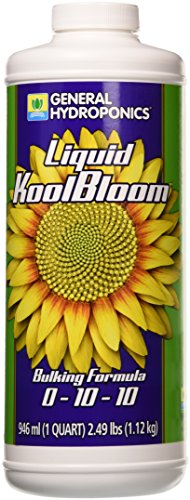
General Hydroponics Liquid Kool Bloom Fertilizer 1-Quart

IV Organic All Purpose Super Blend Fertilizer 11.8 oz

IV Organic All Purpose Premium Blend Fertilizer 4 lbs
The Details Behind The Selections
An 18-pound bag covers serious ground, making this the natural pick when you’re setting out a long hedge, replacing a stretch of lawn, or staging multiple trees at once. The 4-3-3 analysis is mild enough for young roots while still supplying steady nitrogen for green growth, and the 5% calcium supports sturdier cell walls.
Both endo and ecto mycorrhizae are present, a pair of beneficial fungi that colonize root systems and dramatically improve water and nutrient uptake. Most gardeners find this blend handles a wide range of plants without burning tender roots, which is the usual worry with stronger synthetic starters.
Positive Points
- Large 18 lb format stretches across whole beds without constant refilling
- Combined endo and ecto mycorrhizae reach a wider range of plant species
- Mild 4-3-3 ratio reduces the risk of leaf burn on delicate transplants
- Granular form mixes cleanly into backfill soil for new plantings
- Organic composition supports long-term soil health, not just one season of growth
Practical Considerations
- An 18 lb bag is heavy to haul and awkward for one-handed pouring
- Granular texture means slower nutrient release than liquid options like Liquid Kool Bloom
Best Suited To
Homeowners installing several trees, shrubs, or a long perennial border in one season.
Look Elsewhere When
A small herb garden needs the lighter 4 lb Espoma Bio-Tone Starter Plus 4-3-3 Organic Plant Food 4 lb instead.
This two-pack focuses squarely on roses and other heavy bloomers, and the formulation shows it. The 4-3-2 ratio leans slightly lower on nitrogen than the Bio-Tone Starter Plus above, which keeps foliage from overpowering flower production at the expense of blooms.
Rose-tone also works on flowering shrubs like viburnum, bougainvillea, and clematis, so a rose bed rarely stays just roses. Apply monthly from May through September along the drip line, water it in, and the Bio-tone formula quietly feeds soil microbes while feeding the plant.
Advantages To Know
- Specialized ratio promotes bud set rather than excessive leafy growth
- Two 18 lb bags cover a dedicated rose garden for an entire growing season
- Ready-to-use granular format skips any mixing or pre-dilution
- Suitable for knockout roses, climbers, and several other flowering shrubs
Points To Note
- Specialized formula makes this less useful outside flowering plants, unlike IV Organic Premium Blend
- 36 lb of fertilizer requires dedicated dry storage to prevent clumping
Right Fit For
Gardeners maintaining established rose collections or layered flowering borders that demand regular monthly feeding.
Skip It When
Vegetable plots and mixed perennial beds will get broader use from the IV Organic Premium Blend Fertilizer 4 lbs.
Sometimes you only need enough for a handful of transplants, and a 4-pound bag fills that gap without committing to a giant container in the shed. This is the smallest size in the Bio-Tone Starter Plus line, sharing the same 4-3-3 analysis and dual mycorrhizae blend as the larger bags above.
The lighter weight makes it comfortable to carry out to a balcony or back patio for a single shrub. Toss a few handfuls into the planting hole, water well, and the beneficial fungi get to work colonizing the root zone.
Key Advantages
- Compact 4 lb size suits container gardeners and small transplants
- Same dual mycorrhizae blend as larger bags in the Bio-Tone line
- Easy to store on a shelf without taking over the garage
- Forgiving 4-3-3 ratio works for vegetables, herbs, and ornamentals alike
Honest Caveats
- Runs out quickly on multi-plant projects compared to the 18 lb bag
- Slightly higher cost per pound than larger Espoma sizes
Made For
First-time transplanters and small-space gardeners who only need a single season’s worth of starter food.
Consider Something Else When
Landscape-scale plantings will stretch further with the Espoma Bio-Tone Starter Plus 4-3-3 Organic Plant Food 18 lb.
The 8-pound bag sits in a useful middle ground between the 4 lb starter and the bulk 18 lb format, which is great when you’re refreshing a mid-sized bed or planting a handful of new shrubs. Same familiar 4-3-3 analysis, same dual mycorrhizae blend, same organic composition.
The blend is built for transplanting and acclimating tough root systems, whether you’re dealing with newly purchased nursery stock or relocating existing plants. Sprinkle it into the planting hole and backfill, and the beneficial microbes start establishing right alongside the roots.
The Upside
- Mid-size format suits typical suburban landscaping projects
- Helpful for transplanting established plants that need root support
- Organic composition adds long-term benefits to tired garden soil
Where It May Fall Short
- Doesn’t include specialized bloom nutrients that Rose-Tone offers for heavy feeders
- Limited to granular application, unlike the Liquid Kool Bloom liquid option
Quick Facts
Who It Suits Best
Homeowners refreshing a single raised bed or replacing three to five shrubs over a weekend.
Reach For A Different Pick When
Hydroponic or soilless growing setups need the liquid format of General Hydroponics Liquid Kool Bloom Fertilizer.
This is a different beast than the granular Espoma options, and that suits growers working in hydroponic systems, where liquid dosing replaces hand-mixed backfill. Liquid Kool Bloom acts as a finishing nutrient during the flowering stage, layered on top of a base nutrient regimen.
The formula includes vitamins that ease plant stress and acids that help shuttle nutrients through the root zone. Used at the start of the reproductive cycle, it pushes plants toward heavier fruit sets and denser flower clusters, though results depend on your full nutrient lineup and lighting setup.
Where It Delivers
- Liquid format mixes cleanly into hydroponic reservoirs without clumping
- Adds stress-reducing vitamins during the demanding bloom phase
- Works alongside a base nutrient program for finisher-stage results
- Concentrated formula stretches across multiple feeding cycles
Things To Consider
- Designed for hydroponics, not traditional soil gardens like the Espoma line
- Requires accurate dosing to avoid overfeeding in sensitive systems
Feature Snapshot
Whose Shelf It Belongs On
Indoor hydroponic gardeners running reservoirs for tomatoes, peppers, or other fruiting crops during bloom.
A Better Fit Elsewhere
Outdoor soil gardeners get more usable value from IV Organic Premium Blend Fertilizer 4 lbs.
This 11.8-ounce pouch fits comfortably in a kitchen drawer or potting bench, perfect for small containers and herb gardens. The Super Blend version includes Azomite, a mineral amendment that adds trace elements beyond standard N-P-K coverage.
The formula is broad-spectrum, covering fruit trees, vegetables, roses, ornamentals, and shrubs, so a single pouch handles mixed plantings. For gardeners tired of buying different fertilizers for different crops, the all-purpose framing removes a layer of decision-making.
Practical Pluses
- Azomite inclusion adds trace minerals beyond standard N-P-K
- Pouch format fits neatly on a potting bench or in a shed cabinet
- Truly multi-purpose across edibles, flowers, and ornamentals
- Organic formulation suits food gardens and pollinator beds
Smaller Caveats
- Tiny 11.8 oz size runs out fast on full vegetable gardens
- Lacks specialized mycorrhizae that Espoma Bio-Tone provides
Feature Rundown
Perfect Match For
Apartment gardeners with a few pots of herbs, peppers, or patio tomatoes who want one product on the shelf.
Not Your Match When
Heavy-feeding roses will reward a specialized feed like Espoma Rose-Tone more visibly.
The 4-pound Premium Blend delivers the same broad-spectrum coverage as the Super Blend above in a more garden-friendly quantity. It supplies all primary nutrients (N-P-K) and secondary nutrients (Ca-Mg-S), so soil gets more than the basic nitrogen-phosphorus-potassium trio.
This is the option you reach for when your beds hold a mix of fruit trees, vegetables, roses, ornamentals, and shrubs, and you don’t want to keep five different bags open at once. Less specialized than the Espoma line, but far more versatile across plant types.
The Helpful Details
- Covers primary, secondary, and trace nutrients in a single product
- 4 lb size handles mid-sized mixed plantings through a season
- Organic profile suits food gardens alongside ornamentals
- Works for fruit trees, vegetables, roses, and potted plants alike
Practical Considerations
- Generic formulation can’t match the targeted mycorrhizae in Espoma Bio-Tone
- Granular form requires watering in, unlike the liquid Kool Bloom option
Quick Facts
Built With In Mind
Suburban gardeners juggling vegetables, ornamentals, and a few fruit trees without specialized fertilizer for each.
Swap It Out When
A single rose bed under heavy bloom pressure will respond more strongly to Espoma Rose-Tone.
What To Weigh Before Picking Bio Tones For Plants
Match The Fungi To The Plants
Mycorrhizae are beneficial fungi that colonize plant roots and dramatically improve water and nutrient uptake. Endomycorrhizae work inside root cells and suit most vegetables, herbs, and grasses, while ectomycorrhizae wrap around roots and partner with trees and woody shrubs. Products like Espoma Bio-Tone Starter Plus include both strains, which broadens compatibility across mixed plantings. When choosing, think about what you’ll actually plant. A pure vegetable garden needs different microbial support than a pine-heavy landscape.
Granular Versus Liquid Format
Granular bio tones, including the Espoma line and IV Organic blends, mix into planting holes or top-dress around established plants, then break down slowly with watering and soil microbial activity. Liquid options like General Hydroponics Kool Bloom mix into reservoirs and feed plants faster, which matters in hydroponic systems. The trade-off is convenience and speed. Granular is forgiving and long-lasting; liquid is precise but requires more attention to dosing.
N-P-K Ratios Tell The Real Story
The N-P-K ratio, meaning nitrogen (N), phosphorus (P), and potassium (K) percentages, signals how a fertilizer leans. A 4-3-3 ratio like Espoma Bio-Tone Starter Plus balances gentle nitrogen with even phosphorus and potassium, ideal for transplanting. A 4-3-2 ratio like Rose-Tone drops potassium slightly, encouraging blooms over leafy growth. Higher first numbers suit leafy greens, while balanced or lower-nitrogen blends favor flowering and fruiting plants.
Bag Size Versus Garden Scale
Bag size matters more than most gardeners expect. An 18 lb bag costs less per pound but takes up garage space and gets heavy fast. A 4 lb pouch handles a small patio or herb garden, but you’ll run out midseason on a vegetable plot. Matching the bag to your actual garden size avoids both waste and repeat trips to restock.
Key Considerations Across These Picks
Where Shoppers Go Wrong
A common slip is grabbing a generic “plant food” without checking the nutrient ratio, then wondering why tomatoes stay leafy but never set fruit. Equally common is buying a huge 18 lb bag for a balcony garden, where a small pouch makes more sense. Always match the bag size to the planting area and read the N-P-K ratio before checkout.
What The Higher Tier Buys
Bigger bags and specialized blends cost more because they include beneficial fungi like mycorrhizae, which require careful sourcing and blending. Premium options like Rose-Tone also tailor nutrient ratios for specific plant families. Paying up makes sense for gardeners running larger landscapes or maintaining heavy feeders like roses that benefit from targeted nutrition rather than all-purpose blends.
Frequently Asked Questions
What exactly are bio tones for plants?
Bio tones are organic soil amendments that combine natural ingredients with beneficial fungi and microbes to support root development, especially during transplanting and early growth.
Can bio tones be used on vegetables and herbs?
Yes, most bio tones work well on edible gardens, including Espoma Bio-Tone Starter Plus and IV Organic Premium Blend. Avoid products with synthetic additives if you want a fully organic food garden.
How often should bio tones be applied?
Granular bio tones are typically worked into the soil at planting and refreshed monthly during the growing season, while liquid options like Kool Bloom follow a more frequent feeding schedule based on the crop stage.
Do bio tones replace regular fertilizer?
Not entirely. Bio tones improve soil biology and root function, but heavy-feeding plants like tomatoes and roses still benefit from a balanced fertilizer layered on top during the active growing season.
Are bio tones safe for pets and children?
Most organic bio tones use natural ingredients without synthetic chemicals, which makes them safer around pets and kids than conventional fertilizers, though keeping bags out of reach is still a sensible habit.