Tomatoes split the day before harvest. Seedlings collapse at the soil line. Blossom-end rot creeps across the bottom of peppers like a dark bruise. These are the small frustrations that point straight at calcium, a nutrient most soils short on, especially in containers, raised beds, and ground-drained plots where rain washes it away. Calcium fertilizers for plants fix the issue by feeding roots directly and rebuilding what your soil is missing.
The picks below cover five practical ways to add calcium: through beneficial microbes, organic worm castings, a starter blend with mycorrhizae, slow-release bone meal, and a targeted tomato booster. Each one tackles a slightly different gardening scenario, so the best match depends on what you’re growing, how you feed, and what kind of soil you’re working with.
An Overview Of The Picks

Plant Success Great White Mycorrhizal Fungi 32 oz Concentrate

BuildASoil Worm Castings 2 Gallon Organic Vermicompost

Espoma Bio-Tone Starter Plus 4-3-3 Organic Plant Food 18 lb
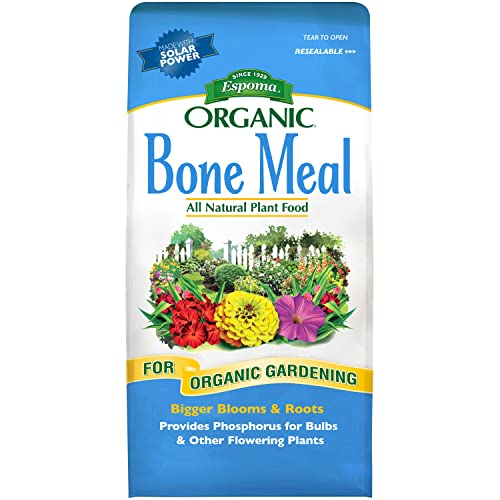
Espoma Bone Meal 4-12-0 Organic Fertilizer 8 lb

Farmer’s Secret Tomato Booster 3-8-7 with Calcium 32 oz
More On The Choices That Made The List
If your tomatoes keep hitting blossom-end rot no matter how you feed them, the problem often runs deeper than nutrient content. Great White works the root zone itself, pairing mycorrhizal fungi (microscopic soil organisms that attach to roots and extend their reach) with a bacterial blend that helps plants pull calcium and other minerals from soil that would otherwise stay locked away. The 32-ounce container is sized for gardeners running multiple beds or a small nursery operation, not a single windowsill herb pot.
Unlike BuildASoil’s castings on this list, which feed soil life broadly, Great White zeroes in on the root interface. You mix the powder into potting media at transplant, dust seedling trays, or dissolve a small amount in water for a root drench on stressed plants. It suits growers who want biology doing the heavy lifting rather than soluble salts washing through.
The Case For It
- Concentrated 3-in-1 formula combining multiple beneficial microbe types, so one application covers several root-support functions at once.
- Mycorrhizal fungi extend root reach dramatically, helping plants access calcium and phosphorus in soil zones their roots can’t physically touch.
- Versatile application methods, including dry-dusting, root-zone mixing, and water-soluble drenches for stressed plants.
- Stimulates flowering and fruit development by improving nutrient uptake during the bloom and fruit-set window.
- Large 32-ounce size offers strong value for gardeners running several beds or propagating trays each season.
Things To Consider
- Results depend heavily on existing soil biology; gardeners starting with sterile potting mixes may see slower initial responses.
- Powder format requires careful measuring and dust management, which can feel fiddly for casual weekend gardeners.
Feature Snapshot
Who Should Grab It
Vegetable gardeners with raised beds or container setups who want a microbial approach to calcium uptake and are comfortable mixing powders into their planting routine.
Skip It When
You grow primarily fruiting crops like tomatoes and want a calcium-forward liquid feed instead; in that case, Farmer’s Secret Tomato Booster offers a more direct route.
Worm castings are what happens after earthworms digest organic matter and excrete a nutrient-rich, microbe-loaded humus. BuildASoil’s 2-gallon bag delivers this stuff in screened, moist, dark form ready to mix into beds or top-dress containers. Calcium shows up as part of a balanced mineral profile alongside nitrogen, phosphorus, and trace elements.
This sits at the opposite end of the spectrum from Great White. Where Item 1 ships concentrated biology, BuildASoil ships finished compost that feeds existing soil life. The trade-off is gentleness: castings don’t burn roots, don’t overdose seedlings, and don’t require precise measuring. You may find them less dramatic than a liquid calcium feed in a crisis, but for steady soil-building across a season, they’re hard to beat.
The Upside
- Gentle enough for direct seed contact, so you can add castings to furrows without burn risk.
- Feeds soil microbes over time, building long-term fertility rather than offering a quick mineral fix.
- Large 2-gallon volume covers multiple beds or a full season of container top-dressing.
- Approved for organic gardening, fitting vegetable plots, herb gardens, and food crops.
Trade Offs
- Two gallons of castings adds bulk to ship and store, so plan for a covered bin or tote.
- Calcium content is part of a broader nutrient profile rather than a targeted dose, so acute deficiency situations call for a more focused product.
- Moist castings can occasionally develop mold on the surface if stored sealed in warm conditions.
Best Suited To
Organic vegetable gardeners maintaining raised beds, in-ground plots, or container arrays who prefer slow-release soil amendments over synthetic or liquid feeds.
Look Elsewhere When
You’re setting up a brand-new bed with transplants and want calcium built into a formulated starter mix; Espoma Bio-Tone Starter Plus serves that scenario more directly.
Bio-Tone Starter Plus is the bag you reach for at the moment a seedling leaves its pot and meets real soil. Espoma’s 4-3-3 analysis breaks down to 4% nitrogen, 3% phosphorus, and 3% potassium, which is a deliberately gentle ratio for young roots. The mix also carries both endomycorrhizae and ectomycorrhizae (two fungal categories that colonize root tissue differently) plus a stated 5% calcium, making it one of the few organic starter foods that addresses calcium right at transplant.
Compare that to Espoma Bone Meal later in this list, which targets bulbs and flowering perennials with a phosphorus-heavy ratio. Bio-Tone Starter Plus targets the establishment phase across vegetables, trees, and shrubs. It’s the better fit when calcium deficiency is a known concern and you’re rebuilding beds from scratch.
Real-World Strengths
- Built-in calcium content addresses deficiency at the exact moment young roots need it most.
- Dual mycorrhizal strains cover a wider plant range, including conifers and acid-loving shrubs.
- Granular format mixes directly into backfill soil without sprayers or measuring spoons.
- Suitable for vegetables, flowers, trees, and shrubs in a single product.
Points To Keep In Mind
- 18-pound bag is heavy for apartment gardeners working from a balcony or small stoop.
- Organic ingredients break down more slowly than synthetics, so visible results take a few weeks.
Quick Facts
Made For
Home gardeners installing new vegetable beds, planting fruit trees, or establishing perennial borders who want calcium and biology built into the planting hole from day one.
Another Choice May Suit
You mostly grow tomatoes in containers and want a calcium-forward liquid feed applied weekly; Farmer’s Secret Tomato Booster is the better pick for that routine.
Bone meal is ground animal bone, and Espoma’s version is sourced domestically with no fillers or additives. The 4-12-0 ratio signals what’s inside: 4% nitrogen, a hefty 12% phosphorus, no potassium. Phosphorus drives root development and bloom production, which is why bone meal has long been associated with bulbs, flowering perennials, and root crops. Calcium is a secondary gift, present in significant amounts as a natural component of the bone material.
Versus Bio-Tone Starter Plus earlier in this list, bone meal is single-purpose. It doesn’t carry mycorrhizae, and it isn’t designed as a general transplant food. Where it shines is fall bulb planting, spring bulb feeding, and top-dressing flowering shrubs that need a phosphorus nudge. The trade-off is solubility: bone meal breaks down slowly, so you mix it into soil at planting and let soil biology do the rest over months.
Where It Delivers
- High phosphorus content drives strong root growth and abundant blooms in flowering plants.
- Slow-release calcium feeds developing bulbs and roots across a full season.
- Approved for organic gardening with no synthetic additives or fillers.
- Workable 8-pound size fits typical suburban bulb plantings without surplus waste.
Honest Caveats
- Slow breakdown means results show over months, not weeks, so it’s not suited to mid-season rescue feeding.
- High phosphorus can accumulate in garden soils over time, so annual reapplication isn’t always appropriate.
Whose Shelf It Belongs On
Flower gardeners planting tulips, daffodils, and other bulbs twice yearly, plus perennial growers who want steady phosphorus and calcium without synthetic inputs.
Reach For A Different Pick When
You’re feeding an established vegetable bed mid-season and want biology plus calcium in one application; Plant Success Great White covers that case more broadly.
Tomatoes are calcium gluttons, and blossom-end rot is the visible receipt when they don’t get enough. Farmer’s Secret Tomato Booster is a super-concentrated liquid formulated specifically for fruiting tomato plants, with a 3-8-7 ratio (3% nitrogen, 8% phosphorus, 7% potassium) fortified with humic acid, iron, and calcium. You dilute two teaspoons per gallon and apply weekly through the full life cycle, from transplant through final harvest.
Compare that to Bio-Tone Starter Plus earlier, which is a granular transplant food. Tomato Booster skips the soil-building step and delivers nutrients directly through foliage and roots on a feeding schedule. For growers who track their tomato season closely and want weekly control over calcium uptake, this is the more responsive option. The 32-ounce bottle concentrates heavily, so a little carries a long way across a full growing season.
What Pays Off
- Built-in calcium targets the exact nutrient deficiency behind blossom-end rot in tomatoes and peppers.
- Super-concentrated formula means one bottle covers an entire tomato season with simple dilution.
- Humic acid and iron additions support nutrient transport and chlorophyll production beyond basic NPK.
- Weekly liquid application lets you adjust feeding based on plant response and weather conditions.
Worth Noting
- Tomato-specific formulation means it’s less useful for general garden feeding or non-fruiting crops.
- Liquid application requires a consistent weekly schedule; missed feedings can interrupt calcium delivery during critical fruit-set windows.
Feature Rundown
Right Fit For
Tomato growers who have hit blossom-end rot in past seasons and want a weekly liquid calcium delivery through the full life cycle of their plants.
Not Your Match When
You maintain a mixed vegetable garden with multiple crops and prefer one product that feeds everything; BuildASoil Worm Castings covers that wider need.
Matching Calcium Sources To Real Garden Scenarios
Choosing calcium fertilizers for plants comes down to three honest questions: how fast do you need results, what are you growing, and how do you prefer to feed. Calcium itself isn’t mobile inside the plant once it’s absorbed, meaning new growth depends on a steady supply reaching the leaves and fruit as they form. A single massive dose mid-season rarely solves a deficiency because the plant can’t redistribute stored calcium to newer tissue.
Form matters as much as nutrient content. Granular organic options like Espoma Bone Meal and Bio-Tone Starter Plus break down through microbial activity, so they suit gardeners building long-term soil health. Worm castings fall in the same category but with even gentler nutrient release. Liquid concentrates like Farmer’s Secret Tomato Booster deliver calcium through foliage and roots on a feeding schedule, which fits gardeners who want visible, weekly feedback from their plants.
Soil pH and existing calcium levels also shape your choice. Highly acidic soils lock up calcium before roots can use it, so liming or pH adjustment often matters more than the fertilizer itself. In containers, calcium leaches out with every watering, so consistent replenishment matters more than in ground plots where the soil acts as a buffer.
Key Details Worth Weighing Before You Buy
Soil calcium vs. supplemental calcium. A soil test tells you whether you’re actually short on calcium or whether the real problem is uptake, watering inconsistency, or pH. Adding more calcium to soil that already has plenty rarely helps; addressing watering swings often does.
Organic vs. synthetic. All five picks on this list lean organic or naturally derived. Synthetic calcium nitrate acts faster but requires more careful handling and doesn’t build soil biology alongside the nutrient delivery.
Application fit. Match the format to your routine. Granular mixes work for gardeners who want to amend beds once and walk away. Liquid feeds suit gardeners who enjoy weekly plant check-ins and quick adjustments based on what they see.
What Separates A Higher-Tier Calcium Product From The Basic Stuff
Premium options in this category typically add secondary benefits beyond raw calcium content. Bio-Tone Starter Plus pairs calcium with two mycorrhizal strains, so you’re paying for biology that improves overall nutrient access. Farmer’s Secret Tomato Booster adds humic acid and iron, supporting nutrient transport and chlorophyll production alongside the main NPK ratio.
The honest read is that for most home gardens, a well-made organic starter plus steady worm castings handles calcium needs without premium-tier products. Premium options earn their place when you’re targeting specific crops, working with known deficiencies, or managing high-value plantings where weekly control over feeding matters.
Pitfalls Worth Sidestepping When Picking Calcium Fertilizers
Chasing quick fixes during a deficiency crisis often backfires. Calcium doesn’t move inside the plant once absorbed, so a late-season rescue dose rarely fixes blossom-end rot on fruit already forming. Prevention through consistent feeding from transplant onward works better than mid-season correction.
Overlooking watering consistency is the other common trap. Calcium travels into plants dissolved in water, so irregular watering creates the same deficiency symptoms as low soil calcium, even when levels are technically adequate. Steady moisture plus a slow-release calcium source usually beats heavy doses of fast-release calcium plus erratic watering.
Frequently Asked Questions
What is the fastest way to fix calcium deficiency in tomato plants? A liquid calcium feed like Farmer’s Secret Tomato Booster delivers calcium through roots and foliage weekly, which is the fastest practical route for active plants. Foliar sprays offer quicker leaf uptake but don’t address root-zone calcium levels.
Can I use bone meal as my main calcium source for vegetables? Bone meal works for flowering crops and bulbs, but its high phosphorus content makes it less ideal for general vegetable feeding. Espoma Bio-Tone Starter Plus or BuildASoil Worm Castings serve vegetable beds more broadly.
How often should I apply calcium fertilizer? Slow-release granular options like Bio-Tone Starter Plus go in at planting and break down over months. Liquid concentrates like Tomato Booster apply weekly during active growth. Worm castings work as a seasonal top-dress once or twice per year.
Do calcium fertilizers work in container gardens? Container gardens lose calcium through frequent watering, so consistent replenishment matters. BuildASoil Worm Castings mixed into potting media, combined with a weekly liquid feed during fruiting, typically keeps container tomatoes and peppers supplied.
Is organic calcium better than synthetic calcium nitrate? Organic sources build soil biology alongside calcium delivery, which suits long-term garden health. Synthetic calcium nitrate acts faster and works for hydroponic or high-yield setups where quick uptake matters more than soil building.