Growing heirloom tomatoes brings a different kind of satisfaction than grabbing a plastic clamshell from the produce aisle. Cherokee Purple is the variety that hooks most home gardeners, with its dusky-mahogany shoulders, dense beefsteak slices, and that sweet-smoky bite that commercial tomatoes just can’t match. The catch is starting. Picking the right plant or seed pack, and matching it to your climate and commitment level, decides whether your first season ends in a full bowl or a few sad specimens. This roundup covers four solid entry points, from ready-to-transplant seedlings for total beginners to heirloom seed packs for folks who want to raise the whole crop themselves.
The Choices Worth Comparing

Set 2 Pots Beefsteak Tomato Plants, 4 Inch Pot
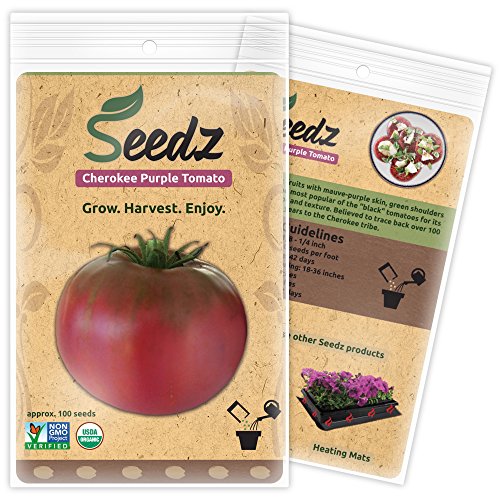
Seedz Cherokee Purple Beefsteak Heirloom Seeds

Purely Organic Cherokee Purple Tomato Seeds

Survival Garden Seeds Cherokee Purple Tomato
Why These Options Stand Out
Live seedlings solve a problem most first-time tomato growers don’t anticipate: the indoor germination window. Cherry Purples typically need six to eight weeks under lights before they’re safe to move outside, and that timing trips up plenty of people. These starter plants arrive already past the fragile sprout stage, sitting in four-inch nursery pots at roughly five to eight inches tall, ready to go into the ground once frost has passed.
Unlike the seed packs further down this list, you’re not trading time for savings. You get a harvest the same summer, even in shorter growing windows up north. Each plant can climb six to eight feet with support, so plan for staking, a tomato cage, or a sturdy trellis before transplant day.
What Pays Off
- Two plants arrive established, which means you’re not gambling on germination rates during the trickiest weeks of the year.
- The four-inch pot size is a sweet spot: large enough to transplant without shock, small enough to ship without damage.
- Flexible placement works in raised beds, in-ground rows, or large containers on a sunny patio.
- You skip grow lights, heat mats, and the daily watering chore that seed-starting demands.
Worth Noting
- No variety name printed on the listing, so if you specifically need the Cherokee Purple strain, confirm with the seller before ordering.
- Live plants ship in a narrow weather window. Late-winter orders may not leave the greenhouse until conditions are right.
Key Specs
Built With In Mind
Patio gardeners with limited space and anyone who skipped the seed-starting phase and wants a productive first season.
Skip It When
If you’re set on saving your own seed for next year, the Survival Garden Seeds pack gives you a known open-pollinated strain to work with.
For gardeners with the patience to start seeds indoors, this Seedz pack offers roughly 100 certified organic Cherokee Purple seeds. The quantity matters more than it sounds: a single tomato variety can use fifteen to twenty seeds for a personal garden, and the rest become insurance against spotty germination or gifts to neighbors.
Compared to the live starter plants from the first pick, you’re trading weeks of indoor work for a much bigger seed bank. Each seed carries the same heirloom genetics that made Cherokee Purple famous, with that dusky-mahogany shoulder and dense, sweet-savory flesh. The certified organic label covers both the seeds and the farming process used to produce them.
Practical Pluses
- Around 100 seeds per pack gives plenty of room for succession planting or sharing with fellow gardeners.
- USDA organic certification covers the full chain, from how the parent plants were grown to how the seeds were handled.
- Non-GMO and non-hybrid status means you can save seeds from this year’s harvest and replant next year.
- Heirloom genetics produce fruit with the flavor profile Cherokee Purple is loved for, not a generic beefsteak stand-in.
Trade Offs
- Indoor seed-starting requires grow lights or a very sunny south-facing window, plus a heat mat for reliable sprouting.
- No included sowing instructions on the listing, so beginners may need to research soil temperature and transplant timing separately.
Right Fit For
Mid-scale raised bed gardeners who want a long harvest window and don’t mind the six-to-eight-week indoor head start.
Swap It Out When
If you don’t want to fuss with indoor setup, the live plants from HILROQG skip straight to transplanting outdoors after frost.
Purely Organic’s take on Cherokee Purple lands at roughly 75 seeds per pack, slightly smaller than the Seedz offering but with the same heirloom pedigree. Open-pollinated (meaning plants that reproduce naturally through wind, insects, or self-pollination, rather than being crossed by hand in a lab) is the key phrase here: any tomato you grow this year can produce viable seed for the next.
The trade-off shows up in seed count. Where the previous pick gave you around 100 seeds, this one asks you to be more efficient with your indoor space. For most backyard plots, that’s not a problem. For folks running classroom projects or seed-swap networks, it might be.
What Stands Out
- Open-pollinated genetics let you build a self-sustaining seed library year over year.
- USA origin and certified organic status keep the supply chain short and traceable.
- Heirloom variety means predictable flavor and fruit shape, generation after generation.
- Smaller pack size suits gardeners who only need a handful of plants, not a full tray.
Small Caveats
- At approximately 75 seeds, you have less margin for error if germination rates dip in your setup.
- Same indoor seed-starting commitment as any heirloom pack: lights, warmth, and hardening off (gradually acclimating seedlings to outdoor sun and wind) before transplant day.
Quick Facts
Whose Shelf It Belongs On
Self-sufficient gardeners who plan to save seed and replant the same genetics across multiple seasons.
Another Choice May Suit
If you want a bigger seed bank to experiment with, the Seedz Cherokee Purple pack gives you more headroom and the same organic profile.
Survival Garden Seeds focuses on heritage varieties that perform well in home plots, and their Cherokee Purple pack leans into that mission. The brand builds packs for gardeners who treat seed-saving as a practical skill, not just a hobby, and the included sowing guidance reflects that practical bent.
Compared to the Purely Organic option above, this pack is positioned more for casual growers than strict organic certification seekers. The flavor profile still lands in the same place: large, dark beefsteak tomatoes with that sweet-smoky balance. You just trade the USDA organic paperwork for a more accessible entry point.
Everyday Advantages
- Heirloom Cherokee Purple genetics deliver the deep color and rich flavor the variety is famous for.
- Heritage variety status means reliable fruit shape across seasons, useful for canning and slicing routines.
- Good fit for backyard plots where kids can watch the full seed-to-fruit cycle.
- Versatile end use, since the dense flesh holds up in salads, sandwiches, and sauce-making.
Points To Note
- Single-pack format doesn’t specify a seed count, so planning a full bed requires a guess at germination rates.
- Same indoor start requirement as the other seed packs, so factor in lights and hardening-off time before ordering.
Made For
Family gardens, casual backyard plots, and anyone teaching kids the seed-to-table arc without specialized equipment.
Reach For A Different Pick When
Strict organic certification is a must, the Purely Organic or Seedz packs both carry that paperwork built in.
What Matters Before Choosing Your Cherokee Purple Tomato Plants
Match Your Form To Your Timeline
Live plants give you a head start on the season, but only if your frost date is still weeks away. Seed packs demand six to eight weeks of indoor care, which means ordering in late winter for a late spring transplant. If your growing season is short (under 120 frost-free days, common in the northern U.S. and Canada), the seedling option from HILROQG is the safer bet. Longer-season gardeners in zones 7 through 9 can comfortably start any of the seed packs and still hit peak harvest.
Consider Sun, Soil, And Support
Cherokee Purple wants full sun, meaning six to eight hours of direct light per day, and well-drained soil with steady moisture. The plants climb six to eight feet, so have a stake, cage, or Florida weave (a horizontal twine trellis strung between stakes) ready before transplant day. Container growing works, but you’ll need at least a ten-gallon pot per plant and more frequent watering.
Weigh Organic Certification Against Budget
USDA organic seed packs cost slightly more, but they matter most if you’re gardening strictly organic or planning to sell produce. Heirloom genetics are the real prize either way, and all four options here deliver that. Pick based on timeline and seed count first, certification second.
Key Considerations Across These Picks
Common Shopping Slip Ups
The biggest mistake is buying live plants too early and trying to keep them alive indoors for weeks, since they stretch, yellow, and attract fungus gnats in low light. A close second is treating all heirloom seeds like grocery-store varieties. Heirlooms need warmth (around 75°F soil temperature) to germinate reliably, and skipping a heat mat costs you a week of progress.
Where The Extra Money Goes
Organic certification adds cost at every step of the supply chain, from the parent crop to the cleaning and packing process. For most home gardeners, the practical value comes from traceability: you know the seed wasn’t treated with synthetic fungicides. If certification doesn’t matter for your garden goals, conventional heirloom packs deliver the same fruit at a lower cost per seed.