Choosing the right growing medium for potted plants feels easy until you stare at a wall of options. I get it, you want something that holds moisture without drowning roots, feeds without burning, and fits the plant you actually own. This roundup pulls together six solid picks covering common houseplants, orchids, snake plants, and general container gardening, so you can match the medium to the plant instead of guessing.
A Quick View Of The Lineup

MODELLOR Coco Coir Bricks 4-Pack 5 lb

Gardenera Premium Snake Plant Potting Soil Mix

Dalton’s of New Zealand Orchiata Bark Small

Gardenera Snake Plant Spray Fertilizer Mist 8oz
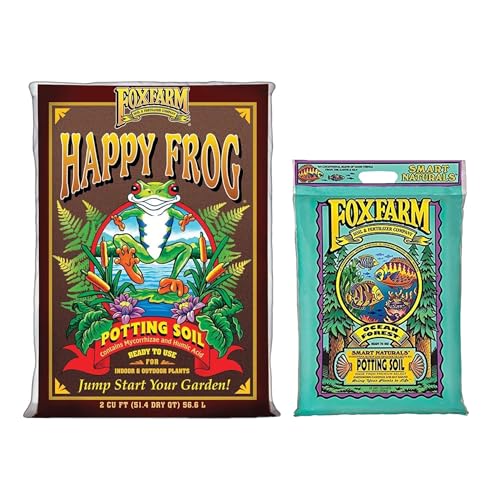
FoxFarm Happy Frog + Ocean Forest Bundle

Gardenera Liquid Snake Plant Fertilizer 3-1-2 8oz
What Each Pick Brings To The Table
Coco coir has become my go-to suggestion for anyone tired of heavy bags of soil cluttering the closet. The MODELLOR Coco Coir Bricks arrive as four compact 5 lb blocks that hydrate into roughly 9 gallons of fluffy, peat-free growing medium. I like that the bricks are triple-washed, which keeps salt levels low and means you don’t have to flush the medium before using it.
The expansion ratio is generous for the storage footprint. A small apartment gardener can tuck the unopened bricks on a shelf and pull one out only when starting seeds or refreshing a container. Because coir holds moisture without turning soggy, you may find your watering schedule stretches a bit compared to standard potting mixes.
Benefits That Matter
- Four bricks yield up to 9 gallons of growing medium once hydrated
- Triple-washed and pH-balanced, so it’s ready to use without extra rinsing
- Peat-free source fits organic gardening preferences
- Compact storage compared to pre-bagged loose soil
- Lightweight texture helps seed-starting mixes stay aerated
Things To Consider
- Hydration takes planning, since each brick needs soaking time before use
- Coir alone has limited nutrients, so feeding is needed for fruiting plants
Who It Suits Best
Apartment dwellers starting seeds or refreshing containers who want a peat-free base they can store in a closet.
A Better Fit Elsewhere
Snake plant owners looking for a finished blend should reach for the Gardenera Premium Snake Plant Potting Soil Mix instead.
Snake plants are famous for tolerating neglect, but they still suffer in dense, moisture-holding potting soil. The Gardenera Premium Snake Plant Potting Soil Mix is blended specifically for Sansevieria, combining peat moss, perlite, lime, and earthworm castings into a fast-draining medium. The 1 quart bag is sized for a single repotting or a small collection of tabletop plants.
The perlite keeps air pockets around the rhizome (the thick underground stem where leaves emerge), which matters because rot usually starts when that area stays wet. If your snake plant sits in a low-light corner, you may find this blend gives you more margin for error than an all-purpose mix.
Where It Delivers
- Blend tuned for snake plant root structure
- Perlite content supports drainage and airflow
- Earthworm castings add gentle organic nutrition
- Ready to use straight from the bag
Worth Noting
- Only 1 quart, so larger pots need multiple bags
- Specific to snake plants, not versatile for mixed collections
- Lime adjusts pH toward alkaline, which suits Sansevieria but limits use for acid-loving plants
Made For
Snake plant parents repotting a single medium plant who want a blend matched to the species.
Skip It When
Orchid growers should pick up Dalton’s of New Zealand Orchiata Bark Small instead, since orchids need a bark-based medium.
Most houseplant mixes suffocate orchid roots within months because the particles break down and hold too much water. Orchiata Bark is processed from New Zealand Pinus radiata (Monterey pine) and graded into consistent small-size pieces that resist decay longer than typical pine bark. The 1 gallon bag suits hobbyists with a small orchid shelf rather than a greenhouse.
What I appreciate is that the bark arrives ready to use, no rinsing or pre-soaking ritual required. The renewable sourcing from managed plantations also matters if you prefer products with a traceable origin story.
Notable Gains
- Pinus radiata bark stays stable longer than generic pine media
- Small grade fits pots up to about 4 inches
- Renewable plantation sourcing
- Single-bag format keeps storage simple
Points To Keep In Mind
- Specialized use only, not suited to foliage houseplants
- Orchids in this medium usually need more frequent watering than bark-less mixes
- Bark dries out faster in low-humidity homes during winter
Best Suited To
Hobbyist orchid growers repotting Phalaenopsis or similar epiphytes (plants that naturally cling to trees rather than grow in soil) in small pots.
Look Elsewhere When
Vegetable container gardeners are better served by the FoxFarm Happy Frog + Ocean Forest bundle for richer nutrition.
Feeding snake plants through the soil gets messy when you only have a small collection and a watering can. The Gardenera Snake Plant Spray Fertilizer Mist delivers a 3-1-2 nutrient ratio (the three numbers show nitrogen, phosphorus, and potassium levels) through a foliar spray (applied directly to leaves rather than roots), which means a quick spritz replaces the usual dilute-and-pour routine. The 8oz bottle is pocket-sized enough to keep near the plant.
The mild ratio is designed for Sansevieria’s slow growth habit, so you’re less likely to burn leaf tips with overfeeding. Depending on your routine, a single bottle covers several months of occasional feeding.
Features That Help
- Gentle 3-1-2 ratio tuned for slow-growing foliage
- Spray format skips the measuring and mixing step
- Compact 8oz bottle stores easily
Trade Offs
- Foliar feeding alone may not replace root feeding for plants in depleted soil
- Small bottle means heavy feeders will run out quickly
Right Fit For
Snake plant owners with one or two plants who want a no-fuss feeding step between waterings.
Swap It Out When
If you prefer measured root feeding for a larger collection, the Gardenera Liquid Snake Plant Fertilizer 3-1-2 Concentrate offers more control per bottle.
Container vegetables and flowering annuals run through nutrients fast because they can’t send roots searching for more. The FoxFarm bundle pairs a 2 cubic foot bag of Happy Frog with a 12 quart bag of Ocean Forest, giving you two soils with different strengths for one project. Happy Frog includes soil microbes and earthworm castings, while Ocean Forest brings in composted bark and bat guano for a richer starter charge.
I like that the smaller Ocean Forest bag handles a single large tomato or citrus repotting, while the bigger Happy Frog bag covers a season of refreshes for patio planters. For most backyards, this combination covers a full spring setup without needing a second trip.
Positive Points
- Two soils in one bundle covers seed-starting through finishing
- Happy Frog amended with mycorrhizal-friendly ingredients (microbes that help roots absorb nutrients)
- Ocean Forest provides a richer nutrient charge for heavy feeders
- Total volume suits a patio garden’s full seasonal needs
Honest Caveats
- Bundle weight is substantial, plan for a car trip home
- Nutrient-rich blends can burn sensitive seedlings if used straight
- Not formulated for orchids or succulents specifically
Quick Facts
Who Will Love This
Patio gardeners running a small vegetable or flower setup who want one purchase to cover most of the season.
Reach For A Different Pick When
Apartment seed starters may prefer the MODELLOR Coco Coir Bricks, which store compactly until needed.
Concentrate fertilizers stretch further than pre-mixed sprays, and the Gardenera Liquid Snake Plant Fertilizer comes in an 8oz bottle that lasts through many watering sessions. The 3-1-2 ratio leans toward nitrogen, which supports the upright leaf growth snake plants are prized for. You dilute it into your regular watering can rather than spraying the foliage.
For indoor snake plants that get fed only a few times a year, one bottle easily covers a full growing season. If your collection includes multiple plants in different pots, the concentrate format also lets you adjust strength for younger or recovering specimens.
Real-World Strengths
- Concentrate stretches across many feedings per bottle
- 3-1-2 ratio supports Sansevieria leaf development
- Liquid format mixes cleanly into a watering can
- Works for routine feeding schedules
Possible Compromises
- Requires measuring and mixing each feeding
- Not a substitute for repotting into fresh soil
Perfect Match For
Snake plant owners with a multi-plant collection who follow a structured feeding calendar.
Consider Something Else When
One-plant owners seeking a quick spritz should consider the Gardenera Snake Plant Spray Fertilizer Mist instead.
Matching Growing Media To Your Plants
The biggest decision with dirts for potted plants isn’t brand loyalty, it’s matching the medium to the root system you’re growing. Snake plants and orchids want fast drainage and air around their roots, while tomatoes and annual flowers in containers lean toward moisture-retentive mixes with steady nutrition.
Drainage matters most. A medium that holds water too long suffocates roots and invites rot. Look for perlite, pumice, or bark as visible particles; those create the air pockets roots need between waterings.
Nutrition varies widely. Coco coir and peat-based mixes start lean and rely on you to feed regularly. Blended potting soils with compost or worm castings carry a starter charge that helps new transplants through the first weeks.
Specialization is worth it for some plants. Orchids and snake plants genuinely suffer in generic mixes, so a species-specific blend often pays back in fewer losses. For mixed houseplant shelves, a quality all-purpose mix plus a targeted fertilizer covers most needs.
Container size changes the math. Small pots dry out faster and benefit from coir-rich blends, while large planters hold moisture longer and need chunkier media to avoid compaction at the base.
Key Considerations Across These Picks
Common Shopping Slip Ups
Buying the biggest bag on display rarely matches your real needs. A 2 cubic foot bag of rich potting soil is overkill for a windowsill herb garden, and a 1 quart specialty blend disappears in one large repotting. Measure your pots first and estimate how many repottings you actually plan to do this season.
Another trap is grabbing an all-purpose mix for plants that genuinely need something different. Orchids in standard potting soil usually decline within a year, and cacti in moisture-retentive mixes rot from the bottom up.
What The Higher Tier Buys
Premium blends like Orchiata or FoxFarm earn their position through ingredient sourcing and consistency. You pay for stable bark that resists breaking down, microbe-rich blends that support root health, and tighter grading that removes dust and fines. For plants you’ll keep for years, those upgrades reduce how often you need to repot.
Frequently Asked Questions
How often should I replace potting soil for potted plants?
Most container plants benefit from fresh soil every one to two years since nutrients deplete and the medium compacts over time.
Can I mix different dirts for potted plants together?
Yes, blending a fast-draining medium like bark with a richer base mix is a common way to customize drainage and nutrition for specific plants.
Do snake plants really need special soil?
They survive in regular potting soil, but a gritty, fast-draining blend prevents the root rot that kills most neglected snake plants.
Is coco coir a good replacement for peat-based mixes?
Coco coir holds similar moisture levels with a more sustainable harvest profile, and it rehydrates easily from compact bricks.
Should I add fertilizer if my potting soil already contains nutrients?
Wait six to eight weeks after repotting before adding fertilizer, then feed based on the plant’s growth stage and the season.
Closing Remarks
The right growing medium quietly does its job in the background, holding moisture, feeding roots, and letting air circulate without you thinking about it. Match the medium to the plant, refresh it when it compacts, and most potted plants reward you with steady growth. Trust your plant’s needs over the marketing on the bag, and you’ll spend less time troubleshooting.