Tomatoes are hungry plants, and a basic all-purpose feed often leaves them wanting more midseason. Phosphorus for blossoms, potassium for fruit set, calcium to keep blossom-end rot at bay; the right liquid or granular booster makes a visible difference in cluster size and ripening. For gardeners who want stronger stems, fuller trusses, and better-tasting fruit without resorting to harsh synthetics, the right formulation matters more than the brand on the bottle.
The Main Contenders
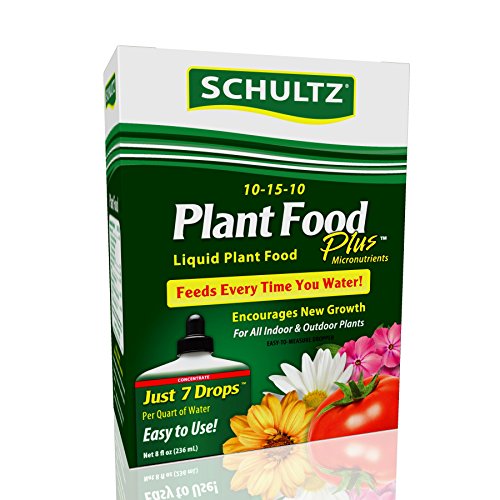
Schultz All Purpose Liquid Plant Food 10-15-10, 8 oz

FoxFarm Grow Big Liquid Plant Food Concentrate 6-4-4

Down To Earth Organic Bone Meal 3-15-0, 5 lb

Farmer’s Secret Tomato Booster 3:8:7 (32 oz)
What Each Pick Brings To The Table
The 10-15-10 ratio on Schultz’s all-purpose bottle leans heavier on phosphorus, the nutrient tomatoes need most during the flowering and fruit-set stage. In a small backyard bed or a couple of patio containers, an 8 oz bottle stretches further than most newcomers expect because a few drops per gallon go a long way.
The formula works on everything in the garden, so it’s a sensible starter option for someone who wants one product to cover vegetables, houseplants, and flower beds without juggling multiple bottles. Compared to the FoxFarm concentrate below, this is the simpler, lighter-duty option that doesn’t ask you to measure teaspoons.
The Practical Payoff
- Higher middle number supports stronger bloom development in tomato plants
- Liquid concentrate mixes cleanly into a watering can with no shaking
- Multi-purpose enough for vegetables, flowers, and houseplants alike
- Compact 8 oz bottle is easy to store on a garage shelf
- Beginner-friendly feeding schedule without complicated dilutions
Points To Keep In Mind
- Small bottle runs out quickly under heavy feeding schedules, so large gardens may burn through it midseason
- No organic certification, which matters to growers avoiding synthetics
Feature Snapshot
Who Will Love This
First-time tomato growers with a small patio bed or a handful of containers who want one bottle that handles most of the garden without complicated measuring.
Look Elsewhere When
Growers running organic-only beds should reach for the Down To Earth Bone Meal instead, since the Schultz formula is not organically listed.
FoxFarm built this concentrate for the early-to-mid vegetative push, when tomato plants are stacking up leaves and building the framework that later carries the fruit. The 6-4-4 ratio reads low on paper, but the liquid format delivers nutrients fast, so response time matters more than the headline numbers.
For a backyard grower who feeds every week through summer, the quart size is the right scale, while apartment gardeners with two tomato pots may find it slower to work through. It’s a noticeably different approach than the Schultz bottle above, leaning into lush foliage before shifting to a bloom-focused feed at flowering.
Notable Gains
- Fast nutrient uptake supports rapid leaf and stem development
- Quart bottle dilutes into many gallons of feed, lowering cost per application
- Trusted among growers who run a multi-bottle FoxFarm feeding program
- Works across vegetables, roses, herbs, and fruiting plants
Worth Bearing In Mind
- Lower phosphorus than bloom-focused feeds, so pairing with a flowering-stage product helps during fruit set
- Concentrate requires careful measuring to avoid overfeeding in containers
- Liquid has a noticeable earthy smell during mixing
Made For
Experienced backyard tomato growers running frequent feedings through summer who want vigorous green growth before the flowering stage kicks in.
Skip It When
Beginners who want one single bottle for the whole tomato life cycle will find the Farmer’s Secret Tomato Booster below easier to manage.
Bone meal has been a garden staple for decades, and Down To Earth’s 3-15-0 version packs fifteen percent phosphorus, which is exactly what tomato plants crave when they’re setting blossoms. The slow-release nature of a granular amendment means the bed feeds itself for weeks rather than hours.
Unlike the Schultz and FoxFarm liquids above, this is a granular product worked into the soil at planting or side-dressed midseason. Five pounds covers a generous backyard bed, and the organic certification appeals to growers steering clear of synthetic feeds.
A Few Highlights
- Listed for organic production by recognized review institutes
- Calcium content supports cell wall strength in developing fruit
- Granular format reduces risk of leaf burn compared with liquid feeds
- One application can feed a bed through much of the growing season
- Long shelf life when stored dry in a sealed container
- Natural phosphorus source rather than a manufactured acid
Trade-Offs To Consider
- Almost no nitrogen or potassium, so pairing with a balanced feed prevents midseason deficiencies
- Slow release means results show over weeks rather than days
- Granular form requires tilling into soil, less convenient for potted tomatoes
Right Fit For
Organic-focused gardeners preparing in-ground tomato beds who want a slow-release phosphorus boost at planting time without synthetic inputs.
Reach For A Different Pick When
Container gardeners with limited soil volume will get faster results from the Farmer’s Secret Tomato Booster reviewed next.
Farmer’s Secret engineered this formula specifically for tomatoes, and the 3-8-7 ratio reflects that focus. The middle number pushes phosphorus for blossoms while potassium carries fruit development, and the calcium addition helps with the blossom-end rot that frustrates so many backyard growers.
Two teaspoons per gallon is the working dilution, and a 32 oz bottle lasts most backyard growers an entire season. Humic acid is added to help roots take up nutrients more efficiently, which is something the all-purpose Schultz and the vegetative FoxFarm don’t specifically address.
Where It Delivers
- Tomato-tuned ratio skips the need to combine multiple bottles
- Concentrated formula stretches a small bottle across a full season
- Added calcium targets blossom-end rot before it starts
- Humic acid supports nutrient uptake at the root zone
- Liquid format feeds quickly through a watering can
Honest Caveats
- Strong dilution ratio means measuring spoons matter for correct dosing
- Narrowly focused on tomatoes, so it doesn’t pull double duty on other crops
- Higher concentration can scorch young seedlings if applied too early
Quick Facts
Best Suited To
Backyard growers with a dedicated tomato patch who want a single specialized bottle rather than a multi-product feeding program.
Consider Something Else When
Growers running a mixed organic vegetable garden should pair the Down To Earth Bone Meal with a balanced organic feed instead for broader coverage.
Picking The Right Tomato Fertilizer For Your Garden
Tomato plants draw heavily on three macronutrients: nitrogen for leafy growth, phosphorus for blossoms and root development, and potassium for fruit quality and disease resistance. The ratio printed on the label matters more than the brand name, because that three-number sequence tells you exactly what the product pushes hardest.
Liquid feeds act fast and suit containers or quick midseason corrections, while granular amendments like bone meal release slowly and reward in-ground beds with weeks of steady nutrition. Organic certification matters to growers avoiding synthetics, though conventional concentrates often deliver faster visible results in stressed plants.
Container gardeners should weigh bottle size carefully, since frequent feeding burns through small concentrates. In-ground growers with larger beds can justify heavier 5 lb amendments that would overwhelm a single patio pot.
Key Considerations Across These Picks
Common Buying Slip Ups
The most frequent mistake is grabbing an all-purpose houseplant feed and expecting tomato-level performance. Houseplant formulas often run nitrogen-heavy, which grows lush leaves but few blossoms. Another trap is ignoring calcium, since blossom-end rot ruins otherwise healthy fruit and a single application at planting rarely prevents it later. Always match the ratio to the growth stage the plant is actually in.
Where The Extra Money Goes
Specialized tomato boosters cost more because the formula is engineered for one crop, including calcium and trace minerals that generic feeds leave out. The premium also covers stronger concentrations, meaning a smaller bottle lasts longer than a cheap jug. For a serious tomato patch, that engineering usually pays off in thicker walls, fewer cracked fruit, and a longer harvest window.
Frequently Asked Questions
How often should tomatoes be fed through the season?
Most liquid tomato fertilizers work on a weekly schedule once the plant starts flowering, with granular amendments applied at planting and again at fruit set.
Can the same fertilizer cover tomatoes and other vegetables?
All-purpose products like the Schultz bottle work fine across vegetables, though tomato-specific boosters usually produce fuller trusses.
Is organic fertilizer better than synthetic for tomatoes?
Organic options build soil over time and avoid synthetic salts, though synthetic concentrates often produce faster visible growth in container setups.
Do tomatoes need extra calcium?
Calcium helps prevent blossom-end rot, especially in container tomatoes where watering fluctuates, so feeds with added calcium are worth prioritizing.
When should tomato feeding stop?
Most growers taper off feeding six to eight weeks before the first expected frost to help fruit ripen before the season ends.
Bottom Line
For most backyard growers, a dedicated tomato booster like the Farmer’s Secret or a versatile liquid like Schultz covers the season without much fuss. Organic gardeners get the most from a granular bone meal worked into the bed at planting. The honest read is that the right pick depends on bed size, watering style, and how much measuring you want to do each week.