Starting an indoor garden, or just trying to keep a few herbs alive through a dim winter, often comes down to one unsung decision: which grow bulb you screw into that empty socket. I’ve talked with enough casual growers and home gardeners to know the right bulb can mean the difference between leggy seedlings and a lush little harvest on the windowsill.
The six grow bulbs below cover a real spread of needs, from simple A19 screw-ins to flood-style PAR38 lamps that cover wider plant groupings. Each one handles a different scenario, so a quick read of the picks should help match your space and your plants.
How The Shortlist Stacks Up

Briignite Grow Light Bulbs LED A19 Full Spectrum

Briignite Full Spectrum LED Grow Light Bulb

Briignite 2 Pack BR30 LED Grow Light Bulbs

Barrina OG11A Grow Light Bulb 4000K 11W
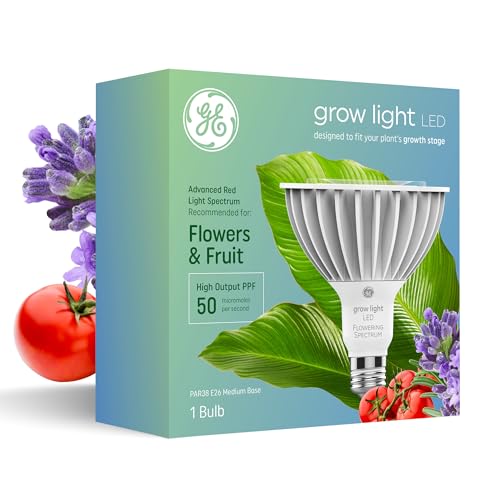
GE Grow LED PAR38 Flood Light Bulb

GE Grow LED PAR38 Balanced Spectrum Bulb
Inside Each Recommended Option
The Briignite A19 grow bulb slips into almost any standard lamp socket, which is the real appeal if you just want to repurpose a desk lamp or floor fixture without buying a new setup. It runs as a full-spectrum light with a 4000K appearance, meaning it looks comfortably white to the eye rather than the harsh purple glow some cheaper bulbs put out.
That neutral color makes it an easy roommate in living spaces and home offices. For a small herb garden on the kitchen counter, or a fiddle leaf fig trying to survive a north-facing window, this bulb gives a solid baseline of usable light.
Points In Its Favor
- A19 shape fits ordinary lamp sockets with no rewiring or adapters.
- 4000K white appearance means no purple glow in shared rooms.
- Full spectrum covers both vegetative leafy growth and flowering stages.
- Lower energy draw than older HID or incandescent options.
Things To Consider
- Single-bulb coverage stays best for one or two plants at close range.
- Light intensity drops sharply the further the plant sits from the bulb.
Who It Suits Best
Beginners and casual growers who want a no-fuss bulb for a kitchen herb cluster or a single houseplant in a regular lamp.
Consider Something Else When
The Barrina OG11A is a better match if built-in dimming and scheduling matter more than a plain screw-in form factor.
Sibling to the A19 above, this Briignite grow bulb keeps the same full-spectrum behavior but leans toward a 5000K appearance, which reads as a cooler, more daylight-like tone to the eye. If you’ve ever wished a grow light looked less “warm and cozy” and more “sun through the window,” that slight shift can matter.
The cooler color temperature tends to suit seedling work and leafy greens particularly well, where blue-leaning light supports compact, stocky early growth. For someone running a basement seed-starting shelf, that detail adds up.
Bright Spots
- 5000K color reads more like natural daylight for a familiar visual feel.
- Same A19 form factor as the 4000K sibling, so fixture choice stays flexible.
- Full spectrum supports vegetables, herbs, and leafy greens across growth stages.
- Cooler tone can help reduce leggy stretching in young seedlings.
Trade Offs
- The cooler color can feel slightly clinical in a living room or bedroom.
- Beam angle is best suited to a focused plant cluster rather than a wide shelf.
Made For
Seed-starters and salad-greens growers who want a daylight-leaning bulb in an ordinary desk or clamp lamp.
Skip It When
The Briignite BR30 two-pack is worth a look if you’re lighting a larger shelf with recessed fixtures instead of a single clamp lamp.
Where the earlier Briignite options were A19 bulbs for open lamps, this BR30 grow bulb is shaped for recessed cans and wider fixtures, and ships as a two-pack. The wider reflector is genuinely useful for lighting a multi-plant shelf or a long countertop garden without clustering everything under a single point source.
The 3500K appearance lands in that middle ground between warm and cool, so it leans slightly toward the warmer side while still feeling like white light. For a kitchen or dining-adjacent garden, that balance tends to look natural.
Why It Works Well
- BR30 reflector shape spreads light across a wider footprint.
- Two-pack keeps the cost per bulb down for whole-shelf coverage.
- Full spectrum handles tomatoes, cucumbers, peppers, and herbs.
- 3500K tone blends easily into kitchen and dining areas.
Small Caveats
- Recessed can fixtures need enough vertical clearance above the plants.
- Heat inside enclosed cans may shorten bulb life compared to open fixtures.
Best Suited To
Apartment gardeners with a recessed-lighting kitchen who want a tidy, integrated look over a row of herbs.
Look Elsewhere When
The GE Grow PAR38 is a stronger fit if you’re lighting a bigger floor-level garden and need wider flood coverage.
The Barrina OG11A is the first bulb in this roundup with controls built into the fixture itself: a stepless dimmer and a 4/8/12-hour timer integrated right on the bulb. For someone who forgets to switch their grow light on in the morning, that built-in scheduling quietly removes a daily chore.
It uses a standard E26 base, which keeps it compatible with most household lamps, and it runs at 11 watts, a sensible middle ground for a single plant or small cluster. The 4000K white appearance also keeps it from looking out of place in a living area.
Notable Gains
- Built-in dimming avoids the need for an external dimmer switch.
- 4/8/12-hour timer automates the daily light cycle without a smart plug.
- E26 base keeps it compatible with common household fixtures.
- Controls on the bulb itself mean no extra hub or app to manage.
Points To Note
- Higher feature load comes at a higher cost than basic screw-in options.
- Control panel is harder to reach once the bulb is in a clamp or pendant fixture.
Perfect Match For
Busy plant parents and routine-driven growers who want their light schedule to run on autopilot.
Swap It Out When
The Briignite A19 is a friendlier budget pick if you don’t care about scheduling or dimming.
The GE Grow PAR38 is a different beast from the A19 and BR30 bulbs above: it’s a flood-light format, designed to throw a wide, intense beam across a larger plant grouping. Where smaller bulbs cover a single pot, this one is built for a serious indoor garden or a fruiting-and-flowering setup.
PPF (photosynthetic photon flux) measures the light energy actually usable by plants, and at 50 micromoles per second this bulb leans into the higher-output end of consumer grow lighting. Tomatoes, peppers, and flowering herbs are exactly where that extra energy pays off.
Useful Strengths
- Higher PPF output supports fruiting and flowering growth stages.
- PAR38 flood format covers a wider canopy than a standard A19 bulb.
- Natural white appearance avoids the purple glow of older grow lights.
- Suited to indoor herb gardens, tomatoes, cucumbers, and peppers.
Honest Caveats
- Larger form factor needs a fixture with enough clearance and heat handling.
- Higher output than a casual windowsill herb garden typically needs.
Who Will Love This
Intermediate to committed indoor gardeners running a real vegetable or flower setup with multiple plants in a single zone.
Where A Sibling Pick Shines
The Briignite 5000K A19 is a more sensible match for a casual seedling tray on a small shelf.
This second GE Grow PAR38 keeps the flood format and the 50 PPF output, but frames itself for the full life of a plant rather than just the fruiting stage. Seed-starting, leafy growth, indoor herb gardens, and flowers all sit inside its stated use cases.
At a 25,000-hour rated lifespan, this is the kind of bulb you install once and largely forget about, which fits how most home growers actually use their lights: on a schedule, day after day, through every season.
A Few Strong Suits
- Balanced spectrum supports seeds, greens, and flowering stages in one bulb.
- 25,000-hour rated lifespan keeps replacements infrequent.
- PAR38 flood covers a wider plant grouping with even light distribution.
- Natural white look blends into living spaces better than purple grow lights.
A Few Limitations
- Higher initial cost than basic screw-in grow bulbs.
- Packaging format varies, so a quick visual check on arrival is worth doing.
Whose Shelf It Belongs On
Long-term indoor gardeners who want one bulb that handles seedlings through harvest without swapping fixtures.
Reach For A Different Pick When
The Barrina OG11A is a smarter grab if automated scheduling matters more than flood-style coverage.
Matching A Grow Bulb To Your Setup
Fixture Compatibility Comes First
Before worrying about spectrum or wattage, the practical question is what fixture you actually have. A19 bulbs thread into ordinary lamp sockets, BR30 bulbs sit in recessed cans, and PAR38 bulbs need flood-light housings or larger clamp reflectors. Buying the right shape saves the frustration of a bulb that won’t physically fit the lamp you already own.
Spectrum And Color Temperature
Full-spectrum grow bulbs blend the wavelengths plants use for photosynthesis, while the Kelvin (K) rating describes how that light appears to your eye. Lower Kelvin readings look warmer and yellower, while higher Kelvin readings look cooler and bluer. Most home growers find 3500K to 5000K strikes a comfortable balance for both plants and living spaces.
Output And Coverage
Wattage hints at energy use, but PPF (photosynthetic photon flux) tells you the actual usable light energy reaching the plant. A single windowsill herb garden does fine with a lower-output A19, while fruiting tomatoes and peppers benefit from higher-PPF PAR38 floods covering a broader area.
Controls And Convenience
A bulb that screws in and stays on is the simplest path, but built-in dimmers and timers, like those on the Barrina OG11A, quietly remove daily fiddling. For routine-driven growers, those features tend to be worth the step up in cost.
What Trips Up First-Time Grow Bulb Shoppers
Where Shoppers Go Wrong
Many first-timers focus on wattage alone and overlook the bulb shape, only to find their new purchase won’t fit the fixture they own. Others buy a heavy PAR38 flood for a tiny windowsill herb pot, then wonder why a single plant looks overwhelmed by light intensity. Matching the bulb’s format and output to the actual plant grouping saves both money and reordering hassle.
When Paying More Pays Off
Higher-tier grow bulbs generally buy three things: more usable light energy for fruiting and flowering plants, integrated controls like timers or dimmers, and longer rated lifespans that mean fewer replacements. The upgrade makes sense once you’re past a casual single-herb setup and into a multi-plant garden, especially one that runs on a daily schedule.
Frequently Asked Questions
What Color Light Is Best For Grow Bulbs?
Full-spectrum white grow bulbs are widely regarded as the most flexible option because they support leafy, flowering, and fruiting stages while still looking natural in a room. Cooler-toned bulbs in the 5000K range lean slightly more toward leafy greens and seedlings, while warmer 3000K-to-3500K tones suit flowering and fruiting plants.
How Far Should A Grow Bulb Hang Above Plants?
Most home grow bulbs work well somewhere in the 6 to 12 inch range above the plant canopy, though the exact distance depends on the bulb’s output. Higher-PPF PAR38 floods usually need a bit more clearance, while lower-wattage A19 bulbs can sit closer without bleaching the leaves.
Can A Regular Lamp Socket Run A Grow Bulb?
Yes, as long as the bulb uses a standard E26 base and stays within the fixture’s wattage rating. Most of the A19 and BR30 grow bulbs in this roundup screw into ordinary household lamps without any rewiring.
Do Grow Bulbs Use A Lot Of Electricity?
Most LED grow bulbs use a fraction of the energy older incandescent or HID setups consumed, often drawing 9 to 15 watts for an A19 or BR30 and somewhat more for a PAR38 flood. Running one for 12 to 16 hours a day is generally a modest addition to a monthly electric bill.
How Long Do Indoor Grow Bulbs Usually Last?
LED grow bulbs commonly carry rated lifespans in the 20,000 to 25,000 hour range, which translates to several years of typical home use. Heat, enclosed fixtures, and frequent on-off cycling can shorten that in practice.
Closing Remarks
A good grow bulb is one that matches your fixture, your space, and the plants you’re actually growing, rather than chasing the highest wattage on the listing. Start with the form factor, then weigh spectrum and convenience from there. The right pick tends to feel obvious once those three line up.