A struggling lawn rarely comes down to bad seed or wrong fertilizer. More often, the soil itself is the culprit, sitting too acidic or too alkaline to release the nutrients grass actually needs. A reliable pH tester turns guesswork into a number you can act on, and the nine picks below cover everything from pinpoint pH pens to moisture-and-light combos and even a purpose-built compaction probe. Each one solves a different problem in your yard, so the right match depends on whether you want raw chemistry data or a fuller picture of what your lawn is dealing with.
A Side-By-Side Look
LAWNFUL Digital Soil pH Meter Industrial Grade LCD Display
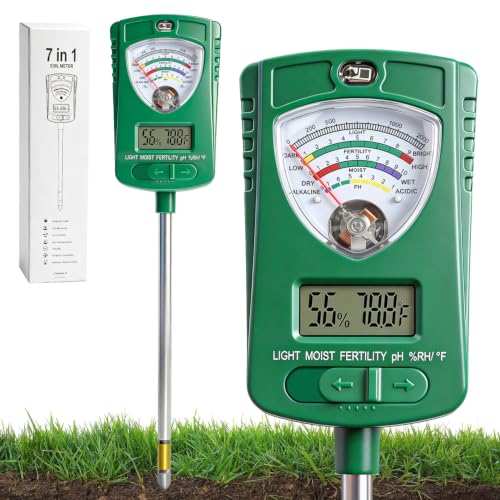
FOTSHARER 7-in-1 Soil Test Kit 90° Rotatable Head
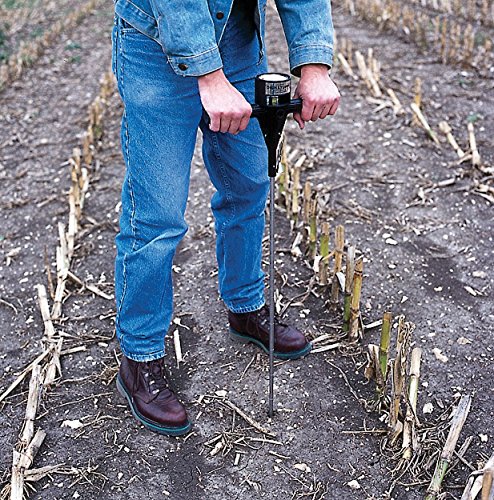
Dickey-John Soil Compaction Tester (Silver)

tegongse Soil Moisture Tester Frog Design
Tarocat 6-in-1 Soil pH Tester 8-Inch Probe

EDGEVEIL 4-in-1 Wireless Soil Moisture Meter

FOTSHARER Garden Shade Cloth Kit 78.7″x59″

LUVCOSY Calibration-Free Digital Soil pH Pen (White)

BONNYCO MS02 3-in-1 Soil Moisture/Light/pH Tester
The Picks, Examined More Closely
If your main concern is raw pH accuracy and nothing else, this LAWNFUL pen keeps the workflow refreshingly simple. It’s a handheld probe with a calibration-free LCD readout, so you skip the buffer-solution dance that scares off casual users. The body weighs around 160 grams, light enough to clip to a garden apron and forget it’s there.
The double-needled stainless-steel tip reaches into the root zone where pH actually matters, not just the surface crust. Compared with the moisture-only frog probe below, this one trades simplicity for a real chemistry number. Lawn owners chasing a specific grass type (centipede loves acid, bluegrass prefers neutral) get the clearest answer here.
Positive Points
- Calibration-free design removes the most common setup roadblock for first-time owners.
- Industrial-grade algorithms and a dual-needle stainless probe give chemistry-level readings rather than a vague scale.
- 160-gram handheld body fits in a back pocket, so weekly spot checks across the lawn stay painless.
- Low power draw means the battery holds up across an entire season of casual use.
- Anticorrosive probe construction handles damp soil and fertilizer residue without pitting.
Things To Consider
- Reads pH only, so you still need a separate moisture or light tool for fuller diagnostics.
- Probes need a wipe-and-dry after each session to keep readings consistent over time.
Key Specs
Built With In Mind
Lawn owners who want a single trustworthy pH number without buying into multi-function gadgets or buffer-solution routines.
Consider Something Else When
The FOTSHARER 7-in-1 Soil Test Kit 90° Rotatable Head suits shoppers who want moisture, light, and temperature readings in the same visit.
Where the LAWNFUL pen focuses on one number, this FOTSHARER kit aims to replace an entire tray of tools. It bundles seven measurements into a single probe with a 90-degree rotating head, so you can read the screen at a comfortable angle without crouching in the dirt. The dual-display layout keeps soil data separate from ambient air readings.
The metric list covers soil moisture, soil pH, fertility, light intensity, soil temperature, air humidity, and ambient air temperature. For a serious home gardener tracking microclimates across a vegetable patch and lawn edge, that breadth is genuinely useful. You trade absolute precision on any single metric for a fuller environmental snapshot.
The Upside
- Seven measurements in one probe means fewer trips back to the shed for a different tool.
- The 90-degree rotatable head protects your back during long inspection sessions.
- Soil and air data appear on separate displays, reducing confusion when comparing zones.
- Works across indoor houseplants, raised beds, and full lawn areas without a mode swap.
Points To Keep In Mind
- More metrics can mean each individual reading is less precise than a single-purpose pen like the LAWNFUL above.
- The denser display takes longer to learn than a simple analog dial.
Right Fit For
Garden enthusiasts juggling multiple plant types who want one probe that handles lawn, beds, and houseplants alike.
Skip It When
The BONNYCO MS02 3-in-1 Soil Moisture/Light/pH Tester is a friendlier fit for beginners who only need the basics.
Step away from chemistry and into soil physics. The Dickey-John Compaction Tester is a steel probe designed to measure how tightly packed your soil is, which matters because compacted ground chokes roots regardless of how perfect your pH is. The 30-inch probe reads down into the subsoil where lawn stress actually begins.
Pressure is captured on a 0 to 500 PSI scale using interchangeable tips (1/2-inch and 3/4-inch), so you can match the tool to softer topsoil or denser clay. Where every other pick on this list measures what’s in the soil, this one measures how the soil resists. For golf-course-style lawns or recently constructed yards with suspected hardpan, that distinction is everything.
The Good Stuff
- Steel probe construction holds up to repeated pushes into compacted ground.
- Two included tip sizes let you tune the tool for topsoil versus dense subsoil.
- 30-inch reach goes deeper than typical probe pens, exposing hidden compaction layers.
- A 0 to 500 PSI range covers everything from loose garden loam to severe hardpan.
Trade-Offs
- Specialized tool that does not measure pH, moisture, or light, so it complements rather than replaces the other picks here.
- Requires physical effort to drive the probe, so it suits periodic deep checks rather than daily use.
Who It Suits Best
Lawn professionals and serious hobbyists diagnosing drainage failures or hardpan before committing to aeration equipment.
A Better Fit Elsewhere
The Tarocat 6-in-1 Soil pH Tester 8-Inch Probe fits gardeners who need chemistry and moisture rather than compaction data.
The tegongse probe is the most laid-back option in this lineup. Shaped like a small frog in green ABS plastic, it skips the LCD entirely and uses a simple analog dial to read soil moisture. No batteries, no calibration, no on switch. You push the probe into the soil and read a color band.
At roughly 27.5 centimeters long, it’s portable enough to toss in a kitchen drawer for indoor pothos checks or carry out to the herb bed. Compared with the LAWNFUL pen at pick one, you give up pH chemistry and gain pure simplicity. For casual houseplant owners watering on instinct, that trade often feels like the right one.
The Helpful Details
- Battery-free design works the moment you insert the probe, with no setup steps to forget.
- Lightweight ABS body suits indoor shelves and small outdoor beds alike.
- Analog dial gives a fast moisture read without menu navigation or screen glare.
Honest Caveats
- Moisture only, so it leaves pH, light, and temperature entirely to other tools.
- The frog form factor is charming but offers less precise readings than a digital pen for serious lawn work.
Made For
Houseplant owners and casual gardeners who want a low-effort way to stop overwatering their indoor pots.
Look Elsewhere When
The EDGEVEIL 4-in-1 Wireless Soil Moisture Meter suits shoppers wanting wireless alerts rather than an analog dial.
The Tarocat earns its place on reach alone. Where most probes on this list stop at four or five inches, this one ships with an 8-inch (200mm) corrosion-resistant metal shaft that drops into deeper raised beds and established root zones. For gardeners working with deep containers or double-dug beds, the extra length changes what you can measure.
On the moisture side, it shows five levels. On the pH side, twelve levels. That’s enough resolution to tell acidic from alkaline at a glance without pretending to be lab equipment. Insert into loose soil away from rocks, wipe clean after each session, and the probe keeps delivering consistent numbers across a full growing season.
Why It Works Well
- 200mm probe reaches the root zone of mature shrubs and deep raised beds where shorter pens can’t.
- Corrosion-resistant metal stands up to wet soil and fertilizer contact over repeated use.
- Combined moisture and pH readouts cover the two most common adjustment decisions in lawn care.
Less Ideal Details
- Needs loose, rock-free soil to slide in cleanly, so clay-heavy yards may need pre-loosening with a hand fork.
- Twelve pH levels lack the granularity of a true digital pen for borderline cases.
Best Suited To
Raised bed growers and deep-container gardeners who need a longer reach than typical short probes offer.
Not Your Match When
The LUVCOSY Calibration-Free Digital Soil pH Pen suits lawn owners wanting precise numeric chemistry rather than tiered readouts.
The EDGEVEIL swaps the probe-and-cable ritual for a wireless readout, which is a small idea that changes daily habits. The probe sits in the soil while the display unit lives on your kitchen counter or workbench, so you check moisture without walking out to the yard. A low-moisture alert flashes when a pot crosses a threshold.
It also tracks soil temperature and accumulated sunlight, which makes it useful for windowsill plants that suffer from drafty spots. Compared with the FOTSHARER 7-in-1 kit at pick two, you lose ambient air readings but gain the convenience of a remote screen. For plant parents who forget to walk out and check, that nudge matters more than another metric.
Advantages To Know
- Wireless readout means no daily walk to the garden for a moisture check.
- Low-moisture alert reduces the most common houseplant failure, which is delayed watering.
- Tracks soil temperature and sunlight hours alongside moisture for fuller plant care decisions.
A Few Limitations
- Wireless components require occasional charging or battery swaps that a passive probe does not.
- Soil pH is not part of the readout, so lawn-focused owners still need a separate pH pen.
Who Should Grab It
Busy plant owners who want gentle reminders to water rather than walking out to check soil conditions manually.
Another Choice May Suit
The LAWNFUL Digital Soil pH Meter Industrial Grade LCD Display fits owners focused on lawn pH chemistry above convenience features.
This one breaks the testing pattern on purpose. Rather than measuring soil, it changes the environment around the soil. The FOTSHARER kit bundles a 4.9 by 6.5-foot 75 percent sunblock shade cloth with five hoop sets, so you can build a low tunnel over a raised bed or vegetable row.
The cloth cuts harsh summer sun that cooks shallow roots and lifts soil temperature beyond what a pH tester can ever fix. It arrives with straight tubes, curved tubes, connectors, and clips, which removes the usual scavenger hunt for compatible parts. Soil chemistry still matters, but a struggling patch often needs physical relief before any probe reading helps.
What Stands Out
- Complete hoop-and-cloth kit removes the need to source matching parts separately.
- 75 percent sunblock density cuts harsh afternoon rays without plunging the bed into full shade.
- Included gloves speed up assembly without an extra trip to the garage.
Potential Drawbacks
- Does not test soil at all, so it works best as a complement to a chemistry probe, not a replacement.
- Hoop installation takes an afternoon the first time, which casual weekend gardeners may underestimate.
Perfect Match For
Vegetable gardeners in hot-summer regions looking to protect sensitive seedlings without a permanent greenhouse build.
Reach For A Different Pick When
The Tarocat 6-in-1 Soil pH Tester 8-Inch Probe suits owners whose priority is reading what is happening below the soil surface.
The LUVCOSY pen sits in the same family as the LAWNFUL at pick one, but its white finish and slightly more refined algorithm focus appeal to owners who treat lawn chemistry as a serious hobby. Calibration-free operation keeps things approachable, while the industrial-grade sensor targets the kind of decimal-level precision that helps when adjusting acid-loving plants like blueberries or hydrangeas.
At 160 grams, the body feels identical to the LAWNFUL in the hand, which makes switching between the two painless. The double-needled stainless probe is anticorrosive and self-powered in the low-draw sense, so battery life rarely becomes a worry. For shoppers comparing two near-twins, the decision often comes down to finish and brand preference.
Reasons It Performs
- Calibration-free sensor removes the largest friction point for casual chemistry testing.
- Industrial-grade algorithm delivers reliable readings for borderline soil near neutral pH.
- Lightweight 160-gram pen handles extended walking inspections across large lawns.
Where It Is Less Suited
- pH-only design means pairing it with a moisture tool for a fuller picture of lawn health.
- Premium positioning can feel like overkill for gardeners who only need a quick yes-or-no acid check.
Who Will Love This
Detail-oriented lawn owners tracking pH trends across a season and willing to pay for sharper numeric readings.
Where Another Pick Suits Better
The BONNYCO MS02 3-in-1 Soil Moisture/Light/pH Tester fits shoppers who want moisture and light included in the same device.
The MS02 closes the list as the friendliest entry point. Three functions, one probe, no calibration ritual. You slide the metal tip into the soil, flip a small switch to choose moisture, light, or pH, and read the analog scale. For a first-time tester, that low-stakes workflow matters more than another decimal of precision.
It covers the three measurements that actually drive most home plant decisions, which is enough to diagnose the majority of common issues without dragging out multiple tools. Compared with the tegongse frog at pick four, you add pH and light readings but lose the whimsical form factor. The trade feels reasonable for anyone moving from casual watering to a more deliberate routine.
Useful Touches
- Three-function probe covers the everyday trio of moisture, light, and pH in one tool.
- No calibration needed, so beginners avoid the buffer-solution learning curve.
- Indoor and outdoor compatibility works for houseplants, raised beds, and small lawn areas.
Small Caveats
- Probe tips need wiping between readings to avoid cross-contamination between very different soils.
- Analog scale offers less resolution than a digital pen for borderline pH cases.
Quick Facts
Whose Shelf It Belongs On
First-time soil testers and casual gardeners who want one simple tool covering the three basics without a learning curve.
Swap It Out When
The FOTSHARER 7-in-1 Soil Test Kit 90° Rotatable Head fits gardeners ready to add fertility and air readings to the same probe.
Getting The Right Reading From Your Soil
A pH tester is only as useful as the soil sample you feed it. Probe depth matters more than brand name in most lawns, since the surface crust often reads very differently from the root zone four to six inches down. Aim to test multiple spots across a lawn rather than a single patch, because pH shifts between sunny and shaded corners more than most people expect.
Probe type shapes how you use the tool day to day. A handheld pen like the LAWNFUL or LUVCOSY slips into a routine walk around the yard, while a multi-function kit like the FOTSHARER rewards slower, more deliberate inspections. Battery-free analog probes, including the BONNYCO MS02 and tegongse frog, work the moment you push them in, which makes them easy for kids or reluctant helpers to use alongside you.
Cleaning habits decide how long any tester stays accurate. Wipe the probe with a dry cloth between samples, especially after testing very wet or heavily fertilized soil, and store the tool indoors rather than leaving it outside. A corroded tip is the most common cause of drifting readings, and a quick wipe takes less time than chasing inconsistent numbers all season.
Test timing matters too. Soil pH shifts slowly across a year, so testing once each season gives a meaningful trend without driving you crazy with daily data. After lime or sulfur applications, wait a few weeks before retesting, since the change takes time to settle through the soil column.
Key Considerations Across These Picks
Pitfalls Shoppers Hit
The most common mistake is trusting a single reading from one spot. Lawns vary, and a probe stuck into a sunny patch near a pine tree will give a very different number than a probe in the open middle of the yard. Take at least four or five readings across the area you actually care about and average them before making any soil amendment decision.
Another trap is leaving the probe dirty. Soil residue on the tip contaminates the next sample and slowly corrodes the metal. A quick wipe after each use keeps numbers consistent and extends the life of the tool, especially on analog probes like the BONNYCO MS02.
Where The Extra Money Goes
Higher-tier models earn their price through sensor precision and build quality. A calibration-free industrial-grade pen like the LUVCOSY uses tighter algorithms that hold up near the boundary between acidic and neutral soil, where cheaper probes often give wishy-washy readings. Long-probe tools like the Tarocat also cost more because the longer shaft needs sturdier construction to avoid bending in dense clay.
Multi-function kits cost more because you are paying for the engineering to fit several sensors into one housing. The trade-off is real convenience during inspections, which matters more for gardeners managing larger or more varied spaces than for someone with a single raised bed.
Frequently Asked Questions
How often should you test lawn soil pH? Testing once per season covers the meaningful shifts without overwhelming you with data. Retest a few weeks after any lime or sulfur application to confirm the change took hold.
Do cheap analog pH probes actually work? Analog probes give a reliable yes-or-no answer for most home lawns. They struggle at the boundary between acidic and neutral, where a digital pen reads more clearly.
Can one probe work for both lawn and houseplants? Most probes in this list, including the BONNYCO MS02 and FOTSHARER 7-in-1 kit, transition between indoor and outdoor use without a mode swap. Just wipe the tip between very different soils.
What is the difference between pH and moisture in a soil test? pH measures the chemical acidity or alkalinity of the soil, while moisture measures how much water is currently held in the root zone. Both matter, but they answer different questions about plant health.
Do wireless soil meters need Wi-Fi to work? Wireless meters like the EDGEVEIL use a paired display unit rather than a home network. They send data over a short radio link, so no internet connection is required.
Closing Remarks
The right tester depends on what your lawn actually needs. A pH-only pen gives the cleanest chemistry data, a multi-function kit opens up the bigger picture, and a compaction probe solves problems no chemistry tool can touch. Match the tool to the question you are asking, wipe the tip after each use, and the numbers you collect will actually guide your next move in the yard.