Working a stubborn vegetable patch or reclaiming a tired lawn usually starts with one decision: how much muscle do you actually need to break ground? Corded electric rototillers have quietly become the go-to for homeowners who want reliable soil prep without the gas-engine hassle. The list below sorts through ten current options, from small walk-behind cultivators to a couple of replacement parts worth knowing about if you already own compatible riding equipment.
A Quick View Of The Lineup
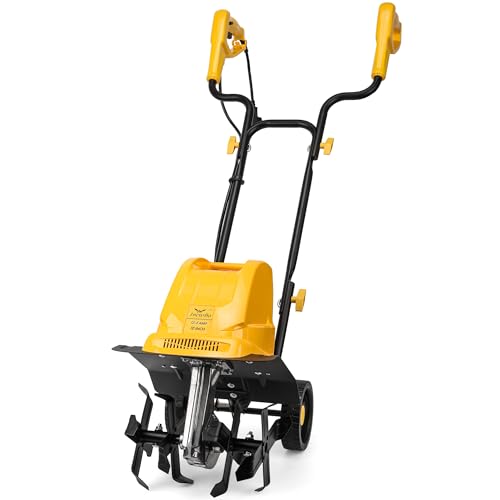
IncwBo 12” Electric Roto Tiller Cultivator

Briggs & Stratton 692317 Connector Hose

MTD Reverse Cont Cable Replacement

IncwBo 12” 15-AMP Corded Roto Tiller

IncwBo 16” Corded Electric Roto Tiller

IncwBo 12” 10.5AMP Corded Roto Tiller

IncwBo 12” 10.5-AMP Roto Tiller Cultivator

IncwBo 12” 8.5 AMP Small Garden Tiller

IncwBo 12” 15-AMP Roto Tiller Cultivator

IncwBo 17” 15-AMP Corded Roto Tiller
The Strengths Of Each Pick
The IncwBo 12-inch cultivator sits in a comfortable middle ground for backyard gardeners who want electric convenience without babying a small motor. Its 13.5-amp motor pushes through established beds and loosens soil that hasn’t been turned in a season or two, which makes it a sensible step up from the lightest 8.5-amp entry picks later in this list.
Compared to the Briggs & Stratton connector hose on pick 2, this is the full machine, not a replacement part, so it makes more sense for someone starting from scratch. The 12-inch cutting width covers most home-vegetable plots in a few steady passes.
Strengths Worth Knowing
- 13.5-amp motor balances steady torque with household-circuit compatibility
- 12-inch tilling width suits mid-size backyard beds without constant repositioning
- Corded electric design means no fuel mixing or choke starts
- Compact body stores more easily than wider rear-tine alternatives
Things To Consider
- Cord length requires an outdoor extension rated for the amperage
- Less torque than the 15-amp sibling models in compacted clay
- Tine maintenance calls for periodic cleaning to prevent rust buildup
Key Specs
Right Fit For
Home gardeners tackling a medium vegetable patch or refreshing existing flower beds each spring.
Where Another Pick Suits Better
The IncwBo 17-inch 15-Amp corded roto tiller (pick 10) is the better call for very large open plots where a wider pass saves time.
The Briggs & Stratton 692317 connector hose is not a tiller at all, so it earns its place here only for owners of compatible machines already in the garage. It replaces older Briggs part numbers 493496, 494451, and 692317, restoring fuel or vacuum routing on the equipment it fits.
Where pick 1 gives you a fresh machine, this hose keeps an aging one alive. The genuine-OEM designation matters because aftermarket connectors occasionally don’t seal quite right on older carburetor assemblies.
Useful Highlights
- Genuine OEM part built to factory specs
- Covers three legacy part numbers in one listing
- Saves the cost of replacing a whole tiller for a single failed line
- Compact shipping size stores easily in a parts drawer
Points To Keep In Mind
- Only useful for owners of compatible Briggs & Stratton equipment
- Requires basic small-engine know-how to install
- Not a standalone solution for new garden prep
Whose Shelf It Belongs On
Shed owners and homeowners with older Briggs & Stratton tillers needing a faithful replacement connector.
Skip It When
The IncwBo 12-inch 13.5-amp electric roto tiller cultivator (pick 1) makes far more sense for someone shopping for a working tiller rather than a service part.
The MTD reverse cont cable is another parts-bin candidate, an OEM-authorized control cable (a flexible sheath housing that transmits pull-and-release motion between a lever and a mechanism) built for several MTD equipment models. It restores factory-feeling shifting when an existing cable has stretched, frayed, or seized inside its housing.
Much like the Briggs & Stratton connector hose on pick 2, this cable serves a narrow audience with the right gear already in the shed. New gardeners looking for actual tilling power should scroll past.
What Works In Its Favor
- OEM-authorized part ensures fit on listed MTD models
- Reverses rough or sticky gear engagement after install
- Manufactured in the US for consistent QC
- Costs far less than replacing the host machine
Practical Considerations
- Only fits specific MTD models, so model-number verification is critical
- Routing the new cable through the frame takes patience
Made For
Owners of older MTD riding equipment and walk-behind units who can confirm compatibility by model number.
Look Elsewhere When
Shoppers who need a fresh tiller entirely should consider the IncwBo 12-inch 13.5-AMP electric roto tiller cultivator (pick 1).
Stepping up from the 13.5-amp pick 1, this 15-amp version delivers noticeably more bite in dense or previously neglected ground. The extra amperage translates into steadier tine rotation when the soil resists, which matters when spring beds haven’t been turned since fall.
For homeowners with denser clay or root-heavy sections, the added torque earns its keep. Lighter sandy soils may not require the upgrade, in which case the lower-amp IncwBo models on picks 6 or 7 will do the job.
A Favorable Mix
- 15-amp motor handles compacted soil without bogging down
- Same 12-inch width keeps the machine maneuverable in tight beds
- Push-button start removes fuel-mixing friction
- Replaceable steel tines extend service life
Honest Caveats
- Higher amp draw needs a properly rated extension cord
- Slightly heavier than the 10.5-amp entry models
Key Specs
Best Suited To
Gardeners with clay-heavy soil or those reviving a neglected patch that smaller tillers tend to bounce across.
A Better Fit Elsewhere
The IncwBo 16-inch corded electric roto tiller (pick 5) suits shoppers wanting both extra power and a wider pass.
Where picks 1 through 4 stick to a 12-inch path, this IncwBo model stretches out to 16 inches wide for faster coverage on bigger plots. Six rust-resistant blades handle the extra span without losing bite, and the 8-inch depth stays consistent across the cut.
For long, open vegetable rows the wider pass adds up to real time savings, though narrower raised beds may feel crowded by the extra width. Compare that to the IncwBo 15-Amp 12-inch cultivator (pick 4), which keeps the same motor class in a tighter frame.
Real Benefits
- 16-inch width covers larger beds in fewer passes
- Six-blade rotor spreads work across more cutting surface
- Rust-resistant coating helps the tines last longer in damp soil
- 13.5-amp output balances reach with circuit compatibility
Where It May Fall Short
- Wider frame struggles to fit standard 4-foot raised beds
- Requires careful cord management to avoid cutting the lead
Perfect Match For
Suburban gardeners with open ground-level plots who measure by the acre-fraction rather than the square yard.
Reach For A Different Pick When
The IncwBo 12-inch 10.5-amp corded electric roto tiller (pick 6) makes more sense for tight raised beds and lighter work.
The 10.5-amp IncwBo cultivator takes a step down in power from pick 5, which makes it more approachable for first-time users handling softer, already-worked soil. It still offers the same 12-inch width and 8-inch depth as the more powerful siblings, so the footprint stays familiar even at lower output.
The trade-off shows up when the ground fights back, where the 13.5-amp pick 1 or the 15-amp pick 4 would push through more easily. For light seasonal weeding and topping off beds, though, this is plenty.
Useful Touches
- Lighter overall weight helps during long weeding sessions
- Lower amp draw works on more household circuits without tripping breakers
- Push-button start keeps the learning curve short
- Folding handles ease garage storage in tight spaces
Things To Weigh
- Struggles in hard-packed clay or root-dense soil
- Replacement tines may be harder to source for the 10.5-amp platform
Who It Suits Best
First-time tiller owners maintaining established beds that need light refresh rather than heavy breaking.
Consider Something Else When
The IncwBo 12-inch 15-amp electric roto tiller cultivator (pick 9) is the better choice for breaking new ground.
This IncwBo 10.5-amp cultivator leans into routine seasonal prep rather than heavy reclamation. The 12-inch cutting width stays familiar, and the 8-inch depth keeps things consistent with the higher-amp siblings earlier in the list.
Same story with the power class as pick 6, though small differences in handle geometry and tine configuration can change how the machine feels in the hands. Pick this one if softer soil and steady maintenance describe your situation.
The Good Stuff
- Corded simplicity cuts out fuel storage and winterizing
- Compact body slides into most shed corners after use
- Steady 8-inch depth supports healthy root development
- 10.5-amp motor sips power relative to larger tillers
Possible Compromises
- Not the right tool for first-time soil breaking on hard ground
- Cord drag can interrupt rhythm in larger beds
Built With In Mind
Backyard growers refreshing established vegetable plots and herb beds each spring.
Swap It Out When
Someone breaking entirely new ground should consider the IncwBo 12-inch 13.5-AMP electric roto tiller cultivator (pick 1).
The 8.5-amp IncwBo is the gentlest option in the lineup, with a small footprint designed for raised beds, herb gardens, and tight urban plots. You may find the lower output limiting in dense ground, but for already-worked soil it handles the job without overkill.
Compared to pick 7’s 10.5-amp platform, this one trades raw power for easier handling and lighter storage. For weekend gardeners with a few small beds, that balance often feels right.
Features That Help
- Lightest machine in the lineup for less fatigue
- 12-inch reach still covers standard raised beds
- 8-inch depth suits annuals and most shallow-rooted crops
- Easy plug-and-go setup for occasional users
Smaller Limitations
- Bogs down in hard-packed soil that bigger motors push through
- Plastic housing components wear faster than metal-heavy models
Quick Facts
Who Should Grab It
Patio and balcony gardeners with a couple of raised beds who want something they can carry out and store quickly.
Another Choice May Suit
The IncwBo 12-inch 10.5-amp corded electric roto tiller (pick 6) is the better call once soil gets heavier or beds grow larger.
The second 15-amp IncwBo in the lineup pairs strong torque with replaceable steel tines, which gives it a longer working life in rough conditions. Where pick 4 also runs at 15 amps, this variant leans into durability for gardeners who expect to put hours on the machine each season.
The extra metal does add weight, so smaller-framed operators may prefer the lighter 13.5-amp pick 1. For dense soil and frequent use, though, this one’s construction pays off.
Points In Its Favor
- 15-amp output chews through compacted or root-heavy ground
- Replaceable steel tines keep the machine running season after season
- Rust-proof blade coating extends usable life
- 12-inch reach keeps the footprint manageable for tight yards
Trade-Offs To Consider
- Heavier than 10.5-amp and 8.5-amp siblings
- Pulls harder on extension cords at full load
Right Fit For
Seasoned gardeners with serious soil to break or larger plots that demand consistent, repeated use.
Not Your Match When
The IncwBo 12-inch 8.5-amp small electric garden tiller (pick 8) suits someone wanting a lighter touch on small raised beds.
The widest cutter in this lineup, the 17-inch IncwBo, is built for gardeners with acreage-scale ambitions. The 15-amp motor handles the wider blade span without bogging down, which matters when you’re trying to clear ground-level plots in a single afternoon.
Compare that to pick 1’s 12-inch 13.5-amp cultivator, and the difference in pass count becomes obvious on big jobs. For narrow raised beds, however, the extra width feels cumbersome.
Notable Upsides
- 17-inch width sweeps the largest swaths in this roundup
- 15-amp motor keeps torque steady across the broader cutting path
- Push-button operation removes choke-and-pull hassle
- Wide reach favors open ground and in-ground rows over tight boxes
Some Limits To Know
- Won’t fit standard 4-foot raised beds without overhang
- Heavier chassis complicates transport up stairs or onto truck beds
Feature Snapshot
Perfect Match For
Rural homeowners and serious gardeners with sizable in-ground beds ready for fast, repeated passes.
Where A Sibling Pick Shines
The IncwBo 16-inch corded electric roto tiller (pick 5) is a better fit when you want similar reach in a slightly more compact frame.
Choosing A Corded Tiller That Actually Fits Your Soil
The right rototiller is less about chasing the highest amp number and more about matching power, width, and weight to the ground you actually have. Soil type sets the floor for motor class. Sandy or recently turned loam only needs an 8.5-amp or 10.5-amp platform to stay productive, while clay-heavy or compacted earth asks for at least 13.5 amps and rewards 15 amps even more. Width follows plot geometry: narrow raised beds favor a 12-inch reach, while open ground-level plots benefit from 16- or 17-inch cutters that close out jobs faster.
Soil Class And Motor Match
Match motor output to soil density rather than bed size alone. Clay-heavy ground pulls more current per pass, so undersized motors stall and overheat. Lighter soil lets smaller amps do the same work without strain. Treating soil type as the deciding factor, with bed size as a secondary filter, prevents both underpowered frustration and overspending on torque you won’t use.
Width, Depth, And Maneuverability
Tilling width and depth determine how many passes a job takes and how clean the seedbed looks afterward. A 12-inch reach stays nimble in tight spaces, while 16- and 17-inch models cover large plots with fewer sweeps. Depth of 8 inches is standard across most electric cultivators and supports most vegetable root systems. Heavier machines till straighter rows but tire out smaller operators faster, so weight belongs in the decision alongside width.
Cord Management And Storage Reality
Corded tillers live or die by their power source. A heavy-gauge outdoor extension, ideally 50 to 100 feet, lets you work without constantly swapping outlets. Storage matters too: folding handles and slim bodies fit shed corners and garage walls, while wider chassis need floor space you may not have.
Key Considerations Across These Picks
Common Shopping Slip Ups
The most frequent mistake is picking a tiller by amp rating alone, without thinking about soil type or bed shape. Shoppers also forget extension-cord ratings, which trip breakers or starve motors under load. Measuring bed widths before buying, and matching the cutting width to the tightest space you’ll work in, saves returns.
What The Higher Tier Buys
Stepping up to a 15-amp model buys more torque for clay and roots, plus replaceable tines that extend the machine’s working life. The wider 16- and 17-inch cutters save real time on bigger plots, though they sacrifice the tight-space agility of 12-inch units. The upgrade pays off when soil is dense or plots are large, and falls flat for raised-bed gardeners who never push the machine hard.
Frequently Asked Questions
Are corded electric rototillers powerful enough for breaking new ground? Yes, when you pick at least a 13.5-amp model with steel tines. Lower-amp cultivators work for already-tilled soil but struggle in compacted clay.
How wide should the cutting path be for a typical home garden? A 12-inch path fits most raised beds and small plots, while 16- or 17-inch models suit larger ground-level gardens where faster coverage matters more than maneuverability.
Do I need a special extension cord for a corded tiller? Yes. Use a heavy-gauge outdoor-rated cord sized for the amp draw, since lighter cords cause voltage drop and motor strain under load.
Can electric tillers handle wet soil? Working very wet ground isn’t recommended for any tiller, electric or gas, because compacted mud stresses the machine and produces poor seedbeds. Slightly moist soil is fine.
How do I maintain the tines between seasons? Clean off soil after each use, dry the tines, and apply a light oil coat to prevent rust. Replace bent or broken tines before the next season to keep the rotor balanced.
The Takeaway
The best rototiller is the one whose motor, width, and weight line up with the soil and plots you actually have, rather than the biggest numbers on the spec sheet. Smaller 8.5- and 10.5-amp units suit established raised beds and light seasonal refresh, while 13.5- and 15-amp models earn their keep in clay or compacted ground. Match the tool to your situation, and the season’s first dig feels a lot less like a fight.