A pile of autumn leaves used to mean an hour with a rake and a sore back. A modern leaf blower vacuum flips that script, sucking up debris, shredding it on the way in, and leaving your lawn tidy in a fraction of the time. Corded, battery-powered, and even fully robotic options now exist, so the right pick depends mostly on your yard size, outlet access, and tolerance for setup. The seven models below cover that range, from light weekend touch-ups to fully automated large-lot care.
The Leading Options At A Glance

MZK 3-in-1 Electric Leaf Blower Vacuum Mulcher, Corded
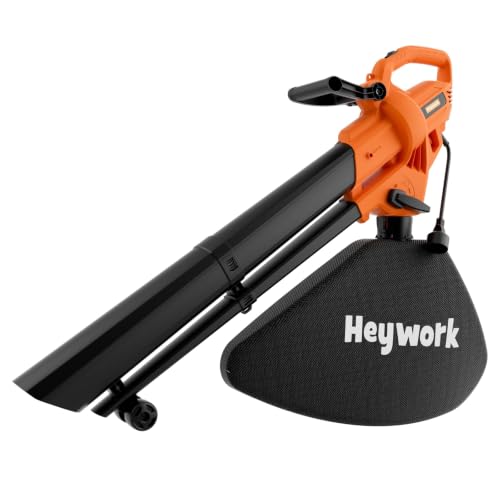
3-in-1 Leaf Vacuum Mulcher, 450 CFM Corded Blower

WORX WG583 40V 3-in-1 Cordless Leaf Blower/Vacuum/Mulcher

WORX Trivac WG512 3-in-1 Electric Leaf Blower/Vacuum/Mulcher

WORX Trivac WG509 3-in-1 Electric Leaf Blower/Vacuum/Mulcher

YARBO Robot Lawn Mower and Leaf Blower, 2-in-1 Modular
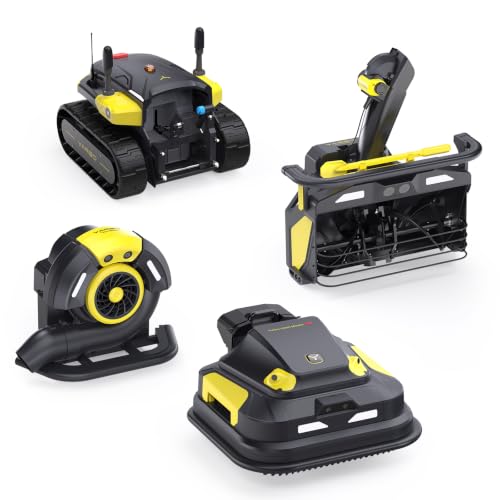
YARBO Robot Mower Pro + Leaf Blower, Wire-Free
A Closer Look At Each Pick
The MZK corded unit leans on raw airflow rather than battery runtime, which works well for homeowners who already have an outdoor outlet within reach. Compared to the Heywork 3-in-1 covered next, it pushes a slightly higher CFM rating, so dense leaf piles on a driveway clear in fewer passes. The tool-free mode swap keeps the workflow simple: blow debris into a corner, flip to vacuum, mulch, and you’re done.
For most suburban lots under a quarter acre, the corded design is more of a feature than a limitation. You’re trading fuel and charging for an extension cord, and in exchange you get consistent power from the first leaf to the last.
Notable Upsides
- Air volume around 460 CFM with speeds near 167 MPH, enough for damp leaves and grass clippings on a flat driveway.
- 3-in-1 design means one tool replaces a rake, a blower, and a bag, cutting trips to the curb for leaf disposal.
- Corded power means no fade-out mid-job. Performance stays steady until you unplug.
- Light enough for one-handed steering when you’re working along a garden edge.
Things To Consider
- You’re tied to an extension cord, so the farthest corners of a large yard can feel like a juggling act.
- Mulched leaves collect in the included bag, which owners commonly report needing frequent emptying on bigger jobs.
Made For
Suburban homeowners with a small-to-medium yard, an outdoor outlet nearby, and a dislike for gas or battery maintenance.
Consider Something Else When
Anyone working far from an outlet or wanting true cable-free movement will be better served by the WORX WG583 cordless option further down.
Heywork’s 3-in-1 borrows the same basic recipe as the MZK but adds emphasis on tool-free transitions and slightly lower air speed. Where the MZK chases raw velocity, this one chases convenience, and the appeal is real for mixed debris. Dry leaves along a fence line, damp grass clippings on a patio, and pine needles around a flower bed all benefit from being able to swap modes without hunting for a hex key.
The 450 CFM airflow lands close to the MZK’s 460 CFM figure, so in day-to-day yard work you probably won’t feel the gap. You will feel the lighter, more compact body on longer sessions.
The Good Stuff
- Tool-free mode switching is genuinely faster than older designs that require disassembly.
- Air speed near 158 MPH handles dry leaves and pine straw without bogging down.
- 3-in-1 functionality trims down storage, since one tool replaces three.
- Compact body fits into a tight garage corner more easily than bulkier backpack-style units.
Worth Noting
- Like the MZK, an extension cord is required, which limits reach in larger yards.
- Vacuum mode works best on dry or recently fallen debris; soaking-wet piles may clog the intake.
Best Suited To
Homeowners who bounce between blowing leaves off a patio, vacuuming debris from garden beds, and mulching into a bag, all in the same afternoon.
Look Elsewhere When
If you want cordless freedom for big yards, the WORX WG509 Trivac further down offers a similar 3-in-1 concept in a battery-friendly format.
The WG583 is where things shift from plug-in to portable. Two 20V PowerShare batteries run in series for 40V output, and the same packs slot into any other WORX 20V, 40V, or 80V tool you may already own. Compared with the corded Heywork just above, you trade a slight dip in raw airflow for the freedom to walk to the back fence without dragging a cord.
The trade-off shows up in run time, not raw power. The motor still moves plenty of leaves per pass, but a long vacuum session will drain the batteries faster than the equivalent corded job, so a spare charged pack helps on big lots.
Well-Handled Touches
- Up to 340 CFM and 210 MPH, which rivals many corded units for typical suburban debris.
- Battery compatibility across the WORX ecosystem means existing chargers and packs pull double duty.
- 3-in-1 design handles blowing, vacuuming, and mulching without separate attachments to lose.
- No cord to manage around flower beds, patio furniture, or pond edges.
Trade Offs
- Battery run time drops noticeably in vacuum and mulcher modes compared to blower-only use.
- Charging spare batteries adds a step to your routine that corded users never have to think about.
Key Specs
Who It Suits Best
Existing WORX tool owners, plus anyone who values cordless convenience over the absolute highest CFM rating.
Swap It Out When
You want a heavier-duty airflow profile for thick, wet debris; the MZK corded unit covered earlier delivers higher CFM at the cost of a power cord.
The Trivac WG512 is the easygoing cousin of the lineup, lighter on its feet than most, and aimed squarely at people who find heavy yard tools a chore. Where the MZK and Heywork lean on raw numbers, this WORX focuses on comfort. A 12A electric motor pushes 600 CFM, but the total package lands under 10 pounds, which changes the feel of a long cleanup session considerably.
The dial-based mode swap is a nice touch too. There’s a real difference between turning a knob and wrestling with latches when you’re halfway through a job and your gloves are dusty.
Points In Its Favor
- Under 10 pounds of total weight means less arm fatigue on long fall-cleanup days.
- 600 CFM airflow is the highest corded figure in this roundup, ideal for moving big leaf piles quickly.
- 16:1 mulch ratio cuts down on bag trips to the curb, useful for anyone who hates yard waste duty.
- Dial-based mode change is simple enough for first-time users to figure out without reading the manual.
Soft Spots
- Corded design still tethers you to an outdoor outlet, which can complicate far corners of the yard.
- The included collection bag is on the smaller side; expect more frequent emptying than with larger backpack vacuums.
Right Fit For
First-time buyers, smaller-framed users, and anyone who wants the lightest grip on a 3-in-1 tool.
Reach For A Different Pick When
You want cordless flexibility; the WG583 covered above trades some CFM for battery-powered freedom.
The Trivac WG509 is the older sibling to the WG512 just reviewed, and it sits in the lineup as the durability-first option. A metal impeller handles the mulching, which matters more than it sounds. Plastic impellers can chip or wear when they meet a stray twig or acorn, and that wear accumulates across several fall seasons. The metal version is built for repeated use on messy lots.
Performance lands close to the WG512 in real-world terms: 350 CFM at 210 MPH is plenty for typical suburban cleanup, and the 3-in-1 mode swap keeps the workflow familiar.
Useful Highlights
- Metal impeller tends to outlast plastic equivalents under repeated seasonal use.
- Tool-free mode transition keeps operation simple for anyone new to yard tools.
- Corded 350 CFM output handles dry leaves, grass clippings, and small yard debris with ease.
- 3-in-1 design consolidates blower, vacuum, and mulcher into a single storage footprint.
Minor Gripes
- Slightly heavier feel than the WG512, which is worth noting for users who prefer the lightest grip possible.
- Extension cord required, same as the other corded options in this guide.
Quick Facts
Who Should Grab It
Homeowners who run their leaf cleanup every fall and want a tool that holds up after multiple seasons.
Not Your Match When
You prefer the lightest possible tool in your hand; the WORX WG512 covered above trims weight at the cost of the metal impeller.
The YARBO 2-in-1 represents a sharp departure from the handheld units reviewed so far. This is a robotic yard platform, not a tool you carry. The lawn mower module handles the cutting, the leaf blower module handles the debris, and you swap between them depending on the season. All-terrain tracks handle slopes up to 70%, which puts this in a different category than anything else in the list.
For homeowners on multi-acre lots with steep grades, the appeal is straightforward: set up the schedule, and the machine does the work. For everyone else, the size and infrastructure demands (charging station, module storage, initial mapping) make the YARBO a serious commitment.
Reasons It Performs
- Modular design means one platform covers mowing, leaf blowing, and optional snow blowing across the year.
- All-terrain tracked drive handles 70% slopes, well beyond what handheld units can manage.
- Advanced obstacle detection helps the robot navigate lawn furniture, pets, and garden borders.
- Suitable for large properties, with the mower module rated for yards up to 6.2 acres.
Room For Improvement
- Setup involves a charging station, an initial mapping run, and a learning curve that handheld tools don’t have.
- Leaf blowing is a module, not a built-in feature, so there’s a physical swap to plan around seasonally.
Built With In Mind
Owners of large, sloped properties who want to automate mowing and leaf cleanup rather than spend weekends doing it by hand.
A Better Fit Elsewhere
Anyone with a small suburban yard will find the YARBO overkill; the WORX WG512 corded Trivac covers similar blowing and mulching in a much lighter, simpler package.
The Pro variant builds on the 2-in-1 YARBO above and pushes further toward full-year autonomy. Dual 300W motors drive straight blades for heavier mowing, and the wire-free navigation removes the perimeter-wire installation step that older robotic mowers required. For commercial sites, golf courses, or large estates, the appeal is automation without the burial work.
The honest read is that this is a serious capital outlay compared to a handheld leaf blower vacuum. The case for it only really clicks when you’re managing multiple acres or paying someone else to do the work right now.
Positive Takeaways
- Wire-free setup removes the perimeter-cable installation step common to older robotic mowers.
- Dual 300W motors and straight blades handle heavier mowing than typical residential robots.
- Modular design covers mowing, leaf blowing, and snow blowing across four seasons from one platform.
- All-terrain tracked drive handles slopes and uneven ground on larger properties.
A Few Limitations
- Snow blower and leaf blower modules are sold separately, so the all-season promise adds up at the register.
- Size and infrastructure demands mean this isn’t realistic for a typical suburban lot under a half acre.
Feature Snapshot
Whose Shelf It Belongs On
Large-property owners, landscape professionals, and golf course managers who want automated four-season coverage and have the budget for a modular platform.
Skip It When
You have a typical suburban yard; the WORX WG583 cordless option earlier in this list covers leaf cleanup at a fraction of the cost and complexity.
Matching The Right Tool To Your Yard
Picking a leaf blower vacuum comes down to three honest questions: how much ground are you covering, how close is your nearest outlet, and how often do you actually do this chore. The right answer for a quarter-acre suburban lot is rarely the right answer for a six-acre property with slopes, and pretending otherwise just leads to frustration.
Corded units like the MZK, Heywork, and both WORX Trivacs deliver the strongest sustained airflow. CFM (cubic feet per minute) measures the volume of air the tool moves, and higher CFM means leaves shift faster off driveways and patios. The trade-off is the cord itself, which limits reach and creates a small trip hazard on uneven ground. For yards under a quarter acre with a reachable outlet, this is rarely a real problem.
Cordless models trade some sustained power for genuine freedom of movement. Battery platforms like the WORX PowerShare system mean one set of batteries can run a leaf blower, a hedge trimmer, and a string trimmer, which simplifies ownership. Run time becomes the limiting factor, so a spare charged pack helps during longer sessions.
Robotic platforms like the YARBO units sit in their own category. They make sense when the time saved justifies the investment, and that math only works for larger properties or commercial sites. For most homeowners, a handheld 3-in-1 covers everything they actually need without the setup overhead.
Mulch ratio matters more than people expect. A 16:1 ratio (sixteen bags of leaves reduced to one bag of mulch) means far fewer trips to the curb, and the shredded material works well for garden beds. Higher ratios are better, but anything above 10:1 saves meaningful time on a fall cleanup day.
Weight and ergonomics affect whether you’ll actually use the tool. A unit under 10 pounds, like the WORX WG512, is comfortable for most users over a long session. Heavier units tend to cause arm fatigue, which often translates into shorter, less thorough cleanup jobs.
Key Considerations Across These Picks
Where Shoppers Go Wrong
The most common slip-up is choosing by airflow alone. A 600 CFM corded unit looks impressive on paper, but if your yard is half an acre with no outdoor outlet within reach, you’ll spend more time managing extension cords than actually blowing leaves. Match the tool to your layout first, then optimize for power within that constraint.
Another trap is ignoring weight and ergonomics until after the first long session. A heavy tool that produces great numbers doesn’t help if it ends up sitting in the garage because it’s uncomfortable to use. Try to gauge grip and balance before committing.
When Paying More Pays Off
The upgrade cases that genuinely pay off are larger yards, tougher debris, and battery platform expansion. If your yard pushes past a half acre of leafy trees, or if you already own tools on a 20V/40V battery platform, the step-up in price translates to real time saved every fall. Robotic platforms only pencil out when you’re managing acreage that would otherwise mean hiring help.
Frequently Asked Questions
What does CFM mean on a leaf blower vacuum? CFM stands for cubic feet per minute, the volume of air the tool moves. Higher CFM shifts larger leaf piles faster, while air speed (MPH) determines how forcefully debris is pushed. Both numbers matter, but CFM usually has more impact on real-world cleanup time.
Can a leaf blower vacuum handle wet leaves? Most can handle slightly damp leaves, but soaking-wet piles tend to clog vacuum intakes and slow mulching. Dry or recently fallen leaves are the ideal case. For very wet conditions, a higher CFM corded unit usually performs better than a battery model.
How loud are these tools in residential use? Expect noise comparable to a household vacuum or a hair dryer at full power. Corded electric units tend to be quieter than gas-powered alternatives, but extended use still warrants hearing protection, especially on hard surfaces that amplify sound.
Do mulched leaves work well in garden beds? Yes. Shredded leaves break down faster than whole leaves, and the smaller pieces are easier to spread around shrubs and perennials. A 10:1 or higher mulch ratio produces material that composts within a single season in most climates.
How long do cordless batteries typically last per session? Run time varies by mode and battery capacity, but most 40V platforms handle 20 to 40 minutes of mixed blowing and vacuuming on a full charge. Mulching draws the most power, so heavy mulching sessions can shorten run time noticeably.
Closing Remarks
The right leaf blower vacuum depends less on specs and more on your yard, your outlets, and how often you actually clear debris. Small urban lots with nearby power favor a lightweight corded 3-in-1, while larger suburban properties benefit from a cordless platform with shared batteries. Anything approaching acreage starts to look like a robotic platform conversation. Pick the format that matches your ground, and the cleanup goes from a dreaded chore into a quick Saturday job.