You know the feeling: kneeling in a flowerbed, roots fighting back, thorns laughing at your fingers. A solid pair of leather gardening gloves turns that scrap into a calm afternoon, letting you grip, dig, and prune without flinching. The four below span heavy-duty cowhide, flexible everyday leather, and lighter garden-specific cuts, so you can match a glove to your soil, your tools, and the kind of weekend you actually have.
The Picks In Brief
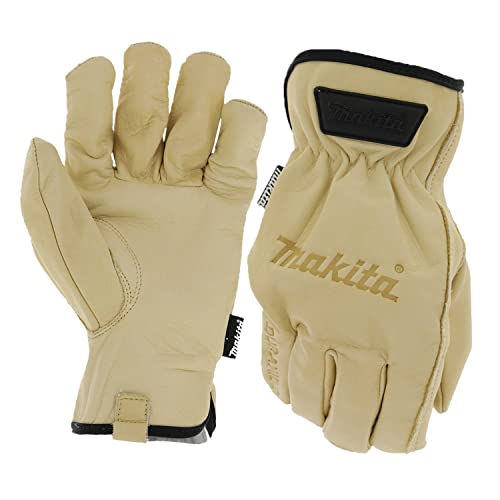
Makita T-04195 Genuine Leather Cow Driver Gloves (Large)

WZQH Leather Work Gloves for Men and Women (Medium, Rose Red/Grey)

HANDLANDY Leather Gardening Gloves for Men and Women
Digz Gardening Gloves for Women
A Closer Look At Each Pick
The Makita T-04195 leans into the work-boot end of the gardening world: thick cowhide, full coverage, no-nonsense cut. You feel that heft the moment you slide your hand in, which is exactly the point when you’re wrestling rose canes or hauling brush out of a hedge row. Where the WZQH pair aims for cross-discipline flexibility, this one focuses on straight abrasion resistance.
For most backyard cleanups, this glove handles the rough jobs better than the lighter picks further down this list. Reach for it when your Saturday involves more hauling than planting.
What Pays Off
- Full-grain cowhide shell shrugs off scratches from rough bark, stone, and thorny brush
- Driver-style cut leaves the fingers loose enough for tool grip without going floppy
- Stitched seams sit away from high-wear zones, so the glove survives repeated yard sessions
- Listed under personal protective equipment, signaling a serious safety-grade construction
Things To Consider
- You may find this heavier than typical garden gloves, especially during long weeding sessions
- Lacks the gardening-specific shaping you’ll see on the HANDLANDY and Digz picks
Key Specs
Whose Shelf It Belongs On
Homeowners clearing overgrown lots, hauling firewood, or doing heavy pruning will get the most from this glove.
Swap It Out When
Pick the Digz Gardening Gloves instead if your tasks lean toward light planting and you want a glove that disappears on your hands.
The WZQH glove is the crossover pick on this list, designed to live in both a garden shed and a garage. Its split cowhide shell with a cotton lining is a familiar construction in welding and ranch gloves, which is why the manufacturer leans on that heritage. The reinforced palm and adjustable wrist borrow straight from work-glove design.
Compared to the Makita above, this pair trades raw thickness for breathability and a softer feel against the skin. You give up some abrasion resistance and gain comfort during longer sessions.
A Few Strong Suits
- Cotton lining keeps sweat from turning the inside into a slip hazard during long afternoons
- Reinforced palm extends glove life when you spend hours gripping shovels and pruners
- Adjustable wrist keeps debris from sneaking in during soil work
- Listed under welding gloves, signaling solid heat and abrasion tolerance
Worth Noting
- Medium sizing only from this listing, so larger hands should look at other picks
- Thinner than the Makita, which means thorny brush still gets through under pressure
- Cotton lining absorbs moisture, so owners commonly report needing to air-dry the gloves between uses
Made For
Shoppers splitting time between garden beds, light welding, or farm chores who want one glove that handles both.
Reach For A Different Pick When
Choose the HANDLANDY Leather Gardening Gloves if your work stays in the garden and you want a glove shaped for planting.
The HANDLANDY glove is the only pick on this list filed under Patio, Lawn and Garden rather than tools or welding, and that shows in its focus. It is built specifically for hand and arm protection during gardening tasks, so the brand clearly targets weekend planters rather than contractors. The result is a glove that feels closer to a real gardening tool than a borrowed work glove.
Stack it next to the WZQH and the difference is intent: where the WZQH aims to do everything, the HANDLANDY aims to do garden work well.
Good Reasons To Consider
- Categorized directly under gardening gloves, so sizing and shape stay aligned with typical yard tasks
- Leather shell handles pruning, transplanting, and light tool work without bulk
- Unisex framing lets couples share a single pack if sizing lines up
Minor Gripes
- Light source data limits any claim about thickness or palm reinforcement
- Not built for chainsaw or welding use the way the WZQH is
Quick Facts
Right Fit For
Weekend gardeners focused on planting, mulching, and pruning will find this glove matches their routine.
Not Your Match When
Pick the Makita T-04195 instead if your day involves hauling brush or moving stone, where thicker cowhide pays off.
The Digz glove closes the list as the lightest, most accessible option, designed for gardeners who want a glove that gets out of the way. Its framing is aimed at women’s hands and everyday yard work, which means the focus lands on fit and dexterity rather than industrial-grade protection. You trade brute strength for a glove you forget you are wearing.
Set beside the HANDLANDY pick, this one leans even further toward casual use, where the goal is clean hands at the end of the day rather than surviving a brush pile.
What Helps Most
- Women’s-specific cut addresses the fit gap that unisex work gloves often leave behind
- Lighter leather feel suits long planting and weeding sessions
- Filed as safety work gloves, so the basic protective function is still part of the build
Points To Keep In Mind
- Not designed for thorns or rough brush the way the Makita or WZQH pairs are
- Limited category detail in the source data leaves thickness and lining unspecified
Best Suited To
Casual gardeners planting flowers, pulling weeds, and tidying beds will find this glove fits the bill.
Consider Something Else When
Step up to the WZQH Leather Work Gloves if your weekend drifts toward heavier chores or workshop time.
What Matters Most Before Choosing Leather Gardening Gloves
Start with the work, not the glove. Leather splits into two broad camps in this category: full-grain cowhide (the dense, top-layer hide used on work-grade gloves) and split leather (the softer underside often used in lighter garden gloves). Full-grain lasts longer against abrasion and thorns but stiffens up; split leather breathes better but wears faster. Your weekly routine decides which trade-off you actually want.
Fit matters more than people expect. A glove that’s a half-size too big turns a firm grip into a sloppy one, and dirt sneaks in past the wrist. Look for listed sizing, adjustable wrists, and cut style: driver cuts leave fingers loose for tools, while gauntlet cuts extend past the wrist for rose work. The WZQH and Makita both lean toward adjustable wrists, while the Digz and HANDLANDY focus on trimmer garden cuts.
Lining changes the experience. Cotton linings (like on the WZQH) absorb sweat and add comfort during long sessions, but they also hold moisture, so plan to air-dry between uses. Unlined leather feels more direct but breaks in faster and can feel clammy on hot days.
Key Considerations Across These Picks
Mistakes Worth Dodging
Picking the thickest glove on the shelf sounds safe, but bulky leather ruins fine-motor tasks like tying tomato twine or handling seed packets. Match the glove to your lightest common task, not your heaviest. Skipping sizing checks is another common slip. Even “large” varies between brands, so measure your hand and trust the chart over the label. Finally, don’t ignore storage: leather left damp in a shed mildews fast, so a dry hook near the back door keeps these picks serviceable for seasons.
When Paying More Pays Off
Higher-tier leather gloves typically buy better hide selection and stronger seam construction. That matters most for thorny gardens, heavy lifting, or daily yard work where cheap gloves wear through in a season. Casual planters who pull on gloves a few weekends a year usually get full value from mid-tier options like the HANDLANDY or Digz. Heavy users, especially those clearing brush or handling firewood, see the upgrade pay off fast in fewer replacements.
Frequently Asked Questions
How long do leather gardening gloves typically last?
A well-cared-for pair of leather gardening gloves often lasts several seasons of regular use, though daily heavy work shortens that timeline considerably.
Can leather gloves be washed in a washing machine?
Machine washing dries out and stiffens leather, so spot cleaning with a damp cloth and air drying is the safer route.
Are leather gloves safe for handling thorny plants like roses?
Full-grain cowhide gloves like the Makita handle thorns better than thinner split-leather options, but no leather glove is fully thorn-proof under hard pressure.
How should leather gloves fit for the best grip?
Fit should be snug without pinching, with fingers reaching near the tips and no extra material bunching in the palm when you close your hand.
Do leather gardening gloves work in wet conditions?
Light moisture is fine, but leather softens and loses shape when soaked, so waterproofing sprays help if you garden in damp climates.
Final Take
The right pair of leather gardening gloves fades into the background and lets the work breathe. Match the glove to your routine: heavy cowhide for brush and stone, lined leather for long crossover days, lighter cuts for everyday planting. Whichever pick you land on, dry them between uses and they will keep showing up season after season.