Choosing the right shelter can make or break a long weekend in the backcountry. After years of packing for shoulder-season trips and humid summer routes, your writer knows the difference between a tent you forget in your pack and one you actually look forward to pitching. This list breaks down ten options across solo, group, kids, and ultralight categories, so you can match your shelter to the kind of trips you actually take.
The Picks In Brief

ALPS Mountaineering Lynx 2-Person Tent

ALPS Mountaineering Lynx 1-Person Tent
Kelty Late Start 4P Backpacking Tent

ALPS Mountaineering Zephyr 2-Person Tent

KidzAdventure 2-in-1 Kids Camping Tent

Kelty Discovery Trail 3P Tent Footprint

Naturehike Mongar 2-Person 3-Season Tent

Lavitis Ultralight 2-Person Backpacking Tent

A Deeper Look At The Lineup
The ALPS Mountaineering Lynx 2-Person Tent anchors this list because it covers the ground most weekend backpackers actually walk. Its two-pole rectangular dome design with aluminum poles and pole clips pitches fast after a long day on the trail, a real plus when daylight is fading. The mesh half-walls let humid summer air move through, which matters more than most people expect until they’ve spent a night in a still tent.
Compared with the solo Lynx reviewed next, this one gives you usable room for two adults plus a gear corner. For couples splitting gear weight or friends who don’t mind close quarters, the trade-off between space and packed weight leans clearly in your favor here.
Positive Takeaways
- Aluminum poles keep the packed weight reasonable for a two-person shelter
- Half-mesh walls improve airflow on muggy nights
- Freestanding design lets you reposition the pitch before staking
- Pole clips speed setup compared to sleeve-style tents
Worth Noting
- Interior space feels snug for two adults with wide sleeping pads
- Owners commonly report needing to re-tension the fly in heavy rain
Key Specs
Who It Suits Best
Pair backpackers and weekend trip planners who want a reliable shelter without paying for ultralight bragging rights.
Where Another Pick Suits Better
Solo travelers should reach for the ALPS Mountaineering Lynx 1-Person Tent instead, which trims weight and space for one occupant.
The Lynx 1-Person Tent is the answer for hikers who measure success in solitude and low pack weight. Its freestanding aluminum frame and pole clips keep setup to a few minutes, while the mostly mesh body keeps condensation from settling on your sleeping bag. Extra-large #8 zippers on both the door and vestibule make late-night exits fumple-free.
Where the two-person Lynx gives you shared space, this one trades interior volume for a smaller packed footprint that suits long solo routes. For one sleeper, that’s a worthwhile exchange.
Positive Points
- Mostly mesh walls maximize airflow on warm nights
- #8 zippers resist snagging in cold or dusty conditions
- Freestanding frame sets up on uneven ground without fighting stakes
- Compact packed size fits into smaller multi-day packs
Things To Consider
- Interior length can feel short for hikers over six feet tall
- Limited vestibule storage for bulkier packs
- Single-wall mesh loses heat quickly on shoulder-season nights
Whose Trail It Belongs On
Solo backpackers covering moderate mileage who prefer ventilated, easy-pitch shelters over the smallest possible packed weight.
Consider Something Else When
Thru-hikers counting every ounce will find the Naturehike Mongar 2-Person 3-Season Tent a stronger match for ultralight ambitions.
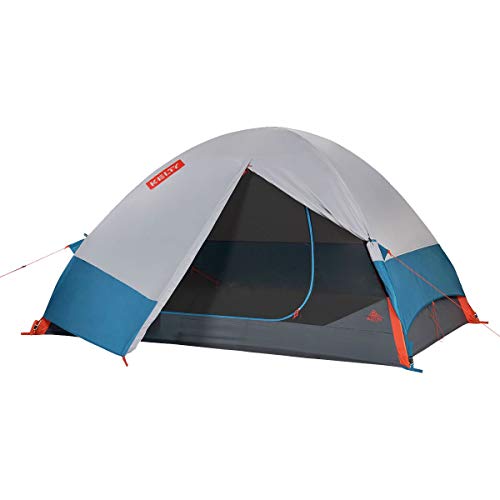
The Kelty Late Start 4P is built around one idea: pitch it and start relaxing. Quick Corner technology combines with pre-bent aluminum poles so the tent goes up in a hurry, even if you roll into camp after sunset. The waterproof polyester fly handles standard three-season weather, and the four-person capacity swallows three adults plus gear comfortably.
Compared with the two-person Lynx, this is a group-first shelter, trading ultralight credentials for livable space. You won’t hike as fast carrying it, but you’ll set up camp much sooner, which matters on short autumn weekends.
The Good Stuff
- Quick Corner clips collapse setup time dramatically
- Pre-bent poles widen the floor and boost standing room
- Aluminum frame keeps weight reasonable for four-person capacity
- Waterproof polyester fly sheds rain in standard conditions
Points To Note
- Packed weight is heavier than solo or duo options
- Bulkier packed size demands more pack space
Right Fit For
Group campers, family outings, and basecamp-style trips where ease of setup outranks minimal packed weight.
Reach For A Different Pick When
Couples counting grams should consider the MSR Elixir 2 instead, which delivers two-person geometry at a lighter carry weight.
The ALPS Zephyr 2-Person Tent tackles a problem most summer backpackers recognize: that wall-less, breezy feeling of a well-ventilated shelter with room to sit up. Pre-bent aluminum poles create steeper walls, raising interior headroom and giving you a more vertical living space. Full mesh walls turn the body into a near-screened porch that breathes through humid evenings.
Stepping up from the Lynx 2, you trade the half-mesh balance for full mesh airflow and a roomier feel. For three-season trips in warm climates, that swap earns its keep.
A Strong Showing
- Pre-bent poles create steeper walls and livable headroom
- Full mesh body delivers top-tier ventilation in humid weather
- Aluminum frame stays durable across repeated trips
- Freestanding design works on varied campsite surfaces
Honest Caveats
- Mesh body lets cold drafts in during shoulder-season trips
- Higher packed weight than the standard Lynx 2
Quick Facts
Best Suited To
Warm-weather backpackers and humid-climate campers who prioritize airflow and livable space over cold-weather retention.
A Better Fit Elsewhere
Cold-weather campers should look at the Kelty Late Start 4P, which offers more enclosed fabric for retaining warmth.
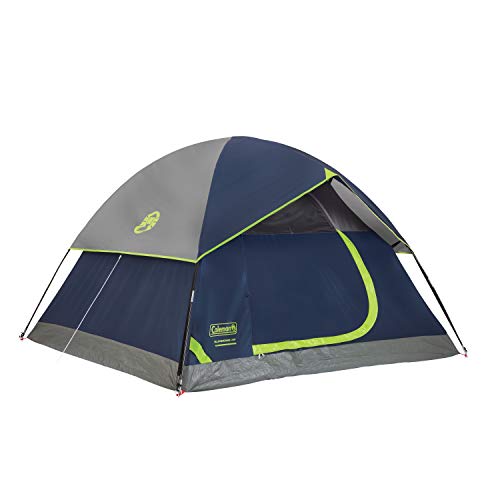
The Coleman Sundome sits on the campground-to-car side of the backpacking spectrum, where quick pitches and rainproof shells matter more than low weight. WeatherTec system construction helps seal out rain and wind, and snag-free continuous pole sleeves let you get the tent up fast. For first-time campers or anyone rolling into a state park with a trunk full of gear, the Sundome removes several friction points.
Unlike the Lynx or Zephyr, this tent isn’t designed for mileage. It shines when you drive in, unload the cooler, and want shelter before the storm hits.
A Few Highlights
- WeatherTec system targets rain and wind protection at campgrounds
- Continuous pole sleeves simplify setup for first-time campers
- Affordable entry point for casual outdoor use
- Available in multiple sizes for solo, duo, or family use
Points To Note
- Heavier than true backpacking options
- Not designed for extended backcountry mileage
- Fabric weight can struggle in sustained high winds
Made For
Car campers, festival goers, and families new to camping who want easy setup and dependable rain protection.
Skip It When
Anyone planning multi-day backcountry trips should choose the ALPS Mountaineering Lynx 2-Person Tent for a lighter, more trail-worthy build.
The KidzAdventure 2-in-1 doubles as an indoor play tent and outdoor camping shelter, which makes it a different beast from everything else on this list. The 2-layer PU1500 waterproof coating handles light rain, and the bright character theme encourages kids to actually want to sleep in it. Easy setup means parents don’t fight poles while wrangling children.
Where the ALPS and Kelty tents serve hikers covering miles, this one earns its place for introducing kids to the outdoors without overwhelming them. It’s a stepping stone, not a trail tool.
Key Advantages
- Two-layer PU1500 waterproofing handles backyard rain showers
- Kid-friendly theme encourages imaginative play indoors and out
- Lightweight enough for small hands to help carry
- Doubles as a sleepover tent for indoor use
Less Ideal Details
- Not designed for adult-sized backpackers on real trails
- Smaller interior limits how long kids can comfortably sleep in it
Perfect Match For
Parents introducing young children to camping, backyard sleepovers, and indoor play scenarios.
Swap It Out When
Adult backpackers ready for real trail mileage will find the Naturehike Mongar 2-Person 3-Season Tent far more capable.
The Kelty Discovery Trail 3P Tent Footprint isn’t a tent at all, which is precisely why it earns a spot here. It’s a custom-fit ground cloth designed specifically for the Kelty Discovery Trail 3-person tent, adding a layer of fabric between your tent floor and abrasive surfaces. Anyone who’s pitched on sharp granite or thorny undergrowth knows how fast a tent floor wears through.
Where the MSR Elixir 2 comes with its own footprint built in, this accessory fills the gap for Discovery Trail owners who want extra protection without buying a new shelter.
Good Reasons To Consider
- Custom fit matches Discovery Trail 3P geometry exactly
- Extends tent floor lifespan on abrasive ground
- Adds a moisture barrier against wet campsite soil
- Lightweight and packable alongside your shelter
Practical Considerations
- Only fits the Discovery Trail 3P, not other tents
- Tent sold separately, which adds to overall cost
Who Should Grab It
Discovery Trail 3P owners who camp on rocky, thorny, or hard-packed surfaces and want to extend their shelter’s working life.
Not Your Match When
Hikers using other tents on this list should skip this accessory and consider a generic footprint matched to their specific model.
The Naturehike Mongar 2-Person 3-Season Tent targets the gram-conscious hiker without sacrificing livable space. Built from 210T polyester with a complete kit weight around 5.29 lbs including the included groundsheet, the Mongar slips into a compact carrying sack sized for tight pack loads. The double-layer construction adds a weather barrier without ballooning packed size.
Compared with the ALPS Lynx 2, the Mongar weighs noticeably less in your pack while keeping two-person geometry. For long-distance routes where every ounce counts, that’s a meaningful difference.
Strong Points
- Full kit weighs roughly 5.29 lbs with included groundsheet
- Compact packing size fits in smaller multi-day packs
- 210T polyester balances durability against weight
- Double-layer design adds weather protection
Trade Offs
- Less widely serviced than ALPS or MSR in some regions
- Condensation can build in fully sealed rain configurations
Built With In Mind
Thru-hikers and long-distance backpackers who measure shelter value by ounces saved without giving up two-person space.
Look Elsewhere When
Car campers or family groups should pick the Kelty Late Start 4P for a roomier, easier-pitching alternative.
The Lavitis Ultralight 2-Person Tent speaks directly to first-time backpackers who want a serious trail shelter without paying premium prices. 20D waterproof nylon and 7001 aluminum poles keep the full kit around 4.4 lbs, which is impressive for the price point. Two D-shaped doors and twin vestibules let two sleepers come and go without crawling over each other.
Stepping up from this option gets you the MSR Elixir 2’s stronger brand reputation and refined geometry. For shoppers testing the ultralight waters, though, the Lavitis gives you most of the experience at a fraction of the typical investment.
The Helpful Details
- 20D waterproof nylon keeps packed weight near 4.4 lbs
- 7001 aluminum poles resist bending under wind load
- Twin D-shaped doors and vestibules ease two-person living
- V-shaped aluminum floor spike improves anchoring on soft ground
- Interior dimensions around 86.6 x 51.2 in fit two sleepers
Small Caveats
- Interior height around 37.45 in limits sitting up
- 20D fabric is thinner than premium alternatives, so handle seams gently
- Less brand recognition than established competitors
Who Will Love This
Beginner backpackers and budget-focused hikers who want ultralight geometry without the premium price tag.
Another Choice May Suit
Hikers who want a more established brand pedigree and refined geometry should consider the MSR Elixir 2.
The MSR Elixir 2 earns the premium slot because it solves the geometry problem most two-person tents ignore. A true rectangular floorplan with nearly vertical walls fits wide, thick sleeping pads side by side without the usual squeeze. Strategically placed mesh panels move air through the body while retaining warmth when temperatures drop.
Where the Lavitis offers ultralight value, the Elixir 2 offers refined livability. The included gear loft and built-in footprint round out a shelter ready for serious three-season use.
The Upside
- True rectangular floorplan fits wide sleeping pads comfortably
- Nearly vertical walls maximize usable interior space
- Mesh panel placement balances airflow and heat retention
- Included footprint adds ground protection out of the box
- Built-in gear loft keeps essentials off the tent floor
Factors To Consider
- Premium price compared with budget ultralight alternatives
- Heavier than the Lavitis or Naturehike Mongar options
- 3-season rating isn’t designed for heavy winter snow loads
Feature Snapshot
Who Will Love This
Year-round three-season adventurers and couples who want livable two-person geometry without moving into expedition-grade shelters.
Not Your Match When
Gram-counting thru-hikers will find the Naturehike Mongar 2-Person 3-Season Tent a lighter pack option for similar conditions.
What To Weigh Before Choosing Lightweight Backpacking Tents
Capacity Versus Packed Weight
Capacity tells you how many sleepers fit comfortably, while packed weight tells you how much your back carries. A solo hiker choosing a two-person tent gains interior comfort but pays in ounces every mile. Match capacity to your typical trip: solo routes favor one-person shelters, while shared trips justify the weight of larger floorplans. Two-person tents from ALPS, Naturehike, Lavitis, and MSR cover the most common scenarios for couples and friends.
Pole Material And Geometry
Aluminum poles stay strong in cool weather and resist bending better than fiberglass over time, which is why every serious option here uses aluminum. Pole geometry matters just as much: pre-bent poles in the Zephyr and Kelty Late Start create steeper walls and more standing room, while standard cross-pole designs pack flatter. For trips where you sit inside the tent during rain, geometry matters more than the pole material itself.
Ventilation And Fabric Choices
Mesh-heavy bodies like the Zephyr and Lynx 1 maximize airflow, which cuts condensation on humid nights. Polyester and nylon blends balance weight against UV resistance, with polyester generally handling sun exposure better and nylon packing smaller. Consider your climate: warm and humid routes favor mesh walls, while shoulder-season trips benefit from more enclosed bodies to retain warmth.
Season Rating And Weather Protection
Three-season tents handle spring through fall for most climates, which covers the majority of backpacking trips. If you camp in exposed alpine terrain or shoulder-season wind, look for fuller fabric coverage and reinforced fly attachments. The Coleman Sundome’s WeatherTec system targets campground storms rather than backcountry wind, which is a real distinction for shoppers choosing between car-camping and trail use.
Smart Considerations For Picking Your Shelter
Mistakes Worth Dodging
The biggest trap is choosing capacity by tent tag rather than by sleeping pad width. Two “two-person” tents can feel completely different depending on floor width and wall angle, so check actual dimensions if you use wide pads. Another common slip is ignoring vestibule size: packs, boots, and wet rainflies all need covered storage, and tight vestibules force gear into your sleeping area. Finally, don’t pitch your first backcountry night in a brand-new tent. Practice in a backyard or driveway first so you learn the setup sequence and can troubleshoot before dark.
Where The Extra Money Goes
Higher-tier models like the MSR Elixir 2 invest in refined geometry, stronger fabrics, and better quality control, which translates to fewer seam issues and longer service life. Premium poles hold their shape over more cycles, and thoughtful mesh placement reduces condensation that wrecks sleeping bags. The upgrade pays off most for frequent backpackers and anyone tackling multi-day routes where reliability matters more than the initial cost difference. Casual campers doing a few nights each summer often do fine with a value-oriented option like the Lavitis or ALPS Lynx series.
Frequently Asked Questions
What weight counts as “lightweight” for a backpacking tent?
Most shelters in the lightweight category land between 3 and 6 pounds for the full kit, which balances durability against pack comfort. Ultralight options push lower, sometimes below 3 pounds, by using thinner fabrics and simplified pole structures.
Can a two-person tent really fit two adults comfortably?
It depends on body size and sleeping pad width. Narrow-shouldered sleepers often do fine, while broad-shouldered hikers or anyone using wide pads may want to size up. The MSR Elixir 2’s rectangular floorplan specifically addresses this common fit issue.
Are these tents suitable for winter camping?
The picks here are primarily 3-season shelters, which handle spring, summer, and fall conditions in most climates. Heavy snow loads and sub-freezing expeditions call for dedicated 4-season tents with stronger pole structures and fuller fabric coverage.
How important is a tent footprint?
A footprint adds a protective layer between your tent floor and abrasive ground, which can extend the shelter’s lifespan significantly. Some tents like the MSR Elixir 2 include one, while others like the Kelty Discovery Trail require a separate purchase matched to the specific model.
Do these tents need waterproofing treatment out of the box?
Most factory seams are sealed, but owners commonly apply a refresh treatment after a season of use to maintain waterproofing. Storing the tent dry between trips also prevents mildew and seam degradation over time.
The Takeaway
The right tent depends less on specs and more on how you actually use it. Solo hikers covering long miles will find different priorities than families setting up at a campground, and the picks above reflect that range. Match your shelter to your typical trip, your climate, and your willingness to carry weight, and the rest falls into place.