Healthy plants don’t happen by accident. The right liquid fertilizer feeds roots fast, fixes yellowing leaves, and pushes blooms through slow soil. This list rounds up eight formulas worth your attention, from gentle vitamin tonics to bloom-specific boosters that target fruiting and flowering without the daily mixing hassle.
A Side-By-Side Look

Beanstalk Fortify 12-0-0 Calcium & Nitrogen Additive 1/3 lb

Beanstalk Absolute Flower 11-3-17 Controlled-Release Bloom Fertilizer 1 lb

SUPERthrive Plant Vitamin Solution, 1 Pint
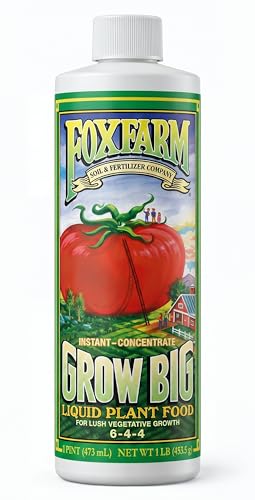
FoxFarm Grow Big 6-4-4 Liquid Plant Food Pint
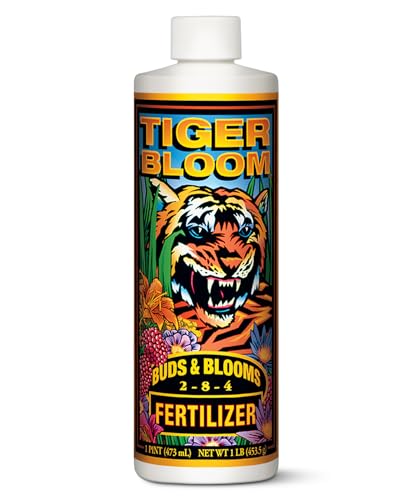
FoxFarm Tiger Bloom 2-8-4 Liquid Plant Food Pint

Farmer’s Secret Fruit & Bloom Booster Fertilizer 8 oz
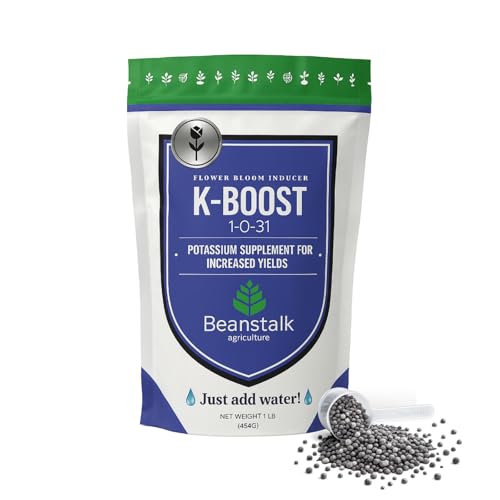
Beanstalk K-Boost Potassium Fertilizer 1 lb

Athena Blended PK Bloom Booster 0-4-5, 1 Gallon
Why These Options Stand Out
Fortify is built for the part of the season where plants get tall, hungry, and structurally fragile. The 12-0-0 ratio (the three numbers on any fertilizer bag, standing for nitrogen, phosphorus, and potassium) means it’s nitrogen and calcium only, no phosphorus, no potassium. That makes it useful for growers who already feed a complete nutrient line and want to bolt on extra stalk strength without skewing the balance.
The 100-day controlled-release claim matters because it removes the daily-mixing step that frustrates a lot of new growers. You measure once, water in, and let the polymer-coated granules meter out nitrogen for months. In a backyard raised bed or a hydroponic reservoir, that slow trickle tends to produce steadier green growth than a single heavy feeding.
Why It Works Well
- Targeted 12-0-0 fills a nitrogen and calcium gap without overloading phosphorus
- Calcium support reinforces cell walls, which gardeners commonly cite for sturdier stems in heavy-bloom plants
- 100-day release means fewer feeding days and a lower risk of nutrient burn from overapplication
- Drops into soil, containers, or hydro systems without reworking your existing routine
Things To Consider
- Not a standalone feed: it complements, rather than replaces, a base NPK fertilizer
- The 1/3 pound bag is small for large garden beds and may run out quickly in a single season
Who It Suits Best
Intermediate and advanced growers already running a complete nutrient schedule who want targeted stalk support during the stretch phase.
Consider Something Else When
Beginners who need an all-in-one feed will find the simpler NPK profile of SUPERthrive Plant Vitamin Solution easier to dial in from the start.
Absolute Flower leans hard into the second half of the grow cycle. The 11-3-17 ratio delivers a high nitrogen reading for continued green push, low phosphorus for bloom initiation, and a hefty potassium finish for bud density. It’s a one-bag answer for growers who don’t want to juggle separate grow and bloom bottles.
Compared to Beanstalk’s Fortify from item 1, this is the complete package rather than a stalk-support add-on. The controlled-release format means a single application keeps feeding for weeks, so you’re not tethered to a daily schedule. For fruiting tomatoes, peppers, or flowering ornamentals, that steady trickle often shows up as thicker bud sites and more uniform fruit set.
Standout Benefits
- 11-3-17 ratio covers vegetative and bloom needs in a single feed
- Controlled-release design eliminates daily mixing or measuring
- Compatible with soil beds, containers, and hydroponic reservoirs
- 1 lb bag covers multiple plants across a full flowering cycle
Worth Noting
- High potassium can push pH upward in hydroponic reservoirs, which may need occasional adjustment
- The 1 lb size is generous but bulky for small-space growers with a few pots
Feature Snapshot
Made For
Growers running compact indoor setups or outdoor flower beds who want a single bag to handle bloom-phase feeding without building a multi-bottle lineup.
A Better Fit Elsewhere
Pure-vegetative growers focused on leafy greens should look at FoxFarm Grow Big 6-4-4 Liquid Plant Food Pint for a more nitrogen-balanced feed.
SUPERthrive isn’t a fertilizer in the NPK sense. It’s a vitamin and hormone concentrate with kelp, designed to support roots through the stressful moments: transplanting, dividing, or pushing through dormancy. The 1-pint bottle is the kind of thing you keep on a shelf for years because the dilution rate is so concentrated that a little goes a long way.
The real-world payoff shows up most clearly on larger transplants, where gardeners commonly report faster recovery on established trees and shrubs. For a newly bought houseplant or a just-divided perennial, mixing a diluted dose into the first watering helps roots re-establish before the plant has to push new top growth.
What Makes Sense
- Kelp-based vitamin formula supports root development without overpowering nutrients
- Highly concentrated, so the pint bottle stretches across many transplants
- Useful for everything from seedlings to mature trees in landscape work
- Pairs cleanly with any standard fertilizer program
Trade Offs
- Not a complete fertilizer on its own; you still need an NPK source for ongoing growth
- The dosing is measured in drops per gallon, which can feel imprecise at first
Best Suited To
Anyone repotting houseplants, moving young trees, or reviving stressed ornamentals who wants a gentle tonic to stack alongside regular feeding.
Look Elsewhere When
Vegetable gardeners chasing aggressive yields should reach for Farmer’s Secret Fruit & Bloom Booster Fertilizer 8 oz instead, since it pushes flowering rather than root recovery.
Grow Big is FoxFarm’s classic pre-bloom liquid, and the 6-4-4 ratio reflects a balanced veg-stage push. Nitrogen leads, with enough phosphorus and potassium to keep internodes tight and stems sturdy while the plant is still building structure. The pint bottle is a concentrate you dilute into water, which makes it forgiving for both small herb pots and larger vegetable beds.
The fast uptake claim matters during the long stretch between transplant and flowering. Plants in that window benefit from a feed that moves through the root zone quickly rather than one that sits in the soil waiting to break down. For roses, tomatoes, and container veggies, that tends to show up as fuller canopies and greener leaves within a couple of weeks.
What Earns Its Place
- Balanced 6-4-4 supports steady vegetative growth without overloading nitrogen
- Liquid concentrate mixes into water for fast root absorption
- Works across ornamentals, herbs, and food crops in the same feeding window
- Pairs naturally with a phosphorus-forward bloom feed later in the cycle
Honest Caveats
- Needs to be diluted before each use, which adds a step to routine feeding
- Not formulated for the bloom phase, so you’ll want a partner product for flowering plants
Perfect Match For
Backyard growers tending roses, tomatoes, and leafy crops who want a dependable veg-stage liquid before switching to a bloom formula.
Reach For A Different Pick When
Hydroponic growers running a dosed reservoir should consider Athena Blended PK Bloom Booster 0-4-5, 1 Gallon, which is designed to feed straight into a stock tank without manual dilution each feeding.
Tiger Bloom is the bloom-phase partner to Grow Big. The 2-8-4 ratio flips the priority, putting phosphorus in front to drive flower initiation and fruit set, with just enough nitrogen and potassium to keep the plant from going flat. It’s marketed as a high-micronutrient formula, which translates to trace minerals (the small but essential elements like iron and zinc) that often get left out of basic feeds.
Compared to Beanstalk Absolute Flower from item 2, this is a liquid concentrate rather than a controlled-release granule. That gives you faster adjustments if a plant looks hungry, but it also means more frequent applications. The pint bottle handles a backyard flower bed or several containers through a full bloom cycle when diluted as directed.
What Works In Its Favor
- Phosphorus-heavy 2-8-4 ratio targets flower and fruit production
- High micronutrient content addresses trace mineral gaps in basic soils
- Liquid form allows quick correction if plants show deficiency mid-bloom
- Compatible with both soil and hydroponic setups
Points To Note
- Frequent feeding schedule can become tedious for low-maintenance gardeners
- Lower nitrogen means it should be paired with a veg-stage feed for full-cycle use
Quick Facts
Who Should Grab It
Bloom-focused growers with mixed flower beds or fruiting vegetables who already have a veg-stage feed on hand and want a liquid bloom upgrade.
Skip It When
Growers who prefer a single-bag approach across the whole cycle will find Beanstalk Absolute Flower 11-3-17 easier to manage.
Farmer’s Secret leans into the late-season push. The 8-ounce bottle is super concentrated, which means a small amount goes into a watering can and covers a surprising amount of garden. It’s positioned for late summer and early fall feeding, the window where fruiting plants are sizing up their final crop and ornamentals are setting next year’s buds.
The formula is designed to work across the board: citrus trees, avocados, berries, tomatoes, and roses. That versatility removes the guesswork for backyard growers who manage a mix of ornamentals and edibles in the same yard. For most home gardens, a single bottle covers a full season of supplemental bloom feeding.
Advantages To Know
- Super concentrated 8 oz bottle dilutes into many gallons of feed solution
- Late-season formula targets the bloom-finishing window when plants need the most support
- Cross-category compatibility for fruits, vegetables, and flowering ornamentals
- Liquid form mixes into regular watering routines without extra equipment
Room For Improvement
- Small bottle can be easy to misplace in a busy garden shed
- Not optimized for early-season vegetative growth, so pairing with a base feed helps
The Right Fit
Home gardeners with mixed fruit trees, berry patches, and ornamental flower beds who want one bottle to handle late-season bloom support.
Where A Sibling Pick Shines
Vegetable growers focused on heavy tomato or pepper yields may get more targeted results from FoxFarm Tiger Bloom 2-8-4 Liquid Plant Food Pint, which is tuned for fruiting crops specifically.
K-Boost isolates the final piece of the NPK puzzle. Potassium drives flower density, sugar content, and overall plant finish, and this formula delivers it through a 100-day controlled-release carrier. That long window suits late-season feeding, where you want a steady trickle of potassium without reapplying every few days.
Used alongside Beanstalk Absolute Flower from item 2, K-Boost adds a targeted potassium layer for growers who want to push flower density further. The 1-pound bag is sized for multiple applications across a backyard or small greenhouse, and the slow-release format means you measure once and let the soil do the rest.
The Upside
- 100-day controlled release removes the need for frequent reapplication
- Targeted potassium feeding supports flower density and aroma in bloom crops
- Compatible with soil and hydroponic environments
- 1 lb bag handles several plants across a full flowering cycle
A Few Limitations
- Single-nutrient focus means it complements rather than replaces a base fertilizer
- Most relevant in the late bloom phase, with limited value during vegetative growth
Whose Shelf It Belongs On
Bloom-phase growers who want an extra layer of potassium to push flower density and aroma without adding daily mixing work.
Not Your Match When
Beginners running a simple all-purpose liquid feed should start with FoxFarm Grow Big 6-4-4 Liquid Plant Food Pint for a more balanced nutrient profile.
Athena’s PK Booster sits at the pro end of the spectrum. The 0-4-5 ratio delivers pure phosphorus and potassium with no nitrogen, which is the standard late-bloom addition for growers who already manage a separate nitrogen source. The 1-gallon jug is sized for stock-tank mixing, which is how most commercial and serious hobby hydro setups feed their dosed systems.
The 100% soluble formula matters more than it sounds. Cheap PK boosters can leave sediment that clogs irrigation lines and dosers over time. Athena’s clean solubility keeps injectors running smoothly, which is a quiet but real long-term advantage for anyone running a multi-week bloom cycle.
Features That Help
- Zero nitrogen allows clean late-bloom supplementation alongside other feeds
- 100% soluble formula prevents sediment buildup in irrigation lines and dosers
- Ready-to-use blend eliminates stock tank mixing work
- 1-gallon size covers multiple bloom cycles in a hobby or small commercial room
Factors To Consider
- Requires a separate nitrogen source for full-cycle feeding
- 1-gallon jug is overkill for a small backyard garden with only a few containers
Feature Card
Who Will Love This
Hydroponic growers running a dosed reservoir system who want a clean, professional PK blend for the late bloom phase.
Swap It Out When
Soil gardeners managing a backyard flower bed will get simpler results from Beanstalk K-Boost Potassium Fertilizer 1 lb, which is designed for hand-watering rather than stock-tank injection.
Matching The Right Feed To Your Growing Style
Choosing among liquid fertilizers for plants gets easier when you start from the growing environment rather than the brand name. Hydroponic systems need clean-soluble formulas that won’t clog dosers, while soil beds tolerate heavier liquid feeds and slow-release granules. Container gardens on a balcony fall somewhere in between, leaning toward concentrates that mix into a watering can without residue.
Bloom-phase feeding is its own decision. Some gardeners switch formulas mid-cycle, running a nitrogen-forward vegetative feed and then pivoting to a phosphorus-heavy bloom product like FoxFarm Tiger Bloom. Others prefer a single all-in-one ratio like Beanstalk Absolute Flower that covers both stages without bottle swapping. Neither approach is wrong, and the right answer depends on how much time you want to spend measuring and mixing.
NPK ratios tell you almost everything else. The three numbers on a fertilizer label, in order, are nitrogen (leafy growth), phosphorus (roots and blooms), and potassium (overall plant health and fruit finish). High first numbers push green growth, high middle numbers drive flowers, and high last numbers support finishing and density. Choosing the right balance for your crop matters more than picking the strongest formula on the shelf.
Reading The Numbers On The Label
The three-number sequence on every fertilizer bag or bottle is your most reliable guide. A balanced 6-4-4 product like FoxFarm Grow Big handles general-purpose feeding, while a 2-8-4 like Tiger Bloom targets bloom initiation, and a 0-4-5 like Athena PK Booster finishes the cycle without adding nitrogen. Matching the ratio to your growth stage matters more than chasing the highest total.
Matching Format To Frequency
Liquid concentrates give you quick adjustments and fast uptake, which helps when you spot a deficiency mid-cycle. Controlled-release granules like Beanstalk Fortify and K-Boost trade some responsiveness for fewer feeding days, which suits low-maintenance growers. If you water daily and want fine control, liquids win. If you prefer to feed once and walk away, slow-release is the better fit.
Key Considerations Across These Picks
Where Shoppers Go Wrong
The most common slip-up is buying a bloom-phase fertilizer too early in the cycle. High-phosphorus products applied during vegetative growth push flowers before the plant has built the structure to support them, which often produces thin, stretchy growth. Match the ratio to the stage your plants are actually in.
A second trap is assuming all liquid feeds are interchangeable. A vitamin tonic like SUPERthrive doesn’t replace an NPK fertilizer, and a single-nutrient boost like K-Boost isn’t a standalone feed. Stacking complementary products makes sense, but each one should earn its place in your routine.
When Paying More Pays Off
Higher-priced picks earn their keep through solubility, concentration, or precision dosing. Athena’s 100% soluble PK booster keeps irrigation hardware clean over months of repeat cycles, which matters if you’ve invested in a dosed system. Super-concentrated formulas like Farmer’s Secret stretch further per ounce, lowering the real cost per feeding even when the upfront price looks higher.
Frequently Asked Questions
How often should liquid fertilizers for plants be applied?
Most liquid feeds are designed for weekly application during active growth, though controlled-release formulas stretch that window to once every few months. Always check the label, since overapplication can burn roots faster than underfeeding.
Can liquid fertilizers for plants be used in hydroponic systems?
Yes, but only formulas labeled for hydroponic use. Clean-soluble products like Athena PK Booster avoid sediment that clogs irrigation lines, while standard garden liquids may leave residue in reservoirs.
What’s the difference between vegetative and bloom fertilizers?
Vegetative formulas lead with nitrogen for leafy growth, while bloom formulas push phosphorus and potassium for flowers and fruit. Switching ratios mid-cycle aligns nutrient delivery with the plant’s current stage.
Are liquid fertilizers safe for edible crops?
Liquid feeds designed for vegetables and fruits are formulated with food-safe ingredients. Always follow label instructions for dilution and timing, and rinse produce before eating as a general practice.
Do liquid fertilizers for plants expire?
Most liquid concentrates remain usable for several years when stored sealed in a cool, dark place. Vitamin tonics like SUPERthrive can last decades unopened, while mixed solutions should be used within a few days.
The Takeaway
The best liquid fertilizer for your plants depends on what you’re growing and how you feed it. Bloom-focused growers will get the most from phosphorus-heavy picks like Tiger Bloom or Absolute Flower, while transplant-heavy gardens benefit from a vitamin tonic like SUPERthrive on the shelf. Match the NPK ratio to your stage, the format to your routine, and your watering system to the formula’s solubility. Done right, feeding stops feeling like guesswork.