Most indoor jungles, balcony herb pots, and backyard tomato beds share one quiet problem: the soil runs out of steam mid-season, and suddenly the leaves yellow, the blooms stall, and you start Googling at 10 p.m. The right liquid plant food turns that around without forcing you into a chemistry degree, and that’s exactly what this roundup is built around. Ten Miracle-Gro formulas, broken down by what they actually do in real soil, so you can match the bottle to your situation and skip the trial-and-error.
A Closer Look At The Lineup

Miracle-Gro Water Soluble All Purpose Plant Food 5.5 lb
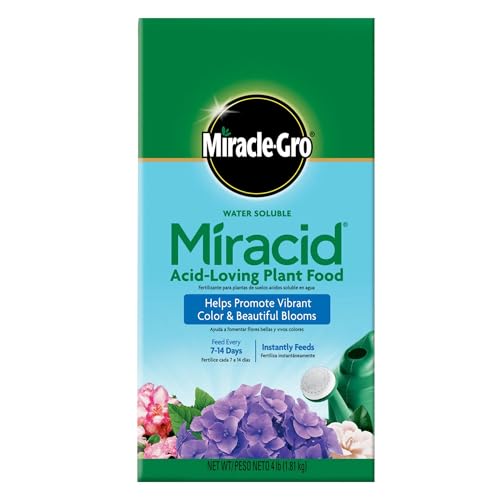
Miracle-Gro Water Soluble Miracid Plant Food 4 lb
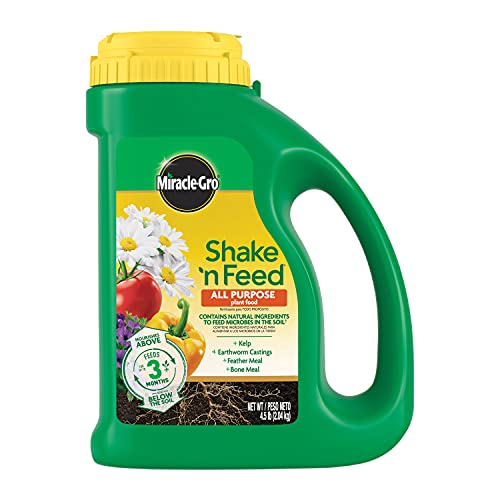
Miracle-Gro Shake ‘N Feed All Purpose Plant Food 4.5 lb
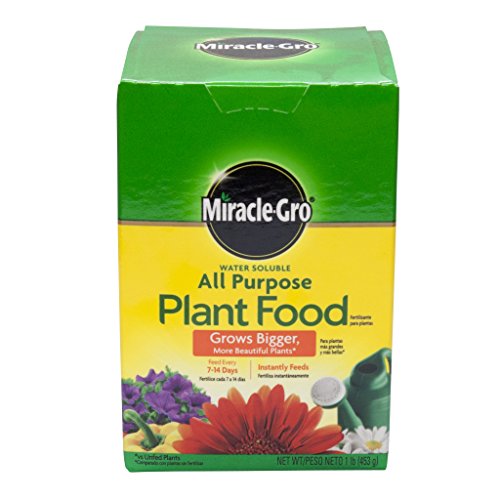
Miracle-Gro 160101 Water Soluble Plant Food 1 lb

Miracle-Gro LiquaFeed Bloom Booster Flower Food

Miracle-Gro Water Soluble Vegetables & Herbs Plant Food 2 lb

Miracle-Gro Indoor Plant Food Liquid 8 oz

Miracle-Gro Pour & Feed Plant Food 32 oz

Miracle-Gro Tropical Houseplant Food 8 oz
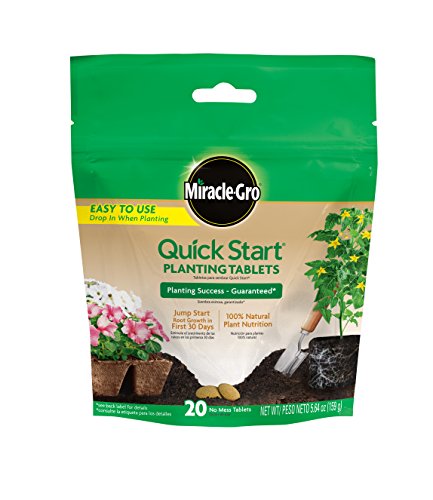
Miracle-Gro Quick Start Planting Tablets 20 ct
If you keep one fertilizer on the shelf, this is the one most gardeners reach for first. The 24-8-16 NPK ratio (Nitrogen for leafy growth, Phosphorus for roots and blooms, Potassium for overall plant vigor) covers roses, tomatoes, houseplants, and shrubs without juggling multiple bottles. You scoop, stir into a watering can, and feed every one to two weeks during active growth.
The 5.5 lb tub lasts a long time for a small balcony gardener and stretches even further when you mix only what each session needs. Compared with the granular Shake ‘N Feed covered later, this dissolves instantly and works fast, so it suits anyone who wants visible green-up within a watering cycle or two.
The Value In It
- One formula covers nearly every plant type you grow
- Water-soluble mix means nutrients reach roots the same day
- Large tub offers a lower cost per feeding for active gardens
- Beginner-friendly scoop and stir routine, no special gear needed
Worth Noting
- Mixing each session takes a minute, unlike ready-to-use options
- Over-application risks leaf burn, so measuring matters
Who It Suits Best
Anyone tending a mixed collection of indoor and outdoor plants who wants a single reliable bottle for the whole season.
Skip It When
You grow only acid-loving plants like azaleas or blueberries, where the Miracid formula covered next fits the soil much better.
The Miracid formula exists because some plants simply refuse to thrive in neutral soil. Azaleas, gardenias, blueberries, camellias, and rhododendrons all want acidic conditions (a lower soil pH, which unlocks iron and other micronutrients). The 30-10-10 NPK blend targets those hungry acid-soil feeders with a stronger nitrogen push.
You dissolve it the same way as the all-purpose powder, then water the root zone. For most gardeners who keep even one blueberry patch or a hedge of acid lovers, this is the bottle that stops the yellow-leaf mystery without forcing a soil-swap project.
The Helpful Details
- Acidifying action addresses the exact pH problem these plants face
- Higher nitrogen ratio supports lush foliage on bloomers and berries
- Water-soluble format means fast uptake when leaves start to yellow
- Four-pound tub covers a hedge or several berry bushes through the season
Things To Consider
- Not a general-use formula, so it can stress plants that prefer neutral soil
- Repeated use may push pH lower than desired, so periodic soil tests help
Made For
Growers with a dedicated acid-soil planting, from rhododendron hedges to backyard blueberry rows, who want targeted correction.
A Better Fit Elsewhere
Mixed-bed gardeners without acid-loving plants should default to the Miracle-Gro Water Soluble All Purpose Plant Food 5.5 lb instead.
Sometimes you just want to scatter something on the soil and walk away. Shake ‘N Feed is the granular answer for that mindset: shake it around the base of plants, work it lightly into the topsoil, and water it in. The slow-release profile feeds for up to three months per application, so it suits gardeners who’d rather not mix and pour on a schedule.
For larger in-ground beds, foundation shrubs, and container groupings, the granular form spreads more evenly than powder. The trade-off is slower visible response, so it isn’t the right tool when a plant is actively struggling and needs a quick boost.
A Strong Showing
- Shake-and-water routine removes measuring and mixing steps
- Long feeding window reduces how often you reapply
- Granular format works well across wide garden beds
- Less likely to wash away during heavy rain than surface powders
Trade Offs
- Slower visible response compared to water-soluble options
- Granules can clump if stored in humid sheds or garages
Right Fit For
Busy homeowners with established beds and foundation plantings who’d rather feed once every few months than weekly.
Consider Something Else When
You need rapid green-up on struggling annuals, where the Miracle-Gro Water Soluble All Purpose Plant Food 5.5 lb acts much faster.
The 1 lb jar is the smaller sibling of the 5.5 lb tub, sharing the same 24-8-16 NPK ratio. For apartment dwellers with a windowsill herb garden or someone testing out liquid feeding for the first time, the smaller size lowers the commitment and stores easily in a kitchen cabinet.
It’s the same feeding chemistry in a more approachable package, which matters when you don’t yet know how fast you’ll use it. If you discover you feed heavily, you can always graduate to the larger tub covered earlier.
Features That Help
- Same proven 24-8-16 ratio as the larger all-purpose tub
- Compact jar fits on a shelf without dominating storage space
- Lower upfront cost for first-time liquid fertilizer users
- Good travel size for plant-sitters and renters who move often
Points To Note
- Runs out faster than larger tubs for active gardens
- Cost per feeding is higher than bulk sizes for heavy users
Best Suited To
Apartment growers, beginners, and anyone with a handful of houseplants who wants to try water-soluble feeding without buying in bulk.
Look Elsewhere When
You maintain a busy outdoor garden with many containers, where the larger Miracle-Gro Water Soluble All Purpose Plant Food 5.5 lb offers better long-term value.
The LiquaFeed Bloom Booster is a liquid concentrate formulated specifically for flowering plants. The higher phosphorus content in bloom-focused formulas encourages bud set and color development rather than just green growth. You attach the bottle to a standard garden hose feeder and water your flower beds directly, which makes coverage fast across long borders.
For gardeners chasing bigger, longer-lasting annual displays, this fits cleanly into the routine during the active bloom window. It’s specialized, so you probably wouldn’t use it on lawn or foliage-focused houseplants.
Key Advantages
- Higher phosphorus ratio pushes bud and bloom production
- Hose-end feeding covers large flower beds quickly
- Liquid format means nutrients reach roots the same day
- Concentrated bottle lasts through many watering sessions
Some Limits To Know
- Specialized for flowers, so not a substitute for general fertilizer
- Requires a hose-end feeder to dispense correctly
Quick Facts
Who Will Love This
Annual-flower enthusiasts and front-yard gardeners who want fuller, more colorful bloom cycles through summer.
Reach For A Different Pick When
Your garden is mostly leafy shrubs or vegetables, where the Miracle-Gro Water Soluble Vegetables & Herbs Plant Food 2 lb serves better.
Edible gardens need balanced nutrition that supports both fruit production and flavor development. The 18-18-21 NPK ratio here provides roughly equal phosphorus and potassium, which helps fruiting vegetables set blossoms and ripen properly. You mix it into a watering can and feed every one to two weeks during the growing season.
For tomato beds, pepper rows, and herb planters, the formula tilts toward productive harvest rather than just green leaves. You can pair it with the all-purpose powder for a flexible rotation across the yard.
Strengths Worth Knowing
- Balanced nutrient profile supports both yield and flavor
- Water-soluble format suits regular feeding routines
- Works for vegetables, herbs, and edible flowers alike
- Reasonable 2 lb size for small-to-medium kitchen gardens
Honest Caveats
- Higher potassium helps fruit but isn’t ideal for leafy greens in excess
- Needs regular application, so forgetful feeders may under-do it
Perfect Match For
Home vegetable growers and herb gardeners who want a dedicated formula rather than diluting an all-purpose blend.
Where Another Pick Suits Better
If your garden is purely ornamental, the Miracle-Gro Water Soluble All Purpose Plant Food 5.5 lb is a more general-purpose match.
Indoor plants live in a world of limited light and small pots, so they need a lighter feeding touch than outdoor beds. This 8 oz liquid bottle is designed for exactly that: a few drops into your regular watering can, applied whenever you hydrate your houseplants. It works across snake plants, peace lilies, crotons, herbs, and other indoor favorites.
For most plant parents, the small size lasts a long time because you only feed diluted. The convenience shows up on watering day: no scoop, no stir, just a dropper-full into the can and you’re done.
Useful Touches
- Liquid dropper format removes measuring guesswork
- One bottle covers many common houseplant species
- Compact 8 oz size fits on a windowsill or under the sink
- Pairs with normal watering routines for easy remembering
Smaller Caveats
- Not specialized for tropical foliage needs
- Bottle can tip if stored loosely on cluttered shelves
Built With In Mind
Houseplant owners with mixed species who want one simple bottle that fits the routine they already have.
Not Your Match When
You keep mostly tropical foliage like monsteras and philodendrons, where the Miracle-Gro Tropical Houseplant Food 8 oz provides more targeted micronutrients.
Pour & Feed skips the mixing step entirely. The 32 oz bottle is pre-diluted, so you tip it directly onto the soil of your potted plants and walk away. That single feature removes the most common cause of fertilizer mistakes: incorrect dilution. For renters, beginners, and anyone who simply doesn’t want to fuss with measuring, it’s a quiet time-saver.
It feeds all common indoor and outdoor container plants, making it a versatile choice for window boxes, hanging baskets, and patio pots. You feed every one to two weeks during active growth.
What Earns Its Place
- No mixing required, so it removes the most common user error
- Works for both indoor houseplants and outdoor containers
- Generous 32 oz bottle covers many small-to-medium pots
- Beginner-friendly routine with a clear weekly cadence
Possible Compromises
- Heavier bottle can be awkward when watering many small pots
- Higher per-use cost than concentrated powders for big gardens
Whose Shelf It Belongs On
Container-heavy gardeners and beginners who want the simplest possible feeding routine without measuring or mixing.
Swap It Out When
You maintain larger in-ground beds, where the Miracle-Gro Water Soluble All Purpose Plant Food 5.5 lb offers better economy per feeding.
Monsteras, philodendrons, pothos, and palms have a quiet hunger for trace minerals that basic N-P-K formulas don’t always cover. This 8 oz liquid blend includes magnesium, manganese, copper, iron, and zinc, which are the micronutrients (small but essential minerals) that tropical foliage craves for deep green color and steady growth.
If your collection leans heavily toward leafy tropicals rather than flowering houseplants, this bottle addresses the gaps you may notice when older leaves start to pale. It also starts feeding on contact, so you see results during the current watering cycle.
Real-World Strengths
- Micronutrient blend targets the most common tropical deficiencies
- Liquid format feeds roots instantly during watering
- Compact 8 oz bottle suits smaller tropical collections
- Supports lush foliage without overdoing macronutrient nitrogen
Less Ideal Details
- Niche formula, so it isn’t ideal for flowering houseplants
- Small bottle runs out quickly for very large plant collections
The Right Fit
Tropical foliage collectors who notice pale leaves or slow growth on monsteras, philodendrons, and similar plants.
Another Choice May Suit
For mixed houseplant shelves with flowering species too, the Miracle-Gro Indoor Plant Food Liquid 8 oz covers a wider range.
Transplanting is the riskiest moment in a plant’s year. Roots get disturbed, the plant wilts, and growth stalls while it recovers. The Quick Start tablets are designed for exactly this window: drop one into the planting hole, set the plant on top, and water normally. The tablet dissolves and delivers a gentle starter charge for the first thirty days.
For new shrubs, divided perennials, and seedling transplants, this is the kind of “do it once, forget it” support that pays off later in the season. It’s not a maintenance fertilizer, so you transition to one of the other formulas in this roundup once roots establish.
Benefits That Matter
- Targets the critical first thirty days after transplanting
- Tablet form means no measuring or mixing at planting time
- Works for vegetables, flowers, roses, and houseplants alike
- Twenty-tablet count covers a season of new plantings
Where It Is Less Suited
- Not designed as an ongoing feeding routine beyond establishment
- Tablets dissolve faster in very wet soil, so spacing can vary
Feature Snapshot
Who Should Grab It
Gardeners putting in new beds, dividing perennials, or starting a fresh container arrangement this season.
Skip It When
You need an all-season feeding routine, where the Miracle-Gro Water Soluble All Purpose Plant Food 5.5 lb is a more useful staple.
Matching The Right Formula To Your Garden
Liquid plant food isn’t one-size-fits-all, and picking the wrong bottle often leads to wasted product and disappointed plants. A few guiding principles help narrow the choice before you commit.
Understand NPK Ratios Before You Buy
NPK stands for Nitrogen, Phosphorus, and Potassium, the three macronutrients (the big-three minerals plants consume in the largest amounts) printed on every fertilizer label. Nitrogen drives leafy green growth, phosphorus supports roots and blooms, and potassium strengthens overall plant vigor. The all-purpose 24-8-16 ratio leans leafy, while bloom boosters push phosphorus higher for flowers and fruit. Matching the ratio to your goal keeps you from forcing fruit on a foliage plant or pushing leaves on a bloomer.
Match The Format To Your Routine
Powders dissolve fast and cost less, but require measuring and stirring every feed. Ready-to-use liquids skip the prep work and trade off a higher per-use cost for convenience. Granular slow-release options fit gardeners who’d rather feed monthly than weekly. Honestly, the bottle you’ll actually use is the one that fits your real schedule, so be honest about how often you want to mix.
Consider Plant-Specific Needs
Some plants have preferences the general formulas don’t fully address. Acid-lovers like blueberries and azaleas need the Miracid blend. Tropical foliage craves micronutrients beyond standard NPK. Vegetable beds benefit from a balanced ratio tuned for harvest. Picking a specialized formula for those plants usually outperforms a one-bottle-fits-all approach.
Size And Storage Matter
A 5.5 lb tub is a bargain only if you have a dry spot to store it and enough plants to use it before humidity turns it into a brick. Beginners often do better starting with a 1 lb jar or 8 oz liquid bottle, graduating to larger sizes once a routine sticks. Storage conditions in a shed or garage affect powders more than liquids, so factor that in too.
Picking Lessons From The Shelves
Common Buying Slip Ups
The most frequent mistake is grabbing an all-purpose formula for plants with very specific needs. Acid-lovers treated with general fertilizer slowly yellow no matter how often you feed them. Another trap is over-applying out of impatience; more fertilizer rarely speeds growth and frequently burns roots. New gardeners also tend to skip reading the NPK line entirely and end up with a leaf-pushing formula when they wanted blooms, or vice versa.
What The Higher Tier Buys
Premium specialized formulas cost more because they include micronutrients, higher phosphorus ratios, or convenient delivery systems that the basic all-purpose powder doesn’t offer. The Tropical Houseplant Food adds magnesium, manganese, and zinc, while the LiquaFeed Bloom Booster delivers concentrated bloom nutrition through a hose-end feeder. You pay for the targeted profile, and you only need it if your collection has outgrown the general-purpose stage.
Frequently Asked Questions
How often should liquid plant food be applied?
Most water-soluble formulas recommend feeding every one to two weeks during active growth. Slow-release granular options stretch that to every two or three months. The exact cadence depends on the plant’s growth stage and the season.
Can I use liquid fertilizer on houseplants year-round?
Most houseplants benefit from reduced or no fertilizer during the low-light winter months, when growth naturally slows. Resume normal feeding in spring when new leaves appear and daylight increases.
Is it safe to mix different Miracle-Gro formulas?
You can alternate formulas during the season, but avoid mixing two concentrates in the same watering can. Unintended chemical reactions and overdosing are both real risks when products combine without guidance.
Do I need to water plants before fertilizing?
Feeding slightly moist soil is gentler on roots than applying fertilizer to bone-dry medium. A light watering before fertilizing helps distribute the nutrients and reduces the risk of root burn.
What’s the difference between water-soluble and ready-to-use liquid?
Water-soluble powders or concentrates require mixing into a watering can at the correct dilution. Ready-to-use liquids are pre-diluted and applied directly to the soil. The plant nutrition is similar; the difference is convenience and per-use cost.
The Takeaway
Liquid plant food works best when the formula matches the plant and the format matches your routine. Start with the all-purpose powder if you’re new to feeding, reach for the specialized bottles when your collection has clear needs, and don’t underestimate the value of convenience on busy weeks. The right bottle turns plant care from guesswork into a steady habit, and that habit is what keeps a garden looking alive through the whole season.