A long-handled garden fork saves your back. The right one also saves time: it lifts potatoes, turns compost, breaks up clay, and forks mulch into beds without the constant kneeling and twisting that wears a gardener down by afternoon. Choosing between a slender weeding fork, a five-tine digging fork, and a wide broadfork feels similar at first glance, but the difference in workload and posture is enormous. This list breaks down ten long handled garden forks across hand tools, digging forks, broadforks, and stable-grade manure forks, so you can match the tool to your soil, your space, and the kind of work you actually do.
The Essentials At A Glance

Bosch Garden Flower Fork/Hand Fork

Owlett Garden Hand Fork Carbon Steel
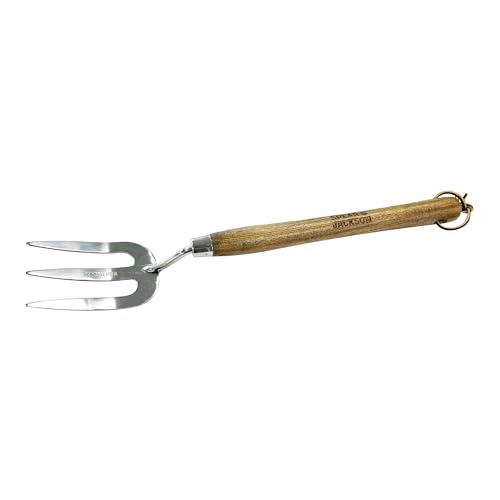
Spear & Jackson Stainless Hand Weed Fork

Walensee Broadfork 9 Tine Hand Tiller

VNIMTI 5 Tine Heavy Duty Pitchfork

AMES 10-Tine Welded Ensilage Fork 52″

Lasnten 3 Sets Manure Fork ABS
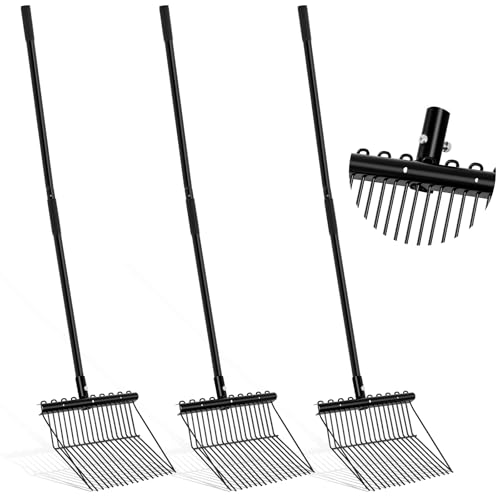
Lasnten 3 Sets All-Metal 20-Tine Fork

Lasnten 3 Sets ABS Manure Fork D-Grip

Haliaatus 4 Tine Stainless Spading Fork
Taking A Closer Look At The Options
The Bosch Garden Flower Fork is a short-handled companion tool rather than a true long-handled fork, and that is its main appeal. The ergonomic shape with a soft grip keeps your wrist in a neutral position when you work close to a plant, which matters during long weeding sessions in tight borders.
It suits gardeners who spend more time on their knees than on their feet. Container growers, balcony gardeners, and anyone tending established perennial beds gets the most out of this pick, since you dig planting holes and steady young roots without disturbing the surrounding soil.
Points In Its Favor
- Soft-grip handle reduces hand fatigue during extended detail work
- Compact head fits between established perennials without damaging roots
- Lightweight build suits gardeners with limited grip strength
- Easy to store in a small shed, apron pocket, or wall hook
Things To Weigh Up
- The short handle means you still kneel or stoop, so it does not solve back strain on its own
- Not suited for breaking new ground or turning heavy soil in larger beds
Whose Tool Shed It Belongs In
Container gardeners and detail-oriented bed tenders who want a comfortable hand fork for close-up weeding and planting.
Where Another Pick Suits Better
For full standing reach and heavier turning work, the Spear & Jackson Stainless Hand Weed Fork or the VNIMTI 5 Tine Heavy Duty Pitchfork is the better match.
The Owlett hand fork takes the basic three-prong weeding fork design and adds a carbon steel head with an epoxy coating. The coating is the detail that sets it apart: it helps the tool resist rust, sheds sticky soil, and holds up through wet seasons when plain steel can pit.
It works well for the everyday spread of hand tasks, from weeding a vegetable patch to aerating around shrubs and loosening a stubborn corner of a raised bed. Compared with the Bosch, this fork trades a softer-feeling handle for a tougher, more weather-ready head, which most working gardeners will appreciate.
The Case For It
- Epoxy-coated carbon steel head resists rust and weather wear
- Three-prong design penetrates compacted soil and lifts weeds cleanly
- Rubber ergonomic handle gives a secure grip in wet conditions
- Versatile across weeding, planting, and light cultivating tasks
Worth Noting
- Still a short-handled tool, so it does not replace a full digging fork for deep work
- The coating can scuff if you scrape it against concrete or stone repeatedly
Key Product Details
Right Fit For
Multi-tasking gardeners who want one hand fork that handles weeding, light digging, and bed prep without constant maintenance.
Look Elsewhere When
You need full standing reach and want a long shaft, in which case the Spear & Jackson Stainless Hand Weed Fork offers a longer traditional handle.
The Spear & Jackson traditional weed fork is the kind of tool your grandfather had, with a mirror-polished stainless steel head and a weatherproofed hardwood-style handle running about 12 inches. The longer shaft reaches into a border without forcing you to step on top of the plants you are working around.
It is built for the patient gardener who values longevity over flash. The stainless head shrugs off rust even when left in the back of a wheelbarrow, and the longer reach makes it more useful than a typical hand fork for working between established perennials.
Useful Strengths
- Mirror-polished stainless steel resists corrosion and cleans up easily
- 12-inch shaft extends reach into borders without kneeling or stepping in
- Traditional styling feels balanced and predictable in the hand
- Trusted brand with a long history of garden tool manufacturing
Honest Caveats
- Hardwood-style handle benefits from an occasional oil to stay weatherproof long-term
- Not built for heavy digging or compacted soil, so it sits in the weeding niche
Made For
Border gardeners and traditionalists who want a long-reach weeding fork that lasts seasons without developing rust spots.
Swap It Out When
You need to turn a full bed or break ground, since the Haliaatus 4 Tine Stainless Spading Fork handles that workload with much heavier tines.
The Walensee broadfork takes a different approach than a standard pitchfork. Instead of four or five narrow tines meant for digging, it spreads nine tines across a wide head, designed to lift and loosen a whole bed in a single pass without flipping the soil over.
The U-shaped handle is the key comfort feature, letting you stand upright and drive the tines down with your body weight rather than your back. No-till gardeners and anyone converting lawn into vegetable beds will get the most out of this design, since you aerate and break up compaction while keeping the soil structure intact.
Everyday Advantages
- Nine-tine broad head loosens a full bed in fewer passes than a narrow fork
- U-shaped handle supports upright posture and reduces back strain
- No-till approach preserves soil layers and worm activity
- Works well for establishing new raised beds and annual vegetable plots
Practical Considerations
- Wide head is awkward in narrow rows or between existing perennials
- Heavier than a standard digging fork, so storage space matters
Feature Rundown
Best Suited To
No-till vegetable growers and bed-prep gardeners who want to aerate wide plots while standing upright.
Consider Something Else When
Your main job is moving loose material like mulch or manure, where the AMES 10-Tine Welded Ensilage Fork 52″ handles the workload more efficiently.
The VNIMTI pitchfork is a workmanlike 45-inch digging fork built around a one-piece carbon steel shaft. The five forged tines are sharpened enough to penetrate hard ground, and the steel T-handle with a non-slip grip keeps control firm even when the soil is damp.
Where the Walensee broadfork is wide and gentle, this fork is narrow and assertive. It targets compacted ground, new bed construction, and root-heavy soil where you need a focused tool that punches through rather than skimming the surface.
Practical Advantages
- One-piece carbon steel shaft resists bending under heavy load
- Five forged tines handle compacted and root-filled soil
- Non-slip grip stays secure through sweaty or wet sessions
- 45-inch length suits most gardeners without overreach or stooping
Where It Is Less Suited
- Narrower head means more passes on a wide bed than a broadfork
- Steel-on-steel construction transmits more vibration to the hands than cushioned alternatives
Quick Facts
Who Should Grab It
Home gardeners working tough or compacted soil who want a focused digging fork rather than a wide aeration tool.
A Better Fit Elsewhere
For wide beds and no-till prep, the Walensee Broadfork 9 Tine Hand Tiller covers more ground in less time.
The AMES ensilage fork is a long-standing choice for moving loose material. The 10 welded tines with 1.5-inch spacing sit on a 30-inch hardwood handle topped with a poly D-grip, giving a 52-inch overall reach that suits most users.
It shines with manure, mulch, compost, and bedding, where a wide head scoops a serious load per pass. Compared with the VNIMTI, this is a lighter, looser-material tool, and the D-grip lets you brace the fork against your wrist for heavier lifts.
What It Does Well
- Ten-tine welded head handles loose, bulky material efficiently
- Poly D-grip adds control and bracing power during heavy lifts
- Hardwood handle balances strength with classic feel
- 52-inch length works for most adult users without adjustment
Small Caveats
- Welded head is light-duty, so it is not intended for prying or compacted digging
- Wood handle benefits from occasional oiling if stored in damp sheds
Right Fit For
Smallholders and gardeners moving manure, mulch, or compost who want a wide scoop and a familiar D-grip.
Skip It When
You need to move finer bedding like hay or shavings, where the Lasnten 3 Sets All-Metal 20-Tine Fork with its closer-spaced tines captures more material per load.
The Lasnten 3-pack is built for stables, paddocks, and small farms where multiple forks are in use at once. Each fork pairs an ABS plastic head with a spliced metal handle, keeping the total weight down so a teenage helper or older family member can pitch in without strain.
You get three units in the box, which solves the universal problem of one working fork and two missing ones. ABS heads are not as tough as welded steel, so these work best with manure, hay, and bedding rather than compacted ground or gravel.
Where It Delivers
- Three-fork pack suits multi-horse stables and shared farm work
- Lightweight ABS head reduces user fatigue during long mucking sessions
- Spliced metal handle assembles quickly without extra tools
- Disassembles for compact storage in tight tack rooms
Trade-Offs To Consider
- ABS head is more vulnerable to cracking under heavy impact than welded steel
- Not suited for compacted ground or stone-loaded material
Feature Snapshot
Who Will Love This
Stable owners and small-acreage keepers who need multiple lightweight forks for daily mucking and yard cleanup.
Another Choice May Suit
For tougher material and longer life, the Lasnten 3 Sets All-Metal 20-Tine Fork trades the lightweight ABS head for heavier-duty metal construction.
The all-metal Lasnten set steps up from the ABS version with 20 fine, closely spaced tines on an entirely metal head and handle. The 20-tine count is the headline feature: it picks up fine bedding, shavings, and short straw that slip through wider manure forks.
You also get the same three-pack value, but the build leans toward heavier daily use. The anti-rust coating on the metal handle helps when forks live in a damp barn corner, and the assembled length gives full standing reach for adult users.
A Strong Showing
- 20 fine tines capture shavings and short straw that wider forks miss
- All-metal head and handle handle heavy farm work
- Anti-rust coating suits damp barn and stable storage
- Disassembles for storage in tight quarters
Points To Keep In Mind
- Heavier than the ABS version, so longer sessions tire out smaller users
- Fine tines clog more often with wet, sticky material
Perfect Match For
Horse owners and farm workers who handle fine bedding and want a metal-built fork that holds up to frequent heavy lifting.
Reach For A Different Pick When
You mostly deal with coarse manure and straw, where the AMES 10-Tine Welded Ensilage Fork 52″ moves bulky material faster.
This Lasnten set keeps the ABS head of the earlier three-pack but adds an 18-tine layout and a D-shaped grip on the metal handle. The D-grip is the comfort upgrade: you brace the fork against the heel of your hand rather than gripping a straight shaft, which helps during repetitive stall mucking.
With 0.59-inch tooth spacing and curved tines, the fork lifts manure, hay, straw, and grass efficiently while reducing debris that falls through during the lift. It sits in the middle of the Lasnten range: sturdier grip than the normal-grip set, lighter than the all-metal 20-tine set.
What Makes Sense
- D-shaped grip reduces wrist strain during repetitive lifting
- Curved 18-tine head lifts manure, hay, and grass with less spillage
- Three-pack format works well for stables with multiple handlers
- ABS head keeps the fork light enough for longer sessions
Possible Compromises
- ABS head can crack if you pry against stall walls or frozen ground
- Not as fine-toothed as the 20-tine all-metal set, so small shavings slip through
Built With In Mind
Daily stable workers who value grip comfort and lighter weight over maximum tine density.
Where A Sibling Pick Shines
For fine bedding recovery, the Lasnten 3 Sets All-Metal 20-Tine Fork offers the closer tine spacing the heavier fork needs.
The Haliaatus spading fork rounds out the list with a four-tine stainless steel head on a 43.9-inch shaft, with a 12.3-inch fork head that punches into clay where a regular shovel stalls. The shorter head keeps the tines stiff, so you can step on the shoulders and lever without flex.
It is the right tool for gardeners fighting heavy, sticky clay or breaking up a long-established bed. Compared with the VNIMTI’s five-tine layout, this fork trades a wider bite for stronger individual tines, which makes the difference in rough ground where tine flex would slow you down.
Standout Benefits
- Stainless steel tines resist rust and clean off easily after wet sessions
- Stiff four-tine head drives into clay and compacted soil
- Step-friendly shoulders let you use your body weight rather than arm strength
- 43.9-inch length balances reach and control for most users
Factors To Consider
- Four-tine head covers less ground per pass than the five-tine VNIMTI
- Stainless tines can be slick on polished surfaces after rain
Best Suited To
Garden growers working heavy clay or compacted beds who want a stiff, rust-resistant digging fork.
Not Your Match When
You are turning loose material like mulch or compost, where the AMES 10-Tine Welded Ensilage Fork 52″ scoops far more per pass.
What Matters When Choosing a Long-Handled Garden Fork
Match the Fork to the Job
Start with the work you do most. Border weeding and detail work call for a hand fork like the Spear & Jackson or Owlett. Bed turning, root crops, and clay-breaking need a digging fork with stiff tines, such as the Haliaatus or VNIMTI. Lifting mulch, manure, or compost shifts the math toward a wide tined head like the AMES 10-tine or one of the Lasnten stable sets.
Tine Count and Spacing Change the Whole Feel
More tines spread across a wider head lift more loose material per scoop, but they also clog faster with wet, sticky debris. Fewer, stiffer tines drive deeper and resist bending in compacted soil, at the cost of more passes per bed. A broadfork like the Walensee sits in its own category, built for aeration rather than digging.
Handle Length and Shape Drive Comfort
Handle length affects your back: too short forces a stoop, too long reduces control in tight rows. Grip style matters just as much, since a D-grip supports heavy lifts while a straight shaft or T-handle gives a more natural wrist position during long sessions.
Material and Maintenance Trade Offs
Stainless steel and epoxy-coated carbon steel resist rust and clean up fastest. Hardwood handles look classic but benefit from occasional oiling. Welded steel heads handle heavier abuse than ABS plastic, though ABS keeps weight down and avoids rust entirely in damp barns.
Slip-Ups and Spending Choices Worth Thinking About
Common Shopping Slip Ups
Buying a single fork and expecting it to handle every job leads to frustration. A delicate hand fork will snap trying to turn clay, and a heavy ensilage fork will mangle seedlings. Match the tool to the task, and consider a two-fork setup if you maintain both a vegetable plot and a stable or compost area.
Where The Extra Money Goes
Premium-priced forks usually pay you back through better materials, longer warranties from the manufacturer, and balanced heads that reduce fatigue. Spending up makes the most sense on a digging fork you will use weekly for years, while light-use weeding and stable work often do fine with a value-tier pick.