A short-handled cultivator can leave your wrists aching after a single weeding session, and kneeling beside a raised bed to loosen soil is a fast path to a sore back. Long handled hand cultivators solve both problems by putting reach and leverage between your hands and the dirt, so turning compost, aerating beds, and pulling weeds feels less like a workout. The ten picks below cover the range from rugged digging scoops to nimble three-tine weeders, so there’s a sensible match for vegetable plots, flower borders, and container gardens.
A Quick View Of The Lineup

Garden Weasel Oversized Potting Scoop

PERWIN Hori Hori Garden Knife

Fiskars Ergo Garden Cultivator
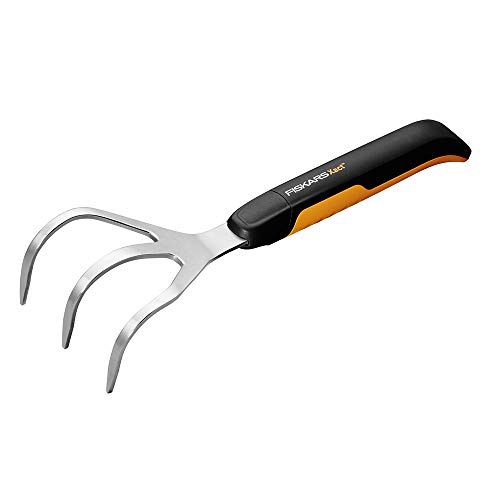
Fiskars Xact Hand Cultivator

Garden Guru Hand Cultivator Rake Tiller Tool
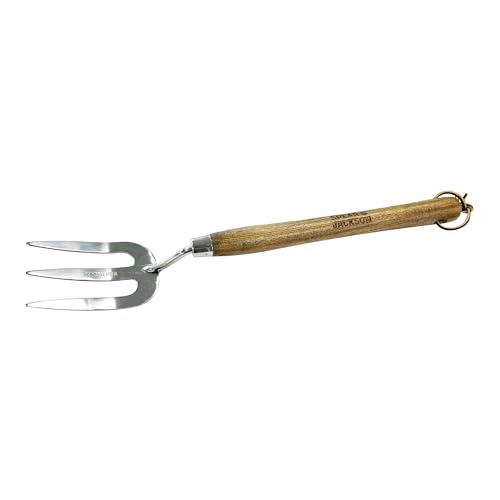
Spear & Jackson Stainless Steel Hand Weed Fork
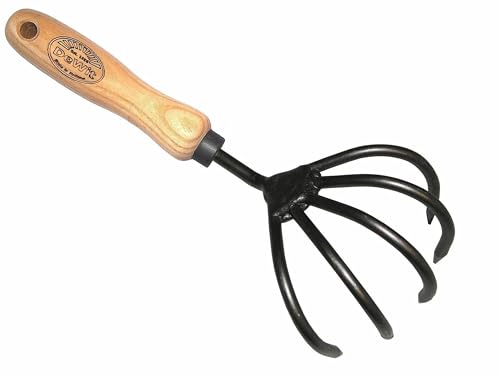
DeWit 5-Tine Hand Cultivator

Coopvivi Garden Hand Tiller Cultivator
GARDEN WEASEL Large Nut Gatherer Roller

Garden Weasel Rotary Hand Cultivator Tiller
More Details On Our Top Picks
This scoop earns its keep when you’re relocating bagged soil, compost, or mulch by the bucket. The serrated leading edge chews through compacted ground and stray roots, while the deep walls keep loads from tumbling out before they reach the bed.
Reach matters here, and a long handle keeps you upright while moving heavy material. For most raised-bed gardeners, that single feature changes the entire workflow. The design leans toward volume, so it’s not the tool for fine weeding work where a hand fork would shine.
Useful Strengths
- Serrated tip slices through clumpy soil and small roots without a separate tool.
- Generous scoop capacity cuts down on trips between the soil pile and the bed.
- Long handle stance spares the lower back during repeated scooping sessions.
Things To Consider
- Overkill for tight weeding around seedlings or in narrow rows.
- Heavier build can wear on smaller hands during extended use.
Best Suited To
Frequent bed builders and anyone moving compost or mulch in volume will appreciate the load capacity and reach.
Where Another Pick Suits Better
The PERWIN Hori Hori Garden Knife is a better companion for fine weeding and transplanting where precision beats bulk.
The Hori Hori traces back to Japanese digging knives, and this version folds eight jobs into one blade. Digging, transplanting, sawing through roots, splitting perennials, and measuring planting depth all live on a single 7-inch stainless steel edge.
Unlike the Garden Weasel scoop above, this is a precision tool that rewards close work. The full-tang wood handle carries a hanging hole for tidy storage on a shed hook, and the included sheath keeps the sharp side away from fingers when you’re moving between beds.
A Few Strong Suits
- Dual edge profile handles slicing, sawing, and root chopping without swapping tools.
- Depth markings on the blade cut out the guesswork when planting bulbs or seedlings.
- Sheath storage protects both the blade and the gardener during transport.
Worth Noting
- Not a long-reach tool, so expect some kneeling for low bed work.
- Wood handle benefits from an occasional rub of oil to fend off drying and cracking.
Key Specs
Perfect Match For
Vegetable gardeners juggling transplanting, dividing, and light digging in one afternoon will find real value in the multi-tool design.
Consider Something Else When
Long border weeding sessions go easier with the Fiskars Xact Hand Cultivator, which trades the knife’s versatility for cushioned grip comfort.
Short on storage space and new to soil work? The Fiskars Ergo lands in the hand like a familiar kitchen tool, which makes the first few weeding sessions feel forgiving. Polished aluminum tines dig into soft beds without dragging extra weight behind them.
At roughly 13 inches end to end, this cultivator leans toward short tasks rather than all-day reach work. It’s a different posture than the Garden Weasel scoop, since you’re meant to kneel or crouch with it. The hang hole keeps it off the shed floor when you’re done.
Points In Its Favor
- Lightweight aluminum construction reduces fatigue for new gardeners.
- Non-slip ergonomic grip stays put when hands are damp or soiled.
- Rust-resistant finish shrugs off the kind of neglect beginner tools often take.
Trade Offs
- Compact size keeps you closer to the soil rather than working upright.
- Three-tine layout is less aggressive in packed clay compared to heavier picks.
Right Fit For
First-time gardeners maintaining small flower beds and container plantings will find this an unintimidating starting point.
A Better Fit Elsewhere
For heavy clay or rocky plots, the Garden Guru Hand Cultivator’s high carbon steel tines deliver noticeably more bite.
This is Fiskars’ answer to marathon weeding days. The curved stainless steel tines bite into soil with a raking motion, while the longer, weighted handle and SoftGrip design shift hand positions to spread out fatigue.
The Xact sits between the entry-level Ergo cultivator above and a long-handled full-size tool, so it bridges two gardening styles. For most backyards with mixed borders, that middle ground is exactly where the work happens.
Everyday Advantages
- Multiple grip positions let you shift hands during long sessions.
- Stainless steel head fights off rust in damp or coastal climates.
- Weighted handle adds momentum to each pull through compacted soil.
Points To Note
- Mid-length handle still calls for some bending or kneeling at ground level.
- Premium feel comes at a step up from basic three-tine options.
Who It Suits Best
Gardeners tackling hour-long weeding rounds in mixed borders will appreciate the grip variety most.
Skip It When
Tight container work goes to the Spear & Jackson Hand Weed Fork, whose narrower profile slips into spaces a wider cultivator can’t reach.
Garden Guru built this cultivator for gardeners who push their tools hard. Three high carbon steel tines drive into clay and rocky ground where softer aluminum options would flex or skip.
The rust-resistant finish extends the working life, and the ergonomic handle keeps the tool from twisting in your palm when the tines catch a root. Compared to the Fiskars Xact above, this one trades a softer grip feel for raw digging strength.
What Pays Off
- High carbon steel tines resist bending under heavy resistance.
- Rust-resistant coating preserves the tool through damp seasons.
- Three-tine layout balances soil turnover with debris clearance.
Honest Caveats
- Heavier feel can slow down quick, light weeding jobs.
- Handle ergonomics favor medium to large hand sizes.
Feature Snapshot
Made For
Vegetable gardeners dealing with heavy clay or untilled plots will lean on this cultivator’s strength.
Reach For A Different Pick When
The DeWit 5-Tine Hand Cultivator is the better heirloom-grade option if you want fine tine work in raised beds.
Border work demands a tool that can slip between established plants without slicing roots. Spear & Jackson’s traditional weed fork brings a 12-inch weatherproofed handle into play, which keeps you from kneeling on damp ground during spring cleanup.
The mirror-polished stainless head catches the eye, but its real job is corrosion resistance. This fork fits a different slot than the Garden Guru cultivator, since its fork shape lifts taproot weeds intact rather than raking through loose soil.
Positive Points
- Long 12-inch handle reduces the need to kneel in wet beds.
- Stainless steel construction shrugs off season after season of exposure.
- Traditional fork shape pulls weeds out by the root rather than slicing tops.
Small Caveats
- Narrow fork profile is less efficient for broad cultivation work.
- Classic styling may feel dated next to modern cushioned grips.
Built With In Mind
Gardeners maintaining established perennial borders benefit most from the fork’s precision between plants.
Another Choice May Suit
The Fiskars Ergo Garden Cultivator handles larger weeding areas faster when you don’t need root removal.
DeWit tools come from a Dutch forge with roots back to 1898, and the 5-Tine Hand Cultivator wears that heritage well. Tempered boron steel claws break up soil while the ash hardwood handle absorbs shock and stays comfortable across long sessions.
At roughly 11 inches long, this cultivator lands in tight raised beds where a longer handle would feel clumsy. The five tines cover more ground per stroke than the Fiskars Ergo’s three-tine layout, while still fitting where a rotary tiller can’t reach.
Why It Works Well
- Tempered boron steel holds a working edge across seasons.
- Ash hardwood handle softens vibration during heavy raking.
- Compact 11-inch length fits raised bed edges and containers.
Worth Bearing In Mind
- Premium tier pricing reflects the materials and craftsmanship.
- Smaller handle may feel short for gardeners used to full-length tools.
Key Attributes
Who Should Grab It
Raised bed gardeners who want a tool that lasts decades will value the materials here.
Where A Sibling Pick Shines
For long-reach work where standing is essential, the Garden Weasel Oversized Potting Scoop delivers far more leverage.
Coopvivi’s four-tine cultivator arrives with an adjustable long handle, which addresses the height question that fixed-length tools can’t answer. High carbon steel and a rust-resistant finish aim at gardeners who push through compacted beds in spring.
Where the DeWit above favors fine, heirloom-grade materials, this pick leans into reach and raw soil-breaking strength. The four-tine head covers ground faster than three-tine options, though it loses some precision in tight border work.
Reasons It Performs
- Adjustable handle adapts to different gardener heights and bed depths.
- Four high carbon steel tines break compacted soil efficiently.
- Rust-resistant finish tolerates storage in less-than-ideal sheds.
Practical Considerations
- Wider tine spread is awkward around densely planted borders.
- Adjustment mechanism benefits from an occasional check for tightness.
Whose Shelf It Belongs On
Taller gardeners and those tackling larger vegetable plots will appreciate the adjustable reach.
Look Elsewhere When
The DeWit 5-Tine Hand Cultivator serves better in tight raised beds where precision matters more than reach.
This one breaks the cultivator mold on purpose. The Large Nut Gatherer rolls across the lawn, scooping up walnuts, small apples, and tennis balls sized between 1.5 and 3 inches. A simple rolling motion replaces hours of bending, which matters once autumn hits.
For most yards with mature trees, the tool earns its place among standard cultivators because it solves a back-breaking cleanup job every fall. Compared to the other picks here, it doesn’t aerate soil at all, but it fits a real gap in the toolshed.
Real Benefits
- Rolling pickup design eliminates constant bending and squatting.
- Heavy-duty build handles repeated trips over uneven lawns.
- Versatile enough for nuts, fruit, and stray yard debris in one range.
Things To Weigh Up
- Not a soil tool, so it can’t substitute for any cultivator above.
- Limited to objects in the 1.5 to 3-inch diameter window.
Quick Facts
Right Fit For
Homeowners with mature walnut or fruit trees dreading autumn cleanup will find this a back-saver.
Swap It Out When
The Garden Weasel Rotary Hand Cultivator covers actual soil cultivation when beds need aerating instead of debris pickup.
The Rotary Hand Cultivator closes the list with a different approach altogether. Instead of static tines, it uses rotating blade wheels that break up soil as you push the tool along. That motion covers ground faster than raking a hand cultivator stroke by stroke.
For most vegetable beds and reseeding patches, this design replaces both the hoe and the spade in a single pass. Where the Nut Gatherer above solves a cleanup problem, this one returns to the core cultivation work the rest of the lineup handles.
Everyday Perks
- Rotating wheels break soil with less effort per square foot.
- Two-in-one design combines hoe and spade functions in one pass.
- Long handle keeps you upright during mid-bed aeration work.
Possible Compromises
- Rotating parts need occasional clearing of tangled roots and debris.
- Less precise than hand tools for tight spots near existing plants.
Feature Overview
Perfect Match For
Gardeners prepping larger planting beds or reseeding patches will move faster with the rolling action.
Look Elsewhere When
The PERWIN Hori Hori Garden Knife handles transplanting and root work with more precision than any rotary tool.
Choosing A Cultivator That Suits Your Garden
Reach, weight, and tine design drive most of the difference between hand cultivators. A long handled hand cultivator with a heavy head uses gravity to drive tines into compacted soil, which matters in clay regions but adds strain on softer loam. Shorter tools ask you to kneel or crouch, which keeps the work close and precise but trades away back comfort during long sessions. The right pick depends on which trade-off fits your body, your beds, and the kind of work you do most often.
Handle Length And Posture
Longer handles mean standing or near-standing work, which protects knees and lower backs. Shorter handles trade that posture for closer control around seedlings and dense plantings. If joint pain or limited mobility shapes your gardening, lean toward the longest handle that still fits your bed layout. Standing cultivators also cover ground faster, which helps when prepping a large vegetable plot each spring.
Tine Count And Spacing
Three-tine heads dig deep and break clods, which suits heavy soil and root vegetables. Five-tine heads rake lighter and cover more surface area, which suits flower borders and fine topsoil. Wider spacing moves more dirt per stroke but risks catching nearby plant roots. Narrow spacing slips between established perennials where every inch matters.
Material And Finish Choices
Stainless steel and high carbon steel both resist rust when coated, but the feel in hand differs. Stainless tends toward a lighter touch and easier cleaning. High carbon steel holds a working edge longer under hard use. Wood handles absorb vibration and age gracefully with occasional oiling. Composite and ergonomic grips add comfort but can crack after years of sun exposure.
Matching The Tool To The Job
Container gardeners and border maintainers generally want shorter, lighter cultivators like the Fiskars Ergo or Spear & Jackson fork. Vegetable plot gardeners with clay soil get more help from heavier options like the Garden Guru or Coopvivi. Backyard orchard owners often need a separate nut pickup tool alongside a cultivator, since those jobs don’t overlap. Choosing the tool for your dominant task, rather than the most general tool, tends to save both effort and storage space.
Common Pitfalls When Picking A Cultivator
Mistakes Worth Dodging
Going too short to “save money” often costs comfort later, since short handles force kneeling on every bed visit. Buying the widest tine head available can also backfire in established borders where root damage becomes a real risk. Skipping the rust-resistant finish in favor of bare steel looks fine in the store but ages quickly once left in a damp shed.
Where The Extra Money Goes
Premium cultivators like the DeWit 5-Tine justify their cost through boron steel heads and hardwood handles that last decades rather than seasons. Better forged heads also keep their shape when striking roots, where cheaper stamped tines can bend. Comfort grips, balance weighting, and sealed adjustment mechanisms add up across long sessions, especially for gardeners who put in real hours each week. Paying more usually pays off when the tool becomes a daily companion rather than a once-a-season helper.
Frequently Asked Questions
How long should the handle be for standing work?
Handle length that reaches your hip without forcing you to hunch works for most standing cultivation. Anything shorter tends to pull you down toward the soil, while anything much longer reduces control around delicate plants. Adjustable handles like the Coopvivi let you dial in the right height and shift it for different tasks.
What’s the difference between a cultivator and a tiller?
A cultivator loosens and aerates existing soil with tines or wheels, while a tiller breaks new ground and mixes amendments deeper. Hand cultivators handle the lighter ongoing work, and rotary tillers like the Garden Weasel Rotary model cover prep jobs without powered equipment.
Can I use one tool for everything?
A versatile knife like the PERWIN Hori Hori covers weeding, digging, and transplanting in one blade. For broader bed prep and aeration, a separate cultivator or rotary tool saves time. Most experienced gardeners end up with two or three specialized tools rather than one compromise piece.
How do I keep the tines from rusting?
Wipe tines dry after wet work and store the tool indoors when possible. A light coat of oil on steel tines each season maintains the finish. Stainless options need less attention but still benefit from basic cleaning before long storage.
Are long handled hand cultivators better than short ones?
Longer handles protect your back and knees but reduce precision in tight spaces. Shorter handles give finer control near seedlings and perennials. Many gardeners keep both styles on hand to match the task at hand.
The Takeaway
The right cultivator comes down to your beds, your soil, and your body. Pick a long handle for standing comfort, choose tine count for soil type, and match the tool’s strength to your most common task. Any of the ten options above will serve a specific kind of gardener well, so let your own routine guide the choice.