If your yard has a few stubborn limbs that always seem just out of arm’s reach, a long reach lopper changes the math. A solid pair lets you clip overhead growth, snag wayward branches along a fence line, and clean up storm debris without dragging a ladder across the lawn. The trick is matching the tool to the work: bypass blades for clean cuts on living wood, anvil heads for dry, dead branches, and telescoping poles when the canopy is taller than your shoulders. This lineup covers the spread from compact 28-inch bypass cutters to 13-foot telescoping rigs, so you can find the one that fits your trees, your grip, and your weekend plans.
The Picks In Brief

twocorn 28″ Garden Bypass Lopper

Fiskars 28″ Garden Bypass Loppers

Hickok 30″ Heavy Duty Loppers

TABOR TOOLS GG12A Anvil Lopper

Fiskars 28″ Power-Lever Bypass Loppers

GARDENA EnergyCut 750 B Bypass Loppers
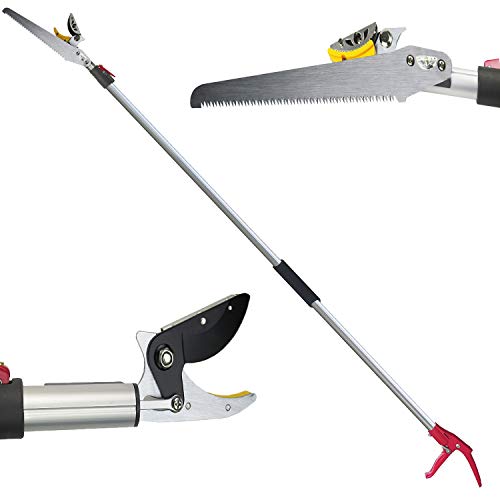
Mesoga 6-10 Foot Tree Pruner

Mesoga Telescopic Pruning Saw with Case
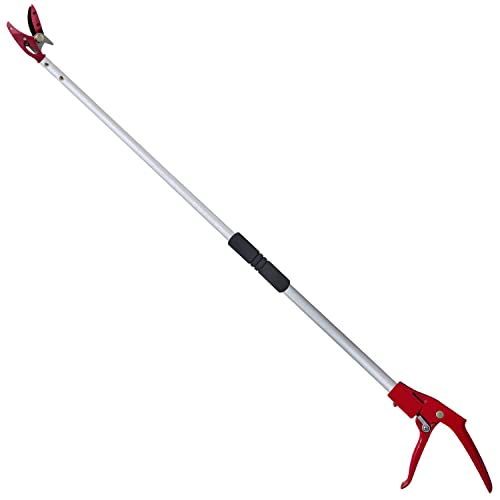
Prunrt 4 Foot Pole Pruner

Mesoga 2-in-1 Manual Telescopic Tree Pruner
A Deeper Look At The Lineup
A 28-inch handle lands right in the comfort zone for most homeowners: long enough to reach into the middle of a shrub, short enough to maneuver in a tight flower bed. The twocorn lopper pairs that handle length with a high-carbon steel head, finished through a fine polishing process that helps the blade slice through green wood rather than crush it. Owners who tend a mixed yard of small ornamentals and young fruit trees will find the 1.5-inch cutting capacity covers most routine growth.
The handle itself uses an elliptical metal shape wrapped in foam for a secure, non-slip grip, and an internal shock-absorbing bumper cushions the jarring that usually travels up your wrists. That combination matters once you start a long afternoon of shaping hedges. Compared to the Fiskars 28″ model further down this list, the twocorn design leans slightly more comfort-focused with the foam sleeve, while still aiming at a similar 1.5-inch capacity.
Positive Points
- High-carbon steel bypass blade polished for clean, precise cuts on green wood up to 1.5 inches across
- Shock-absorbing bumper between handles reduces jarring and protects wrists during long sessions
- Elliptical metal shaft with foam grip feels secure even when your hands are damp from morning dew
- Versatile capacity handles most backyard pruning, from thin twigs to thicker rose canes
Points To Keep In Mind
- Carbon steel will need a light oil wipe after heavy use to keep rust at bay
- At 1.5 inches, you may find the throat too small for the older, established branches on mature trees
Who It Suits Best
Weekend gardeners with a mixed yard of shrubs, small trees, and perennials who want a comfortable all-rounder for routine shaping and cleanups.
Consider Something Else When
Homeowners tackling older, thicker growth should look at the TABOR TOOLS GG12A Anvil Lopper, which handles a wider 2-inch capacity and is built for heavy, woody work.
Fiskars has built a long reputation around garden tools that simply work, and the 28-inch bypass lopper is the kind of design you see leaning against shed walls across the country. The steel head slices through branches up to 1.5 inches across, and the low-friction coating helps the upper blade glide past the lower one without gumming up on sap. For most household backyards, that combination hits the sweet spot between clean cuts and easy maintenance.
What makes this one stand out for casual users is its straightforward balance. The handles feel familiar in the hand, the cutting action is predictable, and replacement parts are easy to find. Compared to the twocorn model above, the Fiskars skips a foam sleeve in favor of a simpler grip, which is fine for occasional work but worth noting if you have long sessions planned.
What Works In Its Favor
- Low-friction coating on the upper blade reduces sap buildup and resists rust over seasons of use
- 1.5-inch bypass capacity handles most routine tree and shrub maintenance without strain
- Replacement blades and parts are widely available, extending the working life of the tool
- Steel construction holds up to regular homeowner use across many growing seasons
Some Limits To Know
- No foam grip layer, so bare-handed comfort during long sessions is more limited than the twocorn design
- Wipe the blade after wet jobs since the coating helps, but does not eliminate, surface rust risk
Right Fit For
Homeowners who want a simple, dependable bypass lopper for typical backyard cleanup and shaping without a learning curve.
A Better Fit Elsewhere
Users who prioritize all-day comfort should consider the twocorn 28″ Garden Bypass Lopper, which adds a foam sleeve and shock-absorbing bumper to the same cutting capacity.
The Hickok 30-inch lopper is built for users who think of pruning as serious work rather than Saturday cleanup. The 30-inch handle length provides a longer lever for thicker branches, and the aircraft-grade aluminum construction keeps the weight manageable. A forged steel blade drives the cut, which is the kind of detail pros look for when the tool is going to see real hours.
Where this lopper pulls away from the 28-inch bypass options above is reach and leverage. The longer handle gives you extra height into mid-canopy branches without dragging out a pole, and the forged head means cleaner separation even on denser wood. Lightweight aluminum framing helps with fatigue, although the longer reach does mean a wider swing arc that may not suit very tight garden corners.
Where It Excels
- Aircraft-grade aluminum handles deliver serious strength without weighing down your arms
- Forged steel blade cuts cleanly through thick, dense branches and stands up to repeated heavy use
- 30-inch length adds both leverage and reach, helping you clear higher limbs without a ladder
- Made in the USA construction appeals to shoppers who value domestic manufacturing
Practical Considerations
- Longer handles mean a wider swing arc that may not fit narrow garden pathways
- Premium build pushes it above basic homeowner budgets, so it makes more sense for committed users
Built With In Mind
Professional landscapers, tree-care crews, and dedicated homeowners with mature trees who want a long-handle tool that stands up to daily use.
Look Elsewhere When
Users pruning small ornamental shrubs in tight spaces may find the Fiskars 28″ Power-Lever Bypass Loppers a more maneuverable everyday option.
Anvil loppers take a different approach to cutting. Instead of two curved blades sliding past each other, a single sharpened upper blade presses down onto a flat anvil plate. That style shines on dry, dead, and woody growth, where crushing force matters more than a clean living cut. The TABOR TOOLS GG12A uses a compound-action mechanism to multiply your hand pressure, so the 2-inch capacity feels more manageable than the number suggests.
Where this lopper pulls away from the bypass options above is brute force on thick, seasoned wood. The 30-inch handle length adds real leverage, and the compound gearing takes a lot of the strain off your hands. If your yard has older established growth, dead wood from previous seasons, or storm-damaged limbs, this is the kind of tool that saves your back. Compare it to the Hickok model just above, and the TABOR trades the Hickok’s forged bypass precision for raw anvil power and a wider throat.
Notable Gains
- Compound-action gearing multiplies hand force, making 2-inch cuts feel much easier than the spec suggests
- Anvil design chews through dry, dead, and woody branches where bypass blades would struggle
- Hardened carbon steel blade retains its edge through heavy seasonal use
- 30-inch handle length adds real leverage for tough cuts without going to a full pole saw
Less Ideal Details
- Anvil style crushes rather than slices, so it is not the right choice for clean cuts on living plants where healing matters
- Heavier head and gearing add weight compared to basic bypass loppers
Who Should Grab It
Homeowners with mature trees, neglected hedgerows, or storm cleanup who mostly cut dry and woody material and want maximum cutting power per stroke.
Skip It When
Gardeners focused on healthy living growth should choose the Fiskars 28″ Power-Lever Bypass Loppers, which slice rather than crush green wood for cleaner plant healing.
The Power-Lever version of the Fiskars 28-inch lopper adds a compound lever mechanism to the bypass design, giving you more cutting force from the same hand motion. That extra mechanical advantage pushes the capacity up to 1.75 inches, which is meaningful when you hit a branch that’s just over the 1.5-inch limit of the standard model. The trade-off is a slightly heavier feel, but the reward is fewer hand-cramping battles with stubborn growth.
For backyards with a mix of younger ornamental trees and slightly older established growth, this model bridges the gap between basic bypass cutters and heavy anvil options. The low-friction blade coating keeps cuts smooth and reduces gumming, similar to the standard Fiskars above. Compared to the TABOR TOOLS GG12A reviewed earlier, this Fiskars focuses on clean living cuts rather than brute anvil force, so the right choice depends on what your trees are throwing at you.
Real-World Strengths
- Power-Lever compound mechanism increases cutting force without requiring more hand pressure
- 1.75-inch bypass capacity handles a wider range of branch sizes than standard 1.5-inch models
- Low-friction blade coating helps the upper blade glide cleanly and reduces sap buildup
- Steel blade construction retains sharpness across many cutting sessions
Honest Caveats
- Compound mechanism adds a small amount of weight compared to basic bypass models
- Not built for thick dry wood the way an anvil-style lopper is, so dead branches over 1.75 inches still call for a different tool
Feature Snapshot
Best Suited To
Homeowners who want clean cuts on living wood up to 1.75 inches across and appreciate a mechanical assist that reduces hand fatigue.
Not Your Match When
Users cutting mostly dead, dry, and woody material will get more out of the TABOR TOOLS GG12A Anvil Lopper and its compound-action anvil design.
The GARDENA EnergyCut 750 B is a European-style bypass lopper that takes a different angle on mechanical advantage. Instead of a simple compound lever, it uses an integrated gear transmission that claims up to three times the cutting power of standard designs. The result is a tool that punches above its weight, slicing through green branches up to 1.65 inches across with notably less effort than the spec suggests.
At 31 inches, the handle length is just a touch longer than the 28-inch Fiskars models above, and the aluminum construction keeps the overall weight down to about 2.4 pounds. Soft ErgoTec components and a built-in shock buffer protect your wrists during longer sessions, while the non-stick, precision-ground blade delivers clean cuts that are gentle on living plants. For users who want a long-handle lopper that does not feel heavy after an hour, this is one of the more refined options on the list.
Positive Takeaways
- Integrated gear transmission multiplies cutting force, so 1.65-inch cuts require less hand pressure than expected
- Aluminum frame keeps total weight around 2.4 pounds, which helps during extended pruning sessions
- Non-stick, precision-ground blade reduces sap sticking and produces clean cuts on living wood
- Soft ErgoTec handles with built-in shock buffer protect wrists over long workdays
Worth Bearing In Mind
- Gear-driven head has more internal parts to keep clean and free of debris than simpler bypass designs
- Replacing parts requires ordering through GARDENA, so plan ahead if you like to keep spares on hand
Made For
Gardeners who want a lightweight, gear-assisted bypass lopper for clean cuts on living wood and are willing to invest in a more refined tool.
Swap It Out When
Shoppers looking for a simpler, more budget-friendly bypass option may prefer the Fiskars 28″ Garden Bypass Loppers reviewed earlier in the lineup.
Once the canopy climbs above 10 feet, even a 30-inch lopper leaves you guessing where the cut will land. The Mesoga 6-10 foot tree pruner solves that by extending the working reach with a two-section telescoping pole. The oval aluminum alloy shape resists twisting when you angle into a cut, and four adjustable locking nodes let you dial in the head position for tricky overhead branches. The cut-and-hold feature grips the severed limb so it does not come crashing down into the shrub below.
This is the first pole-style tool on the list, and the shift in design is significant. Instead of working from below with your arms extended, you work from a comfortable standing position while the head does the reaching. Compared to the Fiskars 28″ Power-Lever Bypass Loppers reviewed earlier, the Mesoga trades some control and capacity for genuine overhead reach. The trade-off is the wobble factor: longer poles flex more, and your cuts may not feel as surgical as a close-up lopper can deliver.
Useful Highlights
- Telescoping aluminum pole extends from 6 to 10 feet, putting high branches within easy reach
- Cut-and-hold head grips the severed branch so debris drops in a controlled spot
- Four adjustable locking nodes let you angle the head for overhead and side cuts
- No ladder needed, which makes the job safer for solo weekend work
Possible Compromises
- Longer pole flex means less surgical precision than a 28-inch lopper on close work
- Locking nodes need periodic checks since repeated extension can loosen adjustments over time
Who It Suits Best
Homeowners with mature trees and high canopies who want safe overhead pruning without balancing on a ladder.
Where Another Pick Suits Better
Users focused on close-in shaping of shrubs and small trees will get more control from the twocorn 28″ Garden Bypass Lopper, which keeps the cutting head right at your fingertips.
The Mesoga telescoping pruning saw leans into the heavier side of overhead work. A 2-in-1 design lets you use it as a full pole saw reaching up to 13 feet, or detach the saw head for handheld cuts on lower limbs. That flexibility makes it a useful tool for storm cleanup, overgrown vines, and palm fronds, which is exactly the kind of work that ruins a standard lopper blade. A storage case is included for off-season organization.
Where this tool pulls away from the Mesoga 6-10 Foot Tree Pruner above is raw cut capacity. A bypass lopper head is built for green wood up to a couple of inches, but a pruning saw chews through larger limbs that a lopper cannot handle. The trade-off is the cutting motion itself: a saw takes more strokes and is slower than a clean bypass cut. For most backyard maintenance, a lopper is faster, but a pole saw earns its keep when branches exceed what a lopper throat can swallow.
Reasons It Performs
- 2-in-1 design doubles as a 13-foot pole saw and a handheld pruning saw for flexible use
- Detachable head lets you tackle low cuts without extending the full pole length
- Reaches high branches without a ladder, which is safer for solo weekend work
- Includes a storage case to keep the saw and components organized between uses
What To Weigh
- Saw cutting motion is slower than a clean bypass cut, so this is not the right tool for quick cleanups of small green branches
- Telescoping sections need to be locked securely before each use to prevent collapse under load
Right Fit For
Homeowners who need to clear thick overhead branches, storm debris, or palm fronds and want a single tool that reaches up to 13 feet safely.
Reach For A Different Pick When
Users who mostly prune thinner live wood will find the Fiskars 28″ Power-Lever Bypass Loppers faster and more comfortable for that style of work.
The Prunrt 4-foot pole pruner sits in a useful middle ground. It is long enough to reach into the middle of a small tree or over a thorny rosebush without leaning in, yet short enough to store in a tight garage or shed. The aluminum pole keeps the weight down, and the cut-and-hold head grips branches so you can lower them away from prized plants. It works well for live wood, small trees, and even fruit picking, which is the kind of multitasking that earns a tool a permanent spot in the shed.
Where this model differs from the Mesoga 6-10 foot pruner reviewed above is reach. Four feet is a useful bump over a hand lopper, but it is not going to put 12-foot branches within reach. Compared to the 28-inch bypass loppers earlier in the list, the Prunrt gives you that extra bit of distance for thorny or awkward spots without the wobble of a full telescoping pole. The trade-off is the same as any pole tool: precision drops as the head gets further from your hands.
The Practical Payoff
- 4-foot aluminum pole adds reach over hand loppers without the storage footprint of a full telescoping tool
- Cut-and-hold head grips cut branches so you can lower them away from prized plants
- Lightweight aluminum construction keeps the tool manageable during longer sessions
- Versatile enough for live pruning, small trees, and fruit picking in one tool
Things To Weigh Up
- 4-foot reach is not enough for high canopies, so tall trees still call for a longer telescoping pole
- Cut-and-hold mechanism adds a small amount of complexity compared to a basic bypass head
Made For
Gardeners with low branches, dense shrubs, or fruit trees who want extra reach without committing to a full-length telescoping pole.
Not Your Match When
Users needing to clear branches well above head height should choose the Mesoga 6-10 Foot Tree Pruner, which extends much further overhead.
The final pick is the most flexible tool on the list. The Mesoga 2-in-1 extends from 5 to 13 feet and pairs a bypass lopper head with a pruning saw for branches that exceed the lopper’s throat. A pulley-and-cord system drives the cutting action, which is a different feel from a standard scissor lopper. The cord-drive gearing multiplies your hand force, so cuts at full extension feel more powerful than the pole length alone would suggest.
What sets this model apart from the Mesoga telescoping saw reviewed above is the pulley-driven lopper head. A pull-cord action at the base of the pole does the cutting, so you can keep both hands on the pole for stability while you work. The trade-off is a learning curve: the first few cuts feel awkward, and the cord-pulled action is less intuitive than a direct lopper squeeze. For users willing to invest a little practice, that mechanical assist makes overhead work feel more controlled than a hand-squeeze pole lopper can deliver.
Real Benefits
- 5 to 13-foot telescoping range handles everything from low fruit picking to tall canopy work in one tool
- Cord-drive pulley system multiplies hand force for cleaner cuts at full extension
- Dual heads include both a bypass lopper for green wood and a saw for thick limbs
- No ladder required, which is a major safety plus for solo tree work
Practical Considerations
- Cord-drive action has a learning curve, and the first few cuts may feel unfamiliar compared to a standard lopper
- More moving parts than a fixed-length lopper, so periodic cord and pulley inspection is wise
Who Should Grab It
Homeowners with varied pruning tasks, from low fruit picking to high canopy cleanup, who want one tool that covers both ends of the reach spectrum.
A Better Fit Elsewhere
Users focused purely on close-up shrub and small tree work will find the twocorn 28″ Garden Bypass Lopper faster and more intuitive to operate.
What Matters Most Before Choosing Long Reach Loppers
Reach And Handle Length
The longer the handle, the higher you can cut without a ladder, but extra length always costs you control. A 28-inch lopper feels surgical in tight garden beds and gives you clean cuts on shrubs and small trees. A 30-inch lopper adds a bit of leverage and height for thicker mid-canopy branches. Pole tools starting at 4 feet and stretching to 13 feet open up the canopy, but every extra foot of pole flex means less precision and more wobble. Match the reach to the trees you actually have, not the ones you wish you had, and your arms will thank you at the end of the day.
Bypass Versus Anvil Style
Bypass loppers use two curved blades that slide past each other, much like a pair of scissors. That style is the right choice for living green wood, where clean cuts help plants heal quickly. Anvil loppers press a single blade down onto a flat plate, which is a crushing motion best suited to dry, dead, and woody material. If your yard has a mix of both, a quality bypass lopper covers the green side of the equation, while a dedicated anvil model earns its keep on the dry wood pile.
Cutting Capacity And Mechanism
Manufacturers list a maximum cut diameter, but the real question is how easily the tool reaches that number. Compound lever systems, gear transmissions, and pulley drives all multiply your hand force, so a 1.75-inch capacity on a geared lopper often feels easier than a 2-inch capacity on a basic anvil design. For thick established growth, look for compound or geared mechanisms. For routine seasonal maintenance, simpler designs usually feel lighter and quicker in hand.
Blade Material And Maintenance
High-carbon steel is the most common blade material in this category, and it holds an edge well, though it benefits from a light oil wipe after wet jobs. Coatings like low-friction and non-stick finishes help sap slide off and slow rust. Pole saw blades with replaceable heads are worth considering if you want to extend the working life of the tool, since a fresh blade restores cutting performance without buying a new tool.
Key Considerations Across These Picks
Where Shoppers Go Wrong
A common trap is buying a long-reach pole tool for jobs that call for a short-handle lopper. The extra reach sounds appealing, but pole tools are slower and less precise for shaping shrubs or cutting close-to-ground growth. Another mistake is ignoring the bypass-versus-anvil decision and grabbing whatever is on sale, then wondering why a bypass blade struggles through dry oak or why an anvil head crushes a prized rose cane. Match the tool to the work, and your cuts will look like the work of someone who has done it before.
What Separates Premium From Basic
Spending up on a premium lopper usually buys three things: a mechanical advantage system, replaceable wear parts, and a more comfortable handle. Compound levers, gear transmissions, and pulley drives all reduce the hand force needed per cut, which matters more as branches get thicker. Replaceable blades extend the life of the tool rather than sending it to the landfill after one hard season. For occasional light use, a basic model is plenty, but for mature trees and frequent pruning, those upgrades pay for themselves in comfort and durability.
Frequently Asked Questions
What is the difference between a bypass lopper and an anvil lopper?
A bypass lopper uses two curved blades that slide past each other like scissors, making clean cuts on living green wood. An anvil lopper uses a single blade that presses down onto a flat plate, which is more crushing in nature and better suited to dry, dead, and woody material.
How long should the handle be on a long reach lopper?
For most backyard shrubs and small trees, a 28 to 30-inch handle provides good leverage and control. For higher canopies above 10 feet, a telescoping pole tool that extends to 6 feet or more is the better choice, with the trade-off being reduced precision at full extension.
Can long reach loppers cut thick branches?
Yes, but capacity varies by model. Standard bypass loppers typically handle 1.5 to 1.75 inches, while geared bypass and anvil designs can reach 2 inches. For anything thicker, a pole saw attachment or a dedicated pruning saw is the better tool.
Are telescoping pole loppers safe to use on a ladder?
No, pole loppers are designed to keep you on the ground, not on a ladder. Using a long pole tool while elevated creates serious balance and leverage hazards. For overhead work, stay on stable ground and use the pole’s full reach to access branches safely.
How do I keep lopper blades from rusting?
Wipe blades dry after wet jobs, apply a thin layer of light oil periodically, and store the tool indoors or in a dry shed. Coatings like low-friction or non-stick finishes slow rust, but regular maintenance is the real key to long blade life.
The Takeaway
The right long reach lopper comes down to matching the tool to your trees and your habits. Backyard gardeners with mixed shrubs and small trees will get years of service from a 28-inch bypass lopper like the Fiskars or twocorn. Anyone dealing with mature, thick growth should look at geared or anvil designs for the extra cutting force. When the canopy climbs beyond arm’s reach, a telescoping pole pruner or saw keeps your feet on the ground and your work safe. Pick the design that matches the work in front of you, and pruning stops feeling like a chore.