Heavy branches, neglected vines, and overgrown hedges don’t care how nice your gloves are. What separates a clean afternoon in the yard from a frustrating one is whether your cutting tool can handle the wood in front of you. This roundup rounds up ten lopping shears and pruning companions built for everything from light deadheading to thicker limbs. Whether you maintain a few ornamentals or wrestle with mature trees, the right tool changes everything.
The Essentials At A Glance
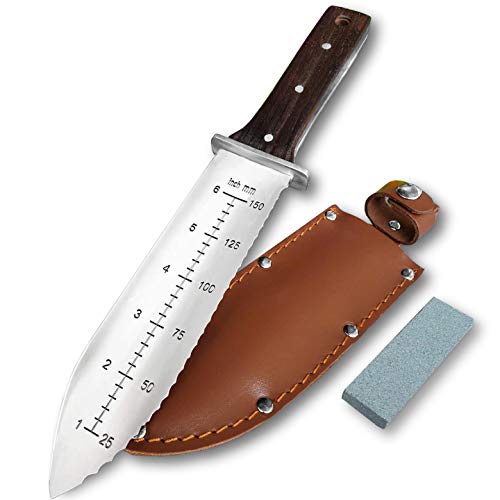
gonicc Professional Hori Hori Garden Knife with Leather Sheath
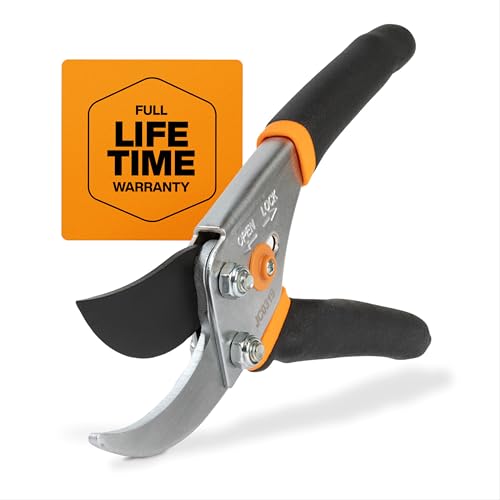
Fiskars Bypass Pruning Shears, 5/8″ Cut Capacity

Bahco P16-60 Lopping Shears 24In
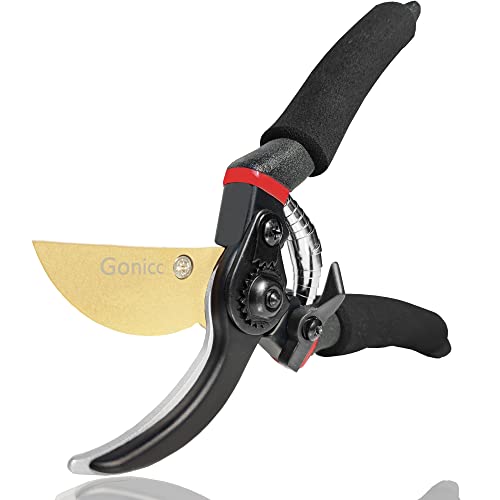
gonicc 8″ Professional Premium Bypass Titanium Pruning Shears (GPPS-1003)
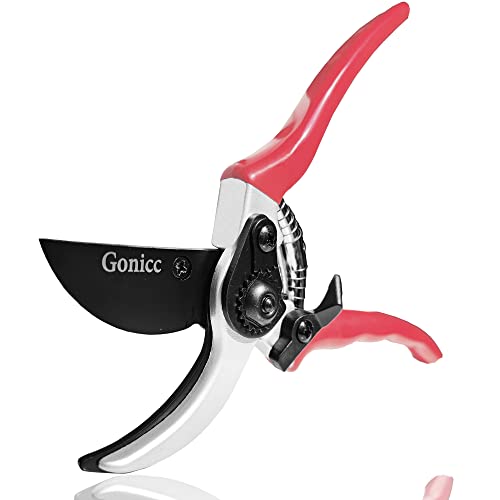
gonicc 8″ Professional Sharp Bypass Pruning Shears (GPPS-1002)

Fiskars Forged Steel Bypass Pruning Shears, 1″ Cut Capacity

Fiskars SoftGrip Bypass Pruning Shears, 5/8″ Cut Capacity

Haus & Garten PowerPRO Compound Action 29″ Bypass Loppers

BERGER Bypass Lopping Shears Professional 27.6″ Tree Trimmer 4360
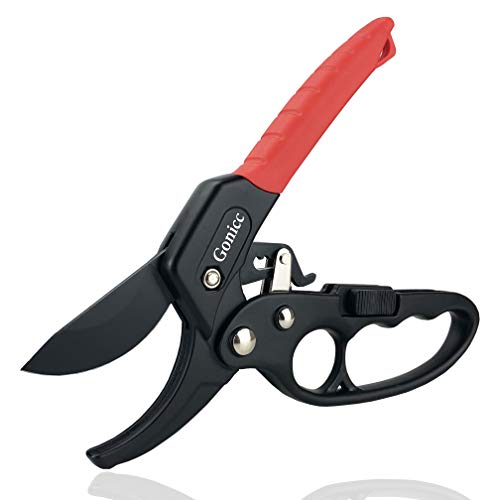
gonicc 8″ Professional Ratchet Anvil Pruning Shears (GPPS-1011)
The Strengths Of Each Pick
The gonicc Hori Hori isn’t a lopper in the traditional sense, but it earns its spot because real gardening rarely fits one tool. Its 440 stainless steel blade cuts, digs, saws through tough roots, and even measures planting depth with a printed scale. For raised beds, perennial divisions, or spot weeding between shrubs, it fills the gap between your pruners and a full hand trowel.
A leather sheath and sharpening stone round out the package, so it travels safely in a belt loop and stays sharp across seasons. The protective handguard keeps slips at bay when you’re levering through compacted soil.
Real Benefits
- 440 stainless blade resists rust through wet seasons
- Dual-edge design (straight and serrated) handles slicing and sawing
- Onboard depth scale removes guesswork for transplanting
- Included sharpening stone extends working life
- Leather sheath protects both the blade and your thigh
Worth Noting
- Not designed for overhead branch cutting beyond small woody stems
- Stainless steel can show scuffs with heavy abrasive use
Key Specs
Whose Shelf It Belongs On
Gardeners juggling weeding, dividing, and light cutting in tight spaces will find this a practical companion to dedicated lopping shears.
Consider Something Else When
For overhead pruning of mature branches, the BERGER Bypass Lopping Shears 4360 delivers the reach and leverage this knife can’t match.
Few hand pruners have earned the kind of staying power the Fiskars bypass design enjoys. Hardened, precision-ground steel blades make clean work of flower stems, rose canes, and thin branches up to 5/8 inch. If your gardening life is mostly snipping and shaping rather than sawing through logs, this is the kind of tool that disappears in your hand and just works.
The bypass action (two curved blades passing each other like scissors) is gentle on live green wood, leaving a cleaner cut that heals faster. For everyday shrub maintenance, perennial cleanup, and deadheading, it’s hard to argue with the basics done right.
Notable Gains
- Hardened steel blade holds its edge through frequent use
- Bypass action is gentler on live plant tissue than anvil designs
- Lightweight frame reduces wrist fatigue during long sessions
- Simple mechanical design makes field maintenance straightforward
Trade Offs
- Struggles with branches approaching or exceeding its 5/8 inch capacity
- Basic grip lacks the cushioned feel of upgraded models
Right Fit For
Home gardeners trimming roses, perennials, and small ornamental shrubs throughout the growing season.
Skip It When
Reaching into taller trees, the Bahco P16-60 Lopping Shears 24In offers the handle length and cutting geometry this pruner simply can’t.
The Bahco P16-60 was built with vine work in mind, and it shows. At roughly 900mm (about 35 inches) overall, this lopper gives you enough reach to step into a row of grapevines or wisteria without contorting your shoulders. Its blade geometry features two different edge radii, which translates to a faster initial bite and a cleaner finish as the cut progresses.
Compared to the Fiskars hand pruner covered earlier, the Bahco opens up a different tier of work entirely. Where the pruner handles detail, the P16-60 handles structure: thicker canes, woody vines, and the kind of cutting where leverage matters more than finesse.
A Favorable Mix
- 900mm length provides real working reach overhead and into vines
- Counterblade with notches grips branches securely during the cut
- Soft rubber buffers between handles absorb shock and reduce fatigue
- Centre bolt locking system keeps the blade tight over time
- Forged counterblade adds serious structural rigidity
Points To Note
- Long handles can feel unwieldy in tight ornamental beds
- No compound gearing, so heavier cuts demand more hand force
Quick Facts
Best Suited To
Vineyard caretakers, orchard owners, and gardeners maintaining mature wisteria, grapevines, or climbing roses need this kind of dedicated leverage.
Look Elsewhere When
For thicker tree limbs where compound leverage saves your joints, the Haus & Garten PowerPRO Compound Action 29″ Bypass Loppers will feel noticeably easier.
If you prune for a living or simply spend serious hours in the garden, the GPPS-1003 makes a strong case for itself. SK-5 steel (a high-carbon tool steel common in professional cutting tools) with a titanium coating gives the blade both hardness and corrosion resistance. Drop-forged construction adds backbone, so the tool feels planted in your hand rather than tinny.
The aluminum handles wrapped in PVC strike a useful balance: light enough to reduce fatigue, grippy enough to keep control when your hands are damp or sap-covered. A built-in sap groove channels sticky residue away from the cutting area.
A Strong Showing
- Titanium-coated SK-5 blade resists rust and sap buildup
- Drop-forged frame supports heavy daily use without flex
- Aluminum handles keep overall weight surprisingly low
- Integrated sap groove keeps cutting action smooth
- Non-slip PVC grip maintains control in damp conditions
- Ultra-fine polishing reduces drag through woody material
Honest Caveats
- Higher-end pricing compared to entry-level pruners
- Ti coating can show wear where it contacts abrasive wood
Who Should Grab It
Heavy-use gardeners, professional landscapers, and anyone tired of replacing cheaper pruners season after season.
Reach For A Different Pick When
For pure overhead reach in vines, the Bahco P16-60 Lopping Shears 24In is the better tool for the job.
The GPPS-1002 is the more approachable sibling to the GPPS-1003 covered earlier. It uses the same drop-forged body and handles, but pairs them with a high-carbon steel blade finished with ultra-fine polishing technology. For most home gardeners, that means clean cuts on roses, annuals, vegetables, and bonsai without the premium price tag.
The same non-slip ergonomic handle and sap groove design carry over, so handling stays consistent. You’re giving up the titanium coating and SK-5 designation, but in return, the wallet gets a break.
Benefits That Matter
- Drop-forged frame delivers durability uncommon at this tier
- High-carbon steel blade handles typical garden tasks with ease
- Sap groove prevents sticky buildup during extended work
- Ergonomic non-slip handle supports longer sessions
Small Caveats
- High-carbon steel needs a light oiling habit to prevent surface rust
- No titanium coating means marginally higher friction through sap-rich wood
At A Glance
Perfect Match For
Casual gardeners who deadhead roses, trim shrubs, and shape bonsai without needing professional-grade materials.
A Better Fit Elsewhere
For an extended afternoon of overhead branch work, the Bahco P16-60 Lopping Shears 24In provides leverage this hand pruner can’t.
Where the standard Fiskars bypass pruner caps out at 5/8 inch, this forged version pushes capacity to a full inch. For gardeners who routinely wrestle thicker woody stems, fruit tree suckers, or older shrub growth, that extra capacity is the difference between finishing the job and leaving half-finished cuts around the yard.
Forged steel handles give the tool more mass and rigidity, which translates to cleaner cuts under pressure. The fully hardened, precision-ground blade is designed to stay sharp through heavy seasonal use.
Well-Handled Touches
- 1-inch cut capacity handles branches most pruners can’t
- Forged steel handles add strength and longevity
- Hardened blade holds an edge across demanding seasons
- Bypass geometry preserves healthy wood on live cuts
Possible Compromises
- Heavier than the lighter Fiskars 5/8-inch model covered earlier
- Bulkier frame can feel oversized in smaller hands
Made For
Home orchardists and gardeners dealing with overgrown shrubs, thick rose canes, or small fruit tree pruning.
Not Your Match When
For overhead branch cutting that demands real handle length, the Haus & Garten PowerPRO Compound Action 29″ Bypass Loppers offers both reach and compound leverage.
Long pruning sessions punish hands that don’t get along with their tools. The SoftGrip variant of the Fiskars bypass pruner takes the same 5/8-inch cutting capacity as the standard model and adds a cushioned grip designed to reduce hand fatigue over hours of repetitive cuts. PowerGear2 gearing helps multiply hand force so each snip requires less squeeze.
For anyone managing arthritis, smaller grip strength, or simply large gardens that take a full afternoon to work through, that ergonomic layer makes a tangible difference. It’s the same reliable bypass cutting underneath.
Reasons It Performs
- PowerGear2 mechanism multiplies hand force for easier cuts
- Soft-grip handle cushions the palm during long sessions
- Precision-ground steel blade stays sharp through frequent use
- Self-cleaning sap groove maintains smooth operation
Things To Consider
- Soft-grip material may wear faster than hard plastic over years of use
- Same 5/8-inch limit as the standard Fiskars covered earlier
Feature Rundown
Built With In Mind
Gardeners with reduced grip strength, arthritic hands, or those tackling marathon pruning days will appreciate the ergonomic layering.
Swap It Out When
For cutting dry, woody stems where an anvil-style ratchet action helps, the gonicc 8″ Professional Ratchet Anvil Pruning Shears (GPPS-1011) is purpose-built for that.
Compound-action loppers use multiple pivot points to multiply hand force, and the PowerPRO leans into that mechanism hard. For tree branches, established shrubs, and vine work where you’re cutting up to 2 inches thick, the trade-off is less strain on your wrists and shoulders. Senior gardeners and anyone with reduced grip strength often find this design opens up work they previously avoided.
Japanese-grade carbon steel forms the cutting edge, with blades designed for easy resharpening. Compared to the Bahco P16-60 covered earlier, the PowerPRO trades a bit of single-pivot simplicity for compound leverage.
Strengths Worth Knowing
- Compound-action mechanism triples effective cutting force
- 2-inch capacity handles substantial tree branches
- Japanese-grade carbon steel blade is easy to resharpen at home
- 29-inch handle length extends reach into tree canopies
- Easier on hands and shoulders than single-pivot loppers
Where It May Fall Short
- Compound mechanism adds moving parts that can loosen over time
- Larger head size may struggle to access tight interior branch crotches
Who It Suits Best
Older gardeners, anyone with joint sensitivity, and homeowners managing trees with branches up to 2 inches thick.
Another Choice May Suit
For pure vine-pruning precision and longer handle length, the Bahco P16-60 Lopping Shears 24In delivers a more traditional cutting experience.
BERGER has been making cutting tools in Germany since 1919, and the 4360 reflects that heritage. The cutting head uses high-grade steel rated for branches up to roughly 3.5 cm (about 1.38 inches), with notches that grip material and an integrated oil groove that lets you lubricate the cutting head without disassembly. Hot drop-forged blade and counterblade add serious structural rigidity.
The solid aluminum handles carry a special plastic coating for grip and integrate hand protection for wrist-friendly cutting. At roughly 60 cm (about 27.6 inches) overall, it sits in a useful middle ground between shorter hand pruners and long-reach tree tools.
Why It Works Well
- High-grade steel cutting head with anti-stick coating
- Branch-gripping notches prevent material from slipping
- Forged oil groove simplifies maintenance without disassembly
- Aluminum handles balance strength with manageable weight
- Integrated hand protection reduces wrist strain
Small Limitations
- At 27.6 inches, shorter than the longer-reach loppers in this roundup
- Premium positioning carries a higher cost than entry-level options
The Right Fit
Professional arborists, orchard managers, and serious home gardeners prioritizing build quality and long-term reliability.
A Better Fit Elsewhere
For homeowners needing compound leverage on thicker branches, the Haus & Garten PowerPRO Compound Action 29″ Bypass Loppers will feel easier on the joints.
The GPPS-1011 is an anvil-style pruner, which works differently from the bypass designs covered earlier. Anvil pruners trap the branch against a flat plate (the “anvil”) while a single sharpened blade comes down, which makes them well-suited to dry, woody, or dead stems. A ratcheting mechanism allows the cut to proceed in stages, multiplying hand force with each click.
SK-5 steel blades and chrome vanadium handles (a high-strength alloy steel used in professional hand tools) round out the build. Compared to the bypass GPPS-1003, this tool trades green-wood gentleness for woody-stem power.
Positive Points
- Ratcheting mechanism breaks tough cuts into manageable stages
- SK-5 steel blade handles woody and dry stems cleanly
- Chrome vanadium handles deliver strength at low weight
- Anvil design excels on deadwood where bypass models struggle
Factors To Consider
- Anvil action can crush live green stems if used carelessly
- Ratchet mechanism adds slight bulk versus single-action pruners
- Chrome vanadium surface benefits from occasional wiping to prevent corrosion
Spec Overview
Who Will Love This
Gardeners cleaning up dead wood, overgrown hedges, or rose gardens where anvil action and ratcheting power simplify stubborn cuts.
Where A Sibling Pick Shines
For live green wood where bypass cutting preserves plant health, the gonicc 8″ Professional Premium Bypass Titanium Pruning Shears (GPPS-1003) is the better match.
Picking Lopping Shears That Actually Fit Your Yard
Cut capacity is the first number to check, but it shouldn’t be the last. A lopper rated for 2 inches only delivers that performance when its blade geometry, handle length, and pivot design support the effort. For overhead branch work, reach often matters more than maximum capacity, since you can’t easily cut what you can’t safely position yourself under. For ground-level shrub maintenance, a shorter handle and lighter head reduce fatigue across long sessions.
Cutting action matters more than people expect. Bypass loppers (two curved blades passing each other) cut like scissors and leave cleaner wounds on live wood. Anvil loppers (one blade meeting a flat plate) crush rather than slice, which suits dry or dead stems but can damage green growth. Choose based on what’s actually growing in your yard.
Handle material affects both weight and durability. Aluminum and chrome vanadium keep weight manageable, while traditional beechwood (like the BERGER 4360) offers a classic feel with solid shock absorption. For frequent or professional use, forged components and replaceable parts extend service life well beyond entry-level tools.
Maintenance is the unglamorous part nobody talks about. Sap grooves that channel residue away from the blade, oil grooves that allow lubrication without disassembly, and blade designs that are easy to resharpen at home all reduce the long-term friction of ownership. A quick wipe-down after each session and an occasional light oiling will keep most loppers cutting cleanly for years.
Smart Shopping Notes For This Category
Mistakes Worth Dodging
Picking the largest cut capacity on the shelf often backfires. Loppers rated for 2-inch branches are heavier, longer, and harder to control. Match capacity to the wood you actually face, not the wood you might face someday.
Another common slip: ignoring reach. A 24-inch lopper handles waist-high shrubs, but overhead branches on a mature tree need every inch of additional length you can find. Consider how you’ll position yourself before falling in love with a shorter tool.
Where The Extra Money Goes
Premium loppers invest in better steel, tighter pivot tolerances, and ergonomic touches like shock-absorbing buffers or compound gearing. The BERGER 4360 and Haus & Garten PowerPRO both show where higher prices buy structural integrity and easier cutting. For occasional light pruning, the difference matters less. For weekly use or professional work, the upgrade pays for itself in hand comfort and tool longevity over multiple seasons.
Frequently Asked Questions
What cut capacity do most home gardeners actually need?
For typical shrubs, roses, and small ornamental trees, a 5/8 to 1-inch capacity covers the vast majority of cuts. Anything beyond that usually calls for a dedicated lopper with longer handles and more leverage.
Bypass or anvil loppers: which is better for live plants?
Bypass designs cut cleaner on live green wood because two blades pass each other like scissors. Anvil designs work better on dry or dead stems where crushing action is less of a concern.
How do I keep lopping shears from sticking?
Most modern loppers include a sap groove that channels sticky residue away from the blade. A quick wipe with a dry cloth after each session, plus occasional light oiling, prevents buildup that causes blades to drag or stick.
Are longer handles always better?
Longer handles add reach and leverage but also weight and bulk. For overhead work in trees, longer is generally better. For ground-level shrub maintenance, a 24 to 28-inch handle balances reach with control for most users.
How often should I sharpen lopping shear blades?
Once or twice per season is typical for home use. After each heavy pruning session, a quick pass with a sharpening stone or file maintains the edge. Heavy professional users may sharpen monthly.
Wrap Up
The right lopping shears come down to matching the tool to your actual wood, reach, and grip strength. Browse the ten picks above, weigh what matters most for your yard, and choose the one that lines up with the work waiting for you this weekend.