Healthy gardens rarely happen by accident. Soil temperature, pH, and moisture all quietly steer whether seeds sprout, seedlings take, and lawns fill in. The Luster Leaf Rapitest lineup gives you practical tools to read those signals, from a classic dial thermometer to a smartphone-guided microbial kit. This roundup covers seven models worth knowing, with honest trade-offs and a fit for every type of grower.
A Snapshot Of The Selections

Luster Leaf 1630 Rapitest Dial Soil Thermometer

Luster Leaf 1625 Digital Soil Thermometer

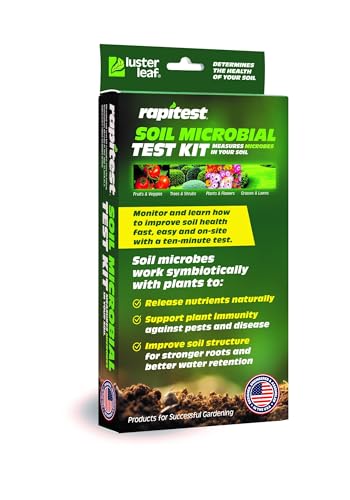
Rapitest® Soil Microbial Test Kit
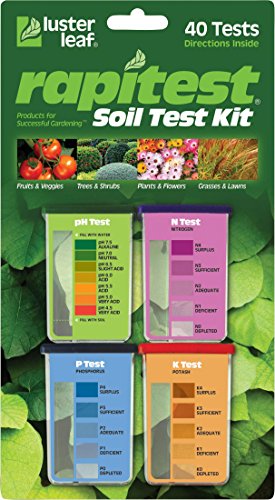
Luster Leaf 1601 Rapitest® Soil Test Kit
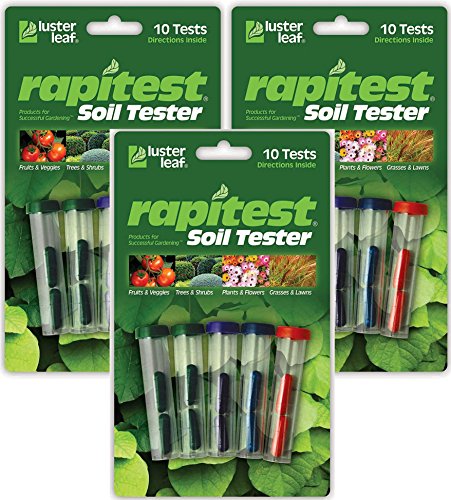
Luster Leaf Pack of 3 Rapitest Soil Testers
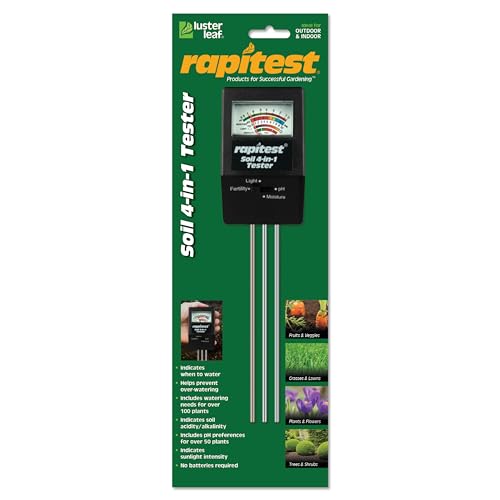
Luster Leaf 1818 Rapitest 4-in1 Soil Tester
The Picks, Examined More Closely
When early spring hits and you’re itching to transplant tomatoes, soil temperature is the silent gatekeeper. The Luster Leaf 1630 is a classic analog dial thermometer with a stainless steel probe and a top-facing glass lens, so you can read the result at a glance without crouching.
It pairs nicely with the 1625 digital model later in this list, but trades the digital convenience for an entirely mechanical design. No batteries, no calibration screens, just a probe pushed into the bed.
The Helpful Details
- Mechanical dial needs no power source, a real plus for off-grid tool sheds
- Stainless steel probe resists rust in damp, amended soils
- Top-mounted lens reads from above, saving your knees during repeat checks
- Reference dial includes germination and transplanting guidelines for common crops
Things To Consider
- Analog readings can be slightly slower to settle than a digital sensor, depending on soil moisture
- The glass lens benefits from occasional wiping, since soil splash can blur the dial
Key Specs
Who It Suits Best
Vegetable gardeners timing their first transplants of the season.
Consider Something Else When
You’d rather have a digital readout, in which case the Luster Leaf 1625 Digital Soil Thermometer is the better fit.
The 1625 takes the same soil temperature concept as the 1630 and updates it with a digital display. You push the probe into the bed, wait a beat, and get a number you can compare directly to seed packet recommendations.
For new gardeners, that kind of clarity is genuinely useful. You spend less time squinting at a dial and more time acting on the reading.
What Works In Its Favor
- Numeric readout removes the guesswork of estimating between dial markings
- Fast enough for repeat checks across different microclimates in the same bed
- Compact form slides easily into a garden tote alongside gloves and pruners
Worth Noting
- Digital sensors can drift in very rocky or heavily amended soils, so clean the probe between uses
- Compared to the 4-in-1 1818 model covered later, this one measures only temperature, not moisture or light
Made For
First-time growers who want unambiguous numbers without a learning curve.
Look Elsewhere When
You want moisture and pH in the same pass, in which case the Luster Leaf 1818 Rapitest 4-in-1 Soil Tester earns its place.
Overwatering kills more houseplants than neglect, and the Rapitest Moisture Tester attacks that exact problem. It’s a small analog probe that gives you an instant moisture read, ideal for window boxes, hanging baskets, and grow bags where the surface can lie about what’s happening below.
Unlike the broader 4-in-1 1818 later in this list, this one stays focused. The trade-off is depth of data, but for daily watering decisions, focused is plenty.
Positive Takeaways
- No batteries or calibration, just insert and read
- Slender profile fits between dense roots in window boxes and grow bags
- Indoor and outdoor use means you can move it from a kitchen herb pot to a patio planter in seconds
Room For Improvement
- Reads moisture only, so you’ll need a separate tool for pH or fertility
- The probe tip can corrode in consistently wet soils, depending on your local water mineral content, so wiping it dry after use is wise
Key Specs
Best Suited To
Container gardeners juggling multiple small pots with different watering needs.
A Better Fit Elsewhere
You want a fuller soil picture beyond moisture, in which case the Luster Leaf 1601 Rapitest Soil Test Kit covers pH and nutrients too.
Microbial activity is the hidden engine behind soil health, and the Rapitest Soil Microbial Test Kit brings that data into your phone. It pairs with a free app for iPhone and Android, walks you through the test, and returns results without requiring a lab background or a subscription.
Where the 1601 kit later in this roundup looks at chemical nutrients, this one looks at biology. The two complement each other rather than overlap.
Key Advantages
- App-guided workflow removes the ambiguity of color-matching charts
- Unlimited tests with no subscription fee, useful for tracking changes over a season
- Suggests relevant amendments like kelp, biochar, worm castings, or mycorrhizae based on what your soil actually shows
Points To Keep In Mind
- Requires a smartphone, so it’s less useful in low-connectivity garden sheds
- The microbial angle is more advanced than basic pH testing, so beginners may want to start with the 1601 first
Who Will Love This
Soil health enthusiasts tracking biological activity and amendment results over time.
Skip It When
You only need a quick chemical read, in which case the Luster Leaf 1601 Rapitest Soil Test Kit is the simpler path.
The 1601 is the kit most people picture when they hear “soil test kit.” It tests the four pillars of basic soil chemistry: pH, nitrogen, phosphorus, and potash. The color-coded capsule system makes the process approachable, even for gardeners who’ve never tested a thing in their life.
It’s the chemical sibling to the microbial kit covered above. Combine the two, and you get a real cross-section of what’s happening beneath the surface.
Strengths Worth Knowing
- Covers the full NPK trio plus pH, the four numbers every gardener tracks
- Color-coded capsules reduce the chance of mixing up reagents mid-test
- Reusable test tubes mean you can run a second or third pass the same season
Trade Offs
- Color comparison requires decent lighting and reasonably good eyesight, depending on your indoor setup
- Doesn’t measure organic matter or microbial life, so pairing with the Rapitest Soil Microbial Test Kit gives a fuller story
Key Specs
Perfect Match For
Vegetable gardeners who want a reliable annual read on basic soil chemistry.
Reach For A Different Pick When
You’d rather skip color matching entirely, in which case the Luster Leaf 1818 Rapitest 4-in-1 Soil Tester gives probe-based readings without reagents.
The 3-pack stretches the same color-coded testing idea across ten total tests: four pH and two each for N, P, and K. For households managing several raised beds, lawn patches, or community plots, that headroom matters.
It’s the same testing system as the 1601 single kit, just with more capsules and tubes in the box. If you’ve found the 1601 useful, this is the logical next step.
Why It Works Well
- Ten tests per box cover a full season across multiple beds
- Color-coded tubes reduce mix-ups when you’re testing several areas in one afternoon
- Economical per-test cost when you’re running comparisons across lawn, veggie, and flower zones
Soft Spots
- More tests also means more capsule storage, so a small dry container helps keep things organized
- Still color-dependent, so the same lighting caveats from the 1601 apply
Right Fit For
Multi-bed households that want to compare soil conditions across separate planting areas.
Where Another Pick Suits Better
You test just one small bed, in which case the single Luster Leaf 1601 Rapitest Soil Test Kit avoids the extra capsules going stale.
The 1818 is the Swiss Army knife of the lineup. One triple-probed device switches between soil pH, moisture, fertility, and sunlight exposure, so you can troubleshoot scorch, overwatering, and nutrient gaps in a single pass.
Compare that to the dedicated moisture probe earlier in this list: that one stays simple, while the 1818 trades focus for breadth. Both are valid, depending on whether you want one tool or several.
Everyday Advantages
- Four readings from one probe, useful when you’re narrowing down a plant problem quickly
- No batteries required, so it stays ready between uses
- Light sensor helps when matching plant placement to actual sun exposure in a shifting yard
Honest Caveats
- Probe-based readings are less precise than lab-grade NPK results, depending on soil composition and probe depth
- Switching between modes can feel fiddly at first, so reading the included chart a few times helps
Quick Facts
Whose Shelf It Belongs On
Triage gardeners who want one tool that covers the common plant problems before reaching for a full lab kit.
Not Your Match When
You want detailed nutrient breakdowns, in which case the Luster Leaf 1601 Rapitest Soil Test Kit covers NPK properly.
What Matters Most Before Choosing Luster Leaf Rapitest Digital Soil Test Kits
Match the Tool to the Question You’re Asking
Start with the problem you’re actually trying to solve. Early planting timing? A soil thermometer like the 1630 or 1625 answers that cleanly. Wilted houseplants and patchy beds? Moisture and pH matter more, which is where the 1818 or the 1601 earns its place. Lawn recovery and amendment tracking pair well with the microbial kit, since biology drives long-term soil structure.
Think About Repeat Use, Not Just the First Test
Color-based kits like the 1601 and 3-pack use consumable capsules, so plan for how many tests you’ll realistically run in a season. Probe-based tools like the 1818 and Rapitest Moisture Tester stay usable indefinitely, which suits gardeners who like to spot-check weekly without restocking.
Consider the Skill Curve
Beginners tend to do well with the 1601 and the digital 1625, both of which guide you through a clear process. The microbial app is a step up in complexity, so it’s a better fit once you’re already comfortable with basic pH and NPK readings.
Smart Buying Advice for These Picks
Pitfalls Shoppers Hit
A common mistake is treating one test as the whole story. A pH read without NPK misses nutrient lockout, and an NPK read without biology misses the engine driving uptake. Matching the right tool to the right question prevents wasted capsules and false conclusions. Another trap is skipping calibration, even just a quick water-dip on a probe tool, before trusting the first reading of the season.
Where The Extra Money Goes
Higher-tier picks in this category tend to add either breadth (the 4-in-1 1818) or depth (the app-guided microbial kit). You’re paying for more data and faster interpretation, which pays off when you’re managing a large or fast-changing garden. For a single raised bed or a few houseplants, the entry-level 1601 and moisture probe cover what most people need.
Frequently Asked Questions
How Often Should You Test Soil With These Kits?
Most gardeners benefit from testing in early spring before planting and again in mid-season if growth looks off. Probe tools invite more frequent spot-checks, and the microbial kit rewards repeat runs since biology shifts slowly.
Can One Kit Replace a Lab Soil Test?
These kits give you reliable directional data for everyday decisions, but they don’t match the precision of a professional lab. For most home gardens, that’s more than enough. For commercial plots or persistent problems, a lab adds context these tools can’t match.
Do the Probe-Style Tools Need Batteries?
The Luster Leaf 1818, 1630, and Rapitest Moisture Tester all run without any power source. That’s a quiet advantage for gardeners who’d rather not track another set of replacement batteries in the shed.
Is the App Required for the Microbial Kit?
The kit pairs with a free smartphone app for iPhone and Android, and the app walks you through the test and the interpretation. Without it, the sample collection step is harder to follow, so the app is best treated as part of the experience.
Which Pick Is Best for a Beginner Gardener?
The Luster Leaf 1601 Rapitest Soil Test Kit is the most approachable starting point, since color-coded capsules remove the guesswork from pH and NPK testing. Once that workflow feels familiar, expanding into probe or microbial tools becomes a natural next step.
The Takeaway
Across this lineup, the right pick depends on what your garden is asking you. A soil thermometer solves spring timing. A moisture probe tames watering habits. The 1601 and 3-pack cover the chemistry. The microbial kit adds the biology, and the 1818 pulls four readings into one tool. Start with the question you’re asking today, and let the rest follow as your soil teaches you more.