Healthy gardens start below the surface, and pH drives everything from nutrient uptake to bloom color. Most home growers skip soil testing because chemical kits look intimidating and digital meters feel like overkill, yet guessing leads to yellowing leaves and wasted fertilizer. These eight Rapitest options cover pH, moisture, temperature, and full nutrient panels, so you can match the tool to your soil, your space, and how deep you want to dig into the data.
The Main Contenders

Luster Leaf 1630 Rapitest Dial Soil Thermometer, Stainless Steel, Pack of 1
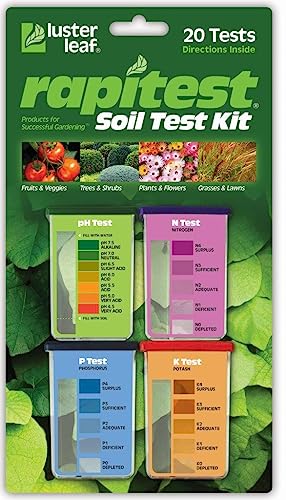
Rapitest Soil Test Kit for Gardens, Vegetables, Flowers and Lawns

Rapitest Moisture Tester

Luster Leaf 1612 Rapitest pH Soil Tester
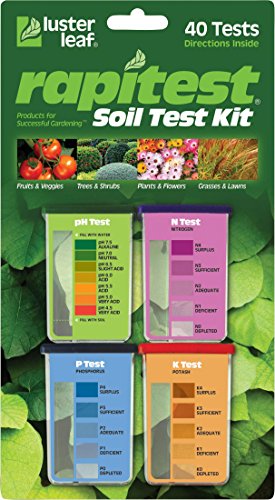
Luster Leaf 1601 Rapitest® Soil Test Kit
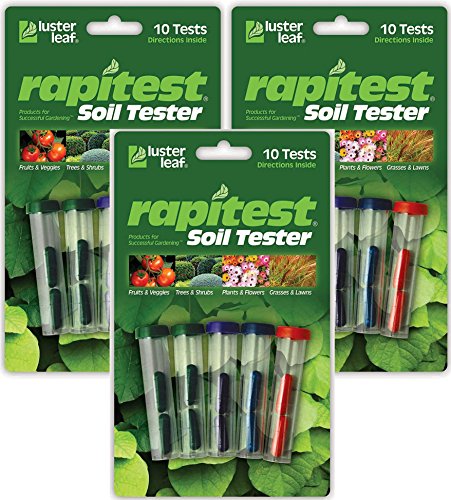
Luster Leaf Pack of 3 Rapitest Soil Testers

Luster Leaf Rapitest Digital Soil Test Kit

Luster Leaf Rapitest Soil Test Kit
Taking A Closer Look At The Options
Soil temperature is the silent gatekeeper of every spring garden, and this analog thermometer reads it directly at root depth. The stainless steel probe sinks 6.5 inches into the bed, long enough to dodge the surface chill that tricks shallow tools. The dial face shows recommended soil temperature ranges for several common plant varieties, so you are not just getting a number, you are getting context. Compared with the chemistry kits later in this list, this one asks nothing of you except patience while the needle settles.
For most home growers, the value here is the early-season decision support: knowing when tomatoes can really go out, when pea seeds will sprout, and when the soil has finally warmed past the danger zone. You will not get pH or moisture from it, so think of it as a companion rather than a replacement for the testing kits below.
Real-World Strengths
- Six-and-a-half-inch probe reaches the root zone where germination actually happens
- Top-reading dial means no bending or crouching to check the number
- Printed plant reference on the face ties temperature directly to variety needs
- No batteries or reagents, so it stores easily between seasons
Things To Consider
- Provides temperature only, so it pairs with another Rapitest tool for full soil data
- Glass lens can be sensitive to rough handling in a crowded garden tote
At A Glance
Right Fit For
Cool-season growers and vegetable gardeners who want to time transplanting with confidence.
Look Elsewhere When
You need pH and nutrient data alongside temperature, in which case the Rapitest Soil Test Kit for Gardens, Vegetables, Flowers and Lawns covers the broader picture.
This is the kit most home gardeners picture when someone says soil test, and it remains a sensible default. It runs twenty tests in total, broken into five each for pH, nitrogen, phosphorus, and potash, which covers the four numbers that drive most fertilizer decisions. The patented color comparator system uses physical chambers rather than a printed chart, which reduces the eye-strain guessing that trips up many beginners. Compared with the smaller pH-only kit in slot four, you trade simplicity for breadth.
It fits vegetable beds, flower borders, and lawn patches, so most households only need this one kit for the whole property. The honest read is that color matching is still subjective, and people with mild color vision differences may find the NPK comparisons harder than the pH one.
Positive Takeaways
- Covers pH plus the three macronutrients (nitrogen for leaves, phosphorus for roots, potash for blooms) in one box
- Physical comparator chambers make the pH read more reliable than printed swatches
- Twenty tests stretch across a full growing season for a typical home garden
- Suitable for vegetables, flowers, and lawns, so you do not need separate kits per area
Honest Caveats
- Color comparison still takes practice, especially for the nitrogen and potash shades
- Reagent capsules are single-use, so once a refill is gone, the kit is done
Quick Facts
Made For
Households with mixed plantings who want a single kit that covers vegetables, flowers, and lawn in one season.
A Better Fit Elsewhere
Growers who only care about pH should consider the simpler Luster Leaf 1612 Rapitest pH Soil Tester, which focuses purely on acidity.
Moisture is the variable most beginners over-correct, and this little analog probe keeps the answer honest. Push it into the soil and the meter tells you whether to water now or wait a day, no batteries, no capsules, no interpretation. It works indoors and out, which makes it the rare tool that follows you from windowsill herbs to patio containers. The bigger chemistry kits on this list measure different things entirely, so this one plays a different role rather than a competing one.
It shines in tight spaces where chemistry kits feel like overkill, like window boxes, hanging baskets, and grow bags. The honest read is that the dial is small and the color bands are narrow, so reading in dim indoor light can be a small challenge.
What Stands Out
- Battery-free design means it never dies mid-season
- Instant reading helps prevent the over-watering that kills most container plants
- Compact probe works in window boxes, hanging baskets, and grow bags where kits cannot reach
- Switches easily between indoor houseplants and outdoor containers
Points To Note
- Small dial face can be tricky to read in low light
- Measures moisture only, so it complements rather than replaces a chemistry kit
Best Suited To
Container gardeners and indoor plant owners who tend to overwater and want a quick second opinion before reaching for the watering can.
Swap It Out When
You grow primarily in ground beds and need pH plus nutrient data, in which case the Luster Leaf 1601 Rapitest Soil Test Kit is the more useful starting point.
When the only question is acidity, this ten-test pH kit keeps things uncomplicated. You mix a soil sample with water, drop in a capsule, shake, and compare the resulting color against the included chart. The reference list covers pH preferences for over 450 plants, which removes the guesswork of deciding what number you are actually aiming for. It costs less than the full NPK kit, and for many home growers that is all the soil data they ever really needed.
Compared with the broader Rapitest Soil Test Kit in slot two, this one ignores nitrogen, phosphorus, and potash entirely. For a first-time gardener, that is usually a fair trade, because pH is the variable that most often explains why a plant struggles despite regular feeding.
The Helpful Details
- Ten pH tests cover multiple beds or several rounds across a single bed
- Over 450-plant reference list means you can match the reading to what you are actually growing
- Capsule system is faster to run than liquid reagent kits
- Lower price than the full NPK kit, useful for new gardeners testing the waters
Practical Considerations
- Skips nitrogen, phosphorus, and potash entirely, so nutrient gaps stay hidden
- Color reading still depends on your eye and the room lighting
Whose Shelf It Belongs On
New gardeners who want to learn pH basics before committing to a full nutrient panel.
Reach For A Different Pick When
You suspect a nitrogen or potassium deficiency rather than a pH problem, in which case the Luster Leaf Rapitest Digital Soil Test Kit reads all four parameters with less color guesswork.
The 1601 is the original Rapitest home kit, and it still earns its place on the shelf. It tests pH alongside nitrogen, phosphorus, and potash, the same four parameters as the larger kit in slot two, in a smaller package aimed at modest beds and a single growing season. The instructions walk you through the capsule process step by step, which matters more than people expect when chemistry terms like macronutrients come up.
Where the slot-two kit spreads twenty tests across the year, this one concentrates on a tighter window, so it suits a gardener who wants to test in spring, amend, and call it done. The honest read is that the included test count is modest for a large property, so multi-acre growers may run out by midsummer.
Strengths Worth Knowing
- Covers pH plus all three macronutrients in a compact box
- Beginner-friendly instructions explain the chemistry in plain language
- Lower test count keeps the upfront cost approachable for first-time users
- Good fit for raised beds, small plots, and single-season testing plans
Worth Bearing In Mind
- Lower total test count than the twenty-test kit, so plan accordingly for large properties
- Color reading requires good lighting and a careful eye for the subtler shades
Feature Snapshot
Who Will Love This
Raised-bed and small-plot gardeners who want a complete pH and NPK panel without overspending on tests they will not use.
Where A Sibling Pick Shines
Households testing larger vegetable gardens across the full season get more mileage from the twenty-test Rapitest Soil Test Kit for Gardens, Vegetables, Flowers and Lawns.
Shared gardens run into the same problem every spring: one tester, four curious neighbors. This three-pack sidesteps the bottleneck by giving each household or each section of a large plot its own kit. Each set still runs the same pH plus NPK panel, and the color-coded test tubes help you keep samples straight when multiple people are testing at once. Compared with the twenty-test kit, you are trading depth for breadth across users.
It is also the budget play for community gardens, school programs, or families who simply want a kit in the shed, one in the kitchen junk drawer, and one for the in-laws down the road. The trade-off is that each individual kit is leaner, so heavy users on a single property may outgrow it before the season ends.
Where It Excels
- Three kits cover multiple households, garden sections, or a teaching setup
- Color-coded tubes reduce mix-ups when more than one person is testing
- Each kit still covers pH, nitrogen, phosphorus, and potash
- Lower per-kit cost than buying three individual Rapitest kits separately
Factors To Consider
- Per-kit test count is lower than the twenty-test option, so a single heavy user may need more than one
- Requires storing three separate sets of capsules and tubes
Who Should Grab It
Community gardeners, families with multiple plots, and educators running a classroom or club soil-testing project.
Not Your Match When
You are a single gardener with one large property to test, where the twenty-test Rapitest Soil Test Kit for Gardens, Vegetables, Flowers and Lawns makes more sense.
For gardeners who squint at the color chart and second-guess every reading, this digital reader changes the workflow. The same capsule-based chemistry runs the test, then the unit reads the resulting color with LED light and an optical sensor, so you press a button and get a result in seconds. That removes the main frustration people report with the manual kits, the moment of hesitation between two similar shades.
It still costs more than the analog 1601, so it earns its place when you test often or share results with family and want consistent readings. The reference data covers pH preferences for over 450 plants and includes guidance on adjusting pH, which closes the loop between measurement and action.
Where It Delivers
- LED-based color reading removes the eye-strain guessing that frustrates users of manual kits
- Push-button result in seconds speeds up testing across multiple beds
- Over 450-plant pH reference and adjustment guidance built in
- Reads the same pH, N, P, and K parameters as the analog 1601
Some Limits To Know
- Higher upfront cost than the purely analog kits
- Still depends on consumable capsules, so running out still means repurchasing
Feature Card
Perfect Match For
Gardeners who test multiple times a season and want consistent readings without second-guessing the color chart.
Consider Something Else When
You only need a handful of tests each year, where the analog Luster Leaf 1601 Rapitest Soil Test Kit is the more economical route.
Sometimes the simplest kit description is the most useful one. This Rapitest Soil Test Kit uses a water-extraction process with the familiar capsule system, paired with the unique color comparators that have defined the line for years. The streamlined kit works well for repeat seasonal testing, where you have already calibrated your eye to the color bands and just need a fresh box of capsules.
It is a sensible pick for the gardener who has outgrown a single pH test but does not need the full twenty-test count. The honest read is that the documentation leans on the proven Rapitest workflow, so experienced users will find it familiar rather than revelatory.
Advantages To Know
- Water-extraction method is consistent with other Rapitest kits, easing repeat use
- Capsule system keeps the workflow tidy compared with liquid droppers
- Color comparators are designed to be more readable than printed charts
- Good middle ground for seasonal gardeners who test a few times per year
Practical Considerations
- Test count sits below the twenty-test kit, so high-volume users may need to repurchase mid-season
- Like all color-based kits, results depend on lighting and the individual reading the swatch
Built With In Mind
Returning Rapitest users who already know the workflow and want a fresh, familiar kit for the next round of seasonal testing.
Skip It When
You want a digital read to remove color guesswork, in which case the Luster Leaf Rapitest Digital Soil Test Kit is the smoother experience.
Choosing The Right Soil Test Tool For Your Garden
Match the Tool to the Question You Need Answered
Start by identifying what is actually going wrong, or what you want to get right. Yellowing leaves with regular feeding usually points to a pH problem, while stunted growth on new transplants often comes back to soil temperature. A moisture probe helps over-waterers, a thermometer helps early-season planters, and a chemistry kit helps anyone serious about fertilizer decisions. Picking the right tool for the question saves you from buying four kits when one would have answered it.
Decide Between Analog and Capsule Systems
Analog meters, like the moisture probe, give instant readings with no consumables, which is great for daily checks but limited to one measurement type. Capsule kits cover pH and NPK but require fresh reagents and a careful color comparison, and the digital version exists for users who want the same panel without the color guesswork. For most homes, one of each category covers every reasonable situation.
Think About How Often You Will Actually Test
A one-time spring check has different requirements than a season-long monitoring routine. Casual gardeners can run a few tests per year with a basic kit, while serious growers and community plots benefit from a larger test count or a multi-pack. Storage matters too: capsules have a shelf life, and an over-stocked kit may expire before you finish it.
Consider Skill Level and Patience
Chemistry kits reward a careful eye and a steady hand, while analog tools reward someone who just wants a quick yes-or-no answer. Beginners usually do better starting with the pH-only kit, learning what the numbers mean, then expanding into the full NPK panel once the workflow feels familiar. Jumping straight to the digital reader makes sense when you already know what pH and NPK mean and just want cleaner results.
Key Considerations Across These Picks
Pitfalls Shoppers Hit
The most common mistake is grabbing the biggest kit assuming more tests equal better results, when the real issue is matching the test to your soil type. Another trap is skipping pH testing entirely and fertilizing blindly, which can lock nutrients out of the soil no matter how much you feed. Reading the color swatch in poor lighting also leads to false readings that send gardeners chasing problems that do not exist.
Where The Extra Money Goes
Spending up on the digital reader mainly buys consistency: the LED sensor takes the eye out of the equation, which matters if more than one person in the household runs the tests. The higher-tier kits also tend to bundle a larger plant reference library and adjustment guidance, so the extra cost is paying for context as much as hardware. For most gardeners, the upgrade is worth it once you have run a basic kit and know you will keep testing.