Garden beds and houseplants have a quiet secret weapon: the byproducts of the sea. Fish-based fertilizers deliver amino acids, micronutrients, and trace minerals in forms plants absorb quickly, making them a staple for growers chasing lush leaves, strong roots, and steady blooms. The right pick depends on whether you want a gentle weekly feed, a one-time soil boost, or something that covers both lawn and vegetable patch in a single bottle.
This list rounds up ten fish and marine-based fertilizers worth your attention this year. Each one brings something different to the table: dry meals that build long-term soil health, liquid concentrates that mix into a watering can, and bloom-boosting bone meals packed with phosphorus. The notes below focus on real-world use, honest trade-offs, and which gardener each pick makes sense for.
Your Options, Compared

Neptune’s Harvest Crab & Lobster Shell Plant Food 5-3-0 (4 lb)

Neptune’s Harvest Seaweed Plant Food 0-0-1 (Quart)

Down To Earth Organic Bio-Fish 7-7-2 (5 lb)

The Grow Co Organic Fish Fertilizer (1 Gallon)

Coast of Maine Fish Bone Meal Soil Amendment

Down To Earth Organic Fish Bone Meal 4-12-0 (25 lb)

Neptune’s Harvest Fish & Seaweed Fertilizer 2-3-1 (36 oz)
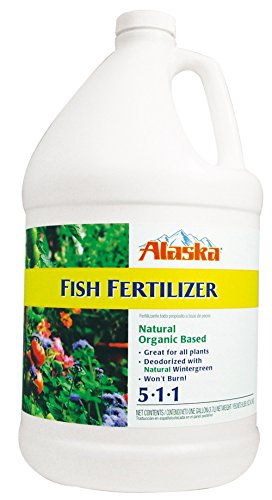
Alaska Fish Emulsion Fertilizer 5-1-1 (1 Gallon)
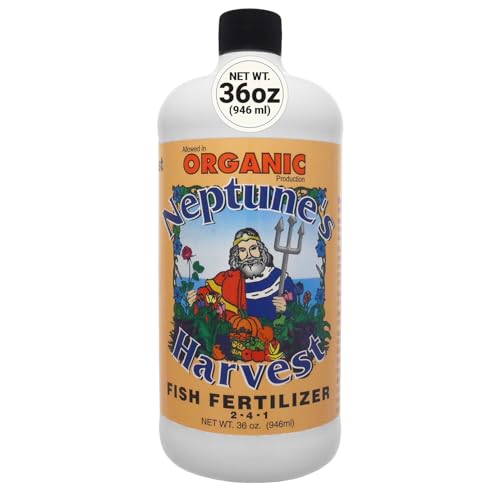
Neptune’s Harvest Fish Fertilizer 2-4-1 (Quart)

Down To Earth Organic Bat Guano 7-3-1 (0.25 lb)
What Each Pick Brings To The Table
For gardeners who think in seasons rather than weeks, a dry shell meal like this one fits a different rhythm than a liquid feed. Neptune’s Harvest grinds crab and lobster shells into a coarse powder that breaks down slowly in the soil, releasing calcium, magnesium, and nitrogen over months rather than days.
The 5-3-0 ratio tilts toward early-season vegetative push, while the shell-based calcium helps strengthen cell walls in tomatoes, peppers, and container citrus. The 4 lb resealable bag handles a small backyard bed or several houseplants without dominating a storage shelf.
Positive Takeaways
- Slow-release calcium supports stronger plant cell structure over a full growing season
- OMRI-listed organic profile suits certified-organic and chemical-free gardens
- Resealable 4 lb bag keeps the meal fresh between applications
- Improves long-term soil biology rather than delivering only a quick green-up
Things To Consider
- Coarse texture means you may want to crumble clumps by hand before top-dressing
- Slower visible response than liquid fish options if you’re correcting a deficiency now
Who It Suits Best
Patient gardeners building soil in vegetable beds, perennial borders, or around fruit trees over multiple seasons.
Look Elsewhere When
The Grow Co Organic Fish Fertilizer suits you better for fast-acting liquid feeding during active growth.
Where fish fertilizers carry the macronutrients, seaweed concentrates carry everything else. Neptune’s Harvest pulls Ascophyllum nodosum (Norwegian kelp) from cold North Atlantic waters and turns it into a thin brown liquid that pours easily into a watering can.
The 0-0-1 label tells you there’s no nitrogen, phosphorus, or potassium to speak of, which sounds useless until you read the fine print. This bottle holds over 60 trace minerals, amino acids, and natural growth hormones that support root development and chlorophyll production. For most gardeners, that makes it a companion product rather than a standalone meal.
The Practical Payoff
- Wide spectrum of trace minerals that synthetic NPK fertilizers leave out
- Natural cytokinins and auxins encourage stronger root branching
- Liquid form mixes into foliar sprays and watering cans without clogging
- Safe to use alongside other liquid fish fertilizers for a complete feeding program
Honest Caveats
- Alone, it won’t push leafy growth the way nitrogen-rich feeds do
- Distinct marine aroma lingers for a few hours after application
Right Fit For
Growers who already feed with NPK and want a micronutrient boost for stressed seedlings, transplants, or container plants.
Skip It When
You’d rather feed once with everything included, in which case Neptune’s Harvest Fish & Seaweed Fertilizer 2-3-1 covers both jobs in a single bottle.
The 7-7-2 NPK ratio is the headline here: equal nitrogen and phosphorus, with a smaller kick of potassium for resilience. Down To Earth builds that profile from fish meal and fish bone meal, two marine byproducts that feed soil microbes while feeding your plants.
The 5 lb bag covers a mid-sized vegetable plot or a season’s worth of heavy feeders like tomatoes, squash, and corn. Unlike the Neptune’s Harvest shell meal, Bio-Fish moves faster, so it works well as a mid-season side-dress when growth stalls.
What Earns Its Place
- Equal nitrogen and phosphorus drive both leafy growth and flower formation at once
- Fish meal plus bone meal feeds soil biology, not just plants
- OMRI-listed, so it fits organic gardening protocols
- Dry format stores cleanly on a garage shelf without refrigeration
Points To Note
- Strong fish aroma during and shortly after watering
- May attract curious pets or local wildlife if applied heavily to surface beds
Built With In Mind
Vegetable gardeners running multiple raised beds or row crops who want one organic fertilizer to handle flowering and fruiting stages.
A Better Fit Elsewhere
Coast of Maine Fish Bone Meal fits better when bloom-stage phosphorus is your single priority and you don’t need the nitrogen push.
Liquid fish fertilizers vary widely in how they’re processed, and the cold-press method The Grow Co uses keeps the heat-sensitive nutrients intact. The whole fish gets refined fresh, so amino acids, vitamins, and natural oils survive into the bottle you pour from.
The 1 gallon jug handles serious volume: think large vegetable patches, established fruit trees, or several seasons of foliar feeding for a small farmette. Sustainability is part of the pitch too, since the process uses parts of the fish that would otherwise go to waste.
Real Benefits
- Cold-press refinement preserves amino acids and vitamins that heat-processed emulsions lose
- 1 gallon volume suits gardeners feeding multiple beds or fruit trees weekly
- Sustainable sourcing puts fish byproducts to work instead of landfill
- Liquid form dilutes quickly for foliar sprays or root drenches
A Few Limitations
- Larger jug means a heavier lift and dedicated storage space
- Strong scent during mixing unless diluted outdoors or near open windows
Best Suited To
Home growers with established vegetable gardens, berry patches, or young fruit trees who feed consistently through the growing season.
Consider Something Else When
Alaska Fish Emulsion Fertilizer 5-1-1 makes more sense for indoor houseplants or balcony containers, where the smaller volume and gentler concentration match the routine.
Key Product Details
When flowering is the goal and nitrogen would only produce leaves, a phosphorus-heavy bone meal becomes the right tool. Coast of Maine’s version delivers 18% calcium and 13% phosphorus, a ratio geared toward bud set, root growth, and bloom quality.
The granular texture behaves differently from liquids. It won’t wash away when you water and feeds the soil slowly, which suits outdoor ornamentals, flowering shrubs, and fruiting vegetables that need steady nutrition through their bloom stage.
Benefits That Matter
- High phosphorus ratio supports large, vivid blooms and strong fruit set
- Calcium content strengthens cell walls in tomatoes, reducing blossom-end rot risk
- Granular form resists leaching from rainfall or overhead watering
- Slow nutrient delivery feeds plants consistently over weeks
Softer Spots
- Won’t green up nitrogen-starved foliage on its own
- Slow release means you won’t see overnight correction in deficient plants
Made For
Rose growers, tomato gardeners, and anyone tending bud-heavy ornamentals through their flowering window.
Not Your Match When
Down To Earth Organic Bio-Fish 7-7-2 fits better when you need equal nitrogen and phosphorus across leafy and flowering crops.
Feature Snapshot
Some gardeners need a sack, not a bag. Down To Earth’s 25 lb fish bone meal is sized for serious ground: small orchards, large perennial borders, or community garden plots. The 4-12-0 ratio keeps the focus squarely on phosphorus, with a modest nitrogen base for early growth.
Like other Down To Earth products, this one is OMRI-listed, so it fits organic certification protocols. As a marine alternative to traditional steamed bone meal, it gives you a similar phosphorus profile from fish-derived sources instead of land-animal bone.
Notable Upsides
- 25 lb bulk size handles large plantings or multi-season feeding programs
- OMRI-listed for organic production systems
- Marine-based alternative to steamed bone meal for phosphorus
- Granular texture spreads easily with a broadcast spreader
Where It May Fall Short
- 25 lb bag takes dedicated dry storage space
- Low potassium means you’ll need a separate source for fruit-finishing stages
Whose Shelf It Belongs On
Homesteaders, small-orchard owners, and gardeners managing large perennial beds who plan to feed by the bucket.
Swap It Out When
Coast of Maine Fish Bone Meal makes more sense for a small backyard garden where the smaller bag fits your routine.
Core Details
For gardeners who want one bottle rather than two, Neptune’s Harvest combines 75% fish with 25% seaweed into a single 2-3-1 liquid. That blend pulls macronutrients from the fish and trace minerals from the kelp, covering most feeding scenarios in one pass.
The 36 oz bottle suits small to mid-size gardens, indoor plant collections, and mixed beds where vegetables, flowers, and shrubs all need the same feed. Compare that to The Grow Co’s larger gallon, which targets more dedicated feeding routines.
A Strong Showing
- Fish-and-seaweed blend covers macronutrients and trace minerals together
- 36 oz bottle fits standard garden sheds without dominating space
- 2-3-1 ratio supports vegetative growth, flowering, and root development
- Works for vegetables, flowers, fruit trees, lawns, and indoor plants
Trade Offs
- Strong fish aroma at mixing time
- Smaller volume than gallon options for high-volume feeding
Who Should Grab It
Mixed gardeners running a bit of everything: a few raised beds, some ornamentals, maybe a couple of fruit trees, all on the same routine.
Another Choice May Suit
Neptune’s Harvest Seaweed Plant Food 0-0-1 fits better when you already feed with NPK and just need a micronutrient boost on top.
Alaska Fish Emulsion has earned its place on garage shelves for decades, mostly because it doesn’t punish mistakes. The 5-1-1 NPK ratio leans nitrogen-heavy, which makes it gentle on tender roots and forgiving when you accidentally over-dilute.
Natural wintergreen deodorizer cuts the worst of the marine scent, so mixing indoors or near living areas is less of an event. The gallon concentrate dilutes into a lot of feeding solution, which stretches the value across many watering cycles.
Standout Benefits
- Won’t burn plants, even at slightly stronger-than-recommended dilutions
- Wintergreen additive masks the worst of the fish smell during mixing
- 5-1-1 ratio suits leafy growth on vegetables, herbs, and houseplants
- Works on indoor and outdoor plants with the same dilution rate
Minor Gripes
- Low phosphorus limits its use during heavy bloom or fruit-set stages
- Packaging graphics vary between production batches
Perfect Match For
New gardeners, apartment growers with indoor collections, and anyone who wants a safe starter fertilizer that tolerates the learning curve.
Reach For A Different Pick When
Coast of Maine Fish Bone Meal suits you better during bloom-heavy stages when phosphorus matters most.
Feature Snapshot
The difference between a fish emulsion and a fish hydrolysate comes down to processing. Hydrolysates use a cold enzymatic process that preserves proteins, amino acids, enzymes, and natural growth hormones, all of which would degrade under heat. Neptune’s Harvest uses that approach, sourcing from North Atlantic Ocean fish.
The 2-4-1 ratio tilts toward phosphorus, which supports flowering and fruiting without abandoning nitrogen entirely. The quart bottle suits gardeners running tight routines across vegetables, flowers, and fruit trees without buying in bulk.
Practical Pluses
- Cold enzymatic process keeps enzymes and growth hormones intact
- 2-4-1 NPK supports both leafy growth and flower formation
- Quart bottle suits gardeners who feed weekly rather than by the gallon
- Works across vegetables, flowers, fruit trees, and lawns
Factors To Consider
- Quart volume runs out fast on large vegetable gardens
- Distinct marine scent during mixing and shortly after application
Made For
Gardeners feeding a varied backyard, from tomatoes to roses to young fruit trees, who want one nutrient-dense liquid across the board.
Where A Sibling Pick Shines
The Grow Co Organic Fish Fertilizer covers you better when gallon-scale feeding is the routine and cold-press processing matters most.
Strictly speaking, bat guano isn’t a fish fertilizer, but it rounds out this marine-focused list as a complementary nitrogen source. The 7-3-1 NPK profile puts nearly a third of the nitrogen in water-soluble form, which plants absorb fast.
The 0.25 lb package sizes the product for compost teas, foliar feeds, and small-batch mixing rather than broadcast application. Down To Earth keeps the OMRI listing for organic production, which keeps it in step with the rest of this list’s certifications.
The Case For It
- Water-soluble nitrogen delivers quick uptake for hungry greens and seedlings
- Small package suits compost tea and foliar feed mixing
- OMRI-listed for organic growing systems
- Concentrated formula stretches a little powder across many uses
Potential Drawbacks
- Not a fish-based product, so it lacks the amino acid profile of marine options
- Small package size means frequent repurchasing for large gardens
Who Will Love This
Compost-tea brewers, foliar-feed enthusiasts, and gardeners who want a fast-acting nitrogen boost alongside their fish fertilizer routine.
Look Elsewhere When
Alaska Fish Emulsion Fertilizer 5-1-1 fits better when you want a single liquid fertilizer that handles the full feeding cycle without mixing.
Factors To Consider When Choosing Fish-Based Fertilizers
The first thing to sort out is the format. Concentrates and emulsions mix quickly into watering cans and foliar sprayers, but they carry a stronger scent during application. Dry meals and bone meals trade that scent for slower release, which suits long-term soil building more than rapid corrections. If your feeding routine leans toward weekly liquid feeds, a concentrate earns its keep. For one-time bed preparation or seasonal top-dressing, dry meals often make more sense.
The second thing to weigh is the NPK ratio. The three numbers (nitrogen, phosphorus, potassium) tell you what each product actually delivers. A 5-1-1 like Alaska Fish Emulsion tilts heavily toward leafy growth, while a 2-4-1 or 4-12-0 like the bone meals pushes flowering and fruiting. Picking the wrong ratio means lots of green leaves and disappointing blooms, or vice versa.
Third, think about scope. A quart or 36 oz bottle handles a small urban garden; a gallon covers a serious vegetable plot; a 25 lb bag suits small orchards or community gardens. Buying too much invites storage headaches and reduced freshness. Buying too little means constant reordering.
Key Considerations Across These Picks
Mistakes Worth Dodging
The most common slip is treating fish fertilizer like synthetic NPK. Concentrates need heavy dilution, sometimes a tablespoon per gallon, and overdosing can stress plants even when the bottle promises a gentle profile. Start at the lower end of the recommended range and increase only if growth lags.
Another trap is ignoring the format. Liquid fish and dry bone meal serve different timelines. Liquid gives quick uptake for active growth; dry meals build soil over months. Picking one to do the other’s job leads to wasted product and unmet expectations.
When Paying More Pays Off
The premium tier in this category usually buys you better sourcing and processing. Cold-process hydrolysates retain enzymes that heat-processed emulsions lose. OMRI-listed products carry certification costs that show up in the price but matter for organic growers. Larger bulk bags cost less per pound but lock up storage space and capital until you use them. For most gardeners, mid-sized packaging hits the sweet spot between value and freshness.
Frequently Asked Questions
How often should fish fertilizer be applied? Most liquid concentrates work well on a weekly to biweekly schedule during active growth, while dry meals and bone meals are typically applied once at planting or as a seasonal side-dress.
Can fish fertilizer be used on indoor houseplants? Yes, diluted liquid concentrates like Alaska Fish Emulsion work well on indoor plants, though the marine scent is more noticeable in enclosed spaces.
Do fish fertilizers have a strong smell? Most liquid fish products carry a noticeable odor for a few hours after application, though wintergreen-deodorized versions and seaweed-only options are milder.
Are fish fertilizers safe for organic gardening? Many products on this list carry OMRI listing, which approves them for certified organic production systems.
What’s the difference between fish emulsion and fish hydrolysate? Emulsions use heat processing that strips some nutrients, while hydrolysates use cold enzymatic methods that preserve amino acids, enzymes, and growth hormones.
The Takeaway
Fish and marine-based fertilizers cover more ground than most gardeners expect, from gentle weekly feeds to slow-release soil amendments. The right pick depends on your garden’s size, your feeding routine, and whether you want quick green-up or long-term soil building. Start with one product that matches your dominant crop, then layer in a second for whatever your first pick can’t cover.