A patch of soil only stays friendly for so long. Spring weeds push through, last year’s beds crust over, and the ground you cleared in March hardens into something closer to concrete by July. A good cultivator turns that fight into something almost rhythmic: push, lift, crumble, repeat. The right one depends on your bed size, your soil type, and whether you want a quiet hand tool or a powered helper.
Your Options, Compared

Fiskars Ergo Garden Cultivator Hand Tool
Fiskars Xact Hand Cultivator Stainless Steel
IncwBo 12” 13.5-AMP Electric Roto Tiller Cultivator

Garden Guru Hand Cultivator Rake Tiller Tool

Nisaku Kumade Gohondume 5-Tine Claw Rake
DeWit 5-Tine Hand Cultivator Boron Steel

Coopvivi 4-Tine Adjustable Hand Tiller

IncwBo 12” 8.5 AMP Corded Garden Tiller

IncwBo 12” 10.5-AMP Electric Roto Tiller

IncwBo 12” 15-AMP Electric Roto Tiller
Meet The Standout Selections
A short, light cultivator you can toss in a garden tote and forget about until the weeds show up. The polished aluminum head resists rust and keeps weight low, so an afternoon of breaking up crusty topsoil rarely turns into an arm workout. For a small flower bed or a tight herb patch, this is the kind of tool you reach for without thinking.
You won’t power through a full vegetable plot with it, and that’s fine. It earns its place as a grab-and-go companion to bigger tools, doing the detail work where powered tillers can’t reach.
Bright Spots
- Rust-resistant aluminum head keeps the tool light for overhead reaching
- Ergonomic non-slip grip reduces wrist strain on longer sessions
- Hang hole at the end of the handle simplifies shed storage
- Compact 3x4x13 inch footprint suits raised beds and container gardens
Honest Caveats
- Aluminum bends more easily than steel in compacted or rocky ground
- Best for shallow cultivation, not deep soil turning
Who It Suits Best
Homeowners with small flower beds, herb planters, or container gardens who want a low-effort hand tool for quick weeding between established plants.
Reach For A Different Pick When
Anyone dealing with compacted clay or rocky ground will find the heavier-duty Garden Guru Hand Cultivator Rake Tiller Tool a better match.
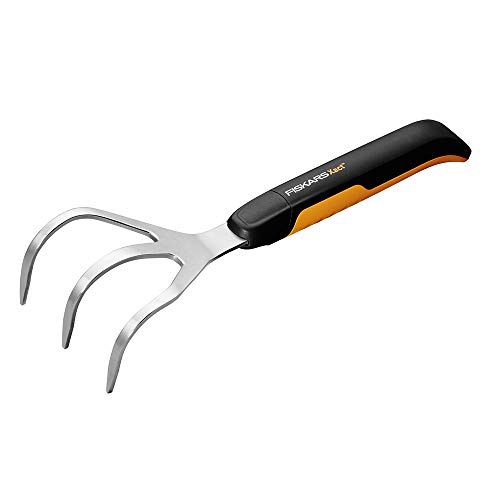
Where the Ergo favors lightness, the Xact leans into control. Deep, curved tines hook into the soil rather than skating across it, pulling up weeds with roots intact rather than slicing them off at the surface. The stainless steel head shrugs off damp mornings, and the weighted handle shifts balance toward the working end so each stroke feels planted.
Compared to the Ergo cultivator above, this one asks more from your grip but gives back cleaner weed removal and a sturdier feel under load.
The Good Stuff
- Curved tines lift weeds with root systems attached for cleaner removal
- Stainless steel head resists corrosion through wet seasons
- Multiple grip positions accommodate different hand sizes and angles
- Weighted handle improves balance during sustained weeding sessions
- Strong fastened connection between head and handle limits wobble
Trade-Offs To Consider
- Sold in a pack of four, which may be more than a single gardener needs
- Slightly heavier than entry-level hand cultivators
At A Glance
Made For
Gardeners with persistent tap-root weeds who want a tool that pulls rather than cuts, and who don’t mind a bit of extra heft for cleaner results.
Skip It When
Shoppers looking for a single, lighter cultivator for occasional use may prefer the standalone Fiskars Ergo Garden Cultivator Hand Tool.
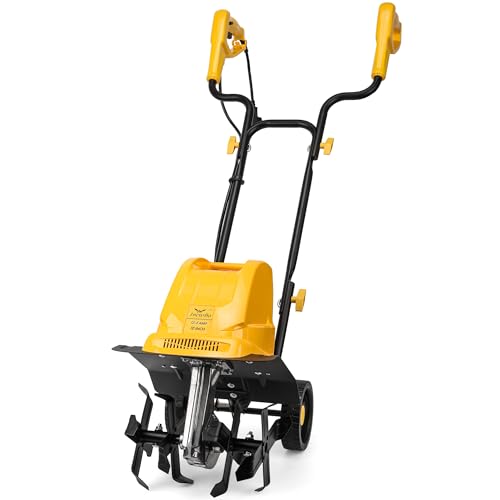
The first powered entry in this list, and a sensible middle step if you’ve outgrown hand tools. The 13.5-amp motor turns four steel tines across a 12-inch swath, breaking new ground or refreshing an established bed without the gas-engine maintenance of larger tillers. A metal baffle helps contain debris so you’re not chasing dirt clods down the row.
This is where the roundup shifts from arms to amps. After two compact hand tools, the IncwBo brings real ground-turning power to mid-size plots.
A Few Highlights
- 13.5-amp motor handles compacted soil that resists hand tools
- 12-inch tilling width covers garden rows in fewer passes
- Push-button start removes the pull-cord learning curve
- Metal baffle controls debris throw during operation
Small Caveats
- Corded design limits reach to outdoor outlet proximity
- Heavier than hand cultivators, so storage and transport need planning
- Less suited to delicate weeding around established plants
Whose Shelf It Belongs On
Homeowners preparing mid-size vegetable plots or refreshing raised beds each season who want powered help without committing to a gas model.
Look Elsewhere When
Someone tending container gardens or small flower beds will find the Fiskars Ergo Garden Cultivator Hand Tool far less hassle.
A three-tine hand cultivator aimed at the soil conditions that punish lesser tools. High-carbon steel tines bite into clay and rocky ground where aluminum alternatives would bend, and the rust-resistant coating helps the tool survive damp sheds and wet spring mornings. The ergonomic handle softens what would otherwise be a punishing grip.
If the Fiskars Ergo cultivator is the light everyday option, this is the heavier, more aggressive sibling for the soil that fights back.
Where It Excels
- High-carbon steel tines handle clay and rocky ground without bending
- Rust-resistant finish extends tool life in humid storage
- Three-tine design balances strength with reasonable ground coverage
- Ergonomic handle reduces hand fatigue during tougher sessions
Things To Consider
- Heavier than aluminum hand tools, which adds to session fatigue
- Less refined finish than premium options like the DeWit below
Right Fit For
Gardeners with tough, rocky, or clay-heavy soil who need a hand tool that won’t flinch when the ground gets stubborn.
A Better Fit Elsewhere
Anyone working lightweight potting soil in containers will get more value from the lighter Fiskars Ergo Garden Cultivator Hand Tool.
The claw-shape you sometimes see in Japanese gardening films: five sharp tines curving inward like a hand raking through soil. The Japanese carbon stainless steel prongs cut into compacted topsoil and rake out weeds in one motion, while the wooden handle keeps the whole tool feeling balanced rather than tool-heavy.
Unlike the broader cultivators above, this one asks for precision over coverage. It shines in tight spaces where a wider tool would damage nearby roots.
What Stands Out
- Five claw-style tines cultivate and weed in a single motion
- Carbon stainless steel resists corrosion and holds a working edge
- 4.75-inch working width reaches between plants without collateral damage
- Wood handle provides a natural grip feel during extended use
Points To Note
- Smaller working width means more passes in open beds
- Sharp tines require careful storage away from children and pets
Best Suited To
Gardeners maintaining compact raised beds, borders, or tightly planted vegetable plots who need precision over raw coverage.
Swap It Out When
Someone preparing larger open plots will get more ground covered per session with the powered IncwBo 12” 13.5-AMP Electric Roto Tiller Cultivator.
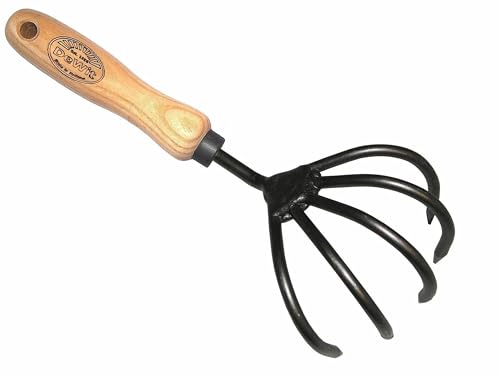
A hand cultivator built more like a piece of equipment than a garden accessory. Tempered boron steel tines take a serious edge and hold it, while the ash hardwood handle absorbs shock instead of transferring it to your wrists. At 11 inches long, it lands in the middle ground between short hand tools and long-handled stand-up options.
Compared to the Garden Guru above, this is the step up in materials and finish. You pay for longevity rather than features.
What Helps Most
- Tempered boron steel resists bending in aggressive soil
- Ash hardwood handle dampens vibration during heavy use
- Compact 11-inch length fits raised beds, borders, and containers
- Aggressive tine geometry pulls debris and weeds efficiently
Worth Bearing In Mind
- Premium materials command a higher entry price than basic hand tools
- Short handle means bending or kneeling during extended sessions
- Heavier than budget hand cultivators
Feature Snapshot
Perfect Match For
Long-term gardeners who want a durable tool they won’t replace next season and who appreciate traditional craftsmanship over disposable alternatives.
Not Your Match When
Casual weekend gardeners may find the budget-friendly Garden Guru Hand Cultivator Rake Tiller Tool covers their needs without the higher spend.
A long-handled hand cultivator with an adjustable shaft, which sounds modest until you realize it spares your back during a full afternoon of weeding. The four-tine head breaks compacted soil and pulls deep weeds without forcing you onto your knees, and the high-carbon steel construction handles rougher ground than the shorter hand tools above.
Where the DeWit stays compact and hands-on, this one extends your reach so you can stand up while you work.
What Earns Its Place
- Adjustable long handle reduces bending and kneeling during sessions
- High-carbon steel tines break compacted soil effectively
- Four-tine design balances strength with manageable weight
- Rust-resistant finish supports outdoor storage
Some Limits To Know
- Longer handle sacrifices the precise control of shorter tools
- Heavier than compact hand cultivators, so maneuverability drops
- Adjustable joint may collect soil over time and need cleaning
Key Product Details
Built With In Mind
Gardeners with back or knee concerns who want the soil-turning power of a cultivator without constant bending or kneeling.
Where A Sibling Pick Shines
For tight raised-bed work where a shorter tool maneuvers better, the Nisaku Kumade Gohondume 5-Tine Claw Rake offers more precision.
The lightest powered tiller in the IncwBo range, and a sensible first step if you’ve never run an electric cultivator before. The 8.5-amp motor covers a 12-inch swath at up to 8 inches deep, which handles most home garden prep without the intimidation factor of bigger machines. Push-button start, no fuel mixing, no choke to learn.
This is the lower-amperage cousin to the 13.5-amp model reviewed earlier. Less raw power, but easier to handle for newcomers.
The Case For It
- Lower amperage makes the tool manageable for first-time users
- 12-inch tilling width matches the larger IncwBo models for row coverage
- Push-button start eliminates fuel and pull-cord complications
- Lighter frame than higher-amperage siblings for easier transport
Less Ideal Details
- Struggles in very compacted or rocky soil compared to higher-amperage models
- Corded design requires outdoor outlet access and extension cord planning
Who Should Grab It
First-time powered-tiller shoppers who want a manageable entry point without committing to a heavy-duty machine.
Another Choice May Suit
Anyone with established heavy-soil gardens will benefit from the extra torque in the IncwBo 12” 13.5-AMP Electric Roto Tiller Cultivator reviewed above.
The middle child of the IncwBo electric lineup, sitting between the gentle 8.5-amp starter and the brawnier 13.5 and 15-amp models. The 10.5-amp motor offers enough torque to break established beds without the arm-fatigue factor of the heavier units, and the same 12-inch tilling width keeps coverage consistent across the family.
You trade some raw power for easier handling, which makes this a thoughtful upgrade path as your garden expands.
Notable Upsides
- 10.5-amp motor offers more torque than entry-level corded tillers
- Consistent 12-inch tilling width matches the rest of the IncwBo line
- 8-inch tilling depth handles most home garden preparation
- Manageable weight for gardeners who find heavier tillers tiring
Factors To Consider
- Corded reach limits where you can work in the yard
- Not as aggressive as the 13.5-amp and 15-amp siblings in packed soil
Quick Facts
Who Will Love This
Gardeners with established home plots who want a step up from the beginner model without jumping straight to the heaviest option.
Consider Something Else When
Those tackling brand-new, never-broken ground will get faster results from the IncwBo 12” 15-AMP Electric Roto Tiller Cultivator covered next.
The top-tier corded option in the IncwBo range, and a serious machine for gardeners who measure their plots in rows rather than pots. The 15-amp motor pushes through compacted soil that would stall lesser tillers, and the steel-angled tines replace as they wear, extending the tool’s working life across multiple seasons.
It carries more weight than the 10.5-amp model reviewed above, but trades that for genuine ground-turning authority on larger plots.
Noteworthy Benefits
- Highest-amperage corded motor in the IncwBo lineup tackles compacted soil
- Replaceable steel-angled tines extend tool life across seasons
- 12-inch tilling width matches the rest of the family for consistent coverage
- Push-button start keeps operation simple despite the larger motor
Where It May Fall Short
- Heavier than lower-amperage siblings, requiring more effort to maneuver
- Overkill for small flower beds or container gardens
- Corded reach still constrains where you can operate
The Right Fit
Homeowners with larger vegetable plots or repeated seasonal tilling who want corded-electric simplicity without sacrificing the torque to break new ground.
Not Your Match When
Anyone maintaining small flower beds will get more satisfaction from a lightweight hand cultivator like the Fiskars Ergo Garden Cultivator Hand Tool.
Choosing Manual and Powered Cultivators That Fit Your Garden
A cultivator earns its place by matching your soil, your bed size, and how often you reach for it. Hand tools reward frequent, low-effort sessions; powered tillers trade effort for coverage. Knowing which trade-off matters most to you shapes the rest of the decision.
Hand Tool vs. Powered Tiller
Hand cultivators work best in established beds where you’re loosening, weeding, and aerating between plants. They cost less, store in a corner of the shed, and ask nothing of an outlet. Powered tillers earn their keep when you’re breaking new ground, refreshing a full bed each season, or covering ground faster than your arms can manage. The dividing line usually comes down to plot size and how compacted your soil gets by midsummer.
Tine Design and Material
Tine count affects coverage and strength. Three tines concentrate force into tight spaces; five tines spread the load across more ground per stroke. Carbon steel and boron steel resist bending in clay or rocky conditions, while aluminum stays light but flexes under heavy loads. Stainless steel sits between the two on weight and durability, with the added bonus of corrosion resistance for damp storage.
Handle Length and Ergonomics
Short handles give you leverage and control for precision weeding. Long handles save your back during longer sessions but sacrifice fine control around delicate plants. Adjustable handles bridge the gap, letting you shift posture as the work changes. Soft-grip or contoured handles reduce wrist strain during repeated strokes, especially in heavier soils.
Power and Coverage in Electric Models
Amperage signals how aggressively a corded tiller can dig. Lower amps handle soft, previously worked soil; higher amps push through compacted or never-tilled ground. Tilling width determines how many passes a bed requires, and tilling depth affects how thoroughly you can prepare a seedbed. Match these numbers to your plot size rather than chasing the highest spec sheet.
Key Considerations Across These Picks
Mistakes Worth Dodging
Choosing a cultivator by raw power rather than plot size often leads to a tool that’s too heavy or too aggressive for the work at hand. Equally common is buying a hand cultivator with too few tines for compacted soil, then blaming the tool when the ground doesn’t budge. Match the tool to the soil: clay and rocky ground want steel and fewer-but-thicker tines; loose, frequently worked soil handles lighter aluminum fine.
Where The Extra Money Goes
Premium cultivators spend your money on materials that hold up: boron steel instead of stamped steel, hardwood handles instead of molded plastic, replaceable tines instead of one-piece construction. These choices extend tool life across decades rather than seasons. For occasional gardeners, the upgrade rarely pays back; for daily users, the upgrade pays for itself in fewer replacements and more comfortable sessions.