A clean edge is the kind of detail most people only notice when it is missing. The grass creeps onto the walkway, mulch spills into the lawn, and what was a tidy yard last weekend looks ragged by Wednesday. Manual edger tools solve that without the noise, fuel, or cord drag of a powered machine, and they reward a little patience with a sharper, more intentional line.
The eight picks below cover the range most homeowners actually need: half-moon step-on edgers for classic straight runs, serrated blades for root-filled beds, and long-handle options that spare your back. Each one was chosen because its construction, geometry, or ergonomics solves a specific edging problem, not because it tries to be everything at once.
A Fast Comparison Of The Options

Radius Garden 25602 Pro-Lite Carbon Steel Edger (Green)
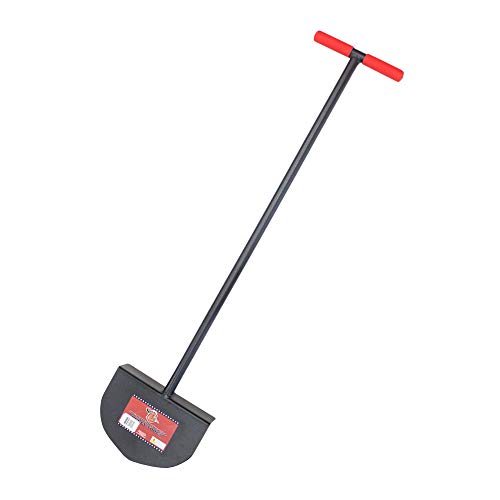
BULLY TOOLS 12-Gauge Manual Lawn Edger (38″)

Garden Weasel Edger-Chopper Long Handle

Garden Weasel Edge Chopper

Root Slayer RS226 Serrated Garden Edger
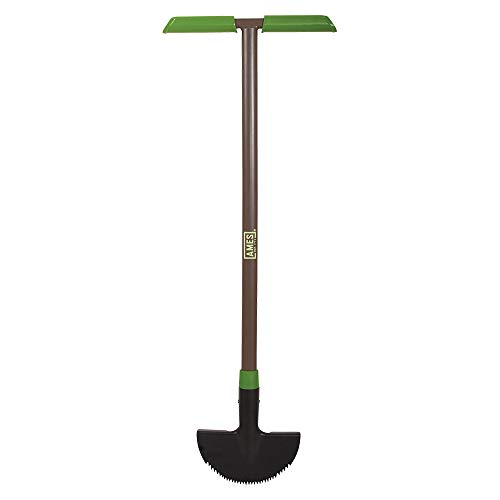
AMES 2917200 Saw-Tooth Border Edger (39″)
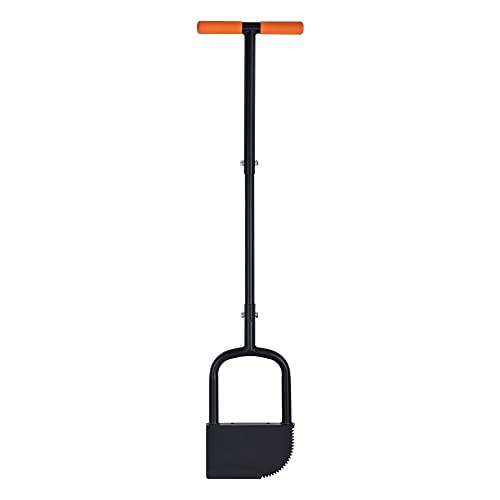
BARAYSTUS Height Adjustable Garden Edger

Fiskars 38″ Manual Long-Handled Steel Edger
More On The Choices That Made The List
The Radius Garden 25602 Pro-Lite is the kind of edger you reach for on a Sunday morning when the lawn has crept over the walkway by an inch and the trimmer just smears the line. Its half-moon carbon steel blade cuts a defined slice along sidewalks and driveways, and the lightweight build means you can carry it around the whole yard without arm fatigue. For most home lawns with soft to medium soil, the geometry of the blade gets the job done with a foot press and a backward pull.
Compare that to heavier contractor-style edgers further down the list: the Radius feels nimble, almost shovel-like, and rewards a more relaxed pace. The bright green handle also makes it hard to lose in tall grass, which is a small thing that matters in spring.
Practical Pluses
- Carbon steel blade holds a working edge well in average suburban soil
- Lightweight frame reduces fatigue on long border runs
- Half-moon shape makes it easy to cut clean curves around a tree or mailbox
- Quiet, zero-fuel, zero-cord operation fits any neighborhood schedule
- Simple step-and-pull motion has a short learning curve
Honest Caveats
- Less effective in heavy clay or rocky fill without pre-soaking the day before
- Smaller foot platform than contractor-grade options, so deeper cuts require extra effort
- Carbon steel can surface rust if left damp; a wipe-down after use is widely recommended
Built With In Mind
Homeowners with small to mid-size lawns and soft soil who want a simple, dependable edger for routine touch-ups.
Consider Something Else When
If your soil is rock-hard or full of roots, the Root Slayer RS226 Serrated Garden Edger will slice through where this one stalls.
The BULLY TOOLS 12-gauge manual lawn edger is what you grab when the half-moon shovels in your shed feel like they are bending before they bite. The head is built from 12-gauge steel, which is meaningfully thicker than the lighter residential models, and the T-style grip gives you two-handed leverage for pressing down. In real-world use, that combination matters most on dry, compacted edges where a thinner blade just skids along the surface.
Against the Radius Garden model above, this one trades finesse for raw cutting force. It is heavier, less dainty, and aimed at people edging along a long driveway or cutting sod for a new bed. If you have ever tried to edge a curb that has been ignored for two seasons, this is the tool that finally gets through.
The Value In It
- 12-gauge steel head resists flex when driven into hard ground
- T-style grip supports a stronger two-handed push from taller users
- Useful beyond edging: sod cutting and shallow trenching for irrigation lines
- 38-inch length saves the lower back on extended runs
Small Limitations
- Heavier than typical homeowner edgers, which may tire smaller users faster
- Coarse finish can stick to wet clay; cleaning between passes is often needed
Who It Suits Best
Homeowners with compacted or clay-heavy soil, plus anyone re-edging a neglected border or cutting sod for a new project.
A Better Fit Elsewhere
If pure edging is your goal and your soil is average, the Garden Weasel Edge Chopper offers a noticeably lighter feel with similar results.
The Garden Weasel Edger-Chopper with the long handle is a versatile workhorse, particularly useful for those long garden-bed borders where a short edger means constant repositioning. Its channeled blade design helps the soil and sod lift out cleanly rather than packing into the cutting surface, which is a detail you appreciate after thirty feet of edging. The T-grip handle is comfortable, and the long shaft keeps your back out of the work.
Where the BULLY TOOLS option above is built for raw force, this Garden Weasel leans toward control and repeatability. Think of it as the edger for the person who wants a tidy yard every week, not just a one-time renovation.
A Few Strong Suits
- Channeled blade reduces soil sticking, so each cut pulls free cleanly
- Long handle reduces bending, helpful for anyone with back concerns
- Comfortable T-grip suits extended sessions around the yard
- Works across garden beds, patios, sidewalks, and trenches
Practical Considerations
- Not the right tool for dense roots; a serrated blade handles that job better
- Longer shaft can feel unwieldy in tight spaces between shrubs
Right Fit For
Homeowners maintaining longer perimeter edges who value clean, repeatable cuts over the course of a growing season.
Skip It When
For tight curves around mature trees or root-filled beds, the Root Slayer RS226 Serrated Garden Edger has the geometry to follow those contours.
The Garden Weasel Edge Chopper is the gentle introduction to manual edging. It weighs under four pounds, stands 38 inches tall, and arrives fully assembled, which is a small gift on the day you decide to finally tackle that creeping mulch line. The carbon steel blade is rust- and water-resistant, and the non-slip rubber grip keeps things controlled when your foot lands on the platform.
Compared with the Garden Weasel Edger-Chopper above, this one is shorter in stature and lighter in feel, aimed squarely at homeowners who want a tool that simply does the basics without ceremony. It is the kind of edger you leave by the back door all summer.
What Helps Most
- Lightweight frame (under 4 lb) is easy to carry and store
- Comfort footplate reduces strain during repeated cuts
- Carbon steel construction holds up to seasonal outdoor use
- Arrives ready to use, no assembly fuss
- Non-slip rubber grip improves control in damp conditions
Points To Note
- Less suited to deep cuts in heavy clay soil
- Foot platform is modest, so very tall users may want a longer-handle alternative
The Right Fit
First-time edger shoppers, casual gardeners, and anyone who wants a low-effort way to keep borders tidy through the season.
Reach For A Different Pick When
For taller users who want less bending during long sessions, the BARAYSTUS Height Adjustable Garden Edger offers two height settings.
The Root Slayer RS226 is the edger you bring out when the border is more root than soil. Aggressive serrated teeth along the blade and a sharpened inverted V tip are designed to dig into compacted ground and slice through roots that stop a smooth blade cold. In practical terms, that means you can define the edge of an established shrub bed without hauling out a saw or a powered tool.
Where the Radius Garden and Bully models aim for clean lawn-side edges, this one leans into landscaping work, defining older beds, and maintaining borders where woody roots have quietly taken over. The O-handle grip is wider than a classic D-handle, giving a more secure two-handed hold when you lean into a tough spot.
Everyday Advantages
- Serrated blade cuts through roots and sod without separate tools
- Inverted V tip penetrates compacted soil with less effort
- O-handle grip supports leverage and control during heavy pushes
- Narrow blade profile follows both straight and curved edges cleanly
- Useful for trenching small irrigation runs alongside regular edging
Things To Consider
- Heavier feel than smooth-blade models, so pace yourself on long runs
- Coarser teeth can tear a soft turf edge if you push too aggressively
Whose Shelf It Belongs On
Anyone managing established, root-filled beds, mature shrub borders, or the kind of neglected edge that laughs at ordinary edgers.
Where A Sibling Pick Shines
For straightforward lawn-to-sidewalk work in soft soil, the AMES 2917200 Saw-Tooth Border Edger is lighter and quicker on the feet.
The AMES 2917200 stands out for one simple reason: its arched, saw-tooth blade traces curves as easily as straight runs. Most half-moon edgers do a fine job along a sidewalk, then struggle the moment you ask them to follow a kidney-shaped bed. This one steps through that challenge with a blade geometry that suits irregular shapes, and the 39-inch shaft gives tall users a comfortable working height.
Against the Garden Weasel Edge Chopper above, the AMES trades a bit of weight for better curve control. It is the edger for someone designing a new bed rather than just maintaining an old one.
Notable Upsides
- Saw-tooth arched blade cuts both straight and curved lines
- 39-inch length suits taller gardeners who want less stooping
- Large step area helps drive the blade into compacted turf
- Creates a clean trench for mulch containment in addition to edge definition
Points To Keep In Mind
- Saw-tooth design is rougher on delicate turf than a smooth blade
- Not the best match for deep root cutting, where the Root Slayer excels
Best Suited To
Homeowners with curved beds, organic-shaped borders, and anyone designing a new landscaped layout.
Not Your Match When
If your beds are rectangular and your soil is soft, the Fiskars 38″ Manual Long-Handled Steel Edger is a more efficient everyday choice.
The BARAYSTUS Height Adjustable Garden Edger is built around a simple but overlooked problem: not everyone in the household is the same height. Two precise settings, 37 inches and 41 inches, let a shorter partner and a taller one both work without strain, and the soft non-slip T-grip keeps things comfortable during long edging sessions. The half-moon saw-tooth blade combines a sharp smooth edge with serrated teeth, and the 7.9-inch wide head covers more ground per pass than a typical edger.
Where most picks here are sized for one user, this one is sized for a household. It also adds a 10 to 180 degree trimming range, useful when you are edging around a tree or working soil at an angle.
The Practical Payoff
- Two height settings accommodate different users in one household
- Half-moon blade pairs smooth edge with serrated teeth for versatility
- Wide 7.9-inch head reduces the number of steps along a long border
- Soft non-slip T-grip reduces hand fatigue on extended use
- Flexible trimming angle helps around tree roots and irregular borders
Less Ideal Details
- Adjustment mechanism adds a small step before each session
- Wider head can be clumsy in tight gaps between plantings
Who Should Grab It
Households where multiple people share edging duties, or gardeners who want one tool that adapts to different jobs around the yard.
Look Elsewhere When
If only one person will ever use the tool and you want the simplest, lightest option, the Garden Weasel Edge Chopper is hard to beat.
The Fiskars 38-inch steel edger is the dependable workhorse to close out the list. The blade is welded 14-gauge hardened steel, paired with an 18-gauge steel handle, which gives it the kind of all-metal construction that shrugs off a decade of weekend edging. There is no wood to crack, no fiberglass to flex, and the large foot platform lets you drive the sharpened blade through dense turf with full body weight.
Compared with the Radius Garden model at the top of the list, this Fiskars is heavier, sturdier, and built for the long haul. It is the right choice for someone who would rather buy one good edger than replace a lighter one every few seasons.
Reasons It Performs
- Welded 14-gauge steel blade holds its edge through repeated use
- All-steel construction resists weather damage better than wood-handled tools
- Large step platform maximizes downward force without foot strain
- 38-inch handle reduces bending during regular maintenance
Room For Improvement
- Heavier than composite-handle models, which may matter for some users
- Smooth blade is less effective in root-heavy soil where serrated designs excel
Perfect Match For
Homeowners who want a single, durable edger to use year after year on a typical suburban lawn.
Swap It Out When
If your edging work includes dense roots or you want one tool that handles both soft turf and woody borders, the Root Slayer RS226 is the more versatile pick.
What Matters Most Before Choosing Manual Edger Tools
The right edger starts with your soil, not the brand. Soft, loamy soil rewards a lighter half-moon blade and a nimble feel, while clay-heavy or compacted ground demands thicker gauge steel and a wider step platform. If you skip that first question, you end up with a tool that bounces off the surface or one that crushes your wrists after twenty feet.
Blade shape is the next decision. A smooth half-moon edge produces the cleanest line on soft turf, especially along straight sidewalks. A saw-tooth or arched blade traces curves better and bites into neglected edges. Serrated teeth, like those on the Root Slayer, handle roots and sod but can rough up delicate lawn edges if used carelessly.
Handle length and grip style drive daily comfort more than people expect. Taller users benefit from 38 to 41 inch shafts, while shorter gardeners often prefer the lower end of that range. T-style grips support two-handed leverage, while O-handles improve grip security during heavy pushes. Match the grip to your usual edging posture, not the other way around.
Finally, think about the broader yard. A tool that only edges the front walkway is fine, but if you also plan to cut sod, trench a flower bed, or maintain mulch boundaries, an edger with channeled or reinforced blade geometry will save you from buying a second tool before summer ends.
Key Considerations Across These Picks
Common Shopping Slip Ups
The biggest mistake is buying for the lawn you wish you had instead of the lawn you actually have. Sleek lightweight models look appealing in a photo, yet can flex uselessly in clay. The opposite trap is over-buying on thickness and ending up with a tool that exhausts you before you finish the front path. A useful pre-purchase step is to dig a small test hole with a screwdriver; if it resists at two inches, prioritize blade thickness and a wide foot platform.
Where The Extra Money Goes
Stepping up in this category usually pays for thicker steel, welded construction, and better grip hardware. A 12-gauge head outlasts a 14-gauge one in rocky soil, and a welded steel handle outlasts wood through years of damp storage. The honest read is that for average yards, a mid-tier edger does the job, while tougher soil and longer sessions genuinely reward the upgrade.
Frequently Asked Questions
How often should you edge a lawn with a manual tool? For most homeowners, edging every two to three weeks during the growing season keeps the line crisp without overworking the soil. Active grass in spring may need weekly attention.
Can a manual edger cut through roots? Serrated blades like the Root Slayer RS226 are designed for that, while smooth half-moon models will skid off woody material. For occasional roots, a serrated edge is the practical choice.
Do manual edger tools require much maintenance? Keep the blade dry between uses and occasionally wipe it down to prevent surface rust. Sharpen the edge once or twice a season depending on soil type.
Are these tools suitable for seniors or people with back pain? Long-handle models with soft grips, like the Fiskars or BARAYSTUS, reduce bending and are widely regarded as back-friendly options.
Will a manual edger work in wet soil? Wet soil actually cuts more easily, but it also sticks to the blade. Plan for slightly more cleaning between passes and avoid working ground that is genuinely waterlogged.
Closing Remarks
The right manual edger depends on the soil under your feet and the shape of your beds. Lighter half-moon models handle weekly maintenance on soft ground, while serrated or heavier-gauge tools earn their place when roots, clay, or neglected borders enter the picture. Pick the geometry that matches your yard, and the lines will stay sharp without the noise of a powered machine.