You want a sharp edge along the sidewalk without firing up a loud engine, dragging a cord, or wrestling with batteries. Manual edgers deliver exactly that: a clean line between turf and pavement, powered by your foot and a long handle. The category splits into half-moon steppers for crisp cuts and wheeled rotaries for easier long runs, and the right choice depends on your soil, bed shape, and how much edging you actually do.
The Essentials At A Glance

Radius Garden 25602 Pro-Lite Carbon Steel Edger
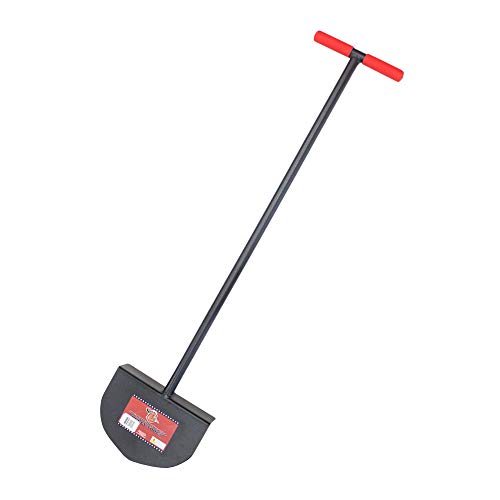
BULLY TOOLS 12-Gauge Manual Lawn Edger

Garden Weasel Edge Chopper

Root Slayer 22711 XL Serrated Garden Edger
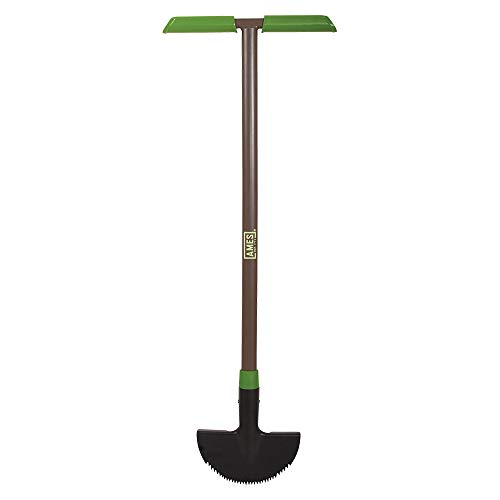
AMES 2917200 Saw-Tooth Border Edger
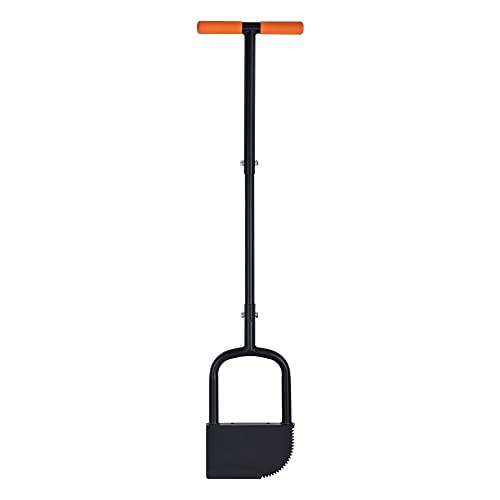
BARAYSTUS Height Adjustable Garden Edger

Fiskars 38″ Manual Long-Handled Steel Edger

Walensee Wheel Rotary Edger
What Each Pick Brings To The Table
A half-moon carbon steel blade on a sturdy shaft defines the classic manual edger, and this Radius Garden model leans into that format without overcomplicating things. The Pro-Lite build keeps weight manageable while the green grip gives you a comfortable anchor when you step down and pull back. For most home gardeners, this is the kind of tool that quietly disappears into the shed between spring and fall touch-ups.
You step on the foot platform, rock back on the handle, and the half-moon slices a clean vertical cut. That cut is what separates turf from walkway over the long run, and it works in tight curves where longer rotary tools struggle. Compared to the Garden Weasel Edge Chopper below, this one feels a touch more rigid in the blade, which helps in harder soils but asks for a firm foot.
Everyday Advantages
- Carbon steel blade holds a working edge through a full season of routine edging
- Classic half-moon shape excels at curves around island beds and tree rings
- Lightweight shaft reduces fatigue during longer edging sessions
- Quiet, zero-fuel operation suits early morning yard work without disturbing neighbors
- Simple construction means almost no maintenance beyond an occasional wipe-down
Things To Consider
- The carbon steel blade benefits from a light oil rub after use to discourage surface rust
- Half-moon cutting demands consistent leg effort, which may feel strenuous on packed clay
Made For
Homeowners with modest lawn-and-bed layouts who want a no-nonsense edger for monthly touch-ups.
Swap It Out When
The Walensee Wheel Rotary Edger suits you better when your edging runs stretch along a long driveway and you want rolling motion instead of stepping.
Where the Radius Garden Pro-Lite feels light and friendly, this Bully Tools model feels like work. The 12-gauge steel head shrugs at compacted soil, and the T-style grip gives your hand a confident anchor when you lean into a stubborn edge. Landscapers and homeowners with neglected borders tend to gravitate toward this one.
You can trench sod with it, slice through roots that wandered under the path, and reshape edges that have drifted into the walkway. The trade-off is weight, and over a long session your shoulders and forearms feel it. Compared to the AMES Border Edger covered later, this Bully Tools pick is the heavier, more aggressive sibling.
Benefits That Matter
- Heavy-gauge steel blade powers through compacted and root-laden soil
- T-style grip supports two-handed leverage for tough cuts
- Welded construction suits repeated commercial-style use
- Doubles as a sod cutter and shallow trencher for small irrigation jobs
Worth Noting
- Heavier head can wear you out during full-yard edging on a hot afternoon
- Less forgiving in tight curves where a lighter half-moon moves more freely
- Steel-on-steel contact warrants a dry storage spot to slow any surface oxidation
Who It Suits Best
Homeowners reclaiming overgrown edges and small-business landscapers who need a manual tool that holds up to daily work.
Reach For A Different Pick When
The Fiskars 38″ Manual Long-Handled Steel Edger fits you better if you want a lighter all-steel build that still feels substantial.
The Garden Weasel Edge Chopper lowers the intimidation factor for anyone who has never edged before. The carbon steel head rides on a non-slip rubber grip handle, and the 38-inch height puts the working end where most adults can use it without stooping. It arrives fully assembled, so you can walk outside and start cutting in minutes.
The half-moon style shines for defining borders around flower beds, separating shrubs from turf, and tidying the mulch line at the base of trees. At under four pounds, it is noticeably lighter than the Bully Tools model, which makes a real difference during a Saturday cleanup. Where it falls short is in dense, rooty soil, where a heavier tool simply outmuscles it.
A Few Highlights
- Lightweight carbon steel build reduces wrist and arm strain
- Non-slip rubber grip holds firm even with damp hands
- Pre-assembled out of the box for immediate use
- Versatile across bed edges, walkways, and mulch containment
Honest Caveats
- Lighter build struggles in hard-packed or root-heavy ground
- Carbon steel benefits from a quick dry-off after wet sessions to limit rust
Best Suited To
First-time edger owners and casual gardeners tidying existing beds rather than reclaiming overgrown borders.
Look Elsewhere When
The BULLY TOOLS 12-Gauge Manual Lawn Edger is the better call when your soil has gone hard and you need real cutting weight behind each step.
Extra-long shafts matter more than people expect, and the Root Slayer XL exists for gardeners who tower over standard-length edgers. The serrated tip doubles as a root saw, which is genuinely useful near established trees and shrub borders where shallow feeder roots keep wandering into the lawn.
The taller shaft means less bending, better leverage, and a more upright stance during long sessions. In soft to medium soil, the inverted V-shaped cutting tip leaves a sharp vertical edge that holds its shape for weeks. On the flip side, the longer handle can feel unwieldy in cramped corners where the shorter Garden Weasel handles more gracefully.
The Value In It
- Extended shaft reduces back strain for taller gardeners
- Serrated tip powers through shallow roots along mature beds
- Inverted V blade shape creates a clean, vertical cut edge
- Comfortable grip supports two-foot leverage on tougher sections
- Vibrant red finish stays easy to spot in tall grass or leaf cover
Points To Note
- Longer shaft can feel clumsy in tight corners and narrow side yards
- Serrated edge benefits from occasional cleaning to prevent debris buildup between teeth
Who Will Love This
Gardeners over six feet tall who want upright posture and the ability to slice through wandering roots along mature beds.
Consider Something Else When
The BARAYSTUS Height Adjustable Garden Edger is a smarter pick when household members of different heights share the same tool.
The arched, saw-tooth blade is what makes the AMES Border Edger feel different from the standard half-moon picks earlier in this list. That shape lets you cut clean curves and sweeping borders without sawing back and forth like a knife on a plate. Bed edges that wander organically around trees and shrubs are where this tool earns its keep.
The 39-inch shaft and T-grip give you a comfortable platform to push from, and the large step surface accepts a full boot when you need real force. It also cuts straight trenches when you want them, so the versatility is real rather than marketing fluff. Where the saw-tooth design loses ground is in fine turf, where a smoother half-moon leaves a tidier-looking slice.
Features That Help
- Arched saw-tooth blade cuts both straight lines and organic curves
- Large step area accepts a confident boot push
- 39-inch shaft suits a wide range of adult heights
- T-grip promotes two-handed control during longer cuts
A Few Limitations
- Coarser toothed cut looks slightly ragged next to a smooth half-moon slice
- Less efficient than a flat blade in hard, dry summer soil
Feature Snapshot
Right Fit For
Gardeners shaping curved bed borders and island plantings where straight-edge half-moon tools feel awkward.
Not Your Match When
The Radius Garden 25602 Pro-Lite Carbon Steel Edger is the cleaner choice for crisp lines along straight sidewalks and driveways.
Two height settings on a single shaft is a small detail that solves a real household problem. You set the BARAYSTUS to 37 inches for one family member and 41 inches for another, and both can edge the same yard without sore backs. The half-moon head combines a smooth edge with serrated teeth, so you can pivot between clean slices and root-cutting as the bed demands.
The soft T-shaped handle keeps your grip stable through repeated cuts, which matters more than it sounds after twenty minutes of edging. The 7.9-inch head covers slightly more ground per pass than narrower competitors, so long borders go faster. Where it asks for a trade-off is in pure cutting aggression, where the heavier Bully Tools head wins in dense clay.
The Practical Payoff
- Two height settings accommodate different household members
- Hybrid blade handles both smooth cuts and rooty patches
- Soft T-grip reduces hand fatigue during longer sessions
- Wide 7.9-inch head speeds up work along long borders
- Adjustable design stores at the shorter setting in tight sheds
Trade Offs
- Adjustable joint adds a small maintenance point compared to fixed-shaft tools
- Less aggressive in compacted soil than heavier commercial-grade picks
Whose Shelf It Belongs On
Multi-user households where adults of different heights share yard duties and want a comfortable, adaptable tool.
Skip It When
The Root Slayer 22711 XL Serrated Garden Edger is the better fit for a single tall gardener who wants extra reach without adjustable joints.
Welded steel from blade to handle is the kind of construction detail that separates an edger you replace every few years from one you hand down. The Fiskars model skips wood and fiberglass entirely, so there is no handle to crack, splinter, or loosen over time. The 14-gauge blade and 18-gauge shaft hold their shape through seasons of foot pressure.
The sharpened steel blade slices through dense turf cleanly, and the wide step platform lets you commit real body weight to each cut without slipping. In a side-by-side with the Garden Weasel Edge Chopper, this Fiskars feels noticeably more planted underfoot. The honest read is that the all-steel build costs a bit more in arm weight during very long sessions, but pays you back in longevity.
The Upside
- Welded all-steel construction outlasts wood-handled alternatives
- Wide step platform accepts confident foot pressure
- Sharpened blade produces clean vertical cuts in dense turf
- Long handle eliminates the kneeling and stooping of short tools
- Single-piece design sheds weather without cracking or warping
Points To Keep In Mind
- All-steel build adds noticeable weight versus hybrid-handled competitors
- Less effective than a rotary tool on very long, straight driveway runs
Who Should Grab It
Homeowners planning to use the same edger for many seasons and who value all-metal durability over lighter weight.
Another Choice May Suit
The Walensee Wheel Rotary Edger fits better when you want rolling motion along a long, straight sidewalk or driveway edge.
A wheeled rotary edger changes the physical argument entirely. Instead of lifting and stepping, you push the Walensee along the pavement edge and the serrated alloy steel blades do the cutting as the wheel rolls. The 69.7-inch stainless steel handle keeps you standing upright, and the cushion grip takes the sting out of extended pushing.
Long driveway edges and continuous sidewalk runs are where this design earns its place in the shed. You cover ground faster and your legs feel far less beaten at the end. The trade-off shows up in tight curves and detailed bed work, where a half-moon like the AMES Border Edger still gives you more control per inch.
Why It Works Well
- Rolling motion reduces leg fatigue on long, straight edges
- Chrome-plated alloy steel blades resist rust and stay sharp
- Adjustable stainless handle fits a range of adult heights
- Cushion grip softens hand pressure during continuous pushing
- Covers sidewalks, driveways, and open landscaping borders efficiently
Room For Improvement
- Less precise than a half-moon in tight curves and around obstacles
- Taller frame needs more storage space than shorter step-style edgers
Best Suited To
Homeowners with long driveway or sidewalk edges who want smooth rolling motion instead of repeated stepping.
Consider Something Else When
The Radius Garden 25602 Pro-Lite Carbon Steel Edger handles tighter bed curves and irregular borders with more precision.
Matching The Right Edger To Your Yard
Half-moon steppers excel at curves and detailed bed work, where control matters more than speed. Wheeled rotaries win on long, straight edges where covering distance matters more than fine carving. Soil type matters just as much as layout: soft loam forgives almost any tool, while compacted clay rewards heavier gauge steel and a confident foot.
For tall gardeners, longer shafts reduce back strain across long sessions. For households with multiple users, adjustable-height designs prevent the shorter user from stooping and the taller user from hunching. Blade shape is the other quiet decision: smooth half-moons leave the cleanest slice, while saw-tooth and serrated profiles trade a touch of finish for the ability to chew through wandering roots.
What To Weigh Before Choosing Your Edger
Mistakes Worth Dodging
Picking an edger by shaft length alone overlooks how often you actually edge, and a too-tall tool on a small yard wastes leverage. Ignoring soil type leads to disappointment in hard clay where lightweight half-moons bounce rather than bite. Skipping blade material is another common trap: carbon steel cuts beautifully but needs a quick dry rub, while coated and alloy options trade a touch of sharpness for lower maintenance.
Where The Extra Money Goes
Higher-tier edgers in this category tend to spend the budget on steel gauge, welded construction, and rust-resistant coatings rather than extra features. A thicker blade holds its edge through more seasons and resists flex under heavy foot pressure. Adjustable shafts and ergonomic grips add meaningful comfort when edging is a regular chore rather than a once-a-year task. The honest case for spending up is durability and reduced strain across many sessions, not dramatic cutting power gains.
Frequently Asked Questions
How often should you edge a typical lawn?
Most home lawns benefit from edging every three to four weeks during the growing season to keep turf from creeping across walkways and bed lines.
Are manual edgers actually faster than powered ones?
For small yards with short borders, manual tools often match the time of a powered edger once you factor in setup, fuel, and cleanup.
Can a manual edger cut through surface roots?
Saw-tooth and serrated blades, like those on the AMES and Root Slayer models covered here, handle shallow roots well, while smooth half-moons work better in root-free soil.
What is the best shaft length for edging comfort?
A shaft that lets you stand upright with a slight bend at the elbows tends to feel best, which is why adjustable and longer XL shafts exist for taller gardeners.
Do manual edgers need any maintenance?
A quick wipe-down after use and an occasional light oil on carbon steel blades is generally enough to keep these tools in good shape across many seasons.
Bottom Line
A good manual edger is the quiet, no-fuel way to keep your lawn looking sharp. Match the tool to your soil, your height, and the shape of your borders, and edging becomes a quick chore rather than a noisy weekend project. Any of the picks above will reward a few minutes of use with cleaner lines all season long.