A solid pair of leather gloves separates a Saturday well spent from a Monday nursing blisters. The right pair handles rose thorns, fence staples, firewood splinters, and the occasional concrete block without falling apart at the seams. Pulling weeds in wet clay, splitting kindling, hauling brush, or wrestling with a blackberry thicket all chew through cheap fabric gloves in a season. Leather stands up to that abuse, breathes better than rubber, and only gets more comfortable with use. The picks below cover warm-weather yard work, cold winter chores, thorny pruning, and heavy farm duty, so you can match the glove to the job instead of settling for whatever the shed already has.
The Picks In Brief

John Deere JD00009 Leather Gloves with Cowhide Palm

John Deere JD00008-XL Men’s Deerskin Driver Gloves

HANDLANDY Long Gardening Gloves for Men and Women
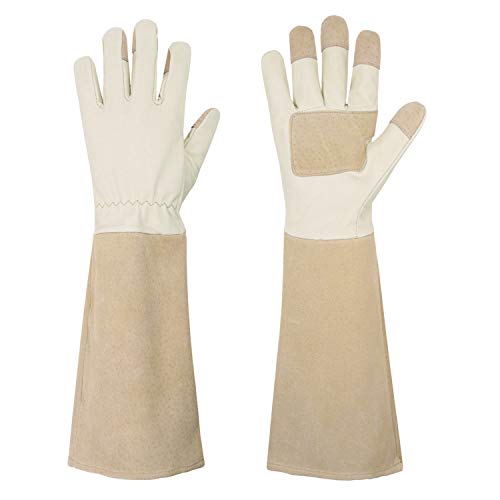
HANDLANDY Rose Pruning Gloves for Men and Women

toolant Winter Leather Work Gloves with 3M Thinsulate

toolant Winter Insulated Leather Work Gloves for Men

WORKPRO Long Leather Garden Gloves

WZQH Cowhide Leather Work Gloves with Cotton Lining

toolant Waterproof Winter Work Glove with 3M Lining
Meet The Standout Selections
For most weekend yards, the John Deere JD00009 Leather Gloves with Cowhide Palm hit the sweet spot between dexterity and toughness. A grain cowhide palm handles rake handles, shovel shafts, and fence wire without splitting at the seams, while the spandex back lets your hand flex instead of fighting the glove.
The hook and loop wrist keeps dirt and chips out during ground-level work, which matters more than people expect. Compared to the heavier deerskin option below, this pair trades a little softness for sturdier daily wear.
Practical Pluses
- Grain cowhide palm resists abrasion from rough tool handles
- Spandex back keeps the fit snug without pinching
- Hook and loop wrist adjustment blocks debris on the ground
- Comfortable for hours of general yard cleanup
Points To Keep In Mind
- Not designed for thorn-heavy pruning where a longer cuff helps
- Spandex back can snag on rough barbed wire or splintered wood
Key Attributes
Built For Weekend Yard Work
Homeowners handling raking, hauling, and general maintenance get a reliable all-rounder that does not overcomplicate the job.
Swap It Out When
Thorn-heavy pruning points you toward the HANDLANDY Long Gardening Gloves, which add the forearm coverage this pair lacks.
Top-grain deerskin gives the John Deere JD00008-XL Men’s Deerskin Driver Gloves a broken-in feel from the first wear. The leather is naturally soft, which makes the difference when you are pinching small parts, tying twine, or working a pair of pruning shears for an hour.
Water resistance helps on dewy mornings or while handling damp mulch, and the abrasion resistance means the palm holds up to rough lumber and wire. These run a step lighter than the cowhide option above, so they favor precision over brute workload.
What Earns Its Place
- Top-grain deerskin feels soft out of the package
- Water-resistant surface handles damp conditions
- Good dexterity for shears, ties, and detail pruning
Soft Spots
- Thinner leather than cowhide, so it wears faster under heavy abrasion
- Short cuff leaves the wrist exposed during digging
Right Fit For Detail Gardeners
Anyone doing more snipping, tying, and careful handling than heavy hauling appreciates the soft, precision-focused build.
Reach For A Different Pick When
Cold-weather work sends you toward the toolant Winter Leather Work Gloves, which layer in Thinsulate warmth the deerskin cannot match.
Reach matters when brambles push back, and the HANDLANDY Long Gardening Gloves for Men and Women deliver that with a gauntlet that runs well past the wrist. The cowhide body takes the bite out of rose thorns, raspberry canes, and yucca leaves before they reach skin.
For longer pruning sessions, the breathable leather helps keep hands from turning into a swamp. Owners commonly note that the cut runs small, so sizing up pays off here, especially if you plan to layer a thin liner underneath in cooler months.
Bright Spots
- Extended gauntlet shields forearms from thorns and scratches
- Cowhide construction balances durability with breathability
- Long enough to reach into dense shrubbery with confidence
Worth Noting
- Cut can run small, so consider sizing up before ordering
- Gauntlet length can feel clumsy during fine hand work like seeding
Who Should Grab It
Roses, blackberries, holly, and other thorn-heavy plants become much more approachable with full forearm protection.
Look Elsewhere When
General yard work without the thorn factor is better served by the John Deere JD00009, which is lighter and easier on the hands for short tasks.
For a shorter, more nimble option, the HANDLANDY Rose Pruning Gloves for Men and Women use pigskin leather that breathes well and softens after a wetting. The mid-length cuff handles rose work and berry canes without the bulk of a full gauntlet.
Puncture resistance from the natural pigskin keeps most thorns out, though deeper rose thorns can still find a way through under pressure. For the price, this is a strong everyday pruning companion.
Standout Benefits
- Pigskin breathes well and dries soft after getting wet
- Good puncture resistance for casual pruning
- Mid-length cuff protects wrists without restricting motion
Trade Offs
- Aggressive thorns can occasionally push through thin spots
- Not as armored as the longer HANDLANDY gauntlet above
Made For Casual Pruners
Home gardeners handling roses, berry bushes, and ornamental shrubs get solid protection without going full gauntlet.
Skip It When
Deep bramble cutting and overgrown fence lines call for the WORKPRO Long Leather Garden Gloves, which add heavier leather and a longer reach.
Cold hands shut down a chore fast, and the toolant Winter Leather Work Gloves with 3M Thinsulate line the inside with a thermal layer that holds warmth without making the glove feel like a snowshoe. Thinsulate is a synthetic insulation that traps warm air in thin fibers, so the gloves stay slim enough to grip a shovel or a chain handle.
Leather outside keeps the wind and the wet from sneaking in, and the build handles firewood, snow shoveling, and cold-morning fence repair without going stiff. Compared to the lighter deerskin option earlier, this one leans toward winter duty.
Real-World Strengths
- 3M Thinsulate insulation keeps hands warm without bulk
- Leather shell resists wind and light moisture
- Maintains grip on cold metal and wood handles
Points To Note
- Not fully waterproof, so extended wet exposure can soak through
- Insulation reduces fingertip dexterity for fine work
Technical Sheet
Whose Shelf It Belongs On
Anyone splitting wood, shoveling snow, or working the yard in shoulder seasons gets reliable warmth without giving up grip.
Consider Something Else When
Soggy, freezing conditions call for the toolant Waterproof Winter Work Glove, which adds a waterproof layer the Thinsulate-only model lacks.
The toolant Winter Insulated Leather Work Gloves for Men focus on sealing warmth in, and the ribbed cuff does the heavy lifting there. The knit-style wrist band hugs the arm so cold air and snow stop finding their way inside during shoveling or log hauling.
Insulation sits beneath the leather, and the fit leans a touch bulkier than the Thinsulate model reviewed above. For sustained outdoor work in genuine cold, that extra sealing is usually worth the trade.
Key Advantages
- Ribbed cuff blocks drafts and snow at the wrist
- Insulated build for sustained cold exposure
- Sturdy leather exterior for rough winter tasks
Honest Caveats
- Bulkier than the Thinsulate-only model, which limits fine motor work
- Not designed for soaking wet conditions
Best Suited To
Snow clearing, winter fence repair, and cold-morning farm chores suit this ribbed-cuff build best.
Where Another Pick Suits Better
If you need to actually stay dry in slush, the toolant Waterproof Winter Work Glove with 3M Lining offers a sealed shell this model skips.
When the job is genuine brush warfare, the WORKPRO Long Leather Garden Gloves earn their keep. Heavy-duty leather wraps the hand and forearm, taking the sting out of cactus, rose thickets, and blackberry tangles that would shred a standard glove in minutes.
Reinforced stitching holds the panels together under repeated pulling and grabbing. The trade is stiffness at first: the leather softens with use, but new pairs need a short break-in before they feel natural.
Reasons It Performs
- Heavy leather shields hands and forearms from serious thorns
- Long cuff protects wrists and lower arms during reach work
- Reinforced stitching stands up to repeated abuse
Things To Consider
- Noticeably stiffer than lighter gloves during the first few sessions
- Heavier build can feel warm during summer yard work
Feature Snapshot
Right Fit For
Anyone clearing overgrown lots, tackling mature rose bushes, or fighting through blackberry brambles benefits from this armored build.
Not Your Match When
Light weeding and bed prep is more comfortable in the John Deere JD00009, which trades armor for easier movement.
The WZQH Cowhide Leather Work Gloves with Cotton Lining step beyond the garden and into full farm and shop territory. Split cowhide resists abrasion from rough lumber, fence wire, and stone work, while a cotton interior lining softens the wear during longer sessions.
An adjustable wrist keeps debris from sneaking in during chain saw work or post-hole digging. The glove is built to cross over into welding, ranching, and light construction, which makes it a versatile second pair to keep on the bench.
Positive Points
- Split cowhide stands up to heavy abrasion and rough materials
- Cotton lining adds comfort during long sessions
- Adjustable wrist keeps dirt and chips out
Where It May Fall Short
- Heavier than purpose-built pruning gloves, so less agile for fine cuts
- Cotton liner can hold moisture if the glove gets soaked
Perfect Match For
Farm chores, ranch maintenance, and workshop tasks that swing between gardening and heavier mechanical work suit this multi-purpose build.
Look Elsewhere When
Pure rose pruning with long reach fits the WORKPRO Long Leather Garden Gloves better, since this pair lacks the extended cuff.
For genuinely cold and wet conditions, the toolant Waterproof Winter Work Glove with 3M Lining brings together the upgrades the other toolant models hint at. A waterproof layer sits between the leather shell and the 3M Thinsulate insulation, which keeps slush and freezing rain from reaching skin.
Touchscreen capability at the fingertips is genuinely useful when a call comes in mid-chore, and impact protection over the knuckles handles the occasional swung pipe or fumbled tool. Compared to the ribbed-cuff toolant pair earlier, this one adds sealing against water rather than just cold air.
What It Does Well
- Waterproof lining blocks slush and freezing rain
- Touchscreen fingertips let you skip removing the gloves for calls
- Knuckle impact protection handles rough winter work
- 3M Thinsulate insulation maintains warmth in a slim build
Practical Considerations
- Pricier than basic winter leather gloves
- Added layers reduce fingertip feel for delicate tasks
Feature Rundown
Who Will Love This
Anyone who works outdoors through wet winters, from farm chores to construction cleanup, gets the most from the full feature set here.
A Better Fit Elsewhere
Dry cold without the slush factor is well covered by the toolant Winter Leather Work Gloves with 3M Thinsulate, which cost less.
What Matters Most Before Choosing mens leather gardening gloves
Leather Type and How It Performs
Cowhide is the workhorse. It takes abrasion, holds up to rough tool handles, and tolerates getting wet better than most leathers. Deerskin feels softer from day one and gives better fingertip control, but it wears out faster on heavy friction jobs. Pigskin sits between them, breathing well and drying soft after a soak, which is why it shows up so often on rose pruning gloves. Pick based on the dominant task: heavy hauling wants cowhide, fine pruning likes deerskin, mixed bed work is comfortable in pigskin.
Cuff Length and Coverage
Wrist protection is more important than most people expect. A short cuff feels nimble, but a rose thorn or a stray nail easily catches the inside of the wrist. Gauntlet-length cuffs that reach the forearm save real skin during bramble and rose work. For general yard tasks, a hook and loop or knit wrist is enough. For aggressive brush, go long.
Fit, Sizing, and Break-In
Leather gloves only protect well if they actually fit. A loose pair slips and exposes fingertips, while a tight pair tears at the seams within a season. Many users find that several of these picks run small, so sizing up often pays off, especially if a thin liner is in the plan. Heavier leather gloves also need a short break-in before they reach peak comfort.
Climate and Season of Use
Cold-weather gloves layer in insulation like 3M Thinsulate, which traps warmth in thin fibers without adding the bulk of old-school padding. Wet climates need a waterproof inner layer, since leather alone will soak through eventually. For shoulder seasons and summer work, breathability matters more than warmth, and lighter leathers win out.
Key Considerations Across These Picks
Common Buying Slip Ups
The easiest mistake is grabbing the cheapest pair and assuming leather is leather. Stitching quality, leather grade, and cuff design all shift the price for good reason, and bargain gloves tend to fall apart at the seams first. Another common error is ignoring fit. People order their normal glove size, then end up with a pair that is too tight or too short in the fingers, especially on picks that run small. Always check the size chart, and when in doubt, size up. Finally, do not match a summer pruning glove to winter duty or expect a basic cowhide work glove to handle a blackberry thicket. Match the glove to the job, not the other way around.
Where The Extra Money Goes
Higher-tier gloves buy real upgrades rather than minor cosmetic changes. A waterproof liner, a touchscreen fingertip, and impact protection over the knuckles add genuine function for wet winter work, while a gauntlet cuff and reinforced stitching extend the lifespan during thorny sessions. The premium picks also tend to use thicker, more consistent leather that resists wear longer. If your yard throws serious challenges at you, those upgrades earn their keep quickly. For light weekend work, a simpler mid-tier pair usually makes more sense.
Frequently Asked Questions
How should mens leather gardening gloves fit?
They should feel snug across the palm without restricting finger movement, with about a quarter inch of material at the fingertip. A glove that slips at the base of the thumb will wear out faster and protect less.
Can leather gardening gloves get wet without damage?
Most can handle brief moisture, especially pigskin and treated cowhide, but soaking them shortens the lifespan. Wipe them down, reshape them, and let them air dry away from direct heat after a wet session.
How long do leather gardening gloves typically last?
With regular weekend use and reasonable care, a quality pair easily lasts a few seasons. Heavy farm or daily work shortens that, and thorn-heavy use will eventually wear through the fingertips first.
Is gauntlet length necessary for regular pruning?
For roses, brambles, and thorny shrubs, the forearm coverage is well worth it. For lawn edges, light weeding, and vegetable beds, a shorter cuff is more comfortable and gets the job done.
Do insulated leather gloves work well for phone screens?
A few models, including one of the toolant picks, include touchscreen-compatible fingertips. Most untreated leather blocks screen response, so this feature is worth looking for if you take calls or check maps while working.
Closing Remarks
The right pair of leather gloves quietly upgrades every chore, from pulling weeds to splitting wood. Match the leather and cuff to the work you actually do, check the fit before committing, and think about whether you need warmth, waterproofing, or thorn coverage for the season ahead. A little thought up front saves a lot of scratched-up hands later.