A solid pair of winter boots makes the difference between a quick, confident walk to the car and ten miserable minutes stamping slush off your socks. Cold feet drag down your whole mood, and wet feet drag down your whole day, so choosing the right pair matters more than most people realize. This lineup covers five distinct approaches: cozy shearling-lined casual boots, easy slip-on fur-lined options, tall heavy-duty rubber pull-ons, low-cut rubber chore boots, and grip-focused wide-foot hiker styles. Each one handles a different kind of winter, so matching the boot to your actual climate and routine is the real trick.
A Closer Look At The Lineup
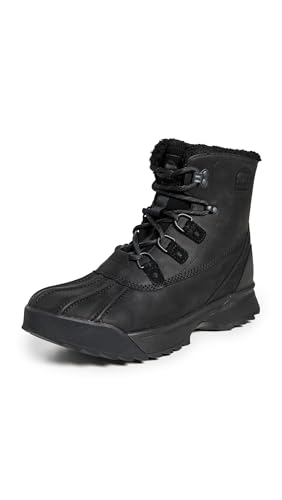
Sorel Scout 87’™ Lux Waterproof
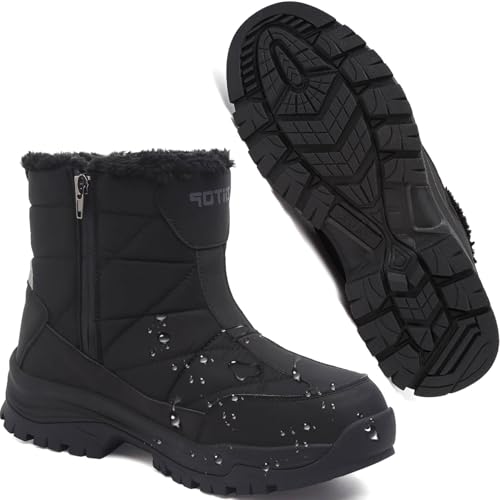
ziitop Snow Boots Waterproof Fur Slip On

MUCK Men’s Arctic Sport Tall Boot

Kalkal Men’s Waterproof Ankle Rain Boots

NORTIV 8 Men’s Wide Winter Boots Snow Ice
The Details Behind The Selections
If your winter looks like coffee runs, dog walks, and a quick shovel of the driveway before heading inside, the Sorel Scout 87’™ Lux Waterproof is built for that kind of day. The shearling cuff wraps the ankle in real insulation, which is what keeps the chill from creeping in when you’re standing still on a frozen curb. Unlike the MUCK Boot covered later, this one is a leather-and-fabric design rather than full rubber, so it breathes a bit better and looks more like a normal shoe in town.
The D-ring laces are a small but useful detail. They let you pull the fit snug at the top and loosen it fast when you slide the boots on with cold fingers. In our view, this is the pick for someone who cares about warmth and style in roughly equal measure, not someone clearing snow at dawn or wading through icy puddles at a job site.
Positive Takeaways
- Shearling collar adds genuine warmth around the ankle, where cold air usually sneaks in
- D-ring laces let you adjust the fit in seconds with numb fingers
- Looks more like a casual boot than a chunky snow pac, so it works for errands and weekend wear
- Leather-and-fabric construction tends to feel less clammy than full rubber during long wear
Things To Consider
- The shearling cuff can pick up road salt and slush, so a quick wipe-down after use keeps the cuff from staining
- Lower waterproof rating than a full rubber pull-on if you plan to stand in deep slush for long stretches
- Runs more as a casual boot than a true deep-snow workhorse
Who It Suits Best
You want warm, good-looking boots for everyday winter use in town, with enough grip for shoveling the front walk but not for full work-site duty.
Consider Something Else When
Pick the MUCK Men’s Arctic Sport Tall Boot instead if you spend long hours standing in icy water or need a boot that climbs past the calf.
The ziitop Snow Boots take the opposite approach from the Sorel Scout 87’™ Lux Waterproof. There’s no lace to fiddle with, no tongue to align, just a pull-on design lined with faux fur for warmth. That matters more than it sounds on a busy morning when you’re already wearing gloves and carrying a coffee.
The anti-slip outsole is the practical anchor here. Walkways get slick fast once temperatures drop, and a tread pattern that bites into packed snow and ice makes a real difference. You may find the fit slightly roomy if you’re between sizes, so a thicker sock helps lock your foot in place.
Where It Delivers
- Slip-on design saves time on hectic mornings or quick store runs
- Fur lining adds warmth without needing heavy thermal socks
- Anti-slip tread pattern helps on icy sidewalks and steps
Worth Noting
- Fur lining takes longer to dry out than the rubber shell of the Kalkal boot covered later, so airing them overnight matters
- Pull-on style is harder to fine-tune for narrow heels than a laced boot like the Sorel Scout 87’™ Lux
Quick Facts
Made For
You want a fast slip-on boot for short winter outings and don’t want to fuss with laces or heavy insulation.
Look Elsewhere When
Reach for the Sorel Scout 87’™ Lux Waterproof if you prefer a laced fit and a more refined casual look for errands and weekend plans.
The MUCK Men’s Arctic Sport Tall Boot is the heavy hitter of the lineup. Where the Sorel Scout 87’™ Lux is a casual boot for pavement and the ziitop is a quick slip-on, this one is a tall rubber pull-on designed for serious cold and wet conditions. The high shaft keeps snow from sneaking down into the sock, which is a small relief that becomes a big one after a full day outside.
The rubber shell takes the worst weather in stride. Slush, standing water, frozen ground, none of it gets through the material the way it would with a fabric upper. For people who work in barns, sheds, or on icy job sites, that kind of waterproof barrier is the whole point of the boot, not a feature buried on the spec sheet.
Strengths Worth Knowing
- Tall rubber shaft keeps deep snow and slush from reaching your socks
- Insulated build handles sub-freezing temperatures during extended outdoor time
- Pull-on design means no laces to freeze, snag, or come undone mid-task
- Sealed rubber exterior cleans off with a hose, which is rare among boots in this lineup
Trade Offs
- Bulkier than the Sorel Scout 87’™ Lux or ziitop, so it feels heavy on long walks
- Runs warmer than needed for short trips into a heated store, which can lead to sweaty feet
- Limited break-in period where the tall shaft can rub the back of the calf until the material softens
Best Suited To
You spend real time outdoors in deep cold, slush, or standing water and need a boot that shrugs off wet conditions without a second thought.
Skip It When
The Kalkal Men’s Waterproof Ankle Rain Boots are a better match for shorter yard chores where a tall boot feels like overkill.
The Kalkal Men’s Waterproof Ankle Rain Boots sit in a different slot than the rest of this list. Where the MUCK boot climbs up the calf, the Kalkal stops at the ankle, which makes them feel more like a tough work shoe than a full winter pac. That low profile is the whole point: less weight, less bulk, easier to move around in while doing chores.
The sports-style sole is the surprise here. Most low rubber boots rely on a flat tread that grips okay but feels stiff underfoot. A more athletic sole pattern bends with your foot and adds comfort on hard-packed ground. For raking leaves in the wet, hauling firewood, or pulling weeds in cold soil, this kind of feel matters more than people expect.
Positive Points
- Light, low-cut design reduces fatigue during repeated yard tasks
- Rubber shell keeps mud, dew, and shallow puddles out of the sock
- Insulated lining adds a layer of warmth without the bulk of a tall boot
- Sports-style outsole bends more naturally than flat rubber soles
A Few Limitations
- Ankle height lets deep snow pile in if you’re working through a heavy drift
- Less warmth than the MUCK Men’s Arctic Sport Tall Boot for full sub-zero days
- The lower shaft exposes your ankle to cold air, so thicker socks help
Feature Snapshot
Right Fit For
You handle wet yard and garden tasks through the colder months and prefer a lighter boot over a tall winter pac.
Reach For A Different Pick When
The MUCK Men’s Arctic Sport Tall Boot is the stronger choice when chores involve deep snow or long hours in standing water.
The NORTIV 8 Men’s Wide Winter Boots tackle a problem the other four don’t really solve: wide feet. Most winter boots run narrow through the toe box, which is fine for some shoppers and miserable for others. The wider last here gives toes room to spread, which sounds like a small detail until you’ve spent a January afternoon in a pinched forefoot.
The grip-focused outsole is the second selling point. Winter boots need tread that bites into packed snow rather than skating across it, and that’s exactly what the design targets. For people who walk long stretches on plowed sidewalks or trail edges, that grip is the difference between confident strides and slow, careful steps.
Real Benefits
- Wide last accommodates broad feet that feel cramped in standard boots
- Snow-and-ice tread pattern grips packed winter surfaces more confidently than flat soles
- Lace-up closure lets you fine-tune the fit across the instep and ankle
Honest Caveats
- Wide fit feels sloppy on a narrow foot, so stick with this if width is genuinely needed
- Lighter insulation than the MUCK Men’s Arctic Sport Tall Boot for true deep-cold work
- Fabric upper takes longer to dry than the rubber shells of the MUCK or Kalkal boots
Key Specs
Whose Shelf It Belongs On
You have wider feet, walk regularly on icy sidewalks, and want a lace-up boot that grips rather than slips.
A Better Fit Elsewhere
Pick the Sorel Scout 87’™ Lux Waterproof instead if you want a slimmer casual boot for shorter neighborhood walks.
What To Weigh Before Choosing Winter Boots
Match the Boot to Your Climate, Not the Catalog
A boot that handles a Chicago January is overkill in Atlanta, and a lightweight slip-on that works fine in Seattle will leave your feet numb in Minneapolis. Start with the realistic temperature and snow depth where you live, then match the boot from there. A waterproof membrane, which is a sealed inner layer that blocks water while letting some vapor escape, matters more in wet climates, while deep insulation matters more in dry, bitter-cold regions. The Sorel Scout 87’™ Lux and NORTIV 8 are good middle-ground picks, while the MUCK Arctic Sport Tall Boot covers the deep-cold end.
Waterproofing Beats Water Resistance Every Time
Water-resistant fabric sheds a light dusting but soaks through underfoot pressure in real snow. For winter boots, “waterproof” usually means a rubber shell or a sealed membrane, both of which keep slush from soaking your socks during a long day. If you spend any time walking through wet snow or slushy parking lots, prioritize a fully waterproof construction over a fabric upper with a water-repellent coating.
Soles and Tread Decide Your Safety
The warmest boot in the world does no good if you slip on the first patch of black ice. Look for rubber outsoles with deep, multi-directional lugs, the chunky bumps on the bottom that bite into snow and ice. The NORTIV 8 Wide Winter Boots target this directly, and the ziitop boot uses an anti-slip tread for the same reason. Smooth-soled casual boots tend to slide the moment conditions turn slick.
Fit and Warmth Are Linked
A boot that fits too tight restricts blood flow, and cold feet follow. A boot that’s too loose lets cold air swirl around your toes. Both are problems. Insulated boots with a slightly roomy toe box, especially over a thick wool sock, tend to outperform snug boots with the same insulation rating.
Key Considerations Across These Picks
Pitfalls Shoppers Hit
The most common mistake is buying for the coldest possible day rather than the typical day. A boot rated for arctic weather becomes a sweatbox during a normal grocery run, and damp feet get cold faster than dry ones. Another slip-up is trusting the look of the boot over the construction. A leather upper with a water-repellent spray is not the same as a sealed rubber shell or a waterproof membrane, and the difference shows up the first time you step in a deep puddle.
Where The Extra Money Goes
Higher-tier winter boots tend to spend the budget on three things: better waterproof membranes, more substantial insulation, and outsoles designed by people who actually walk on ice. Premium pricing often reflects longer-lasting construction too, with sealed seams and tougher uppers that survive multiple seasons. For people who wear their boots daily through rough conditions, that durability tends to pay for itself. For occasional wearers, a mid-range waterproof boot usually delivers the practical benefits without the extra cost.
Frequently Asked Questions
How should mens waterproof winter boots fit?
They should feel snug around the heel and instep while leaving enough room in the toe box to wiggle your toes. A tight fit cuts off circulation, which actually makes feet colder, so err slightly loose and fill the space with a proper wool sock.
Are rubber boots warm enough for snow?
Yes, when they’re insulated. A bare rubber boot blocks water but does little for warmth, which is why the MUCK and Kalkal models add an insulating layer. The rubber shell handles the wet, the insulation handles the cold.
Can mens waterproof winter boots handle ice?
Waterproofing and traction are separate features. A boot can be fully waterproof and still slip on glare ice, which is why outsole design matters. Look for deep, multi-directional lugs and rubber compounds rated for cold conditions.
How do I care for waterproof leather winter boots?
Wipe off salt and slush after each use, let them dry at room temperature, and condition the leather a few times per season. Heat sources like radiators dry leather out and shorten its life, so patience pays off here.
When should I replace winter boots?
Replace them when the tread wears smooth, the waterproof membrane starts leaking, or the insulation packs down and stops holding warmth. For daily wearers, that usually means a couple of seasons; for occasional users, it can stretch much longer.
Bottom Line
The right boot depends on what your winter actually looks like: short errands call for the slip-on ziitop or the casual Sorel Scout 87’™ Lux, deep cold and wet work call for the MUCK Arctic Sport Tall Boot, wet yard chores match the Kalkal ankle boot, and broad feet or icy sidewalks favor the NORTIV 8 Wide Winter Boots. Match the boot to the conditions you face most, and your feet will stay warm, dry, and steady all season.