Healthy soil doesn’t have to stay a mystery. The right testing tool helps you catch pH drift, moisture swings, and nutrient gaps before they wreck your tomatoes or your lawn. This roundup walks through nine soil testing options worth your time in 2026, from simple probe meters to lab-grade kits that mail samples to a real facility. Whether you’re tending houseplants on a windowsill or managing raised beds across a backyard, there’s a match below for the way you actually grow.
The Essentials At A Glance
Pexio PretiHom 3-in-1 Soil Test Kit (Light Green)
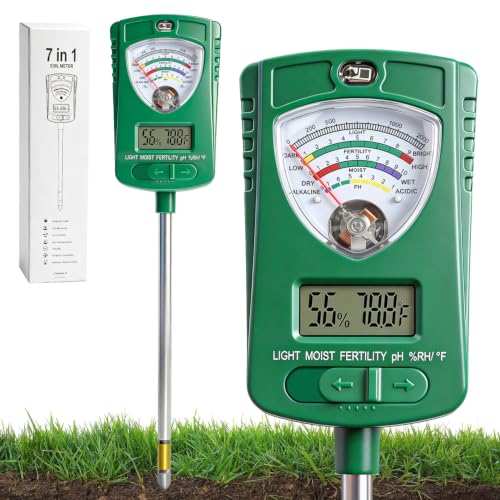
FOTSHARER 7-in-1 Soil Test Kit
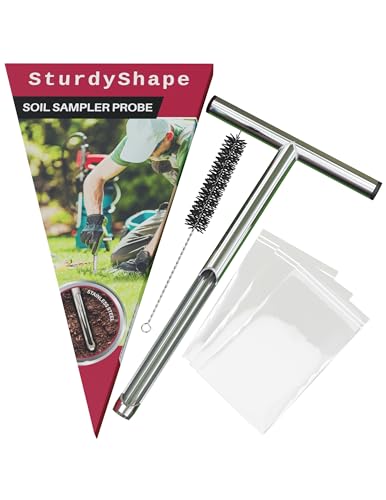
SturdyShape Stainless Steel Soil Probe (12″)
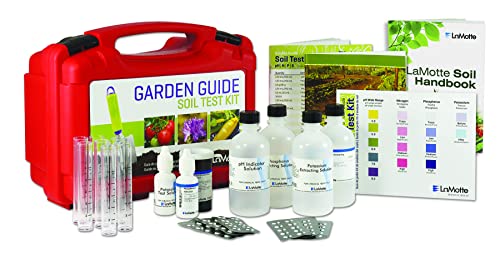
LaMotte Model EL Turf & Garden Kit
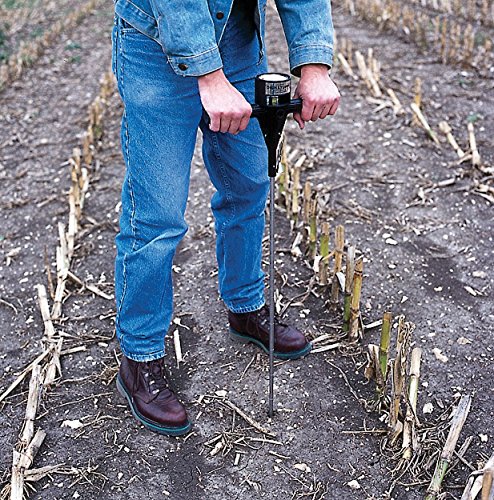
Dickey-John Soil Compaction Tester

EDGEVEIL 4-in-1 Soil Moisture Meter
Jxikatx 7-in-1 Soil Test Kit

FOTSHARER Garden Shade Cloth Kit

MySoil Soil Test Kit
Why These Options Stand Out
For someone keeping a small collection of houseplants, the Pexio PretiHom 3-in-1 kit is one of the easiest ways to start reading soil without any setup. It runs on the conductivity of the soil itself, so you stick the probe in, flip a switch, and get a number. No batteries, no app pairing, no calibration dance.
It covers moisture, light, and pH, which is enough to answer the three most common questions for indoor gardeners: should I water, is the light strong enough, and is the soil leaning acidic. Compared to the FOTSHARER 7-in-1 further down, this one keeps the data simple on purpose.
The Practical Payoff
- No batteries or charging means you can stash it in a drawer for months and pull it out when a plant looks off.
- Three readings cover the basics most casual growers actually use.
- Probe-style design keeps the price low enough for a first soil tester.
- Light green body is easy to spot in a cluttered potting bench.
Worth Noting
- Probe meters are known to read inaccurately right after watering, which can mislead new users into thinking the soil is wetter than it really is.
- The single-rod construction is not built for rocky or heavily compacted ground.
Who It Suits Best
First-time plant parents and casual indoor gardeners who want a simple readout without learning curves.
Where Another Pick Suits Better
The MySoil kit fits anyone who wants actual nutrient numbers instead of a relative pH reading.
The FOTSHARER 7-in-1 sits in the middle of the pack, aimed at hobbyists who want more than just “wet” or “dry.” Its 90-degree rotating head lets you angle the probe without kneeling flat in the dirt, which makes life easier around dense ground cover or raised beds.
It tracks moisture, pH, fertility, light, soil temperature, and both soil and ambient air temperature on a dual digital display. That mix gives you a fuller picture of the microclimate around each plant than the Pexio PretiHom does.
Useful Touches
- Seven metrics in one device keeps your testing bag minimal.
- Rotating probe head reduces wrist strain during long garden walks.
- Dual-screen layout splits environmental and soil data for faster reading.
- Soil and air temperature together help you judge transplant timing in spring.
Things To Consider
- The fertility reading is still a relative index, not a parts-per-million measurement, so it can’t replace a lab kit.
- Owners commonly report wiping the probe clean between dips to keep readings consistent.
Feature Snapshot
Made For
Gardeners tracking multiple beds or balancing indoor and outdoor collections who want richer data on a single device.
Look Elsewhere When
The Dickey-John compaction tester fits anyone focused specifically on soil density and drainage rather than chemistry.
The SturdyShape probe is a different kind of tool. Where most items here test what is in your soil, this one pulls the soil out so you can see it, smell it, and bag it for separate lab analysis. Its 12-inch stainless steel rod reaches into root zones that shorter probes barely scratch.
If you compost, top-dress, or send samples to a lab for nutrient breakdowns, this probe pairs well with kits like the MySoil. Unlike the EDGEVEIL moisture meter, it does not give you an instant reading. The trade-off is durability and the ability to sample rather than sense.
Key Advantages
- Stainless steel body resists bending in clay or rocky ground.
- 12-inch reach gets below topsoil into the active root layer.
- Manual sampling lets you pair the tool with any mail-in lab service.
- No batteries or electronics means almost nothing to fail.
Honest Caveats
- Dry, compacted ground may need pre-watering before the probe slides in cleanly.
- It does not provide instant readings, so it complements rather than replaces electronic meters.
Technical Highlights
Best Suited To
Vegetable gardeners and lawn enthusiasts who want to pull real cores for visual or laboratory analysis.
Skip It When
The Pexio PretiHom 3-in-1 is the better match for someone who only wants quick moisture and light checks indoors.
The LaMotte Model EL is the closest thing to a real lab kit on this list without mailing a sample anywhere. It uses wet tests with reagents and color charts to measure nitrogen, phosphorus, potassium, and pH in actual concentrations, not relative indices.
It comes with diagrammed instructions, laminated color charts, and a Garden Guide plus the LaMotte Soil Handbook to help you read the results. The setup takes longer than a probe meter, but the output is the kind of data that drives serious lawn programs. Compared with the FOTSHARER’s relative fertility number, this one tells you roughly how much NPK is actually in the soil.
Everyday Perks
- Wet-chemistry approach measures real NPK levels, not just “low” or “high.”
- 15 tests each for nitrogen, phosphorus, and potassium cover a full growing season.
- 30 pH tests let you track acid shifts without rationing strips.
- Included handbooks help interpret results into lime and fertilizer recommendations.
Points To Keep In Mind
- Reagents have a shelf life, so the kit works best when used regularly rather than stored for years.
- Wet tests require careful measuring and clean glassware for consistent results.
Who Will Love This
Homeowners managing turf, vegetable plots, or soil-education projects who want lab-style readings at home.
A Better Fit Elsewhere
The MySoil mail-in kit is a lower-effort option for anyone who wants the lab step handled for them.
The Dickey-John is the odd duck on the list, and that is the point. Instead of chemistry, this tester measures physical soil density. It is the tool you reach for when plants struggle despite good pH and plenty of fertilizer, because the real problem is often compacted soil blocking roots and water.
The probe runs 30 inches long with a 1/2-inch or 3/4-inch tip and a 0 to 500 PSI pressure range. You push it into the ground and read how much force it takes, giving you a hard number on whether your lawn or field is too tight. The kit ships with two tips and instructions.
Strengths Worth Knowing
- 30-inch probe reaches deep enough to check sub-surface compaction, not just the top inch.
- Steel construction handles repeated field use without flex.
- 0 to 500 PSI range covers everything from loose garden soil to packed clay.
- Two tip sizes let you tune the tester to soil type.
A Few Limitations
- It does not measure pH or nutrients, so it complements rather than replaces chemistry kits.
- Requires some physical effort to push the probe into dense ground.
Quick Facts
The Right Fit
Farmers, groundskeepers, and serious lawn-care hobbyists tracking drainage and root penetration issues.
Consider Something Else When
The FOTSHARER 7-in-1 is the better pick for anyone focused on moisture and nutrient chemistry rather than physical compaction.
The EDGEVEIL 4-in-1 takes a different angle on the probe approach. It is wireless, which means the sensor stays in the soil while the display sits nearby, so you can read moisture levels from across the room or across the yard. For anyone who has overwatered a plant because they forgot to check, that one feature changes the routine.
It also tracks soil temperature and sunlight time on a larger display than most handheld meters in this category. Compared to the Pexio PretiHom 3-in-1, you trade some of the no-fuss simplicity for a wider screen and a remote reading capability.
A Few Highlights
- Wireless remote reading means less bending and fewer probe scratches across pots.
- Larger display is easier to read in low light or at arm’s length.
- Soil temperature tracking helps with seed-starting timing.
- Sunlight time data informs placement decisions around windows and patios.
Some Limits To Know
- Wireless sensors rely on batteries that need periodic replacement.
- Moisture and pH still depend on probe contact, so very dry potting mix can skew early readings.
Built With In Mind
Apartment plant keepers and patio gardeners with mixed indoor and outdoor collections who want remote readouts.
Not Your Match When
The LaMotte Model EL is the better choice for someone who wants lab-grade NPK numbers rather than remote moisture checks.
The Jxikatx 7-in-1 covers the same seven metrics as the FOTSHARER, with soil moisture, pH, fertility, light intensity, soil temperature, air humidity, and ambient temperature. It pairs that data with a large dual display so soil and air readouts don’t fight for room. For mixed gardens with houseplants and outdoor plots, the dual layout saves time.
It works across gardens, lawns, farms, and indoor setups, which makes it a flexible all-rounder. Compared to the simpler Pexio PretiHom, it pulls more environmental data into a single device.
The Case For It
- Seven metrics in one tool reduce the clutter of separate meters.
- Large dual display handles soil and air data at the same time.
- Mode button makes switching between metrics quick.
- Wide compatibility across indoor and outdoor growing setups.
Practical Considerations
- Fertility reading is still an index, not a lab measurement, so treat the number as a guide.
- Probe tip should be wiped between dips for accurate pH readings.
Whose Shelf It Belongs On
Multi-space growers juggling raised beds, lawns, and houseplants who appreciate one device over a drawer full of meters.
Another Choice May Suit
The MySoil kit fits anyone who would rather skip the probe altogether and let a lab handle the analysis.
Sunlight is part of the soil conversation, and the FOTSHARER shade cloth kit belongs here because too much of it wrecks seedlings faster than any nutrient problem. The kit includes the cloth, hoops, connectors, clips, and gloves, so you can build a row-cover frame over a raised bed in one afternoon.
It is the only item on the list that does not measure soil directly. Instead, it controls the conditions around the soil so your readings from the Jxikatx or Pexio PretiHom actually stay stable. The 75% sunblock rating cuts harsh midday light without plunging plants into shade.
Well-Handled Touches
- All-in-one bundle saves you from sourcing tubes, clips, and cloth separately.
- 75% shade rating cools beds without starving sun-loving crops.
- Curved and straight tubes give you flexibility for different bed shapes.
- Included gloves speed up assembly without an extra trip to the shed.
Where It Is Less Suited
- Not a soil tester in the strict sense, so it complements other picks rather than replacing them.
- Larger raised beds may need extra hoops beyond what the kit includes.
At A Glance
Perfect Match For
Raised bed gardeners in hot summers who need a quick way to dial down the sun on heat-sensitive crops.
Reach For A Different Pick When
The SturdyShape probe fits anyone focused on sampling and lab analysis rather than sun management.
The MySoil kit is the most hands-off option on the list. You collect a sample, mail it in, and get a real lab analysis back covering 13 plant-available nutrient levels including nitrogen. For gardeners who already know their soil pH roughly but want to know why their tomatoes keep failing, that data is gold.
Unlike probe-style meters that give relative readings, this approach returns numbers tied to actual concentrations. Compared to the LaMotte Model EL, you give up the in-home chemistry work in exchange for a wider nutrient panel and tailored recommendations.
Positive Points
- Lab analysis measures 13 nutrient levels rather than a handful of proxies.
- Tailored recommendations translate raw numbers into specific fertilizer and lime adjustments.
- Mail-in process removes the calibration work that probe meters demand.
- Suitable for any growing scenario from lawns to raised vegetable beds.
Trade-Offs To Consider
- Results take longer than a probe reading, so it is a planning tool, not a same-day fix.
- Mailing samples adds a small recurring cost over time.
Who Should Grab It
Data-driven gardeners and lawn-care perfectionists who want nutrient numbers rather than relative indices.
Swap It Out When
The FOTSHARER 7-in-1 is the better pick for anyone who wants instant readings while walking the garden.
Picking The Right Soil Test Tool For Your Garden
The first thing worth clarifying is what you actually need to measure. A moisture meter tells you if soil is wet or dry. A pH probe tells you how acidic or alkaline the ground is, which controls how well plants absorb nutrients. Nutrient kits measure nitrogen, phosphorus, and potassium, the three macronutrients that drive most plant growth. Compaction tools measure physical density, which controls drainage and root depth. Once you know which of those problems you are solving, half the picks on this list drop away on their own. That is faster than picking by feature count.
Match the tool to your gardening scale. Indoor growers with a handful of houseplants do well with simple probe-style meters like the Pexio PretiHom or EDGEVEIL. Backyard vegetable gardeners tend to want more data, which is where 7-in-1 meters or a mail-in kit like MySoil starts to make sense. People managing turf, fields, or large plots often need a chemistry kit such as the LaMotte Model EL or a compaction tester like the Dickey-John. The wrong scale usually means the tool ends up in a drawer.
Think about how you actually want to read the data. Probe meters are fast but give relative numbers. Wet-chemistry kits and mail-in labs give real concentrations at the cost of more time and effort. Wireless displays make checking moisture easier for people who tend to forget, while manual probes work well for gardeners who like to be out in the dirt anyway. The honest read is that the best tool is the one you will actually use once a month.
Finally, consider durability and maintenance. Probe tips corrode over time, so wiping them clean and storing them dry extends life. Stainless steel samplers last longer in clay and rocky ground than budget probes. Lab kits have reagent shelf lives that matter for accuracy. Picking a tool that fits your maintenance habits matters more than picking the one with the most buttons.
Notes Worth Reading Before You Buy
Pitfalls Shoppers Hit
A lot of people buy a probe meter expecting precise pH and nutrient numbers, then feel misled when the readings turn out to be relative indexes. Probe-style tools are quick and useful, but they cannot match the resolution of a wet-chemistry or mail-in lab kit. Choosing based on the type of measurement rather than the number of features usually ends in a better fit.
Where The Extra Money Goes
The higher-priced options in this category earn their cost in two directions. Lab-mail kits like MySoil pay a real lab to run a wider nutrient panel and send tailored recommendations. Specialty tools like the Dickey-John compaction tester use heavy-duty steel and longer probes to handle field conditions that would destroy a basic probe. Either upgrade is worth it when the problem you are solving actually requires that level of data or durability.
Frequently Asked Questions
How often should I test my soil?
Most home gardeners test two to four times per year, with spring and fall as the most useful windows. Probe-style meters can be checked more often for moisture, while chemistry tests only need to run before major soil amendments.
Do probe meters really work for pH?
Probe meters give relative pH readings, which are useful for spotting big swings but not precise enough for lab work. Wet-chemistry or mail-in kits are the better choice when the actual pH number matters for crop planning.
What is the difference between a soil probe and a soil test kit?
A soil probe pulls a physical core of dirt for you to inspect or send to a lab. A soil test kit measures chemical properties like pH or nutrients using reagents or sensors. Many gardeners use both, one for sampling and one for chemistry.
Can I use one tester for indoor and outdoor plants?
Yes, most probe-style meters work in either environment as long as you wipe the tip between uses. Wireless options like the EDGEVEIL are particularly convenient for hopping between houseplants and patio beds.
When does a mail-in lab kit make more sense than a probe?
Mail-in kits are worth the wait when nutrient management is the goal, such as dialing in fertilizer for a lawn or vegetable bed. Probes are better when you need same-day answers for watering decisions.
The Takeaway
The right soil test depends less on specs and more on the questions you actually ask in the garden. Casual indoor growers will not benefit from a mail-in kit, and turf managers will not get far with a single probe. Match the tool to your scale and the specific problem you want to solve, and the rest of the list sorts itself out. A clean, honest reading beats a fancy gadget that stays on the counter.