If you live in a home with branches dropping on the driveway, you’ve probably thought about ditching the gas can and the pull cord. Milwaukee’s cordless lineup runs on the same M18 batteries many folks already own, which makes the jump from trimmer to small chainsaw surprisingly painless. The picks below span pruning hatchets, full-size chainsaws, and a few accessory picks that round out the kit. You’ll find honest trade-offs, too, because no single tool handles every job from storm cleanup to fine pruning.
The Choices Worth Comparing

Steadtep Mini Chainsaw Bag for M18 FUEL Hatchet 3004-20

Milwaukee 2625-20 M18 Cordless Hackzall Reciprocating Saw
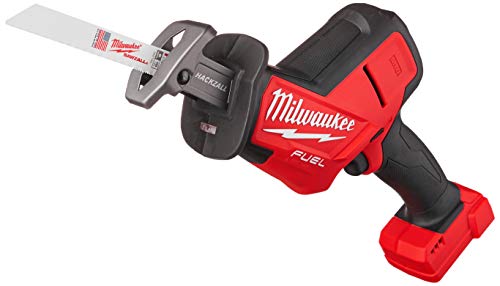
Milwaukee 2719-20 M18 FUEL Hackzall Bare Tool

Milwaukee 2527-20 M12 Pruning Saw 6-Inch

Milwaukee M18 FUEL Sawzall Brushless Reciprocating Saw
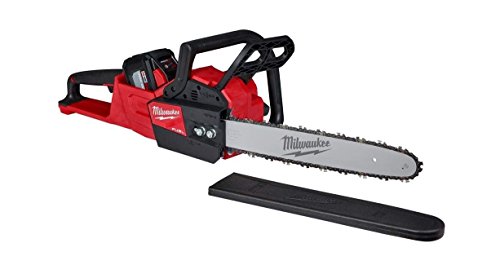
Milwaukee 2727-20 M18 FUEL 16-Inch Chainsaw
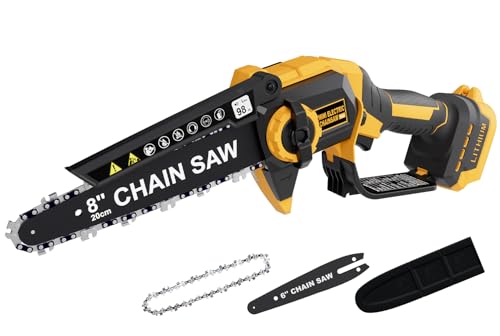
RAPKEY Mini Chainsaw for Dewalt 20V Battery 8-Inch

RAPKEY 3-Pack 8-Inch Replacement Chainsaw Chain

Milwaukee 2627-20 M18 Cordless Cut Out Tool

RAPKEY Mini Chainsaw for Milwaukee M18 Battery 8-Inch
Meet The Standout Selections
The Steadtep bag exists for one reason: keeping the M18 FUEL Hatchet kit from disappearing into the trunk. Picture hauling the pruning saw, two batteries, a charger, and a hex wrench out to a client site, and you start to see why a dedicated case earns its shelf space.
Where it earns its place is the layout, with a main compartment sized for the saw and smaller pockets for batteries and charger. You move everything in one trip, and the saw rides protected from the grit that collects in a truck bed. Compared to tossing the bare tool in a contractor bag, it’s a tidy upgrade.
Advantages To Know
- Custom fit for the M18 FUEL Hatchet 8-inch pruning saw, so the saw doesn’t rattle around during transport.
- Separate pockets for batteries and charger cut down on the small parts shuffle.
- Tote-style carry keeps the whole kit grab-and-go, which matters on busy landscaping days.
Worth Noting
- It’s specifically tuned for the 3004-20 hatchet, so verify your saw’s exact model before ordering.
- No battery or charger included, just a carrying bag for gear you already own.
Who It Suits Best
Hatch owners who shuttle the saw between home, truck, and job site and want one bag instead of three loose items.
Look Elsewhere When
You don’t yet own the M18 FUEL Hatchet itself, in which case the RAPKEY Mini Chainsaw for Milwaukee M18 Battery (pick 10) is the saw to start with.
The 2625-20 sits in that useful middle ground between a full Sawzall and a pruning tool. One-handed control means reaching into a tight spot between studs, slicing roots in the garden, or trimming a PVC line is genuinely easier than wrestling a bigger saw.
The anti-vibration handle is the kind of feature that quietly matters during longer cuts, reducing the sting in your palm after a session of clearing brush. Blade swaps use the on-board latch, which saves a trip to the toolbox when you need to switch from wood to metal. Compared to the pruning saw in pick 4, this one trades chainsaw-style cutting for general-purpose versatility.
Reasons It Performs
- One-handed design slips into the kind of spots where two-handed saws simply won’t go.
- Anti-vibration grip softens the fatigue on jobs that run longer than expected.
- Quick-release blade clamp means fast swaps between wood, metal, and demo blades.
- Runs on any M18 pack you already own, making it a sensible add-on for the existing kit.
Trade Offs
- It’s a bare tool, so battery and charger come from your existing M18 stash or a separate purchase.
- Less specialized than the FUEL Hackzall in pick 3, with lower cutting speed and rougher vibration profile.
Right Fit For
Anyone who wants a general-purpose cutting tool for tight indoor and outdoor spaces and already runs M18 batteries.
Consider Something Else When
The Milwaukee 2719-20 M18 FUEL Hackzall (pick 3) suits users who want brushless efficiency and lower vibration for daily professional use.
The 2719-20 FUEL Hackzall brings brushless efficiency into the one-handed category, and that changes how the tool feels during a long day. Cutting speed climbs, vibration drops, and the saw handles overhead cuts with noticeably less sting than the older 2625 in pick 2.
For plumbers, remodelers, and arborists, the smoother starts and longer runtime per charge add up. You can hold a cut going without that micro-pause of bracing against torque, which sounds minor but saves real minutes on repeat work. It’s the kind of tool that earns its keep on day three of a job, not day one.
The Case For It
- Brushless motor stretches runtime and pushes cutting speed well past older brushed models.
- Up to four times lower vibration than competitive one-handed saws, easing hand fatigue on long cuts.
- Compact size still works overhead or inside cramped wall cavities.
- RedLink Plus electronics help protect the tool from overload during heavy cuts.
Honest Caveats
- Bare tool only, so budget for an M18 battery and charger if your bench is empty.
- The price premium over the 2625-20 only makes sense once you’re cutting for a living, not casually.
Feature Snapshot
Perfect Match For
Tradespeople cutting pipe, drywall, and prunings daily who want top-of-class runtime and lower vibration.
Skip It When
You mostly do light home projects, where the Milwaukee 2625-20 M18 Hackzall (pick 2) saves money for similar one-handed reach.
The 2527-20 leans into a smaller, lighter philosophy by stepping down to the M12 platform. Six inches of bar is plenty for trimming fruit tree suckers, cutting back perennials, or slicing through a half-inch limb from a ladder, and the saw weighs so little you stop noticing it.
Where this earns a place in the kit is overhead reach. Anything that drops your shoulder strain on ladder pruning is worth a look, especially for older homeowners or anyone with limited grip strength. Compare that to the heavier M18 FUEL Hatchet in pick 1, and the trade-off is clear: less cutting power for far less arm fatigue.
Where It Excels
- Lightweight M12 build makes overhead and ladder pruning far less tiring.
- Six-inch bar handles most small limbs and shaping cuts without overshooting into bigger saw territory.
- Quieter than gas-powered alternatives, a plus in close-set neighborhoods.
- Pairs well with M12 batteries already common in casual DIY kits.
Points To Keep In Mind
- Limited bar length rules out bigger branches and any real tree-felling work.
- M12 platform runs out of juice faster than M18 packs on extended sessions, so an extra battery helps.
Best Suited To
Homeowners focused on light pruning, garden shaping, and ladder work where weight matters more than raw power.
Reach For A Different Pick When
The RAPKEY Mini Chainsaw for Milwaukee M18 Battery (pick 10) suits users who want a longer 8-inch bar for thicker pruning branches.
The M18 FUEL Sawzall is the workhorse version of the Hackzall line, sized for real demolition and rough framing cuts. Where the one-handed Hackzalls are about finesse, this saw is about pulling stubborn material apart, from nail-embedded studs to cast-iron pipe.
The lever-actuated blade clamp earns its keep when you’re switching blades ten times a day, and the reinforced battery connection feels sturdier than older generations. The built-in LED is a small touch that adds up when you’re cutting in a basement or under a deck. Compared to the 2719-20 in pick 3, this is the tool you reach for when the job turns rough.
Real Benefits
- Brushless motor delivers the cutting speed that demo work demands.
- Wear-resistant lever clamp makes rapid blade changes less of a chore.
- Metal-reinforced battery housing improves durability over time on job sites.
- Onboard LED lights the cut line in dark crawl spaces and basements.
Some Limits To Know
- Two-handed form factor isn’t ideal for overhead or tight one-hand cuts where the Hackzall in pick 3 wins.
- Bare tool only, so factor in the cost of an M18 battery and charger.
Built With In Mind
Contractors and serious DIYers tackling framing tear-outs, plumbing replacements, and storm damage cleanup.
Another Choice May Suit
The Milwaukee 2719-20 M18 FUEL Hackzall (pick 3) is the right call for one-handed overhead tasks where this saw is too bulky.
The 2727-20 is the closest thing to a gas-replacement in the M18 family. Sixteen inches of bar handles felled limbs and bucking rounds of firewood, while the variable-speed trigger gives you the control to ease into a cut instead of slam into it.
An Oregon bar and chain pair with the automatic oiler, so chain lubrication happens without you remembering to pump. For homeowners tired of mixing gas and pulling cords, this is the upgrade that finally clears a backyard without making a fuss. The trade-off versus the mini saws earlier in the list is weight and runtime, both noticeably heavier.
A Few Highlights
- Full 16-inch bar tackles fallen limbs and firewood rounds that smaller saws can’t.
- Oregon bar and chain are widely available for replacements and sharpening.
- Automatic oiler keeps the chain lubricated without manual pumping.
- Variable-speed trigger improves control when starting a cut on hardwood.
Factors To Consider
- Bare tool only, so plan on buying a high-capacity M18 pack for meaningful runtime.
- Heavier than the mini saws in picks 4 and 10, which matters for users with smaller frames.
- Chain oil fills and bar maintenance are ongoing ownership tasks, not one-time setup.
At A Glance
Whose Shelf It Belongs On
Suburban homeowners with mature trees, occasional storm cleanup, and a need to buck firewood without gas-engine maintenance.
Swap It Out When
The RAPKEY Mini Chainsaw for Milwaukee M18 Battery (pick 10) is a better fit for users who only handle small pruning work and want a lighter tool.
This RAPKEY mini saw slots in for Dewalt 20V owners who’d rather not start a new battery platform. Drop in a pack from your drill or trimmer, and the saw wakes up ready for branch work. It includes an 8-inch bar plus a 6-inch option, which adds flexibility for tight spaces.
The brushless motor pulls more from each battery cycle than brushed designs, and the auto oiler takes one maintenance step off your list. The catch is brand compatibility, since this saw speaks Dewalt, not Milwaukee. Compared to the RAPKEY pick 10, the difference is the battery fit, not the saw design.
What Stands Out
- Plug-and-play with existing Dewalt 20V batteries, no new investment in a charging system.
- Includes both 8-inch and 6-inch bar options for varied pruning tasks.
- Brushless motor extracts more runtime per charge than brushed alternatives.
- Automatic oiler keeps the chain lubricated without manual pumping.
Softer Spots
- Battery and charger are not included, so factor that into your decision if you don’t already own Dewalt 20V packs.
- Brand-locked compatibility means Dewalt-only households get the most value from this saw.
Made For
Dewalt 20V households that want a pruning saw without adding another battery platform to the garage.
Where Another Pick Suits Better
Milwaukee M18 owners should look at the RAPKEY Mini Chainsaw for Milwaukee M18 Battery (pick 10) for native battery compatibility.
Replacement chains are the kind of thing you wish you had at the moment a chain gets dull mid-project. This three-pack of 8-inch chains with 46 drive links covers the common mini-saw specs, and the 1/4-inch low-profile pitch (a measurement of the chain’s tooth spacing, where smaller numbers mean finer cuts) suits most cordless pruning saws.
The practical win is keeping a backup in the garage so you’re not waiting on shipping when a chain dulls or stretches. Stashing one at home and one in the truck is a small habit that prevents big project delays. Note that chain selection is a fitment question, so confirm the drive link count matches your specific bar before ordering.
What Pays Off
- Three chains per pack keeps a backup ready for dulling or accidental damage.
- 8-inch length with 46 drive links fits many common cordless mini chainsaws.
- 1/4-inch low-profile pitch suits clean, fine cuts on small limbs.
- Compact packaging stores easily in a workshop drawer or truck.
Points To Note
- Chain fit varies by saw model, so confirm drive link count and pitch match your bar before ordering.
- No filing or sharpening tools included, so a separate sharpener is still useful for extending chain life.
Who Should Grab It
Anyone running an 8-inch cordless mini chainsaw who wants to avoid mid-project downtime from a dulled chain.
A Better Fit Elsewhere
Owners of the Milwaukee 2527-20 M12 Pruning Saw (pick 4) should look for a 6-inch chain replacement instead of this 8-inch pack.
The 2627-20 cut-out tool earns its place in the conversation because it’s the M18 answer to plunge cuts in drywall, paneling, and backer board. Where a chainsaw slices limbs, this spiral-style saw sinks into sheet goods for outlet boxes, repair patches, and trim recesses.
Four-pole motor power feels solid for a tool this size, and RedLink Intelligence provides overload protection that saves the motor when you push too hard. The top vent does a decent job clearing dust, though dry work still kicks up plenty of debris. Tool-free depth adjustment is the kind of feature you appreciate once you’ve used a saw without it.
Practical Pluses
- Plunge cuts cleanly into drywall and paneling for electrical box openings.
- Four-pole motor delivers strong cutting speed for a compact spiral saw.
- RedLink overload protection helps prevent motor burnouts during heavy cuts.
- Tool-free depth adjustment speeds up repetitive cuts.
- Onboard LED and dust-clearing top vent improve visibility during cuts.
Less Ideal Details
- Bare tool only, so you’ll need M18 batteries and a charger if your collection is empty.
- Dust collection is decent but not enclosed, so eye protection and a shop vac are still recommended.
The Right Fit
Remodelers, electricians, and drywall installers who already run M18 batteries and want a one-handed plunge-cut solution.
Not Your Match When
You mostly handle yard cutting, where the Milwaukee 2727-20 M18 FUEL 16-Inch Chainsaw (pick 6) is the appropriate tool.
The RAPKEY M18 saw gives existing Milwaukee households a way to add a pruning tool without buying a new battery system. The 8-inch bar handles most yard limbs, and the included 6-inch option is a thoughtful add for tight spots between branches.
The safety lock is the detail worth lingering on, since any pruning saw deserves two-handed start-up control, and the extended baffle catches debris before it reaches your hand. The auto oiler keeps the chain lubricated without manual pumping. Compared to the Milwaukee 2527-20 M12 saw in pick 4, this model trades a bit of weight for the longer bar and the M18 runtime you’ll already trust.
Positive Points
- Native fit with Milwaukee M18 batteries, no adapter or new platform required.
- Includes both 8-inch and 6-inch bars for varied pruning situations.
- Brushless motor delivers efficient battery use over brushed designs.
- Safety lock and protective baffle reduce the risk of accidental starts and flying chips.
Minor Gripes
- Battery and charger not included, so the tool is most useful for users with M18 packs on hand.
- Chain tension checks and bar oiling are still routine maintenance steps you shouldn’t skip.
Quick Facts
Who Will Love This
Milwaukee M18 owners who want a purpose-built pruning saw that uses their existing battery collection.
Where A Sibling Pick Shines
Users without M18 batteries may prefer the Milwaukee 2527-20 M12 Pruning Saw (pick 4), which is lighter and cheaper for entry-level use.
Factors To Consider When Choosing Milwaukee Battery Chain Saws
The first decision is bar length, which shapes everything else. Six-inch saws handle ladder pruning and small suckers, while 8-inch tools stretch into thicker limbs. A 16-inch bar like the Milwaukee 2727-20 covers felled branches and firewood rounds. Match the bar to the largest cut you’ll realistically make in a season, since under-sizing means wrestling the saw and over-sizing means carrying dead weight.
Next, look at battery compatibility. The single biggest savings comes from picking a tool that runs on packs you already own. Milwaukee households should lean toward M18 or M12 tools, while Dewalt users get the most out of compatible aftermarket options. If you don’t own any platform yet, an M18 starter kit gives you flexibility across the widest range of tools.
Finally, weight and ergonomics matter more than spec sheets suggest. A pruning saw you’ll use twice a year can be forgiving on weight, but a daily driver needs an anti-vibration handle, a balanced grip, and a manageable trigger reach. For homeowners, a brushless motor stretches runtime enough to finish a yard on one charge. For pros, that same brushless design cuts vibration fatigue across a full workday, which compounds into real comfort over years.
Key Considerations Across These Picks
Traps First Timers Fall Into
Buying a chainsaw on bar length alone is a common slip, since a longer bar adds weight and runtime demands. New users also tend to forget that bare tools ship without batteries and chargers, and those costs add up. Match the saw to your battery ecosystem first, then choose the bar length that fits the work.
Where The Extra Money Goes
Premium tiers in this category earn their keep through brushless motors, automatic oilers, and reinforced battery connections. For homeowners, a brushless design adds convenience through longer runtime and less motor wear. For pros, the upgrade pays back through lower vibration, fewer breakdowns, and the kind of build quality that survives a hard day on the job site.
Frequently Asked Questions
Are Milwaukee battery chain saws powerful enough for tree felling?
The 16-inch Milwaukee 2727-20 is the pick for small to mid-sized trees, with a 16-inch Oregon bar and chain capable of handling hardwood rounds. For larger trees, professional-grade gas saws are still the safer call.
How long does an M18 battery last in a chainsaw?
Runtime varies widely with bar length, wood hardness, and battery capacity. Higher-capacity M18 packs yield more cuts per charge, especially on the 2727-20 chainsaw. For pruning saws, expect a backyard session to fit on a single charge with a mid-capacity pack.
Do I need a separate charger and battery?
Most of the picks here are bare tools, so a charger and battery must be purchased separately unless you already own a compatible pack. Confirm the platform (M18 or M12) before ordering to avoid mismatched batteries.
Can these saws handle hardwood like oak?
Brushless M18 FUEL models handle oak and similar hardwoods without trouble, especially the 2727-20 with its full-size bar. Smaller pruning saws can handle oak branches but slow down on dense rounds.
Are aftermarket chains safe to use on Milwaukee saws?
Aftermarket chains from reputable brands work on compatible bars as long as the drive link count and pitch match the original. Always confirm fitment before installing, and keep the chain properly tensioned and oiled during use.
Bottom Line
The right Milwaukee battery chainsaw depends on the work in front of you, not the largest spec on the box. Match bar length to the biggest cut you’ll actually make, and lean into a battery platform you already own so you save money and shed weight. From the full 16-inch FUEL chainsaw down to the M12 pruning saw, the lineup rewards thoughtful matching over impulse buying.