Healthy gardens start below the surface, where roots dig in and either thrive or struggle. Picking the right organic soil or amendment shapes how vegetables fruit, how houseplants recover from dry spells, and how new beds establish in their first season. The lineup below covers container mixes, raised bed blends, granular feeds, and compressed mulch blocks, so you can match a product to a real job instead of buying a one-size-fits-none bag.
The Leading Options At A Glance

PlantBest Coco Mulch Compressed Block 9.1 lb

Miracle-Gro Organic Indoor Potting Mix, 16 qt.

Miracle-Gro Organic All Purpose Plant Food, 3 lb.

Miracle-Gro Organic Outdoor Potting Mix, 16 qt.
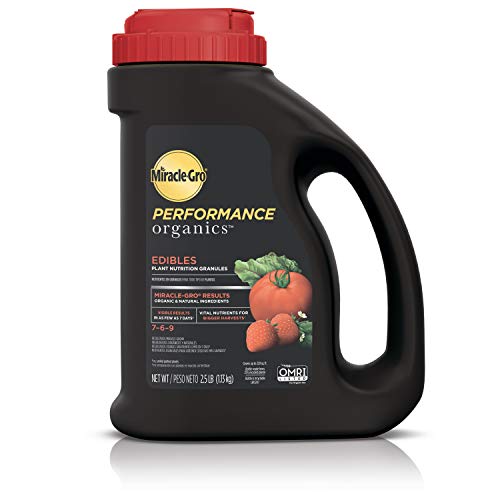
Miracle-Gro Performance Organics Edibles Plant Nutrition Granules, 2.5 lb.
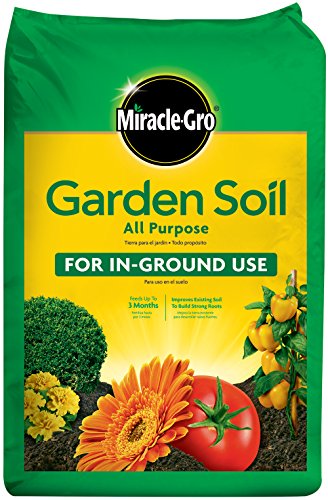
Miracle-Gro Garden Soil All Purpose, 1 cu. ft.

Miracle-Gro Organic Indoor Potting Mix, 8 qt. (2-Pack)

Miracle-Gro Organic Raised Bed and Garden Soil, 1 cu. ft.

PlantBest Coco Peat Garden Soil, Concentrated Peat-Free Potting Mix

PlantBest Coco Mulch Compressed Block 9.1 lb
The Picks, Examined More Closely
You know the awkward shuffle of wrestling a giant mulch bag through a gate and into a wheelbarrow. This compressed block skips that scene entirely, arriving as a dense brick that you hydrate in a wheelbarrow or tub. Once it soaks up water, it fluffs out into roughly 64 quarts of coconut coir mulch ready to spread around shrubs and bed edges.
The payoff shows up most for gardeners with limited shed space, since the dry block stores on a shelf and only expands when needed. For most flower borders, the coverage feels generous without forcing a trip back to the store for a second bag.
Where It Delivers
- Compression means one block replaces several traditional bags, freeing up garage shelving.
- Hydration takes minutes, so weekend mulching finishes faster than hauling loose material.
- Coir fibers breathe well, helping soil stay loose around tree and shrub roots.
- Lightweight dry form is easier to carry up stairs or across a long side yard.
Worth Noting
- Requires a container large enough to hydrate the full block without overflow.
- Coir breaks down faster than bark mulch, so you may reapply within a single growing season.
Made For
Gardeners with tight storage who still want enough mulch to dress a few established beds each spring.
Where Another Pick Suits Better
Reachers who prefer pre-hydrated bagged mulch should consider the Miracle-Gro Garden Soil All Purpose for in-ground bed building instead.
Houseplants live a life of inconsistent watering, and the wrong mix punishes them for it. This blend uses coconut coir to hold moisture while still letting air reach the roots, which buffers against both the over-waterer and the forgetful traveler. Sphagnum peat moss joins the recipe to balance water release over time.
For most plant parents juggling monsteras, pothos, and a stubborn peace lily, the forgiving texture is the main draw. Compared to the compressed PlantBest Coco Mulch Block that opened this list, this is a finished potting medium rather than a mulch, so it goes straight into a container without hydration steps.
What Pays Off
- Coarser texture reduces the soggy-pot syndrome that kills tropical houseplants.
- Quick-start natural fertilizer gives repotted plants a soft launch into new soil.
- 16-quart bag covers a meaningful repotting session without skimping.
- Organic certification suits edible herb growers keeping pots on a sunny kitchen sill.
Trade Offs
- Heavier than compressed coir blocks, so carrying a bag up three flights may be a workout.
- Not formulated for outdoor raised beds or in-ground planting.
Right Fit For
Anyone running an indoor jungle of mixed tropicals who wants one dependable bag for routine repotting.
Look Elsewhere When
Raised bed vegetable gardeners should reach for Miracle-Gro Organic Raised Bed and Garden Soil, which is built for edible plots rather than houseplant containers.
Granular feeds suit the gardener who wants to scatter, water in, and walk away. This 3-pound organic option targets both flower borders and backyard vegetable rows, feeding plants for up to three months per application. The granules break down with irrigation, releasing nutrients without the measuring cups liquid feeds demand.
For most established beds, the slow-release window means a single spring application often carries a plot through the early growth push. Compare that to the Miracle-Gro Performance Organics Edibles Plant Nutrition Granules, which target fruiting crops more specifically, and this all-purpose version becomes the more flexible tool.
Benefits That Matter
- Three-pound pouch covers a sizable backyard without constant refills.
- Granular format avoids the splash and staining common with liquid concentrates.
- Organic composition fits gardeners avoiding synthetic N-P-K numbers.
- Long feed window reduces the number of times you walk the beds with a spreader.
Points To Note
- Dry granules need watering in to activate, so a dry forecast means extra irrigation time.
- Less precise than liquid feeding for delicate seedlings in starter trays.
Feature Snapshot
Who Will Love This
DIY homeowners with mixed flower borders and a small vegetable patch who want one bag that handles both.
Another Choice May Suit
Tomato and herb growers chasing maximum harvest should consider Miracle-Gro Performance Organics Edibles Plant Nutrition Granules for a more crop-targeted formula.
Container plants on a sunny patio face a different stress than houseplants on a shelf. Heat bakes the sides of dark pots, and the mix inside has to hold moisture while still draining freely. This outdoor blend is built around responsibly sourced peat with a quick-release natural fertilizer, feeding container plants for up to two months.
For most porch planter projects, the texture feels richer than a typical houseplant mix. Versus the Miracle-Gro Organic Indoor Potting Mix covered earlier, this version leans toward outdoor container performance rather than indoor moisture buffering.
Why It Works Well
- Peat comes from certified producers, which matters to gardeners tracking sourcing practices.
- Built-in feed removes the need to remember supplemental fertilizer for the first two months.
- Locally crafted formulation suits shoppers who value regional production.
- Bag size handles a season of repotting for a moderate container collection.
Honest Caveats
- Two-month feed window is shorter than the all-purpose granular covered above.
- Heavier than compressed coir options, which adds effort for rooftop or balcony gardens.
Perfect Match For
Patio gardeners running a rotating cast of annuals, herbs, and ornamentals in mid-to-large containers.
Skip It When
You need a peat-free profile for environmental reasons, in which case the Miracle-Gro Organic Raised Bed and Garden Soil offers a peat-free alternative.
Edible crops drain nutrients fast, especially tomatoes once fruit sets. This granular feed targets that specific demand with a blend tuned for vegetables, herbs, and fruits rather than generic ornamentals. You sprinkle the dry granules, water them in, and the formula gets to work releasing nutrients where roots are active.
For most kitchen gardeners, the visible difference shows up within a week, with stronger leaf color and steadier fruit development. Compared to the broader all-purpose organic plant food covered earlier, this one trades versatility for sharper results in the vegetable patch.
What Stands Out
- Formulation is purpose-built for fruiting plants rather than mixed ornamentals.
- Dry application skips the measuring and mixing of liquid feeds.
- Organic and natural ingredient profile fits edible gardening priorities.
Things To Consider
- 2.5-pound pouch runs out faster than the larger all-purpose option above.
- Not the right tool for lawn feeding or general landscape use.
Best Suited To
Vegetable gardeners growing tomatoes, peppers, and herbs who want a feed tuned specifically for edible crops.
Reach For A Different Pick When
Mixed flower and shrub landscapes call for the broader reach of Miracle-Gro Organic All Purpose Plant Food instead.
Sometimes a yard project calls for amending an existing bed, not filling a pot. This in-ground garden soil improves native soil while feeding plants for up to three months, which is the sweet spot for spring planting and summer growth. It works across annuals, perennials, vegetables, and fruits, so one bag can stretch across multiple beds.
For most homeowners digging a new border or refreshing a tired plot, the continuous-release feed cuts down on separate fertilizer shopping. Compared to the Miracle-Gro Organic Outdoor Potting Mix from earlier, this one targets in-ground conditions rather than container performance, which changes the drainage profile significantly.
Noteworthy Benefits
- Improves existing soil structure instead of just sitting in a planting hole.
- Three-month feed window covers the active growing season for most regions.
- Versatile across flowers, vegetables, fruits, and perennials in a single bed plan.
- One cubic foot is manageable for a homeowner working without a wheelbarrow marathon.
Practical Considerations
- Heavier than compressed coco options, so hauling several bags may need a cart.
- Not formulated as a standalone medium for pots or containers.
Quick Facts
Who Should Grab It
Homeowners refreshing a backyard bed or starting a new border who want soil amendment and starter feed in one bag.
A Better Fit Elsewhere
Container-focused gardeners should pivot to Miracle-Gro Organic Outdoor Potting Mix for a mix built around pot drainage.
Not every plant parent needs 16 quarts of mix at once. This two-pack format splits the volume into smaller, easier-to-store bags, which matters when your soil lives in a hallway closet rather than a garden shed. The blend itself mirrors the larger 16-quart indoor mix, with coir for airflow and sphagnum peat moss for moisture balance.
For most small-space gardeners, the 8-quart size means opening one bag at a time without the rest drying out in storage. Versus the bigger indoor bag covered earlier, the trade-off is paying for two containers instead of one, but the convenience is real if your storage is tight.
Everyday Wins
- Two smaller bags store more easily in apartments and closets.
- Same moisture-buffering blend as the larger 16-quart version.
- Quick-start natural fertilizer helps repotted plants recover from transplant shock.
Room For Improvement
- Per-quart cost is typically higher than the single 16-quart bag.
- Total 16-quart volume still requires occasional trips to restock for serious repotting sessions.
Built With In Mind
City dwellers and apartment plant parents who repot two or three plants at a time and need manageable bag sizes.
Swap It Out When
You run a large plant collection and want fewer restocks, in which case the 16-quart Miracle-Gro Organic Indoor Potting Mix is the better fit.
Raised beds ask more from soil than a casual border. Drainage has to stay sharp, organic matter has to break down at a steady pace, and the bed should feed plants without forcing a separate fertilizer schedule. This peat-free blend uses a quick-release natural fertilizer and is OMRI listed, which matters for organic certification chasers.
For most backyard vegetable growers, the peat-free profile sets this bag apart from the other Miracle-Gro options covered above. Compared to the standard Miracle-Gro Garden Soil All Purpose, this raised bed version skips peat entirely while still delivering a two-month feed window.
What Helps Most
- Peat-free composition appeals to gardeners avoiding peatland-impact ingredients.
- OMRI listing supports formal organic gardening practices.
- Quick-release natural fertilizer jump-starts transplants and seedlings.
- Two-month feed window matches the early critical growth period for most vegetables.
Points To Keep In Mind
- Higher price point per cubic foot than the standard in-ground garden soil.
- Smaller bag format means a 4×8 raised bed requires multiple bags to fill.
Feature Overview
Whose Shelf It Belongs On
Vegetable gardeners with framed raised beds who want an organic, peat-free medium and certification credibility.
Consider Something Else When
You are filling a large in-ground border on a tighter budget, in which case Miracle-Gro Garden Soil All Purpose delivers similar performance for less.
Compressed coco coir blocks used to be a wholesale secret. Now gardeners can pick up an 11-pound brick that expands into roughly 79 quarts of growing medium, replacing a stack of bulky peat bags. The triple-washed process keeps salt levels low, which is critical for seed-starting and sensitive transplants.
For most hobbyists starting seeds or mixing into raised beds, the storage advantage is significant. Compared to the PlantBest Coco Mulch Block that opened this list, this is a growing medium rather than a surface mulch, so the application is different even though the format feels familiar.
A Few Highlights
- Single block replaces multiple heavy peat bags, simplifying transport home.
- Triple-washed coir reduces the salt concerns common with cheaper coir products.
- Peat-free profile fits sustainable gardening priorities.
- High yield per pound makes it cost-effective for larger projects.
Some Limits To Know
- Requires soaking and breaking apart before use, adding prep time.
- Coarser texture may need amending with compost for moisture-loving crops.
Spec Overview
Who Should Grab It
Gardeners mixing their own blends or filling multiple containers who want a peat-free base at scale.
Not Your Match When
You want a ready-to-use bag without hydration prep, in which case the Miracle-Gro Organic Outdoor Potting Mix arrives ready to scoop.
Top-dressing a landscape bed should not require a small truck. This second PlantBest compressed block mirrors the format of the first, expanding into roughly 64 quarts of coconut mulch, but is positioned for weed control around trees, shrubs, and established planting beds. A 1- to 2-inch layer blocks light from reaching weed seeds while still letting rain pass through.
For most homeowners with a few established trees, the coverage stretches across multiple tree rings. Compared to the first PlantBest block earlier, the difference shows up in marketing positioning rather than physical format, so choosing between them is more about listing availability than performance.
The Case For It
- Compressed storage means the block fits on a shelf until mulching day arrives.
- Coir mulch helps suppress weed germination around tree bases and shrubs.
- Lightweight hydration makes the project manageable without a wheelbarrow brigade.
Factors To Consider
- Coverage drops if you spread thicker than a 2-inch layer, which some gardeners prefer for weed control.
- Coir breaks down faster than bark, so plan for a mid-season refresh in warm climates.
Feature Rundown
Best Suited To
Homeowners maintaining a few landscape beds or tree rings who want a manageable bag size and reliable coverage.
Look Elsewhere When
You need a true growing medium for containers, in which case the PlantBest Coco Peat Garden Soil concentrate is the better fit.
What Matters Most Before Choosing Miracle Gro Organic Choice Garden Soils
Start with the planting site, because the answer changes a lot between a windowsill, a patio container, and a backyard bed. Indoor mixes lean on coir and peat for moisture balance since houseplants often face inconsistent watering. Outdoor potting blends target drainage and heat tolerance for container roots that bake in summer sun. In-ground and raised bed soils focus on amending existing dirt while feeding plants through the active season.
Match the feed window to your routine. Granular options lasting two to three months suit gardeners who want a single spring application. Liquid or shorter-window feeds fit gardeners who like checking on plants weekly and adjusting as they go. A peat-free raised bed mix makes sense if environmental sourcing is a priority, while classic peat blends remain widely available and often more affordable.
Finally, weigh storage and handling. Compressed coir blocks shine in tight sheds and small apartments, while bagged soils fit gardeners with a wheelbarrow and a short path to the beds. Bag weight matters more than people expect, especially for rooftop and balcony projects where every pound climbs stairs. A little planning up front keeps the season moving without a backache by the second trip.
Key Considerations Across These Picks
Where Shoppers Go Wrong
The most common slip is grabbing a generic all-purpose bag for a raised bed, then wondering why water sits in the bed after rain. Raised beds and containers need faster-draining mixes than in-ground amendments, and treating them as interchangeable usually ends in root rot. Another frequent miss is underestimating how much volume a project actually needs, so measure bed dimensions in cubic feet before ordering and round up rather than running short mid-project.
When Paying More Pays Off
Premium picks earn their keep when the bag includes organic certification, peat-free sourcing, or a longer feed window that replaces a separate fertilizer purchase. For a single raised bed that grows food for a family, the upgrade to a peat-free organic blend often pays back through better yield and cleaner sourcing. For routine annuals in disposable containers, the standard bag usually delivers enough performance without the extra cost.