Walking the fertilizer aisle can feel like decoding a science textbook, especially when every bag promises the same lush results. The right plant food depends on whether you tend a windowsill herb garden, a backyard vegetable patch, or a sprawling flower bed, and the format matters as much as the formula. This guide breaks down seven Miracle-Gro options alongside one organic alternative, so you can match feeding style to your actual routine.
The Picks In Brief

Miracle-Gro Water Soluble All Purpose Plant Food, 3 lb.

Miracle-Gro 160101 Water-Soluble Plant Food, 1 lb.

Miracle-Gro LiquaFeed All Purpose Refill, 16 oz. 8-Pack

Miracle-Gro 100404 LiquaFeed Bloom Booster Flower Food
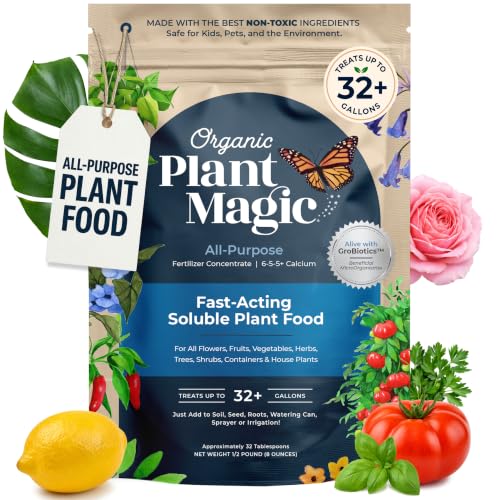
Organic Plant Magic Fertilizer and Plant Food, 1/2 lb.

Miracle-Gro 1013202 Watering Can Singles, 24 Packets (2-Pack)
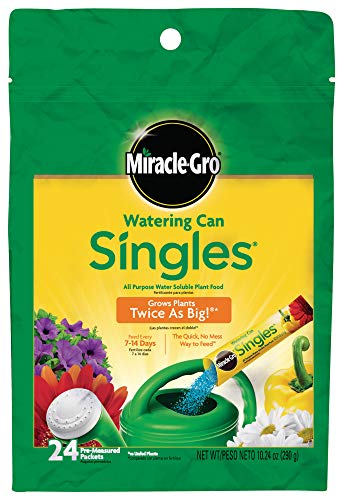
Miracle-Gro Watering Can Singles, 24 Packets
A Breakdown Of The Leading Choices
Large-scale gardeners reach for the 3 lb. jar of Miracle-Gro Water Soluble Plant Food because it disappears fast, especially across vegetable rows, container patios, and rose borders all at once. The water-soluble format dissolves in a watering can, giving you control over concentration for seedlings versus established shrubs.
Owners commonly rely on this format for season-long feeding in larger yards, where buying smaller canisters means frequent reordering. Compared to the pre-measured packets in picks 6 and 7, this version requires a spoon and a little measuring, which seasoned gardeners tend not to mind.
Useful Touches
- Bulk 3 lb. size covers a wide range of plants across a full growing season
- Water-soluble format works in a watering can or the Miracle-Gro garden feeder
- Compatible with indoor and outdoor varieties, from houseplants to trees
- Lower per-application cost for high-volume feeders
Things To Consider
- Requires measuring and mixing each time you feed
- The 3 lb. jar needs dry storage to prevent caking in humid sheds
Feature Snapshot
Made For
Gardeners managing multiple beds, containers, and shrubs who feed regularly and want a single jar to cover the season.
Consider Something Else When
Apartment dwellers tending only a few pots get more value from the Miracle-Gro Watering Can Singles 24 Packets, which skip measuring entirely.
The 1 lb. canister of Miracle-Gro 160101 has become a quiet workhorse for gardeners who want a balanced NPK ratio (nitrogen, phosphorus, and potassium, the three numbers that tell you the nutrient breakdown) without committing to a 3 lb. jar. Its 24-8-16 ratio leans slightly leafy, which suits vegetables and ornamentals that push a lot of growth through summer.
Where the 3 lb. jar rewards scale, this 1 lb. version fits a small yard or a beginner testing out a feeding routine. The dual feeding action (through both roots and leaves) gives faster visual results, which first-timers tend to appreciate.
A Strong Showing
- 24-8-16 NPK ratio supports both foliage and flowering
- Dual feeding through roots and foliage for faster uptake
- Works in watering cans or the Miracle-Gro garden feeder
- Compact 1 lb. size stores easily in a garage or shed
Worth Noting
- Smaller canister means more frequent reordering for large yards
- Requires careful measurement to avoid overfeeding in containers
Right Fit For
Beginners and small-yard gardeners who want a single all-purpose formula for mixed vegetables, flowers, and shrubs.
Where Another Pick Suits Better
Dedicated flower gardeners chasing bigger blooms should consider the Miracle-Gro 100404 LiquaFeed Bloom Booster Flower Food, which carries a bloom-focused formula.
The Miracle-Gro LiquaFeed All Purpose Refill turns feeding into a hose-end job. The 16 oz. bottles snap into a universal feeder and spray as you water, so a 20-minute pass around the yard handles both hydration and nutrition in one motion.
Owners with larger lawns or long hedgerows often reach for LiquaFeed specifically because there is no measuring, no scooping, and no mixing bucket to clean. It pairs well with the LiquaFeed feeder, which is a separate purchase you will need for the system to work.
Points In Its Favor
- Hose-end spraying feeds and waters simultaneously
- 8-pack format covers a full season for medium yards
- Liquid nutrients reach roots faster than powder formats
- Cleaner than mixing powder in a watering can
Trade Offs
- Requires the separate LiquaFeed universal feeder to work
- Liquid refills weigh more to ship and store than powder
Best Suited To
Busy gardeners with medium-to-large yards who want feeding and watering to happen in a single pass.
Look Elsewhere When
Apartment dwellers with only a few pots find the Organic Plant Magic Fertilizer and Plant Food more manageable, since it dissolves by the spoonful.
Where the all-purpose LiquaFeed refills in pick 3 cover a wide plant range, this Bloom Booster version is tuned specifically for flowers. The formula favors bloom development over leafy growth, so you see more buds and stronger color on annuals, perennials, and container arrangements.
Used with the same LiquaFeed universal feeder, the bottle snaps in and feeds while you water. Gardeners with rose beds or cutting gardens tend to keep a separate bloom-focused formula on hand to push flowering through the warmest weeks.
What Helps Most
- Bloom-focused ratio supports more abundant flowering
- Compatible with the standard LiquaFeed universal feeder
- Liquid format reaches roots quickly during hot weather
- Refill bottle design reduces plastic waste versus pre-mixed sprays
Points To Note
- Specialized for flowers, so less useful for vegetables or lawns
- Requires the same LiquaFeed feeder accessory
Who Should Grab It
Dedicated flower gardeners running rose beds, cutting gardens, or large container displays where bloom quality matters most.
A Better Fit Elsewhere
Vegetable gardeners should reach for the Miracle-Gro 160101 Water-Soluble Plant Food, whose all-purpose ratio suits edible crops as well as ornamentals.
The Organic Plant Magic Fertilizer and Plant Food brings something different to a Miracle-Gro-heavy list: an organic, water-soluble concentrate. A 1/2 lb. bag dilutes into a substantial volume of liquid feed, which suits gardeners with edible crops, herbs, and houseplants who want to avoid synthetic ingredients.
It dissolves in any watering can, so there is no special feeder to buy, and a small amount goes a long way. For indoor herb gardens and small kitchen windowsills, it tends to outshine bulk synthetic options because you only mix what you need.
What Earns Its Place
- Organic water-soluble concentrate for edible and ornamental plants
- Half-pound bag makes a large volume of liquid feed
- Works in any standard watering can with no extra equipment
- Versatile across vegetables, herbs, flowers, and houseplants
Honest Caveats
- Smaller bag means higher per-application cost than bulk synthetics
- Organic results tend to be slower to appear than synthetic feeds
Quick Facts
Whose Shelf It Belongs On
Organic-minded gardeners growing herbs, leafy greens, and houseplants who prefer a single concentrate to mix as needed.
Skip It When
Large-lawn caretakers chasing rapid greening will get faster results from the Miracle-Gro LiquaFeed All Purpose Refill 8-Pack.
The Miracle-Gro 1013202 Watering Can Singles arrive in a 2-pack, so you get 48 pre-measured packets across two boxes. Each packet is one feeding, which removes every guess from the equation. New gardeners, especially those nervous about overfeeding, tend to find this format less intimidating than scooping powder.
For a small patio, a few houseplants, or a starter herb garden, the 2-pack format covers a full season without measuring or mess. Compared to the single-box version in pick 7, this option rewards households with slightly more plant variety to feed.
Why It Works Well
- Pre-measured packets eliminate mixing errors
- 2-box format covers a longer feeding cycle
- No-mess tear-and-pour design keeps hands and surfaces cleaner
- Single packets travel well for vacations and plant-sitting duty
Practical Considerations
- Higher per-feeding cost than bulk powder formats
- Generates more packaging waste than a reusable jar
Perfect Match For
New gardeners and small-space households who want foolproof feeding without measuring spoons or guesswork.
Another Choice May Suit
Experienced gardeners feeding many containers at once save more with the 3 lb. jar of Miracle-Gro Water Soluble All Purpose Plant Food.
The single-box Watering Can Singles give you 24 pre-measured packets in one tidy package. It’s the simplest way to test out a Miracle-Gro routine without committing to a large jar, and the packets fit neatly in a kitchen drawer alongside watering supplies.
For patios with a handful of pots or indoor houseplants, 24 packets stretch further than you might expect when you feed every 1-2 weeks. The trade-off versus the 2-pack in pick 6 is simply volume: this is the right size for a small plant collection, not a busy household garden.
What Stands Out
- Pre-measured single-feed packets remove all guesswork
- Compact box stores easily in a kitchen or utility drawer
- No-mess format keeps containers and surfaces clean
- Great trial size for first-time Miracle-Gro users
Room For Improvement
- 24 packets run out quickly for larger plant collections
- Per-feeding cost exceeds bulk powder options
Feature Rundown
Built With In Mind
Patio gardeners and houseplant keepers feeding a handful of pots who want a no-mess, no-measure option.
Reach For A Different Pick When
Gardeners chasing organic ingredients should consider the Organic Plant Magic Fertilizer and Plant Food instead.
Choosing Plant Food That Actually Fits Your Routine
Match Format To Your Garden Size
Water-soluble powders reward scale. A 3 lb. jar of Miracle-Gro Water Soluble All Purpose Plant Food covers a full yard for the cost of a few pre-measured packets, but only if you actually have that many plants. Patios and houseplants waste powder, since a tiny scoop feeds many small pots. Liquid refills split the difference, with the LiquaFeed system favoring medium yards with hose access. Pre-measured packets reward small collections where every feed needs to be foolproof.
Read The NPK Numbers
The three numbers on a fertilizer bag (like 24-8-16 on the 160101 canister) describe nitrogen, phosphorus, and potassium. Nitrogen drives leafy growth, phosphorus supports root and bloom development, and potassium strengthens overall plant health. Higher middle numbers favor flowers and root crops, while higher first numbers favor leafy greens and turf. You don’t need a chemistry degree; matching the ratio to your dominant plant type is enough.
Decide On Synthetic Versus Organic
Synthetic blends like the Miracle-Gro line deliver nutrients quickly and show visible results within days. Organic concentrates like Organic Plant Magic work more slowly through soil biology, which suits gardeners who prefer gentler feeding for edible crops and indoor herbs. Your choice depends on how fast you want to see results and what you’re growing.
Consider Your Tools And Storage
Powder formats need dry storage to prevent caking, while liquid refills and pre-measured packets tolerate a wider range of conditions. LiquaFeed also requires the separate universal feeder, an extra step worth factoring into your setup. If you already own a watering can and a small shelf, powders and packets fit right in.
Key Considerations Across These Picks
Where Shoppers Go Wrong
A common misstep is buying a 3 lb. jar to save money, only to let half of it clump in a humid shed before the season ends. Smaller gardeners do better with pre-measured packets or a 1 lb. canister. Another pitfall is reaching for an all-purpose formula when a specialty blend fits the garden, like a bloom booster for roses or an organic concentrate for herbs. Matching format and ratio to the actual plant list matters more than chasing a bargain pack.
When Paying More Pays Off
The premium tier in this category tends to mean convenience, not strength. LiquaFeed systems and pre-measured packets cost more per feeding because they remove the mess and the measuring. For gardeners with limited time, mobility issues, or simply a busy schedule, that convenience pays for itself across a season. The tradeoff shows up when a household with many plants and plenty of time can do the same job with a bulk powder and a watering can at a lower total cost.
Frequently Asked Questions
Can I use Miracle-Gro on edible vegetables and herbs?
Yes, the all-purpose and water-soluble formats listed here are widely used on vegetables, herbs, and fruit-bearing plants when applied as directed. For organic-focused herb gardens, an organic concentrate is a closer match for the routine you may prefer.
How often should I feed my plants with these products?
Most water-soluble formats recommend feeding every 1-2 weeks during the active growing season. Container plants and heavy feeders like tomatoes may need more frequent feeding, while dormant or slow-growing houseplants need less.
Do I need a special feeder for the LiquaFeed refills?
The LiquaFeed refill bottles do require the Miracle-Gro LiquaFeed universal feeder to attach to a standard garden hose. The feeder is sold separately, so factor that into your setup if you go with picks 3 or 4.
What is the difference between all-purpose and bloom booster formulas?
All-purpose blends balance nitrogen, phosphorus, and potassium for general growth across leaves, roots, and flowers. Bloom boosters shift the ratio to favor flower and fruit development, which is why dedicated flower gardeners often keep both on hand.
Are pre-measured packets as effective as bulk powder?
The nutrient source is the same, and the results should be comparable when mixed correctly. Packets simply remove the measuring step, which reduces the risk of overfeeding or underfeeding for new gardeners.
The Takeaway
Your garden’s size, your plant list, and your tolerance for measuring will tell you which of these seven picks belongs on your shelf. For a few patio pots, a packet format removes every hassle. For a full backyard of mixed beds, a bulk powder or a hose-end LiquaFeed refill keeps feeding simple. The honest read is that the best plant food is the one you’ll actually use on schedule, so pick the format that matches your real routine and let the plants do the rest.