A single bad bag of soil can undo an entire season of container gardening. The wrong texture holds water like a sponge, the wrong nutrition profile leaves tomatoes yellowing by July, and the wrong acidity throws blueberries into a slow decline. Shopping for potting mixes alongside bulk-store runs is one of those small decisions that quietly decides whether a balcony herb garden thrives or limps along.
This list focuses on container-friendly, organic-leaning, and ready-to-use options that pair well with bulk-shopping routines. Below, the ten picks cover everything from tiny succulent batches to large-volume compressed coir blocks, with notes on who each one actually serves.
The Shortlist At A Glance
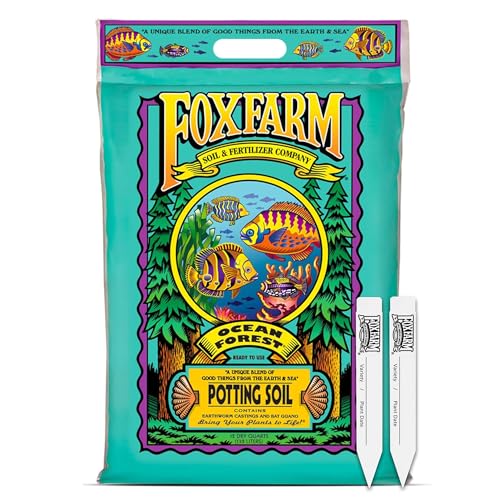
FoxFarm Ocean Forest Potting Soil, 12 Quarts

FoxFarm Ocean Forest Potting Soil, 1.5 cu ft

Miracle-Gro Potting Mix, 16 qt., 2-Pack
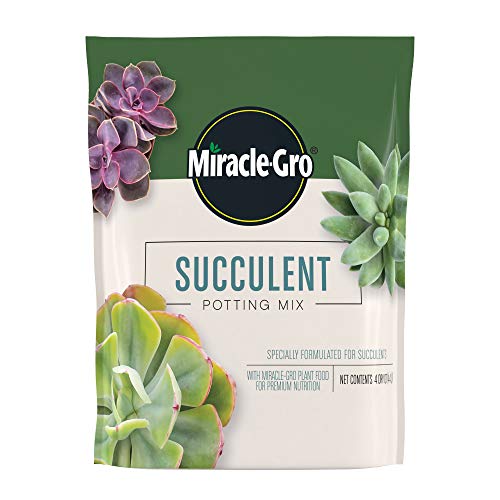
Miracle-Gro Succulent Potting Mix, 4 qt.

WONDER SOIL Coco Coir, 30 Quarts

Coast of Maine Cobscook Blend Soil, 1 cu ft
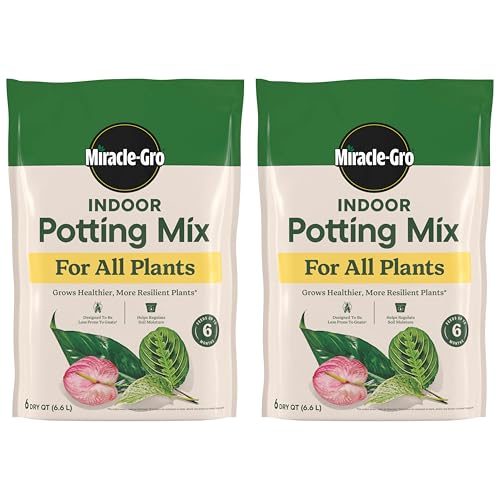
Miracle-Gro Indoor Potting Mix, 6 qt., 2-Pack
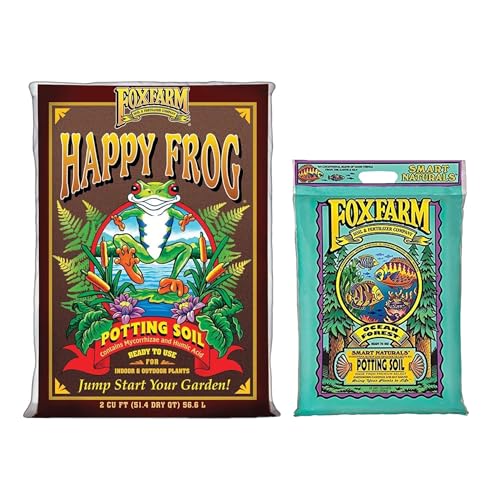
FoxFarm Happy Frog 2 cu ft + Ocean Forest 12 qt
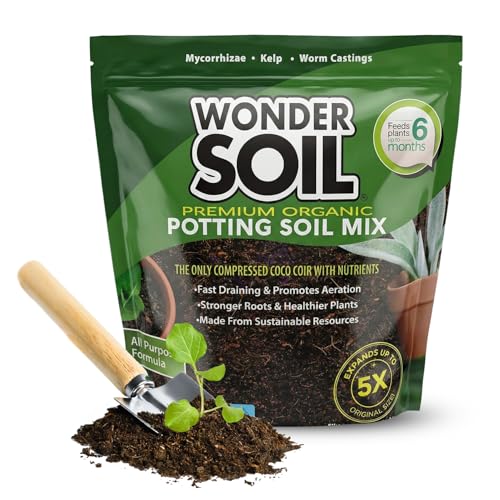
WONDER SOIL Coco Coir, 12 Quarts

WONDER SOIL Coco Coir Block, 72 Quarts
A Deeper Look At The Lineup
The 12-quart FoxFarm Ocean Forest bag earns a spot here for one straightforward reason: it’s the right size for a single repotting session, not a season-long stockpile. You tear it open, drop a tomato seedling in, and the plant settles in without the usual transplant sulk.
Unlike the bulkier FoxFarm option that follows, this smaller bag stays manageable for apartment dwellers with a few houseplants. Two included plant tags are a thoughtful touch for anyone tracking varieties across a windowsill herb collection.
Real-World Strengths
- Light, aerated texture that holds moisture without compacting around roots.
- Ready to use straight from the bag, no mixing or amendments required.
- Comes with plant tags for labeling seedlings and propagation dates.
- Compact 12-quart size suits indoor repotting and small balcony planters.
Things To Consider
- Smaller volume means more frequent repurchasing for active gardeners.
- The richer nutrient profile can burn very young seedlings if used too soon after germination.
Key Specs
Whose Shelf It Belongs On
Beginner container gardeners maintaining a handful of houseplants or herbs on a windowsill.
Look Elsewhere When
FoxFarm Ocean Forest 1.5 cu ft suits you better when you’re refilling a dozen patio planters in one weekend.
The 1.5 cubic foot version of Ocean Forest covers a full patio’s worth of containers without forcing you to hoard smaller bags. For someone running four to six large planters through a single spring refresh, this format hits the sweet spot between volume and handling.
Compare that to the 12-quart version above, which runs out fast for outdoor use but stays convenient indoors. This larger bag trades portability for staying power, and most outdoor gardeners with a car trunk will appreciate the tradeoff.
What Helps Most
- Substantial 1.5 cu ft volume handles multiple patio containers in one pass.
- Same ocean-based organic formula as the smaller FoxFarm bag for consistency across pots.
- Light texture resists compaction even in larger planters that hold water longer.
- Suitable for both indoor tropicals and outdoor flower arrangements.
Worth Noting
- Heavier bag can strain small hands when lugging from a curbside delivery to a rooftop garden.
- Premium organic ingredients mean this option typically costs more per quart than basic mixes.
Who It Suits Best
Patio and deck gardeners refreshing several large containers in a single spring session.
Skip It When
The FoxFarm Happy Frog bundle works harder for you if you want a richer blend plus a second soil type in one shipment.
The 16-quart two-pack delivers a measured dose of convenience for vegetable gardeners who plan repeat plantings. You open the first bag in spring for tomatoes, keep the second sealed in a garage through summer, and break it out for fall lettuce without hauling new bags home.
It’s a different beast from the FoxFarm options earlier on this list, since Miracle-Gro is built around a longer feeding window for hungry annuals. For containers packed with flowering vegetables, the built-in nutrient supply takes some of the guesswork out of midseason fertilizing schedules.
What Pays Off
- Designed to feed container plants for up to six months, reducing midseason fertilizing.
- Two-bag format spreads the workload across a full growing season.
- Works across flowers, vegetables, shrubs, and perennials in outdoor containers.
Trade Offs
- Lower organic matter content compared to FoxFarm, so watering demands closer attention.
- Heavier, denser texture can suffocate delicate indoor tropicals over time.
- Sealed bags need dry storage to prevent the mix from clumping before use.
Feature Snapshot
Made For
Outdoor vegetable and flower gardeners who want a low-maintenance feeding schedule across multiple pots.
Not Your Match When
Miracle-Gro Indoor Potting Mix fits better when most of your gardening happens on a windowsill.
Succulents fail for one main reason: soil that holds moisture too long. This 4-quart blend is built around drainage, with a sandy, gritty structure that lets roots dry out between waterings, which is exactly what aloe, echeveria, and burro’s tail need to avoid rot.
It’s the smallest bag on this list, and that tracks. Succulent collections grow slowly, and a single 4-quart bag fills roughly one 8-inch container, so the format matches the pace of the plants themselves.
Features That Help
- Fast-draining formula reduces the risk of root rot in shallow succulent pots.
- Sized for small collections, reducing wasted leftover mix.
- Compatible with cacti, aloes, haworthias, and other drought-tolerant species.
Points To Note
- Not a versatile mix: regular houseplants will struggle in the fast-draining texture.
- Limited volume requires repurchase once a succulent collection expands.
Quick Facts
Best Suited To
Indoor succulent collectors managing a small shelf of drought-tolerant plants.
Consider Something Else When
WONDER SOIL Coco Coir at 12 quarts serves you better if you keep a mixed collection of herbs and tropicals alongside succulents.
WONDER SOIL takes a different approach from the bagged mixes above. Instead of arriving as a heavy, pre-moistened block, it ships as compressed coco coir bricks, which means three small bricks add up to 30 quarts once you pour water over them. For gardeners without garage space, that’s a real advantage.
Coco coir is a fibrous material derived from coconut husks, and it holds water differently than peat-based mixes. It rewets easily after drying out, which is a notable shift for anyone used to standard Miracle-Gro behavior.
A Few Strong Suits
- Compressed format saves significant shelf and storage space before use.
- Coco coir resists compaction, keeping soil loose around root zones over time.
- Pre-amended with worm castings and nutrients for an extended feeding window.
- Peat-free composition appeals to gardeners avoiding peat harvesting.
Honest Caveats
- Requires water and a container for expansion before planting, adding prep time.
- Lower initial weight can be deceptive, the expanded volume is substantial.
- New bricks sometimes need breaking apart to fully hydrate in the center.
Perfect Match For
Apartment gardeners with limited storage who need to defer mixing until planting day.
A Better Fit Elsewhere
Miracle-Gro Indoor Potting Mix makes more sense for houseplant-only setups that need no prep work.
The Coast of Maine Cobscook blend stands apart from the container-focused picks above, since it’s built for in-ground beds rather than patio pots. For gardeners working with sandy, compacted, or clay-heavy soil, this blend adds back the organic matter that years of tilling can strip away.
Its component list leans on sphagnum peat moss, compost, and aged bark, which is a more traditional garden amendment profile than the lighter container mixes. Top-dressing established beds with a couple of inches helps suppress weeds while slowly feeding the soil underneath.
Why It Works Well
- Improves soil structure in clay, sand, or compacted ground over multiple seasons.
- Works as both a soil amendment and a top-dressing for established beds.
- Compatible with flower beds, vegetable rows, and lawn patch repairs.
Possible Compromises
- Not formulated for container use, so it can compact in pots without added perlite.
- Single cubic foot bag covers a modest area, larger beds may need multiple bags.
Who Should Grab It
Home gardeners renovating in-ground flower beds or refreshing worn lawn patches.
Another Choice May Suit
FoxFarm Ocean Forest 1.5 cu ft is the right call when your planting happens exclusively in containers.
Indoor plants have different demands than patio containers, mostly because the watering and airflow environment is more controlled. The Miracle-Gro Indoor blend uses sphagnum peat moss, coir, and perlite (a lightweight volcanic material that improves drainage) to strike a balance between moisture retention and the airflow that houseplant roots need.
It’s also worth noting that indoor mixes are usually bark and compost free, which keeps gnats and odors in check. For apartments where a single fungus gnat infestation can ruin a Sunday, that formulation choice matters more than the marketing copy suggests.
What It Does Well
- Lightweight texture prevents compaction in long-term indoor containers.
- Two-bag format covers a full rotation of small-to-medium houseplants.
- Formulated without bark or compost to reduce fungus gnat pressure indoors.
Where It May Fall Short
- Smaller volume per bag means frequent repurchase for large indoor collections.
- Not a dedicated succulent mix, so cacti and aloes need a grittier alternative.
Right Fit For
Houseplant owners rotating through pothos, philodendrons, and other foliage tropicals in a low-light apartment.
Swap It Out When
Miracle-Gro Succulent Potting Mix is the better fit for a collection dominated by cacti and succulents.
Pairing Happy Frog and Ocean Forest in one bundle gives you a hedge against the seasonal variations that hit container gardens. Happy Frog carries soil microbes and a slightly more measured nutrient profile, while Ocean Forest (covered earlier in this list) leans richer, so you can match each plant to the right texture without buying two separate shipments.
The bundle format is the move for someone transitioning seedlings between growth stages. Start in Happy Frog for sensitive young roots, then pot up into Ocean Forest once the plants demand more nutrition.
What Makes Sense
- Two distinct soil profiles in one shipment for varied plant needs.
- Happy Frog includes soil microbes that support root efficiency over time.
- Single delivery simplifies bulk ordering for a full repotting calendar.
Points To Keep In Mind
- Total weight is substantial, plan a vehicle for curbside pickup.
- Not all gardeners need both soil types, so the bundle only makes sense for mixed collections.
Built With In Mind
Experienced container gardeners running both edible and ornamental plants in a single season.
Reach For A Different Pick When
WONDER SOIL Coco Coir Block, 72 quarts fits better if you’re overhauling a large garden on one trip.
The 3-pound bag that expands to 12 quarts is WONDER SOIL’s most balcony-friendly format. You can carry it up three flights of stairs, hydrate it in a mixing tub, and end up with enough medium for a small herb garden without taxing your back or your closet space.
For households with curious pets, the peat-free and pet-safe composition is worth more than the marketing claims suggest. Many standard mixes contain ingredients that draw curious noses, and a compressed brick that stays dry until you’re ready to use it sidesteps the early-stage mess.
Reasons It Performs
- 3 lb dry weight expands to 12 quarts with water, easy to store and transport.
- Pre-amended with worm castings, perlite, and kelp for a balanced start.
- Peat-free formula suits eco-conscious and pet-friendly households.
Room For Improvement
- Smaller expanded volume means more frequent repurchase for active gardeners.
- Coir alone dries out faster than peat-heavy mixes in hot weather, so watering frequency rises.
Technical Highlights
Who Will Love This
Balcony herb gardeners with limited storage and a small footprint to manage.
Where A Sibling Pick Shines
WONDER SOIL Coco Coir Block, 72 quarts suits a large backyard overhaul more than a single small planter.
The 72-quart block is the largest option in the WONDER SOIL range, designed for full garden overhauls rather than spot repotting. One 10-pound brick hydrates to fill raised beds, multiple large containers, or an extensive herb rotation in a single session.
For gardeners already familiar with the smaller 12-quart brick earlier in this list, the upgrade is mostly about reducing repeat purchases during a busy spring. The prep time and storage savings scale up proportionally.
Everyday Perks
- 72-quart expanded volume handles raised beds and large patio containers in one hydration.
- Same compressed format as smaller WONDER SOIL bricks, so storage stays efficient.
- Peat-free composition aligns with sustainable gardening priorities.
A Few Limitations
- Full hydration requires a wheelbarrow or large tub, which not every gardener has on hand.
- Overkill for households managing only a few small pots.
The Right Fit
Garden renovators filling multiple raised beds or large containers during a spring overhaul.
A Better Fit Elsewhere
Miracle-Gro Indoor Potting Mix suits apartment dwellers who only need enough soil for a handful of houseplants.
What Matters Most Before Choosing Potting Soil for Container Gardens
Match the Mix to the Container, Not the Plant Label
A common misstep is buying a single bag for every pot on the patio. Succulents, leafy tropicals, and fruiting vegetables all have different moisture and nutrient demands. The fastest way to improve plant health is to split containers by need: a fast-draining cactus blend for succulents, a richer organic mix for vegetables, and a balanced indoor formula for houseplants.
Container size matters just as much as plant type. Small pots dry out fast, so water-retentive peat or coir blends work better. Large containers hold moisture longer, which means a lighter, well-aerated mix prevents root rot in the bottom third of the pot.
Understand the Ingredient List
The label tells most of the story. Peat moss holds water aggressively but resists rewetting once bone dry. Coco coir behaves similarly but recovers faster after drying out. Perlite and vermiculite add aeration, with perlite improving drainage and vermiculite boosting moisture retention. Compost and worm castings feed the soil biology, while forest products and aged bark add long-term structure.
A mix that relies too heavily on one ingredient tends to break down or compact over a single season. Blends with three or four distinct components tend to stay loose longer and need less midseason intervention.
Calculate Real Volume Needs
Container volume gets underestimated regularly. A single 14-inch planter holds roughly 1 cubic foot of soil, and a 5-gallon bucket holds close to 0.7 cubic feet. Buying one bag and discovering it fills two pots is a familiar spring ritual. Measure your largest container before ordering, and round up by at least 20 percent to cover settling and accidental spills.
Compressed coco coir bricks throw this calculation off in the other direction, since the dry volume looks tiny next to its hydrated output. The 72-quart block in this lineup hydrates to fill a small raised bed, which is far more than its dry size suggests.
Key Considerations Across These Picks
Pitfalls Shoppers Hit
The most common slip is assuming a premium bag of soil is enough on its own. Even nutrient-rich organic mixes deplete over a growing season, especially in containers that get watered daily. Plan to supplement with a liquid feed every four to six weeks for heavy feeders like tomatoes and peppers.
Another trap is reusing last year’s container soil without refreshing it. Old soil compacts, loses structure, and can harbor overwintering pests. For best results, dump spent soil into a compost bin or refresh beds with a new amendment layer rather than reusing it directly in pots.
Where The Extra Money Goes
Higher-tier potting mixes earn their cost through better ingredient balance and longer feeding windows. A premium organic blend with compost, worm castings, and a measured nutrient profile cuts down on midseason fertilizing, which saves time and reduces the risk of nutrient burn.
Compressed coco coir bricks cost more per expanded quart than basic bagged mixes, but the storage efficiency and the avoidance of peat harvesting justify the premium for many gardeners. The extra money buys convenience, sustainability, and a lighter weight during the trip home.
Frequently Asked Questions
How long does a bag of potting soil last once opened?
An opened bag stays usable for roughly one growing season if stored in a dry, sealed container. Moisture and humidity are the main enemies, since both invite mold and clumping.
Is organic potting soil better for vegetables?
Organic blends reduce the risk of synthetic fertilizer runoff into edible crops. For container vegetables especially, organic mixes with compost and worm castings support steady growth without the salt buildup that synthetic feeds sometimes leave behind.
Can I mix different potting soils together?
Yes, blending two mixes is a common practice for tailoring drainage and nutrient levels. Many gardeners mix a peat-based blend with perlite or coco coir to lighten the texture for specific plants.
Do succulents really need a special soil?
Succulents suffer in standard potting mixes because the moisture retention is too high for their shallow root systems. A fast-draining cactus or succulent blend with sand, perlite, or pumice keeps roots dry enough to prevent rot.
How often should I replace container soil?
Most container soils benefit from a full refresh each spring for heavy feeders, and every other year for less demanding plants. Top-dressing with compost between full refreshes helps maintain biological activity without a full soil swap.
Closing Remarks
A solid potting mix does more than hold a plant upright. It sets the water rhythm, the nutrient schedule, and the airflow that roots need to thrive through a full season. The ten options above cover the most common container situations, from a single windowsill succulent to a backyard full of raised beds, and each one earns its place for a specific use case.
Start with the plants you actually grow, then match the mix to those containers. The right bag makes the rest of the season feel easy, and the wrong one means a lot of midseason troubleshooting.